



Understanding Remy Hair: Key Differences and Benefits You Should Know
Have you ever wondered why some hair extensions look more natural, feel softer to the touch, and last longer than others? Have you ever been confused by the many terms used to describe hair, like Virgin hair and Remy hair, and what those labels truly mean for quality and performance? If you’re exploring options for long-lasting, realistic hair extensions in Boston, understanding these definitions is essential to choosing the right product for your lifestyle and styling goals.
Virgin hair extensions is a term often used when purchasing hair extensions, and many people assume Virgin hair has never been touched, processed, or colored in any way. In reality, the truth is more nuanced. Although the processing of this hair is intentionally minimal, there is careful, slow processing involved to achieve consistent color from dye lot to dye lot while preserving hair health. The defining factor is how the hair is sourced and handled: genuine Virgin hair is meticulously collected from a single donor in the natural direction of growth, ensuring the highest quality and consistency. This careful collection and gentle refinement means the hair remains in its most natural state and is not aggressively altered, resulting in a pure, authentic form of human hair. Our Veila Hair Extensions are made of Virgin hair from a single donor, providing realistic movement, superior softness, and a highly accurate color match for a seamless blend with your own hair.

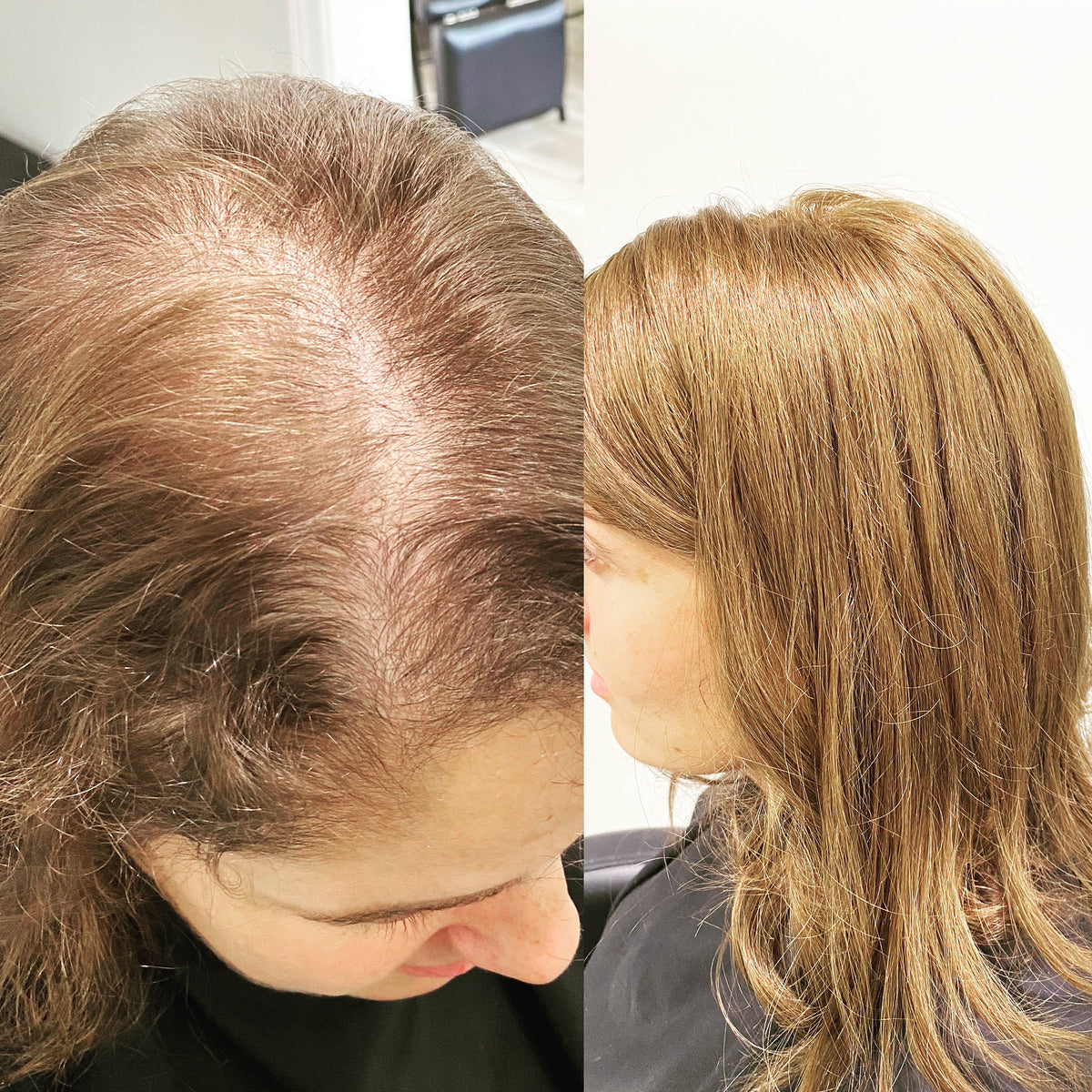
This side-by-side highlights Virgin hair uniformity versus subtle Remy hair variation, showing how aligned cuticles and single-donor sourcing influence finish and movement.
Clear Definitions: Virgin Hair vs. Remy Hair
Before comparing benefits, it helps to define both terms precisely so you can shop with confidence.
- Virgin hair: Collected from a single donor in the natural direction of growth. It receives only gentle processing to refine tone and maintain consistency. The cuticle remains intact and aligned from root to tip, preserving natural shine, softness, and resilience.
- Remy hair: Refers to hair with cuticles aligned in the same direction to reduce tangling and friction. Remy hair often comes from multiple donors, which can introduce slight variations in texture and color. Quality can vary by source and processing method.
Both Virgin and Remy can be real human hair and can look very natural, but they differ in sourcing, color consistency, and longevity. If you’ve ever compared two sets of extensions in the same shade and noticed one looks more uniform from root to tip, that consistency is often the hallmark of single-donor Virgin hair. Imagine preparing for a special event with extensions that not only look natural in every light but also resist tangling and retain their silkiness over time—that’s the experience high-quality Virgin hair aims to deliver.
What Is One-Donor Virgin Hair?
Collecting hair from one person (donor) is not a simple task in an industry where kilos of hair are shipped from many regions. The hair is gathered directly from the donor in the exact direction it grows and then carefully transported to factories for measured, gentle processing. Virgin European hair, sourced primarily from countries like China, India, Vietnam, and Russia, is particularly sought after for creating a wide range of blonde tones with uniform clarity and depth. Multi-donor hair cannot provide that same tonal consistency because it’s gathered from people with different pigments and prior hair histories, sometimes collected from combs, shower drains, and barbershop floors.
Virgin hair is notably resistant to matting and tangling compared to extensions coated with heavy silicones. With inferior products, once the silicone layer washes out during wear, the hair can quickly become rough and start to knot, especially at the ends. By contrast, one-donor Virgin hair maintains its integrity because the cuticle remains aligned, helping it lay smoothly and reducing friction between strands.
How Are Virgin Hair Extensions Colored?
Decolorizing virgin hair is a slow, controlled, and gentle process—no acid baths. An acid bath is exactly what it sounds like: hair is submerged in a vat of acid that rapidly strips pigment and can remove the cuticle, after which artificial color and heavy silicones are applied, often leaving hair with an artificial sheen and a plastic-like odor. By contrast, Virgin hair decolorization takes approximately 2 weeks to 1 month. The hair is placed in a mild solution, similar in strength to common soft drinks (and even less caustic), allowing pigment to lift gradually without destroying the protective cuticle. Once the desired lightness is reached, the gentle processing and toning steps begin, creating balanced, consistent color while helping preserve the strength and feel of the hair. This careful approach is designed to ensure the cuticle of the hair remains intact, which supports an exceptional customer experience over extended wear.

Should You Color Virgin Hair Extensions?
Have you ever thought about how the hair coloring process affects the longevity of extensions? The short answer to whether you should color Virgin extensions is “no,” especially if you’re considering bleach. Many people use the words “coloring” and “bleaching” interchangeably, but bleaching is a stripping process that can severely compromise extensions and lead to breakage, dryness, and a shortened lifespan.
It’s best to select extensions that already match your hair because today’s collections include a wide variety of dimensional tones, transitions, and blends for a near-perfect match. In some cases, using a semi-permanent hair dye may be appropriate to gently tone blonde extensions or to slightly deepen lighter (not blonde) extensions to a richer shade. This approach is far less aggressive than bleaching, and it helps protect the integrity of the cuticle so the hair continues to move and shine like your own.
What Are Remy Hair Extensions?
Remy hair refers to human hair with the cuticles aligned in the same direction from root to tip, which helps minimize tangling and friction. Remy can be sourced from multiple donors, so texture and color may vary slightly across batches, but the cuticle alignment is the defining feature. High-quality Remy hair can be an excellent choice when you want real human hair that looks natural, styles easily, and wears well with proper care. However, compared with single-donor Virgin hair, Remy may not always have the same uniform color from root through the ends, and its longevity can vary depending on the source and handling.
When you hold Virgin and Remy hair side by side, Virgin often feels especially supple, resilient, and naturally glossy. That’s because single-donor collection and gentle processing preserve the hair’s structure in a way that’s closer to how it grows from the scalp. Virgin hair is cut from one donor and kept aligned, so the strands behave cohesively and lay smoothly. This structure can contribute to a more seamless, natural blend and longer wear time. Since many extension methods are reusable, investing in high-quality Remy hair extensions at a fair price can still be worthwhile—particularly if your natural hair and color make Remy a good match for your needs.
Price Difference: Remy Hair vs. Virgin Hair
There is a price difference between Remy and Virgin hair that can vary from salon to salon. You should expect to pay between 10 to 20 percent more for Virgin hair. For many, this modest premium is justified by the benefits of purchasing Virgin hair—especially the refined look, consistent color match, and the potential for longer wear when cared for properly.
What Matters Most When Selecting Virgin Hair?
Over decades of working with extensions, one especially compelling reason to select Virgin hair is when your hair is light—ranging from dark blonde to the lightest blonde. These shades demand precision and uniformity to look believable from root to tip, and Virgin hair’s single-donor sourcing supports that consistency. Darker shades can also look beautiful in Virgin hair, but high-quality Remy hair often works well in deeper colors, from black to medium brown, because a slight increase in strand thickness can harmonize with naturally thick, dark hair. Still, when it comes to overall natural appearance, color stability, and potential longevity, many consider Virgin hair the top option because of its careful sourcing and minimal processing.
What do you look for when selecting the perfect hair extensions? Think about your target shade, whether you heat-style frequently, and how you prefer to maintain your hair. Imagine you’re headed to a milestone celebration: would you feel more confident with extensions that stay sleek, resist tangling through the evening, and maintain consistent color under bright lights? Those small details often distinguish a good set from a great one.

Balayage extensions can be crafted with Remy hair or Virgin hair; choose based on shade precision, maintenance preferences, and your goals for longevity.
Quality Indicators to Consider Before You Buy
To make an informed decision, evaluate extensions the same way a professional would. These quality markers can help you distinguish a premium set from an average one:
- Cuticle integrity: Intact, aligned cuticles reduce friction, improve shine, and help prevent matting.
- Texture: Look for a natural hand-feel—soft, resilient, and not overly slippery or coated.
- Color consistency: Uniform shade from root to end indicates better sourcing and processing, especially in lighter tones.
- Density from root to tip: Even fullness suggests careful selection; thin, scraggly ends can be a sign of over-processing.
- Styling response: High-quality hair holds curl or smooths out with minimal frizz and returns to a soft, natural state after washing.
- Ethical sourcing: Transparent practices and respect for donors matter to many buyers and can correlate with better-quality collection.
Russian Slavic Hair
Russian hair extensions are frequently regarded as a gold standard in the extensions space. Ethically sourced Slavic hair is known for being supple, long-lasting, and durable when cared for correctly. This hair typically undergoes measured chemical refinement to offer a broad spectrum of colors and textures while aiming to preserve the cuticle. Veila Hair focuses on reusable extensions designed to last over one year with proper maintenance. In contrast, the market also contains lower-grade hair where cuticles are misaligned or stripped. While that hair is still technically human, it tends to matte quickly and can be difficult to brush smoothly once any artificial coating wears away. Some mixed-fiber products even include strands of synthetic hair to cut costs, which can impact heat-styling performance and feel.
Slavic ponytail extensions are available in Remy hair and Virgin hair varieties, valued for natural movement, subtle texture, and durability when properly maintained.
Extensions Application: Remy vs. Virgin Hair in Real Life
The method of applying hair extensions matters as much as the hair itself. Sourcing hair extensions from well-known brands with options like tape-in extensions can get you close to the natural look you’re after, but every method has trade-offs. Tape-ins and clip-ins can create added tension at the scalp, and when your hair grows quickly, maintenance appointments can become more frequent and time-consuming. If not managed properly, that tension can also stress your natural hair.
At Noelle Salon, your natural hair health and styling goals guide the method choice, whether you opt for 100% Remy human hair or Virgin human hair. If you’re seeking full-head coverage and lengths over 24 inches, both hair types can work well. For comfort, security, and ease of maintenance, the pull-thru method using silicone-covered microbeads—a specialty of Veila Hair Extensions—can deliver exceptional results with seamless blending and flexible styling. Picture a long weekend trip where your hair needs to withstand humidity, frequent styling changes, and long days: choosing the right hair type and application method helps your style remain polished from start to finish.
Side-by-Side: Differences Between Remy and Virgin Hair
To simplify your selection, here’s a clear comparison of key factors:
-
- Virgin hair: Single donor, collected in natural direction.
- Remy hair: Cuticles aligned; typically sourced from multiple donors.
- Cuticle state
- Virgin hair: Intact and aligned from root to tip.
- Remy hair: Intact and aligned; integrity may vary by batch.
- Color uniformity
- Virgin hair: Noted for consistent tone throughout the bundle.
- Remy hair: May show slight shade variations across lengths and batches.
- Longevity potential
- Virgin hair: Often wears longer due to single-donor consistency and gentle processing.
- Remy hair: Durable with proper care; longevity varies by quality and source.
- Price expectations
- Virgin hair: Generally carries a 10–20% premium.
- Remy hair: Typically more affordable for similar lengths and densities.
- Best use cases
- Virgin hair: Precision color matches, especially in blonde ranges; maximum realism and continuity.
- Remy hair: Great everyday choice for darker shades and budget-conscious versatility.
When it comes to hair quality, Remy hair is preferred by many consumers seeking long-lasting and beautiful extensions. Choosing Remy hair means selecting a product that looks great and stands the test of time with good maintenance, providing versatile styling with a smoother feel and lower tangle potential than non-Remy.
Is Remy Hair Ethically Sourced?
The ethics of sourcing matters to a growing number of shoppers. While “Remy” describes how hair is aligned and processed, it does not automatically guarantee ethical collection. However, reputable brands make sourcing a priority, acquiring hair from individuals who willingly provide it—often through organized channels such as temples or salons—while respecting cultural practices and ensuring transparent handling.
How important is ethical sourcing to you when selecting hair extensions? Ethical practices can contribute to consistent quality by fostering better collection conditions and traceable handling. For many, aligning beauty choices with values around sustainability and fair practices is just as important as achieving a realistic look. When evaluating Remy hair, consider the brand’s stated approach to sourcing and processing so you can enjoy high-quality hair that also reflects responsible standards.
Best Hair for Wigs
When selecting hair for wigs, human hair reigns supreme, particularly 100% Remy hair for its balance of realism, durability, and styling flexibility. Remy hair wigs can be heat-styled, curled, smoothed, or toned within reasonable limits, and they retain softness and luster with proper care. The presence of aligned cuticles supports tangle resistance and contributes to a more natural flow, making Remy a favorite among those seeking a lifelike appearance.
Beyond the term Remy, pay attention to the overall construction and quality hair used in the wig. Wigs crafted with intact, aligned cuticles tend to resist frizz, maintain their finish after washing, and hold shape more predictably. Investing in quality materials and dependable processing can pay off with a wig that looks natural from sunrise to evening, whether for everyday wear or a special occasion. If you’ve ever struggled with a wig that dulled quickly or tangled after a few uses, upgrading to a thoughtfully made human hair wig can transform your experience and confidence.
Virgin Hair Coloring Methods: Why Gentler Is Better
Let’s revisit coloring Virgin hair to clarify why slower, more delicate methods are preferred. Strong, rapid decolorization can strip away the protective cuticle, leaving hair brittle and dull. By contrast, the gradual Virgin approach lifts pigment over time, allowing the cuticle to stay intact. As a result, the final tone appears more believable, and the strands feel smoother and stronger to the touch. Have you ever considered how a harsh process might shorten the life of your extensions, even if they look good at first? That’s why minimal, measured processing is so important for premium results.
- Slow lift protects the cuticle and preserves softness.
- Balanced toning enhances shade without over-processing.
- Maintaining cuticle alignment supports long-term manageability.
This is also why choosing a set that closely matches your hair at purchase is ideal: the less chemical adjustment required later, the better your extensions may perform over months of wear.
Final Thoughts and Next Steps
Understanding the difference between Virgin hair and Remy hair helps you make more confident choices. Virgin hair is collected from a single donor and gently processed for color consistency while preserving the cuticle, offering a very natural look and the potential for extended wear—especially in blonde ranges. Remy hair, with cuticles aligned to reduce tangling, is a strong, versatile option that often performs beautifully in darker shades and can be a smart buy when balancing quality and cost. Explore textures, assess ethical sourcing, and match the application method to your daily routine for the best results.
Ready to find your ideal match? You can book a free hair extension consultation to explore the best options for your hair, lifestyle, and goals.


