



Top Hair Extension Picks for Thinning Hair
If you’re experiencing hair loss, hair extensions in Boston can feel like a doorway back to the hair you remember—and the confidence that came with it. Thinning hair often brings a mix of emotions: frustration when styling becomes difficult, self-consciousness in social settings, or anxiety about changing appearance. In moments like these, exploring hair extensions can be reassuring because the right method can restore fullness, enhance your style, and support your sense of self. In this guide, we’ll explore how extensions help with female pattern baldness and other types of thinning, which options are safest, and how to maintain hair health while enjoying a fuller look. As you read, ask yourself: What kind of coverage do I need, and how do I want my hair to make me feel day to day?

The Benefits of Hair Extensions for Hair Loss
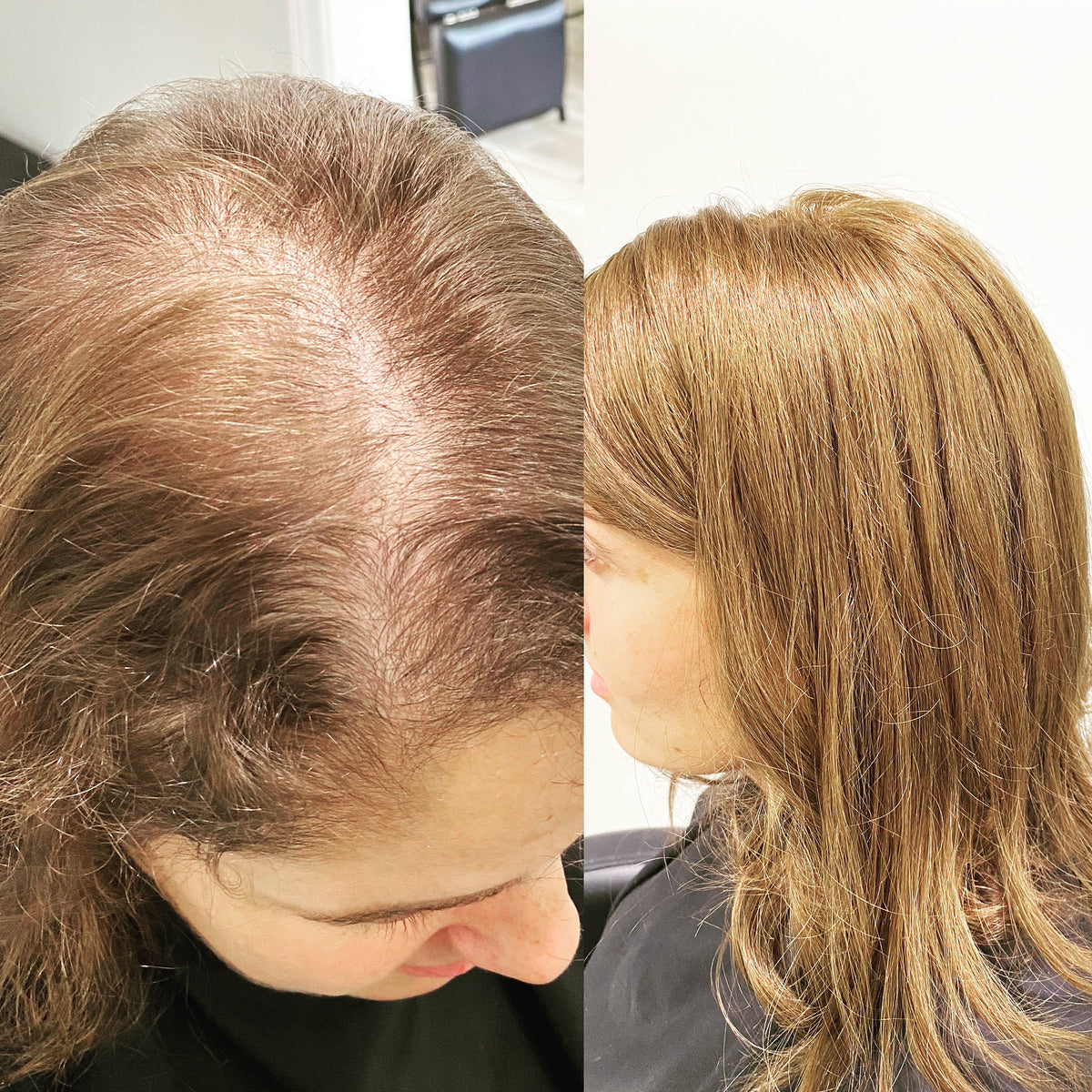
Across decades of salon experience focused on hair loss and traditional hair extensions, one question comes up again and again: Which hair extensions are best for thinning hair and female pattern baldness? Extensions can play a meaningful role because, when chosen carefully and applied by a knowledgeable stylist, they blend with natural strands to build believable volume where you need it most. Strategically placed hair can disguise sparse zones, reduce scalp show-through, and create the appearance of thicker density. With modern techniques, there are solutions designed to sit beneath the top layer, which helps preserve a natural-looking part and crown while adding fullness through the mid-lengths and ends. As you consider options, reflect: Do you want targeted thickness at the sides and back, or do you also need a plan for the crown?
Extensions aren’t one-size-fits-all. Some methods excel at adding length; others are designed for density and gentle wear. The key is a customized plan that respects your current density, lifestyle, and scalp sensitivity. Women with female pattern baldness often need a combination approach that lightens tension, supports hair health, and visually evens out the silhouette. Have you noticed your hairline widening or your part looking more visible? If so, subtle density placements under the top layer may be the most natural-looking starting point.

How to Choose the Best Extensions for Thinning Hair
From tape-in human hair extensions for light thinning to clip-ins for occasional fullness, each category serves a different styling goal. A seasoned stylist with experience in both hair loss and extensions can help determine which approach suits your hair’s density patterns and daily routine. High-quality human hair usually gives the most realistic movement and longevity. If your hair is very fine, even small differences in weight and placement can make a big impact on comfort and appearance. Consider your habits: Do you wear your hair up frequently? Do you heat style often? How frequently can you commit to maintenance? Answering these questions leads to a better, more personalized outcome.
Once applied, consistent maintenance keeps your extensions—and your own hair—at their best. Scheduled appointments for adjustments and checks are vital because they prevent shifting, matting, and unnecessary tension on fragile strands. Think of it as routine tune-ups for your style. Day to day, be gentle with detangling, use heat mindfully, and follow product guidance from your stylist to protect the hair’s cuticle. The aim isn’t just fullness today; it’s preserving the long-term integrity of your natural hair while enjoying styling freedom. Ask yourself: What small changes in my care routine could make my extensions last longer and keep my hair healthier?
Types of Hair Loss Extensions Can Help
Hair loss can stem from many causes, and understanding the “why” helps shape the right solution. Autoimmune conditions such as alopecia areata and health concerns like lupus can result in patchy loss or diffuse thinning when the immune system disrupts hair follicles or when inflammation on the skin impairs growth. Hormonal imbalances, medication side effects, and scalp infections may also contribute to shedding or reduced density. While some situations respond positively to early medical intervention, regrowth can be gradual and unpredictable—which is where cosmetic strategies, including extensions and toppers, provide immediate aesthetic support. Extensions alone don’t treat medical causes; instead, they complement a broader plan that can include medical care, gentle styling, and scalp-friendly habits.

Minimum Hair Length for Extensions (and When to Use a Topper)
Extensions do not camouflage loss at the very top without sufficient coverage length; typically, four to five inches of your own hair at the top and crown are needed to hide attachment points. In these cases, a hair topper—also called a human hair topper or hair system—often becomes the best choice. You can pair a topper with extensions installed underneath to add both coverage and length through the rest of the head. This combination, sometimes described as fusion between a topper and extensions, can be far more comfortable than a full wig and offers a natural look once the topper is secured with a gentle, non-damaging method. Before committing, consider: Do you primarily need crown coverage, overall fullness, or a balance of both?
Do Hair Extensions Damage Your Hair?
The priority is always the health of your natural hair. Knowing your type of hair loss—whether it’s female pattern baldness, traction-related thinning, alopecia areata, or trichotillomania—guides the safest methods and weight limits. Many people are concerned about tension and heavy attachments, and with good reason: tight styles and heavy installations may lead to traction alopecia if worn repeatedly. That’s why gentle, low-tension, and appropriately weighted options are recommended for delicate hair. If you have short-term conditions like trichotillomania or you’re in a recovery period after shedding, minimizing stress on follicles is essential. These considerations inspired the development of Veila Pull-Thru Hair Extensions, designed to reduce weight concentration and avoid adhesives, sewing, or excessive tension. Ask yourself: When has my scalp felt most comfortable, and which styling patterns irritated it in the past?
Do Veila Pull-Thru Extensions Damage Natural Hair?
Veila Pull-Thru Hair Extensions are designed to be customizable and lighter than heavy hand-tied tracks or traditional weaves. They come in two sizes to accommodate different density zones. Each 50-gram pack includes (3) 2.75-inch pieces and (4) 1.25-inch pieces. The larger pieces are reserved for areas with greater follicle density, typically through the mid-back of the head, while smaller sections are placed under the occipital bone, near the crown, or at the sides—areas where hair is often finer. This helps achieve a seamless blend without concentrating too much weight in any single spot, supporting comfort and reducing the risk of damage. Consider: Where is your hair naturally strongest, and where does it feel most delicate?
What Makes Veila Pull-Thru Extensions Different?
The application skips glue, tape, and sewing. Instead, your hair is gently pulled through the extension base and secured with a protective silicone bead. Because the bead sits under the extension and the pieces are placed away from the scalp, they hang freely and remain virtually tension-free in daily wear. This spacing helps reduce irritation, snagging, and pressure on sensitive follicles—important factors for anyone with thinning hair.
Removal is also designed to be simple and considerate of hair health. The stylist opens the bead, glides the piece out, and gently brushes away the small, normal daily shed that would occur regardless of extensions. Since the method avoids rigid attachment and excess tension, you won’t experience the heavy shedding that can happen when tracks or bonds are placed too tight or too close to the scalp. Natural hair sheds daily as part of a normal growth cycle; the goal is ensuring extensions don’t add to that amount by creating stress points. Clients with dense hair may enjoy more flexibility in methods, but hair loss requires a more conservative, health-first approach.
Developed in-salon and refined through client feedback, this method has grown in popularity, and training for other salons has expanded as stylists seek comfortable, low-tension alternatives for their clients. If you’re new to extensions, ask your stylist to walk you through a test placement to experience how the pieces feel on your head before committing to a full application.
Can You Apply Pull-Thru Extensions at Home?
For the best results, it’s advisable to work with a stylist who understands hair loss patterns and scalp sensitivity. Thoughtful placement matters: fewer, lighter pieces in the right locations often outperform more hair placed indiscriminately. That said, individuals experienced with extensions and hair color sometimes manage at-home applications. If you go that route, proceed cautiously, work in good lighting, and evaluate tension carefully as you go. Consider documenting your density map (where your hair is strongest or finer) and using that as your guide to avoid overloading delicate spots.
Hair Extension Methods to Avoid with Thin Hair
Certain extension techniques can be too heavy or high-tension for thin or fragile hair. When the weight of added hair is concentrated on small, stressed points, it may cause breakage or increased shedding. Bonded applications that rely on heat can weaken delicate strands; tightly braided installations that anchor tracks can create persistent pull on the follicle. If your scalp feels sore, itchy, or irritated after an install, that’s a red flag. For those with female pattern baldness, a gentler approach that minimizes traction usually yields the most comfortable, sustainable results.
Bonded, Micro/Nano Ring, and Weave Extensions: Risks for Thin Hair
Bonded methods often use heat or adhesive to secure extensions—an approach that can be harsh on already compromised hair. Micro and nano ring extensions can work beautifully for dense hair types; however, on thin hair they may look sparse between attachments or feel tight, leading to discomfort. Traditional weaves require braids that tug on the scalp, which can contribute to traction alopecia over time. Lightweight, tension-aware systems typically serve thinning hair better. Before choosing, ask yourself: How does my scalp respond to pressure, and what has felt comfortable or uncomfortable in the past?
Understanding Female Pattern Baldness and Hair Extension Solutions
Female pattern baldness often presents as diffuse thinning at the crown and along the part. Extensions can help by amplifying mid-length density and balancing the shape so the eye is drawn to healthy-looking body rather than scalp show-through. For many, the most natural look blends a topper at the crown with subtle, low-weight extensions beneath to harmonize thickness throughout. If your part has widened, consider whether you need a topper for coverage; if your concern is primarily the sides and back, targeted extension placement may be enough. Ask: When I look at my hair from the front, side, and back, where do I wish for just a bit more fullness?
Selection Checklist: Choosing Extensions for Thinning Hair
- Comfort first: Choose low-tension, lightweight pieces designed for delicate hair.
- Coverage plan: Decide whether you need a topper, extensions, or a combination.
- Quality hair: Opt for real human hair for believable movement and longevity.
- Customization: Use different piece sizes for dense versus delicate areas.
- Maintenance fit: Align the method with how often you can visit for adjustments.
- Styling habits: Consider heat usage, updos, and daily wear when selecting a method.
- Scalp sensitivity: Favor methods placed slightly off the scalp to minimize pressure.
- Gradual approach: Start conservatively; you can add more hair if needed.
Daily Habits for Long-Term Hair and Extension Health
Healthy habits make a difference. Sleep on a smooth pillowcase to reduce friction. Secure hair loosely before bed to prevent tangles. Detangle before showering so water doesn’t tighten knots. Be mindful with elastics—opt for soft scrunchies or fabric ties. Space out high-heat styling and always use heat protectant. Small, consistent choices guard both your extensions and your natural hair.
Styling Tips for a Natural Look with Extensions
For the most believable finish, blend layers softly so your hair and the extensions move as one. Use a round brush or gentle heat to polish ends and reduce separation. A light root lift at the crown can offset scalp visibility, while face-framing pieces add softness. Avoid heavy products that weigh hair down or cause clumping; instead, choose lightweight mists and serums used sparingly on mid-lengths and ends. Before you style, ask: What’s my goal today—polish, texture, or soft volume?
Heat Styling and Finishing Techniques for Extensions
Keep direct heat away from attachment sites, and use moderate temperatures. When curling, alternate directions for a natural pattern; when straightening, pass quickly and avoid flattening volume at the roots. A touch of texturizing spray at the mid-lengths adds airy body without heavy buildup. Finish with a flexible-hold product rather than a stiff spray to allow hair to move freely.
FAQs: Hair Extensions for Hair Loss
Can extensions make female pattern baldness less noticeable?
Yes. Extensions can add density through the mid-lengths and ends, which draws attention away from a widening part or thinner crown. For crown coverage specifically, many individuals pair extensions with a topper.
Are extensions safe if my hair is very fine or fragile?
With the right method and conservative placement, extensions can be worn safely on fine hair. Low-tension systems and lighter pieces reduce stress on follicles. Comfort should be your guide—if anything feels tight or sore, adjustments are needed.
Will extensions stop my hair from growing?
No. Extensions sit on existing hair and do not halt growth. Proper maintenance and gentle care help ensure your natural hair remains healthy while it continues its normal cycle.
How do I wash extensions without causing tangles?
Detangle before washing, cleanse the scalp gently, and let shampoo flow down the lengths. Condition mid-lengths to ends, then pat dry and carefully detangle from ends upward.
Can I work out or swim with extensions?
Yes, with care. Before workouts, secure hair in a loose braid or low pony to minimize friction. After swimming, rinse promptly and detangle gently to remove salt or chlorine residue.
What if my hair is shorter than four inches on top?
When top coverage is limited, a topper often provides the most natural result. You can add extensions beneath to balance length and density across the rest of your hair.
How often should I schedule maintenance?
Follow the interval recommended by your stylist based on your hair growth, density, and daily routine. Regular check-ins help maintain comfort and appearance.
Conclusion: Reclaim Volume, Comfort, and Confidence
Thinning hair and hair loss require a thoughtful, customized approach—especially when choosing hair extensions. The right method, placement, and weight can restore natural-looking volume while protecting fragile strands and supporting long-term hair health. Whether you need subtle density through the sides and back or a combination of a topper and extensions for crown coverage, personalization is key to achieving a seamless, comfortable result.
For hair extensions Boston clients trust for thinning hair and hair loss, experience and precision make all the difference. Book a free hair extensions consultation to have your hair and scalp evaluated, explore the safest options for your density pattern, and create a plan designed around your lifestyle, comfort, and confidence.


