



GLP-1 Weight Loss Medications and Hair Loss: What I’ve Learned After 30 Years

Over the past year, GLP-1 weight loss medications have surged in popularity—and right alongside them, so has fear. One of the most common questions I hear from clients is, “Is this medication causing my hair to fall out?” If you’re searching for answers about hair loss Boston, you’re not alone in feeling confused by the mixed messages online.
After more than 30 years of hands-on experience working with hair loss, thinning hair, and restoration, I’ve seen how quickly misinformation can spread—especially when it comes to new medications and visible changes like shedding. As the owner of Noelle Salon in the Boston area, I’ve worked with thousands of clients navigating hair changes related to stress, hormonal shifts, medical weight loss, and metabolic changes. What I’m seeing in real clients, in real time, does not match the level of panic being fueled online.
GLP-1 medications are not destroying hair follicles—but understanding what’s actually happening in the body is key to managing and supporting your hair through the process.
What Are GLP-1 Weight Loss Medications?
GLP-1 receptor agonists are medications originally developed to support blood sugar regulation and metabolic health. Today, they are also widely prescribed for medical weight loss.
These medications work by slowing digestion, reducing appetite, and helping people feel full longer, which naturally leads to reduced calorie intake and weight loss. Semaglutide is one form of a GLP-1 medication, but it’s important to understand that hair loss concerns relate to GLP-1–assisted weight loss as a category, not to one specific brand name.
Do GLP-1 Medications or Semaglutide Cause Hair Loss?
No—and this is where misinformation creates unnecessary fear.
There is no clinical evidence showing that GLP-1 medications directly damage hair follicles or permanently stop hair growth. However, rapid or significant weight loss can place stress on the body, and hair follicles are extremely sensitive to internal stress, hormonal shifts, and nutritional changes.
This is why the phrase “GLP-1 hair loss” is often misunderstood. In most cases, what people are experiencing is weight loss–related hair shedding, not medication-induced follicle damage.
What I’m Seeing Firsthand After 30 Years in Hair Loss
In my experience, when hair shedding occurs during GLP-1 weight loss, it almost always follows clear patterns I’ve seen repeatedly throughout my career. Increased shedding is commonly associated with:
-
Rapid or significant weight loss in a short period of time
-
Low protein intake due to appetite suppression
-
Calorie restriction leading to vitamin or mineral deficiencies
-
Pre-existing hair thinning or genetic hair loss
-
A history of bariatric surgery or metabolic stress
When these factors are present, the most common diagnosis is telogen effluvium, a temporary form of stress-related hair shedding.
Telogen Effluvium: Temporary, Not Permanent Hair Loss

Telogen effluvium occurs when a larger number of hairs than normal enter the resting phase of the hair growth cycle due to internal stress.
This type of hair loss is temporary, not permanent. The hair follicles remain alive and capable of producing new hair once the body stabilizes.
In most cases:
-
Shedding begins about 3–6 months after rapid weight loss
-
Hair density improves once weight, nutrition, and protein intake stabilize
-
Regrowth is expected and very possible within 6–12 months
Much of the fear online comes from confusing temporary shedding with permanent hair loss—and those are two very different conditions.
Why the Online Narrative Around GLP-1 Hair Loss Has Gone Too Far
Social media rewards extreme statements. “This medication made my hair fall out” spreads far faster than “my body responded to rapid weight loss.”
While people’s experiences are real, the cause is often misunderstood. Blaming GLP-1 medications alone ignores the bigger picture: nutrition, metabolism, stress levels, and existing hair health.
Protein, Nutrition, and Hair Health Matter More Than Ever
Hair loss during weight loss is not new. Long before GLP-1 medications existed, rapid weight loss was known to disrupt the hair growth cycle if the body was not adequately nourished.
If you are using a GLP-1 medication, protecting your hair starts internally:
-
Prioritize adequate daily protein intake
-
Support key nutrients such as iron, B vitamins, and vitamin D
-
Avoid extreme or crash-style weight loss when possible
-
Stay under medical supervision during your weight loss journey
These steps significantly reduce shedding and support healthy regrowth.
Restoring Hair and Confidence While Your Body Recovers

Even when shedding happens, you are not without options.
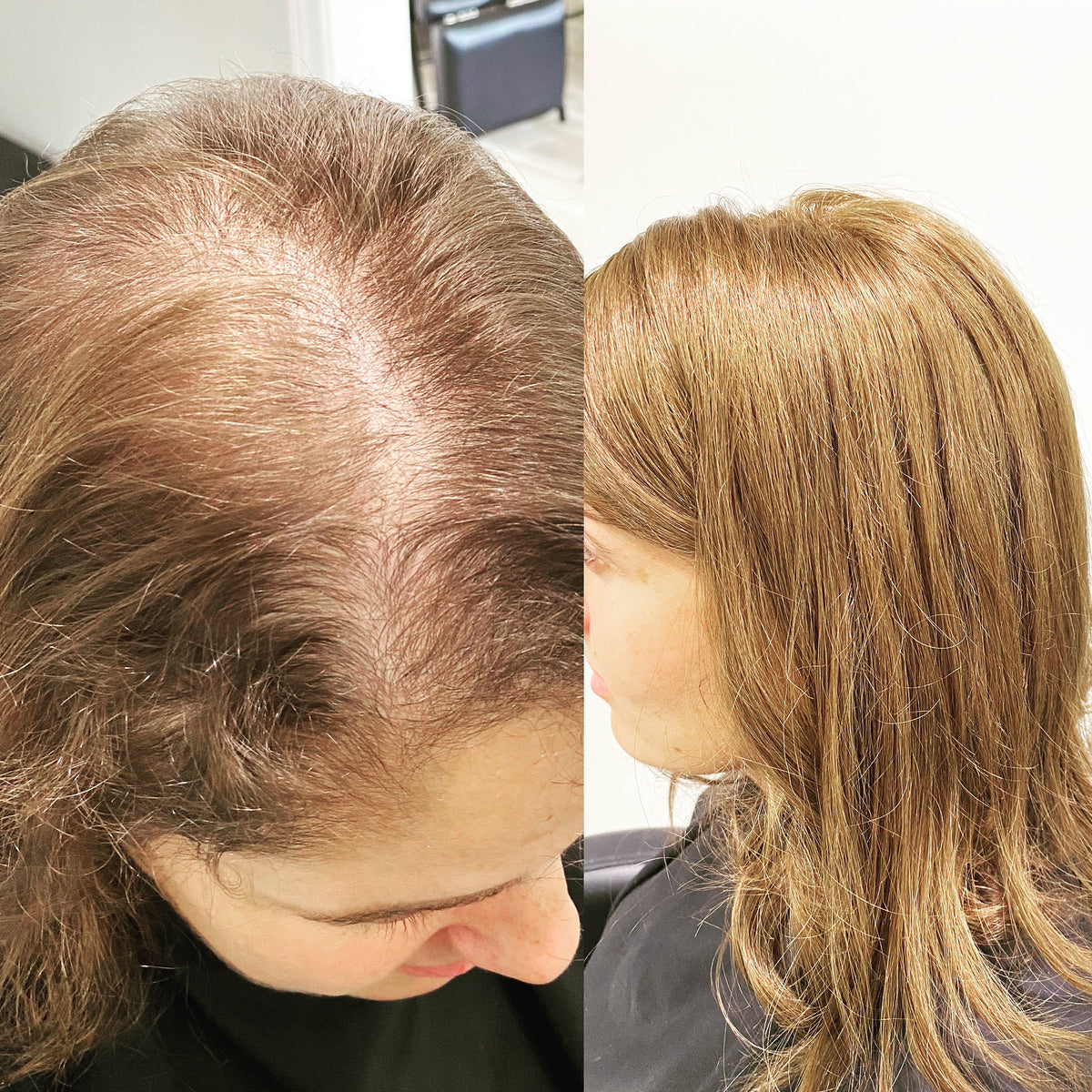
After decades of helping people through hair loss at every stage, I can say this confidently: hair density and confidence can be restored—sometimes at the same time.
Through customized hair restoration solutions, density enhancements, and aesthetic support, we help clients feel like themselves again while their natural hair cycle stabilizes.
My Professional Takeaway
After 30 years in this industry, here’s the truth: GLP-1 medications, including semaglutide, are not inherently causing people to lose their hair. Hair shedding is most often a temporary response to rapid weight loss, nutritional changes, or pre-existing hair conditions.
Fear-based messaging doesn’t empower people—education does.
If you’re experiencing hair changes during weight loss, the answer isn’t panic. It’s proper nutritional support, realistic expectations, and expert guidance.
Your health goals, your hair, and your confidence can absolutely coexist. If you’re experiencing hair changes during weight loss, a hair loss consultation can help determine what’s temporary and what can be supported aesthetically.
Frequently Asked Questions About GLP-1 and Hair Loss
Can GLP-1 medications cause permanent hair loss?
In most cases, no. Hair shedding associated with GLP-1–assisted weight loss is typically temporary and related to telogen effluvium rather than permanent damage to hair follicles.
When does hair loss from GLP-1 weight loss usually start?
Shedding often begins 3–6 months after rapid or significant weight loss, which is consistent with how the hair growth cycle responds to internal stress.
Will hair grow back after GLP-1–related shedding?
Yes. Once weight stabilizes and nutritional intake improves, hair regrowth is expected for most individuals.
Who is more at risk for noticeable hair shedding?
People with pre-existing hair thinning, low protein intake, nutrient deficiencies, or a history of bariatric surgery may notice shedding more easily during weight loss.
How can hair loss during GLP-1 weight loss be supported?
Adequate protein intake, balanced nutrition, medical oversight, and professional hair restoration support can significantly improve outcomes.
Is it safe to continue GLP-1 medications if I notice hair shedding?
In many cases, yes. Hair shedding is often a temporary response to weight loss rather than the medication itself. Any concerns should be discussed with a prescribing medical provider while supporting hair health through nutrition and professional guidance.


