

Best Hair Extensions for Natural Textured Hair: What to Choose for Healthy, Seamless Results

Choosing the right hair extensions for natural textured hair is not just about length or volume—it’s about protecting your hair while achieving a natural blend. The wrong method can create tension, dryness, or breakage, especially for curly, coily, or fragile hair types.
Many clients searching for hair extensions Boston options with textured hair are looking for extensions that feel comfortable, blend naturally, and support long-term hair health. The key is selecting a method that works with your hair—not against it.
What Matters Most for Natural Hair
Textured hair requires a different approach than straight or dense hair types. The focus should always be:
- Minimizing tension on the hair follicle
- Allowing access to the scalp for moisture and care
- Matching curl pattern and density
- Maintaining flexibility for styling and maintenance
Ignoring these factors is where most damage occurs.

Best Hair Extension Methods for Natural Textured Hair
Low-Tension, Flexible Methods
Some extension methods are better suited for textured hair because they reduce stress on the scalp and allow for easier maintenance.
- Pull-thru or hybrid methods – Allow targeted placement with less tension and easier repositioning
- Custom strand or micro methods – Work well for filling in specific areas without adding bulk
These approaches are ideal for clients with fragile hair or varying density.
Methods That Require Caution
Other methods can work, but only when applied carefully and on strong, healthy hair:
- Hand-tied wefts – Can create weight and tension if not customized properly
- Sew-in weaves – May place stress on the scalp due to braiding and weight
These are not always the best option for clients with thinning or sensitive areas.
How to Match Texture for a Natural Blend
Texture matching is one of the biggest challenges with curly and coily hair.
- Choose extensions that mimic your natural curl pattern
- Avoid overly silky or coated hair
- Expect to style and blend for the best result
- Consider slightly looser textures for easier blending
A perfect blend often comes from both the hair quality and how it is styled—not just the extension itself.
Can You Chemically Treat or Style Extensions?
Chemical processing, such as perming or relaxing extensions, is not recommended in most cases.
- Perming can weaken and shorten the lifespan of extensions
- Chemical straightening can damage both extensions and natural hair
- Heat styling (blow-drying or flat ironing) is a safer alternative when done with care
Choosing the right texture from the start reduces the need for chemical adjustments.
How to Keep Textured Hair Extensions Healthy
Maintaining moisture is essential for textured hair and extensions.
- Use lightweight, hydrating leave-in products
- Avoid heavy buildup near attachment points
- Deep condition regularly
- Detangle gently using fingers or wide-tooth combs
Consistency in care helps maintain softness, definition, and longevity.

Conclusion: Choose the Right Method for Long-Term Hair Health
The best hair extensions for natural textured hair are the ones that protect your hair while creating a natural, seamless blend. Choosing the right method, matching the correct texture, and maintaining proper care are what determine long-term success.
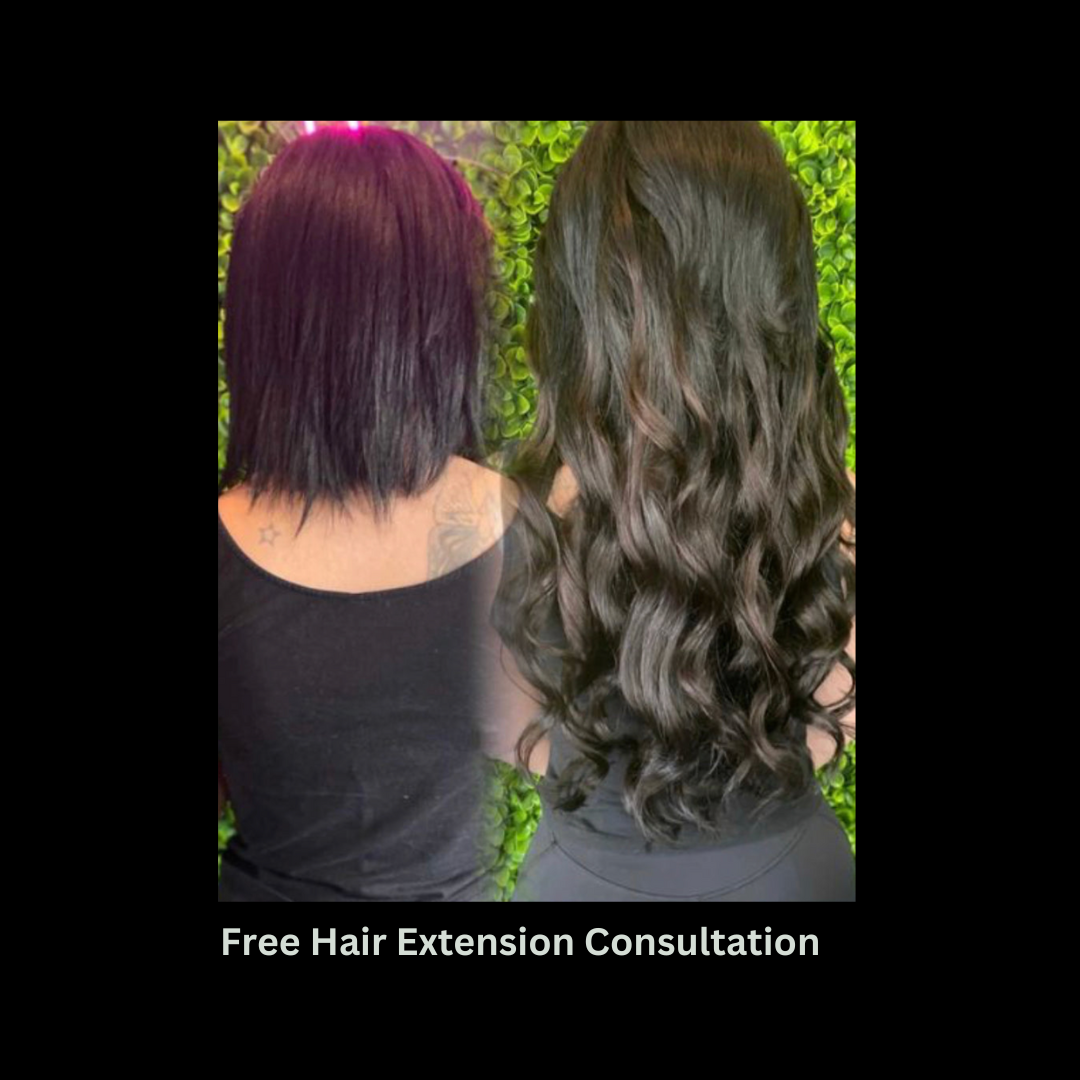
For hair extensions Boston clients trust for textured hair, fine hair, and customized solutions, expert guidance makes all the difference. Book a free hair extensions consultation to evaluate your hair, explore the best options, and create a plan that supports both your style and your hair health.


