

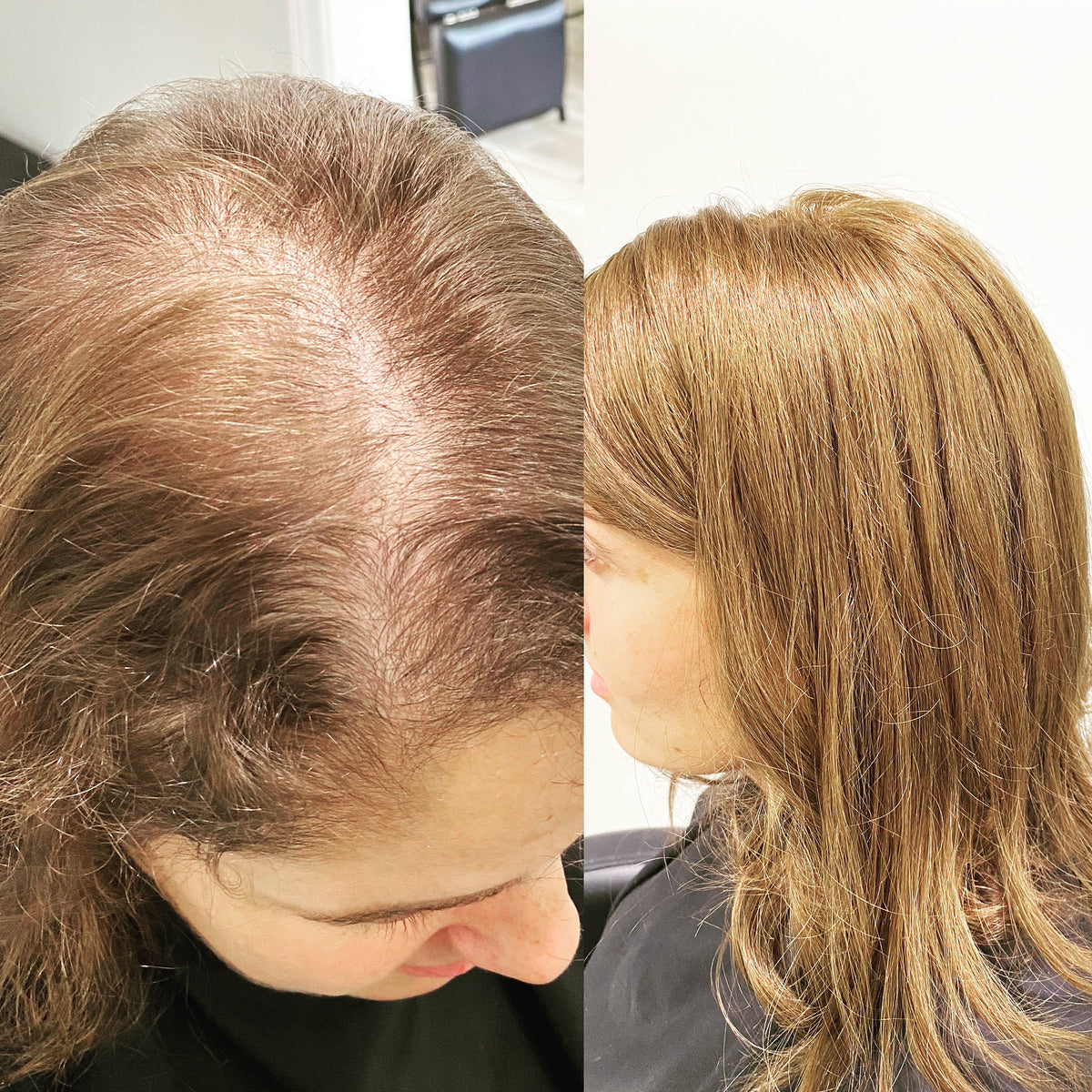


Tape Hair Extensions vs Pull-Thru Hair Extensions: Which Is Best for You?

As new hair extension methods continue to evolve, choosing the right one can feel overwhelming. Tape-in extensions have grown in popularity over the past decade, while newer methods like pull-thru extensions offer a different approach focused on flexibility and reduced tension.
For clients searching for hair extensions Boston, understanding the differences between these two methods can help you choose the best option for your hair type, lifestyle, and long-term maintenance.
Tape Hair Extensions
Tape-in extensions are applied by sandwiching a thin section of natural hair between two adhesive strips. They are available in a variety of lengths and colors and are known for their relatively quick installation process.
As your hair grows, the extensions must be removed, retaped, and reapplied every 6 to 8 weeks. While the initial application is straightforward, the removal process can be more delicate. An alcohol-based solution is used to break down the adhesive, but if not done carefully, it can lead to pulling or stress on the hair.
Tape residue can also be difficult to fully remove, and any leftover adhesive may cause tangling or breakage over time. In addition, blending tape extensions in fine or low-density hair can be challenging, especially around the sides and crown.
Pull-Thru Hair Extensions
Pull-thru hair extensions offer a lightweight alternative that does not rely on glue or tape. This method uses small, customizable sections that are attached using silicone-lined micro links, allowing the extensions to sit slightly away from the scalp.
Because the pieces vary in size, they can be strategically placed based on hair density—smaller sections in finer areas and larger sections where the hair is thicker. This helps create a more balanced and natural result without adding unnecessary tension.
Maintenance is typically quicker, as the extensions can be moved up or removed more easily. With no adhesive involved, there is less residue and a more straightforward reapplication process.
Key Differences Between Tape and Pull-Thru Extensions
Tape-in extensions rely on adhesive and are applied in flat sections, while pull-thru extensions use micro links and customizable placement. Tape extensions may feel flatter against the scalp but can be harder to remove and maintain over time.
Pull-thru extensions offer more flexibility, especially for clients with fine or uneven hair density, and are often easier to adjust during maintenance appointments.
Hair Quality Matters
Regardless of the method, the quality of the hair plays a major role in how the extensions perform. High-quality options such as Remy or virgin hair help ensure a smoother texture, less tangling, and longer-lasting results.
Remy hair maintains aligned cuticles for a more natural appearance, while virgin hair—typically sourced from a single donor—offers the most consistency in texture and durability.
Choosing the Right Method for Your Hair
The best extension method depends on your natural hair density, length, and lifestyle. If you frequently wear your hair up or have finer hair, placement and method choice become especially important to ensure the extensions remain hidden and comfortable.
A consultation with an experienced stylist can help determine the best approach based on your goals and how much maintenance you’re willing to commit to.
Conclusion: Tape vs Pull-Thru Hair Extensions
Both tape-in and pull-thru hair extensions can create beautiful results when applied correctly. The right choice comes down to your hair type, comfort level, and maintenance preferences.
If you’re considering hair extensions Boston and want to find the best method for your hair, a consultation can help you compare options and choose the most effective solution.
👉 Book a free hair extensions consultation to determine the best method for your hair and lifestyle.


