


How to Dye a Wig Without Damaging the Fibers?
Have you ever ordered the perfect wig, only to realize the color looks completely different in person? Or maybe your favorite wig has started to fade, and you’re wondering if it can be refreshed without ruining it.
Dyeing a wig can feel intimidating—especially when you’re unsure what products are safe or how different fibers will react. One wrong step can lead to dryness, uneven color, or permanent damage.
The good news is that wigs can be safely toned or refreshed—but it requires the right approach.
The most important factor is understanding the difference between human hair wigs and synthetic fibers. Human hair wigs can be colored with professional techniques similar to natural hair, while most synthetic wigs cannot be traditionally dyed and require specialized methods or color-safe alternatives.
In the world of hair loss Boston, wig customization isn’t just about changing color—it’s about preserving the quality, softness, and natural appearance of the hair so it continues to look realistic and feel comfortable.
In this guide, we’ll walk you through what’s safe, what to avoid, and when it’s best to have your wig professionally customized to protect your investment.
How to Dye a Synthetic Wig: Step-by-Step Guide

Now that you know it’s possible, let’s go through exactly how to dye a synthetic wig safely and effectively. The process isn’t difficult, but it does require patience and the right setup. Whether you’re experimenting with a fun new color or reviving an old wig, these steps will help you get salon-worthy results right at home.
Step 1: Gather Your Supplies
Before you start, make sure you have everything ready. Having your tools in place helps avoid a mess mid-process. Here’s what you’ll need:
-
A dye-safe synthetic wig (heat-resistant or labeled as dyeable)
-
Acrylic ink, fabric dye, or synthetic wig dye (never regular hair dye for wigs)
-
Spray bottle for mixing and applying dye
-
Plastic gloves to protect your hands
-
An old towel or newspaper to cover your workspace
-
Wig stand or mannequin head for easier handling
-
Wide-tooth comb for detangling
-
Plastic wrap or a shower cap to let the color set
Step 2: Prepare the Wig
Start by brushing your wig gently with a wide-tooth comb to remove tangles. Wash it with a mild wig shampoo if it has any product buildup. Once clean, pat dry with a towel, but keep it slightly damp; dye adheres better to damp synthetic fibers.
Set your wig securely on a wig stand to ensure even coverage while dyeing.
Step 3: Mix the Dye
This step is where things get creative. Mix your dye solution according to the type of colorant you’re using:
-
For acrylic ink: Mix a few drops of ink with rubbing alcohol or water in a spray bottle.
-
For fabric dye: Follow the brand’s instructions. Typically, one part dye to two parts water works well.
-
For store-bought synthetic wig dye: Shake the bottle thoroughly before applying.
If you’ve ever wondered how do you dye a synthetic wig evenly, the secret lies in proper mixing; the consistency should be smooth and slightly thin for easy spraying.
Step 4: Apply the Dye
Now for the fun part! Put on your gloves and start spraying the dye evenly across the wig, section by section. Begin from the top and work your way to the end.
Use your fingers or a comb to distribute the color evenly through the strands. Make sure not to oversaturate; too much liquid can cause clumping or uneven tones.
💡 Pro tip: If you’re going for a subtle gradient or ombré effect, use a lighter hand near the roots and blend as you move down the strands.
Step 5: Let the Color Set
Once you’ve covered the wig completely, place a shower cap or plastic wrap over it to keep it moist and prevent the dye from drying too quickly.
Let it sit for at least 30 to 45 minutes (or longer, depending on the dye brand). This allows the color to properly adhere to the synthetic fibers.
Step 6: Rinse Carefully
Rinse the wig under cold running water until the water runs clear. Don’t use hot water; it can ruin the fibers or fade the color instantly.
Handle the wig gently while rinsing to avoid tangling. Do not wring or twist the strands.
Step 7: Dry the Wig
Pat the wig gently with a towel to remove excess water. Place it back on the wig stand and allow it to air dry completely.
Avoid using a hair dryer unless your wig is labeled “heat-resistant.” If you must use one, set it to cool or low heat.
Step 8: Style and Maintain
Once your wig is completely dry, brush it gently and style as desired. Use only wig-safe styling products and avoid excessive heat.
To keep your newly dyed wig looking vibrant, wash it sparingly with color-safe wig shampoo and store it in a cool, dry place away from sunlight.
How to Dye a Human Hair Wig?

If you’re working with a human hair wig, you’re in luck; the process is much closer to coloring your natural hair. Human hair fibers absorb pigment easily, giving you more flexibility with shades and toners. Here’s how to dye a human hair wig safely while keeping it soft, shiny, and damage-free.
Step 1: Prep and Protect
Start by detangling and washing your wig with a gentle, sulfate-free shampoo. Avoid conditioner before coloring, as it can create a barrier that prevents the dye from taking evenly. Place the wig on a stand and cover the lace front or hairline with petroleum jelly if needed to avoid staining.
Step 2: Mix and Apply the Color
Choose a professional-grade hair dye for wigs in your desired shade. Follow the instructions to mix the color and developer, then apply it evenly from root to tip using a tint brush or gloved hands. Make sure to section the hair for full coverage.
Let the color process for the recommended time, typically 20 to 40 minutes, checking periodically for even tone development.
Step 3: Rinse and Deep Condition
Once the color has set, rinse thoroughly with cool water until it runs clear. Apply a nourishing, color-safe conditioner or a deep treatment mask to restore moisture and shine.
Step 4: Dry and Style
Gently blot excess water with a towel and allow the wig to air dry on a stand. Once fully dry, you can style it using heat tools just as you would your natural hair. Always use a heat protectant to keep the fibers smooth and glossy.
How Do You Take Care of a Wig After Dyeing It?

Once your wig is freshly colored and full of life, the right care routine is what keeps it looking flawless for longer. After all, a great color job deserves great maintenance! Here’s how to protect your hard work and make that color last.
1. Wash Gently and Sparingly
Don’t rush to wash your wig right after dyeing; give the color at least 48 hours to lock in. When it’s time, use cold water and a gentle wig-friendly shampoo. Move the wig through the water softly instead of scrubbing. Always follow up with a conditioner designed for wigs to restore smoothness and shine.
2. Detangle With Care
After washing, blot the wig dry with a towel, no wringing or twisting. Then, gently comb through using a wide-tooth comb, starting from the tips and working your way up. Avoid brushing wet synthetic wigs as it can stretch or damage the fibers.
3. Store It the Right Way
Keep your wig on a stand or mannequin head to maintain its shape. Always store it in a cool, dry place, away from sunlight or heat sources that can fade or weaken the fibers.
4. Refresh the Color When Needed
Over time, even the best dyes can fade. To refresh the color, you can use a semi-permanent dye, color-depositing conditioner, or a quick tint spray. For synthetic wigs, test any new dye on a small section first to avoid uneven results.
5. Use Wig-Safe Products Only
Stick to products designed for wigs; regular shampoos or sprays can damage the fiber coating or strip color. A detangling mist or wig-safe oil spray can help control frizz and add shine, but use them sparingly.
What Are the Most Common Wig Dyeing Mistakes to Avoid?
Dyeing a wig can transform your look, but one small misstep can lead to fading, stiffness, or even permanent damage. Before you start coloring, watch out for these common mistakes that can ruin your results.
1. Using Regular Box Dye on Synthetic Wigs
Synthetic wigs can’t absorb regular hair dye, ever. Using box dye on plastic fibers can lead to patchy color, brittleness, or melting. Always use dyes made for synthetic materials, like acrylic ink or fabric dye.
2. Skipping a Patch Test
Never skip this step! Testing a small, hidden strand helps you predict color results and check for reactions. It’s especially crucial if you’re working with a new brand of dye.
3. Applying Heat Too Soon After Dyeing
Synthetic and human hair wigs both need time to recover after coloring. Applying heat too early can cause color fading or fiber damage. Let the wig air dry completely before styling.
4. Over-Saturating the Fibers
Dumping too much dye onto your wig doesn’t guarantee rich color; it can actually do the opposite. Oversaturation leads to clumps and uneven tones. Apply color evenly and in thin layers for a smooth finish.
5. Ignoring the Wig Fiber Type
This is where many people go wrong. The dye, timing, and even rinsing method depend on your wig’s material. Synthetic wigs need specialized dyes, while human hair wigs can handle standard color formulas. Always check your wig’s label before you begin.
Frustrated That Your Wig Never Turns Out Like You Imagined?
We’ve all been there: you spend hours watching tutorials, pick the perfect shade, and carefully apply the color… only to end up with uneven tones or dull fibers that just won’t bounce back. Coloring a wig at home can be exciting, but when the result doesn’t match your vision, it’s disappointing, especially if it’s a piece you really love.
That’s where Noelle Salon steps in. Our stylists work with both synthetic and human hair wigs, using salon-grade methods that protect the fibers while achieving rich, natural color.
Unlike at-home dyes that can leave your wig brittle or uneven, our precision color process enhances shine, softness, and tone, giving you a look that feels effortlessly you.
Conclusion
Dyeing a wig isn’t just about changing the color—it’s about preserving the quality, softness, and natural appearance of the hair. While some human hair wigs can be safely toned or adjusted, not all wigs—especially synthetic ones—respond well to at-home coloring, and the wrong approach can lead to irreversible damage.
The key is understanding what your specific wig can handle and knowing when to take a more cautious, professional approach. Small adjustments, proper testing, and the right products can make a difference—but so can expert guidance when the goal is a seamless, natural result.
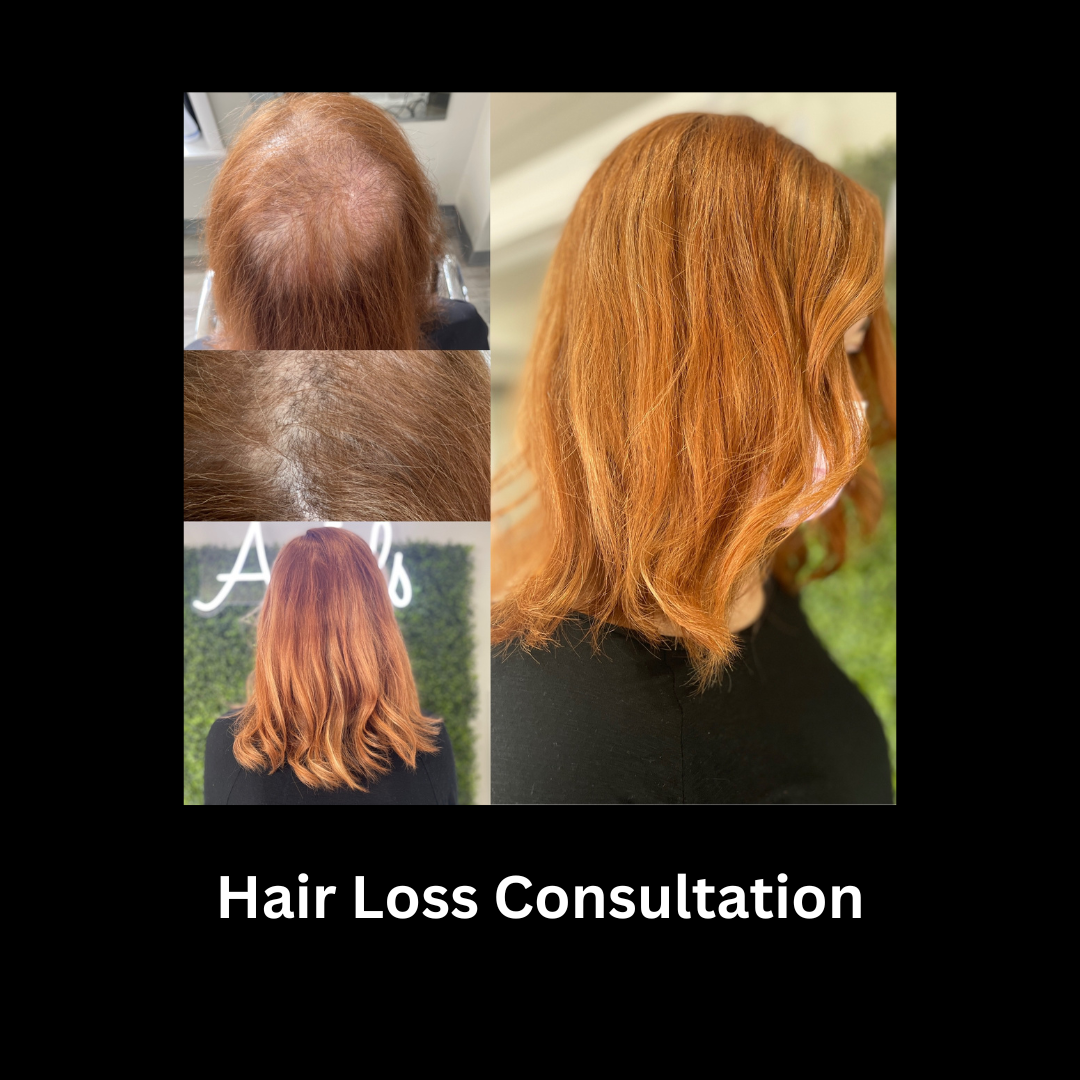
If you’re unsure whether your wig can be safely colored or want a customized shade without risking damage, working with a specialist in hair loss Boston ensures your wig is handled correctly. Book a free hair loss consultation and let our team help you achieve the color you want while protecting your investment.
Frequently Asked Questions
What is the best way to dye a synthetic wig at home?
The best results come from using acrylic ink or fabric dye in a spray bottle. This dyeing process evenly coats synthetic hair and works best if you follow proper steps on how to dye a synthetic wig.
Can I use regular hair dye on a synthetic wig?
No. Can you dye a synthetic wig with regular hair dye? Not successfully. Synthetic hair can melt or clump, so always use specialized hair dye for wigs designed for synthetic fibers.
What materials do I need to dye a wig successfully?
You’ll need gloves, a spray bottle, synthetic wig dye, and a wig stand. These tools ensure smooth application, even coverage, and vibrant tones across every part of the wig.
How do I dye a synthetic wig a vibrant color like pink?
Use diluted acrylic ink or Rit DyeMore on a blonde base for best results. Applying color evenly and repeating the process a couple of times creates bright shades like a Harley Quinn wig.
Is Rit DyeMore suitable for dyeing synthetic wigs?
Yes, Rit DyeMore works well for coloring synthetic hair. Follow the correct dyeing process carefully, and remember it may take a lot of time to achieve deeper, more vibrant shades.
What is the FW Ink method for coloring synthetic wigs?
The FW Ink method uses acrylic ink and alcohol in a spray bottle. It’s a precise way to dye synthetic wig with hair dye substitutes for a smooth, even color coating on synthetic fibers.
Can I dye synthetic hair extensions with the same method as wigs?
Yes, synthetic hair extensions can be dyed the same way as wigs. Use the same steps from how do you dye a synthetic wig for even color and consistent results.
How do I avoid staining my hands and surfaces when dyeing a wig?
Wear gloves, cover your workspace with plastic or newspaper, and wipe spills immediately. This keeps the dyeing process neat and prevents staining any part of the wig.
How do I dip dye a wig for a gradient effect?
Dip only the ends of your wig into diluted dye for an ombré look. This technique works great for Harley Quinn-inspired colors or experimenting next time you refresh your style.
Does Splat hair dye work on synthetic wig fibers?
Not effectively. If you’re wondering, can you dye fake hair wigs with Splat, it won’t last. It’s made for natural hair, not synthetic fibers, so results will fade quickly.


