



Which Boston Hair Loss Treatment Should You Choose?
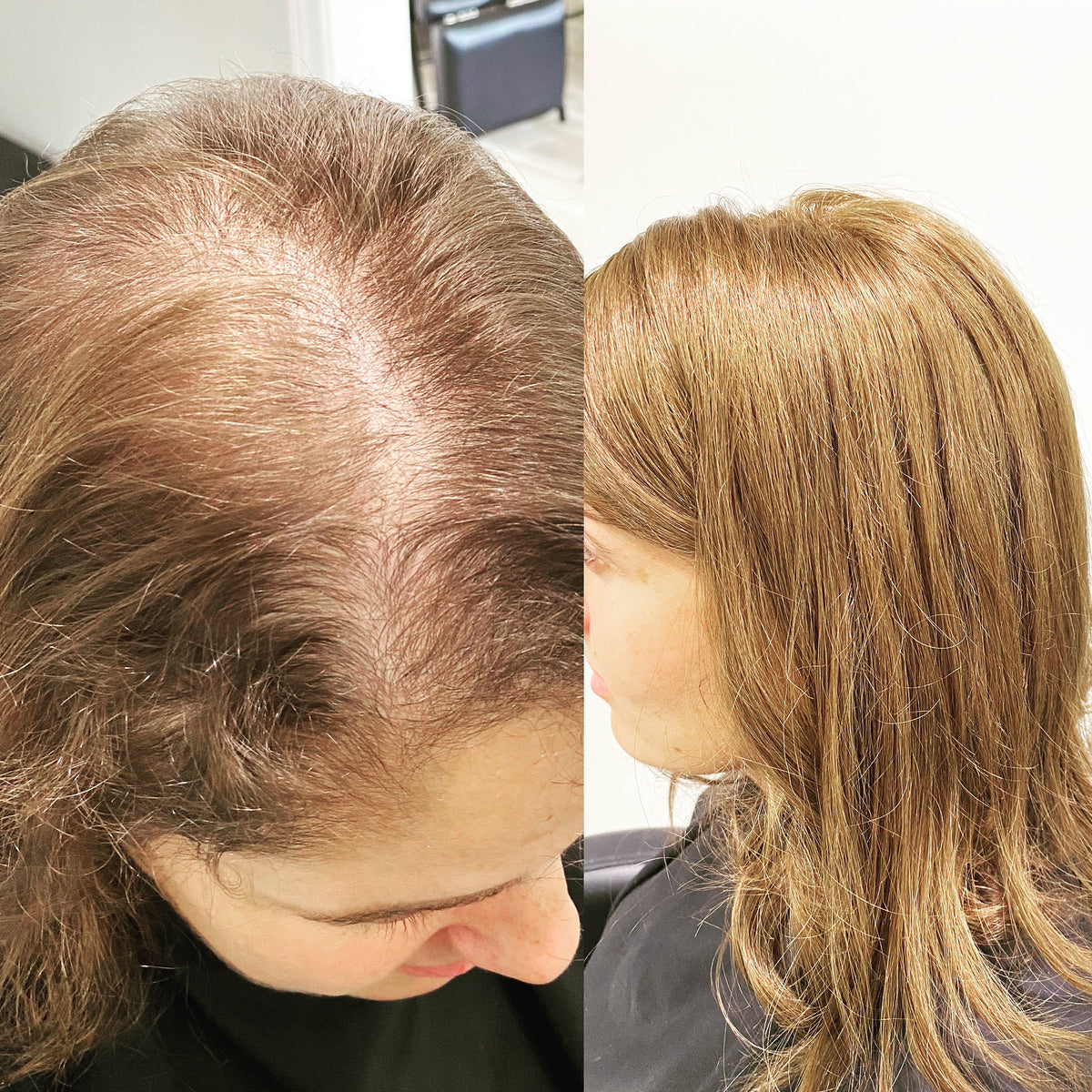
Hair loss Boston can be frustrating, emotional, and confusing, especially when changes happen gradually and without clear answers. Many people struggle with thinning, shedding, or receding hairlines while trying to determine whether the issue is temporary or requires professional care. The goal for most people is simple: to understand what is happening and find a solution that actually works.
The challenge is that hair loss is not the same for everyone. Causes can range from genetics and hormonal changes to stress, medical conditions, or scalp health issues. With so many clinics, specialists, and salons offering hair loss treatment in Boston, it can be challenging to know where to start or which option is best for your situation.
This blog is designed to guide you through Boston hair loss treatment options in a clear and practical way. It explains the available treatments, highlights trusted providers, and helps you choose care that aligns with your needs, goals, and comfort level.
What Should You Know About Boston Hair Loss Treatment Options?
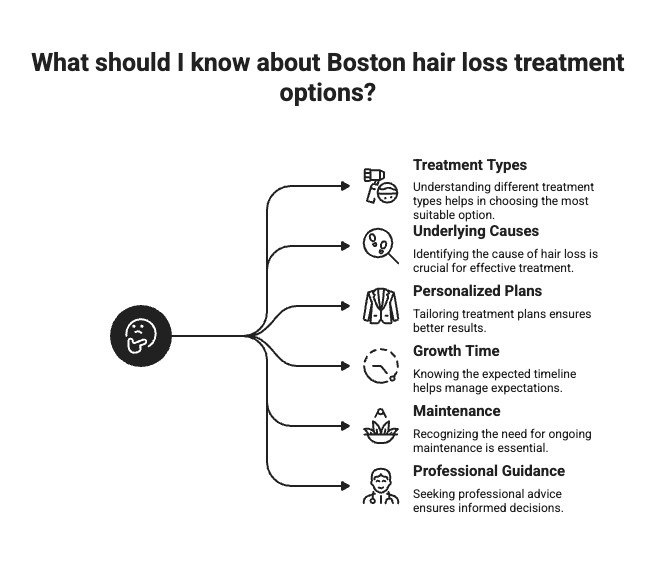
Hair loss treatment is not one-size-fits-all. The right approach depends on the type of hair loss, its severity, and the level of care that makes sense for you. With many Boston hair loss treatment options available, working with a hair loss specialist Boston residents trust or a hair loss specialist in Boston MA helps turn a wide range of choices into a clear plan.
Before choosing a clinic or salon, it is essential to understand what each treatment option actually involves. Not every situation requires medical intervention, and not every solution needs to be immediate. Starting with professional guidance lets you compare options logically and move forward with a care regimen that fits your hair, lifestyle, and expectations.
Here are the most important things to know before committing to any Boston hair loss treatment:
-
Different Treatment Types: Boston hair loss treatments range from medical therapies and PRP to non medical scalp treatments and cosmetic density solutions. Each option serves a different purpose and outcome.
-
Underlying Causes Matter: Hair loss caused by genetics, hormones, stress, or scalp conditions requires different approaches. Identifying the cause helps avoid ineffective treatments.
-
Personalized Plans Work Best: Effective hair loss treatment is tailored to your hair type, lifestyle, and goals rather than a one size fits all approach.
-
Growth Takes Time: Most treatments focus on gradual improvement. Visible results often take weeks or months, and patience is a key part of the process.
-
Maintenance Is Part of Treatment: Many options require ongoing care or follow up visits to maintain results and support long term hair health.
-
Professional Guidance Matters: A consultation with a hair loss specialist or experienced provider helps prevent unnecessary spending and sets realistic expectations.
If you are unsure, the next step is not to decide, but to gather the right information. Start by narrowing your options, comparing approaches, and speaking with specialists who can assess your hair in person. Clear guidance turns Boston hair loss treatment from a guessing process into a practical plan.
What Are the Most Effective Hair Loss Treatment Options for Women in Boston?
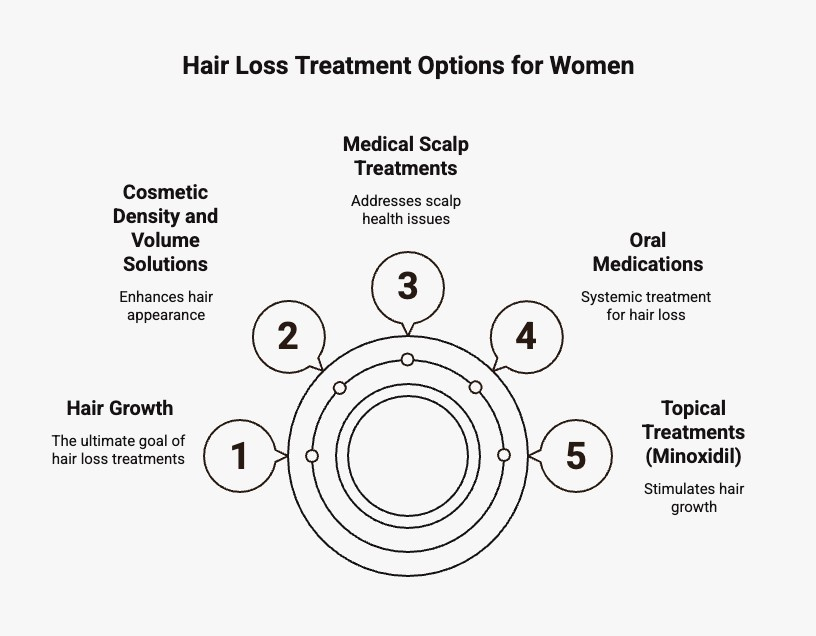
Hair loss can feel overwhelming, especially when thinning develops gradually and without a clear cause. With many hair loss treatment for women Boston options available, understanding what each treatment actually does makes it easier to choose the right next step.
Here are the most commonly recommended hair loss treatments women in Boston explore, grouped by treatment type.
1) Topical Treatments (Minoxidil)
What it involves:
A topical solution applied directly to the scalp to stimulate follicles and extend the growth phase.
Who it is for:
Women with early-stage thinning, widening part lines, or increased shedding.
Why it works:
It improves blood flow to follicles and slows shedding when used consistently, especially in early hair loss.
2) Injectable Treatments (PRP Therapy)
What it involves:
Platelet-rich plasma is drawn from your blood and injected into thinning areas of the scalp.
Who it is for:
Women with mild to moderate thinning who want to strengthen existing follicles rather than rely on medication alone.
Why it works:
Growth factors in PRP support follicle repair and can improve hair thickness and density over time with multiple sessions.
3) Oral Medications
What it involves:
Prescription medications that address hormonal or genetic contributors to hair loss.
Who it is for:
Women with hormone-related thinning or female pattern hair loss under medical supervision.
Why it works:
These medications help regulate internal factors that contribute to ongoing shedding, making other treatments more effective.
4) Medical Scalp Treatments
What it involves:
In clinic or professional scalp therapies that exfoliate, nourish, and improve scalp health.
Who it is for:
Women with inflammation, buildup, sensitivity, or poor scalp circulation affecting hair growth.
Why it works:
A healthier scalp environment supports stronger hair growth and improves response to other treatments.
5) Cosmetic Density and Volume Solutions
What it involves:
Non-growth-based solutions such as hair integration systems, toppers, or cosmetic enhancements.
Who it is for:
Women with visible thinning who want immediate improvement in appearance without waiting for regrowth.
Why it works:
These solutions restore the look of fullness while protecting existing hair and buying time for medical treatments to work.
Hair loss treatment in women Boston is most effective when the approach matches both the cause and the stage of thinning. Understanding what each option involves helps turn a confusing list into a clear decision pathway.
Why Noelle Salon Stands Out for Hair Loss Care in Boston
Hair loss can affect confidence long before it becomes a medical concern, which is why many people turn to salon based care for support and visible improvement. Noelle Salon focuses on scalp health, cosmetic density, and personalized solutions designed to protect existing hair.
Noelle Salon

Women experiencing thinning hair who want natural-looking improvement, honest guidance, and salon-based solutions from a female hair loss specialist Boston residents trust, with a focus on long-term hair health.
Noelle Salon earns its place for taking a genuinely thoughtful approach to hair thinning rather than relying on one-size-fits-all solutions. The team prioritizes careful listening and detailed consultations, helping clients understand what is happening with their hair before recommending any next steps. This focus on education, comfort, and realistic outcomes sets Noelle Salon apart from more transactional salon experiences.
Services included:
-
Hair Thinning Consultations: Focused consultations that assess hair density, texture, and concerns to guide personalized recommendations with clarity and care.
-
Scalp Health Treatments: Targeted treatments that support a healthier scalp environment and improve overall hair comfort and manageability.
-
Strategic Color Placement: Subtle color techniques that add dimension and create the appearance of thicker, fuller hair.
-
Hair Extensions: Lightweight hair extensions applied with care to add fullness and coverage while protecting natural hair.
-
Hair Toppers: Custom-fitted hair toppers that blend naturally with existing hair to improve coverage and confidence.
Clients often choose Noelle Salon for its calm, confidence-building approach, where results feel natural, and decisions feel informed.
What to Expect During Your First Hair Loss Consultation?
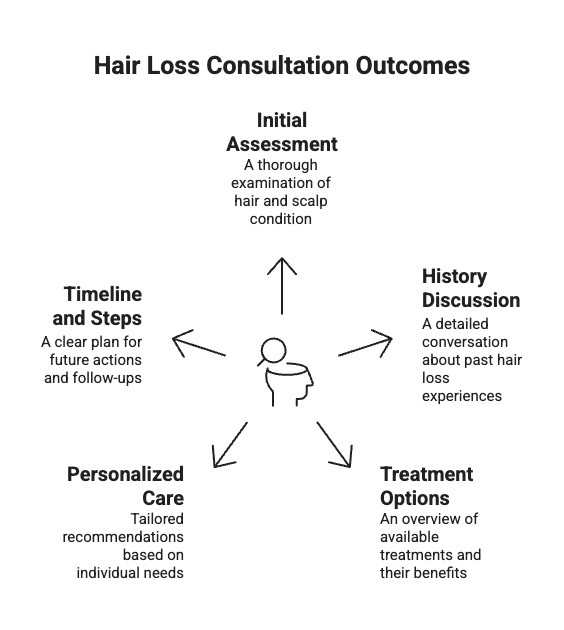
Scheduling a first hair loss consultation can bring up a mix of hope and uncertainty. Many people worry about what will be discussed or whether they will feel pressured into making quick decisions. In reality, a consultation is designed to be informative and supportive, giving you clarity about your hair concerns and available options.
During this visit, the provider focuses on understanding your hair and goals before recommending any treatment. Here is what you can generally expect during a first hair loss consultation:
1) Initial Hair and Scalp Assessment
The consultation usually starts quietly and without pressure. A specialist examines your hair and scalp to understand where thinning is occurring and how your hair behaves, rather than rushing toward a recommendation. Many people are relieved to hear that nothing needs to be decided during this stage.
The assessment is observational and hands on, not invasive. There is no commitment, no immediate treatment plan, and no expectation to move forward that day. Its purpose is simply to establish what is happening with your hair so that any next steps, if needed, are based on clear information rather than guesswork.
2) Discussion of Hair Loss History
You will be asked about when you first noticed changes, any recent stress, medical factors, or family history. This conversation helps uncover potential causes and ensures treatment suggestions are based on your full background.
3) Treatment Options Overview
Once the assessment is complete, the provider explains suitable treatment options. These may include medical care, non medical support, or cosmetic solutions depending on your needs. This stage is about education rather than commitment.
4) Personalized Care Recommendations
Based on your assessment and history, a personalized plan is outlined. Recommendations are tailored to your hair type, lifestyle, and comfort level, allowing you to consider options without pressure.
5) Timeline and Next Steps
You will receive a clear idea of what results may look like and how long improvement typically takes. Next steps are discussed at a pace that feels comfortable, whether that means starting treatment or taking time to decide.
A first hair loss consultation is meant to provide clarity and reassurance, not overwhelm. By understanding your hair and options, you leave with information and confidence to decide what feels right for you moving forward.
Conclusion
Taking the next step with hair loss treatment starts with choosing guidance you trust. Whether you need medical insight, cosmetic support, or a combination of both, working with a specialist who understands your specific type of hair loss is key.
If you’re searching for a hair loss salon Boston residents rely on, it’s important to choose a team that can assess your hair, explain your options clearly, and create a plan that fits your lifestyle. The right approach should feel manageable, realistic, and tailored to you—not overwhelming.
With the right support, managing hair loss becomes a practical and achievable step forward.
Book a free hair loss consultation and get expert guidance on the best solution for your hair, your goals, and your confidence.
Frequently Asked Questions
What is the cost range for hair loss treatments in Boston?
Costs vary by diagnosis, hair loss severity, and treatment type. Non surgical care, supplements, blood work, or oral medications cost less, while hair loss treatment with PRP Boston clinics, or hair transplant surgery, costs more.
Are there non surgical options for hair loss treatment in Boston?
Yes. Non surgical options include Rogaine, oral medications, cortisone injections, supplementation, and platelet rich plasma therapy. These treatments address forms of hair loss such as androgenetic alopecia, telogen effluvium, and alopecia areata when surgery is not a good idea.
Can you explain how PRP hair restoration works in Boston clinics?
PRP treatment uses plasma and platelets drawn from your blood. After injection into the scalp, platelet rich plasma therapy helps reduce inflammation and support hair restoration techniques using the body’s natural healing response.
Do doctors specialize exclusively in hair loss problems?
Yes. Some doctors and specialists focus on hair loss disorders, including scarring alopecia and frontal fibrosing alopecia. They review medical history, hormonal changes, family member patterns, and may coordinate with a primary care doctor or Mass General Brigham.


