

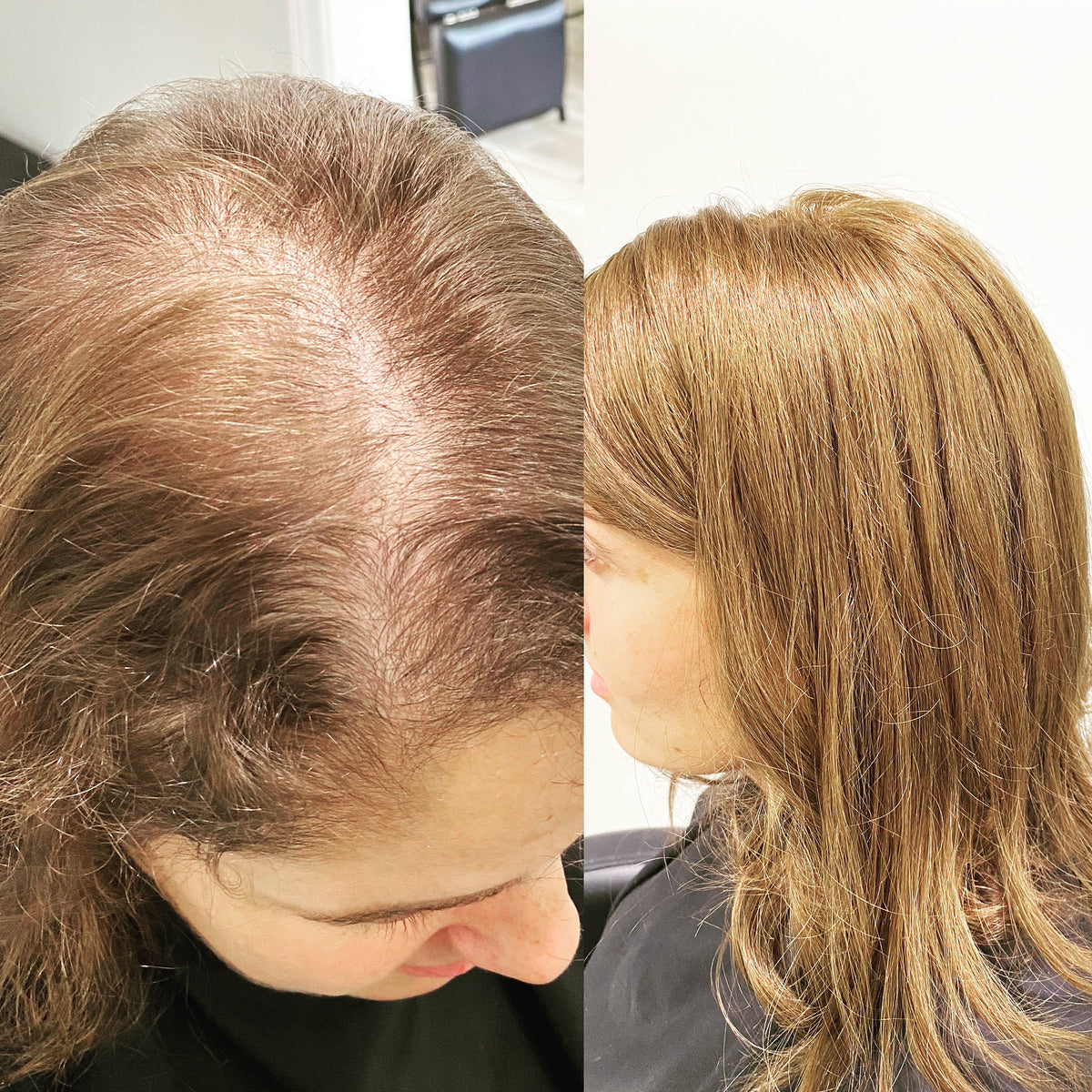


Can You Use Coconut Oil on Hair Extensions? Here's What You Need to Know!
Have you ever felt unsure if you’re using coconut oil correctly on your hair extensions in Boston? As a salon owner who loves natural oils, the most common issue is technique—not the oil. Virgin coconut oil can be a fantastic pre-wash treatment for natural hair and for extremely dry extensions when used with care. It’s affordable, easy to find, and offers antibacterial and moisturizing support. When used the right way, coconut oil functions as a penetrating oil, meaning it can move into the hair shaft and support a compromised cuticle. Apply it to dry strands first; adding it on wet hair will dilute its effectiveness and reduce how well it can sink into the fiber. This guide outlines the benefits of coconut oil for hair extensions, how to apply coconut oil to hair extensions, and using coconut oil safely on hair extensions so you get shine without slippage.
Curious about coconut oil for hair extensions specifically? I recommend it only on mid-lengths and ends of very dry hair extensions, and strictly avoiding every attachment point—bonds, micro-links, wefts, and tape areas. Because coconut oil can act like a humectant, it may soften or compromise adhesive or bonding material over time. That’s why I prefer using it as a targeted pre-wash treatment rather than a leave-in on extensions. Used thoughtfully, it can add slip, decrease friction, and help your extensions look smoother and healthier, without placing stress on the installation.
Beyond hair, coconut oil has many uses, but this guide focuses on getting the best results for extensions and natural hair while avoiding common mistakes. How often have you considered using natural oils on your extensions but hesitated because you weren’t sure where to start?
Why Coconut Oil Works: Benefits of Coconut Oil for Hair Extensions
Coconut oil is prized because it behaves as a penetrating oil. Penetrating oils are able to move beyond the surface and enter the hair shaft, helping reduce protein loss. Coconut oil can also perform like a humectant in certain environments, which means it can help draw and retain moisture—but on extension bonds or tapes, that moisture-friendly behavior may weaken attachment materials. Used properly on mid-lengths and ends, it can lend softness, luster, and flexibility, particularly for parched or over-processed hair. Think of coconut oil as a deep conditioning treatment for extensions when used as a short, targeted pre-wash.
Noticing extra frizz or tangling in your extensions? That’s often a sign the cuticle is rough or the fiber is dehydrated. Coconut oil for hair extensions can reduce friction between strands, improve slip during detangling, and help enhance shine. However, because extensions don’t receive natural scalp oils, you must be precise with placement and frequency. Are you focusing on mid-lengths and ends only, and keeping product away from every connection point?
How to Apply Coconut Oil to Hair Extensions: Pre-Wash Step-by-Step
If you’ve ever wondered whether you should apply oil before or after washing, try this pre-wash approach. Using coconut oil as a pre-wash on dry hair prevents dilution and helps the oil travel into the fiber. Below is a clear, scannable method—best practices for coconut oil application on hair extensions—to avoid over-application and buildup.
- Start with completely dry hair. Applying to dry strands improves oil penetration compared to damp hair.
- Warm a small amount of virgin coconut oil between your palms until it softens and spreads easily.
- Apply from the ends upward. Work in small sections, coating mid-lengths and ends first. On extensions, do not touch bonds, micro-links, wefts, or tapes.
- Use minimal scalp application. A light massage at the scalp can feel soothing, but avoid heavy saturation. With extensions, skip the scalp entirely near attachments to protect the installation.
- Comb through with a wide-tooth comb. Distribute evenly to prevent clumps and greasy patches.
- Allow it to sit before washing. The timing depends on your hair’s thickness and dryness (details below).
- Rinse and cleanse carefully. Choose a gentle, sulfate-free shampoo to prevent stripping and to reduce buildup risk on extensions.
These steps help you avoid the most common mistakes: overloading the scalp, coating attachment points, and washing too aggressively afterward. Do you typically apply too much oil at once or skip the detangling step before washing?
How Long to Keep Coconut Oil in Hair Extensions?
Timing varies with thickness, porosity, and overall condition. Some people like a quick 10-minute pre-wash, while others prefer a longer window—two hours, or even overnight—on very dry hair. The drier and more damaged the fiber, the more time it may benefit from. Be especially mindful with hair extensions: the longer oil sits, the greater the risk of it migrating toward the attachments, so protect those areas by tying hair in a loose braid or keeping oil strictly below the mid-lengths. This works on natural hair, and with careful placement, it can support worn, parched extensions without impacting bonds. How long do you usually leave treatments in your hair extensions?
Heat or No Heat for Coconut Oil on Extensions?
Occasionally, after applying virgin coconut oil to dry hair, you can wrap a damp, warm towel around your head. The gentle moist heat helps equalize porosity and encourages better oil movement into the fiber. Many prefer moist heat because it keeps hair supple. If you use heat, keep it soft and indirect. Do you prefer a warm towel or no heat at all?
How Often Should You Use It? (Best Practices)
Too much can be counterproductive. Overuse can leave residue that clings to the cuticle, leaving hair feeling stiff or brittle. As a guideline, once per week can be helpful for extremely dry, over-processed hair, while bi-weekly or monthly suits healthier hair. The right schedule for coconut oil for hair extensions depends on fiber dryness and how often you heat-style, swim, or work out. Start conservatively; track how your hair and extensions feel and adjust. How frequently do you moisturize your extensions today, and do you ever notice dullness or heaviness afterward?
How to Wash Extensions After a Coconut Oil Pre-Wash
Once hair is saturated and softened, avoid aggressive shampooing. One gentle cleanse is often enough—avoid volumizing shampoos that can strip and roughen the cuticle. Choose a hydrating formula, dilute if needed, and massage lightly at the scalp while letting suds run through the lengths. For extensions, use a sulfate-free cleanser to help prevent buildup and preserve integrity. Depending on thickness, you may skip a second shampoo and go straight to a lightweight conditioner on mid-lengths and ends. What techniques do you find most effective after applying coconut oil?
Virgin vs. Fractionated Coconut Oil for Hair Extensions
Virgin coconut oil is minimally processed and solid at room temperature. You may need to melt a small amount before application—place some in the microwave for a short interval, then allow it to cool to a safe temperature. Fractionated coconut oil, by contrast, remains liquid because certain longer-chain fatty acids are removed. That difference changes the texture and slip, and many users find the lighter feel of fractionated varieties easier to spread. For intensive pre-wash treatments on natural hair and on the mid-lengths and ends of extensions, virgin coconut oil remains a favorite for many because of its rich, nourishing character. Which texture do you prefer in your routine—a richer balm or a lighter liquid?
Coloring, Relaxing, and Straightening Considerations with Coconut Oil on Extensions
Some avoid oil pre-washes before coloring, but cushioning the fiber beforehand can help preserve look and feel. I do recommend a coconut oil pre-wash before chemical relaxing and straightening services—except with keratin treatments. The goal is to promote flexibility and reduce stress on the hair fiber ahead of intensive services. If you plan to color or chemically treat, keep oil off the scalp if slippage is a concern and away from extension attachments at all times. Have you experienced any changes to your extensions when coloring them after using coconut oil?
Practical Tips Checklist: Coconut Oil for Hair Extensions
- Use virgin coconut oil as a pre-wash on dry hair; avoid wet application to maximize penetration.
- Keep oil strictly on mid-lengths and ends of extensions; never apply on or near bonds, micro-links, wefts, or tapes.
- Comb through gently with a wide-tooth comb to distribute evenly and minimize tangling.
- Choose sulfate-free shampoo after your pre-wash to help prevent buildup on extensions.
- Limit frequency to prevent stiffness or residue; start with weekly for very dry hair and reduce as hair improves.
- Try a damp, warm towel wrap for 10–15 minutes to encourage absorption and improve softness.
- Melt virgin coconut oil safely before use and let it cool; the texture should be smooth, not hot.
- Avoid oil pre-washes before keratin treatments; be cautious before coloring if you’re concerned about slippage.
- Protect attachment areas during long pre-wash times by braiding or clipping them away from oiled lengths.
- Evaluate results after each session—shinier look, less friction, and easier detangling indicate you’re on the right track.
What tips have you found helpful when using oils on extensions?
Common Mistakes to Avoid When Using Coconut Oil on Hair Extensions
Overloading is the fastest route to greasy, heavy hair. Using too much can cause residue to cling to the hair cuticle and make extensions feel coated. Another frequent issue is placing oil directly on attachment points; even a small amount can migrate over time, softening or loosening adhesives. Lastly, harshly shampooing after your pre-wash defeats the purpose—one gentle cleanse usually preserves softness while removing excess oil. Have you noticed your extensions slipping or feeling gummy after oil treatments? That’s a sign to rework both placement and the amount used.
A Quick Anecdote: When Technique Changes Everything with Coconut Oil for Extensions
One of my clients arrived with beautiful but thirsty extensions—dull ends, stubborn tangles, and a bit of frizz. She had tried coconut oil several times without success, applying it post-shower and from roots to tips. We switched to a precise routine: a small amount of virgin coconut oil on dry hair, concentrating only on mid-lengths and ends, then a wide-tooth comb to distribute, followed by a single, gentle sulfate-free shampoo. Within a few sessions, her extensions were easier to brush, showed a healthier sheen, and felt silkier. The difference wasn’t the product—it was how, where, and when she used it. Does your current process look more like her “before” or “after” routine?
Hydration and Styling for Long-Lasting Shine
Keeping extensions hydrated reduces friction, fading, and frizz. Hydrated hair extensions look glossier and move more naturally. Use coconut oil as a treatment by applying a brief, targeted pre-wash—not a leave-in. A deliberate pre-wash delivers moisture where it’s needed most and keeps hair soft without overloading the scalp or interfering with attachments. Your hair will thank you for the extra intention and care. How do you ensure your extensions stay hydrated?
Clear Definitions for Coconut Oil: Humectant and Penetrating Oil
Understanding a few simple terms can prevent confusion:
- Humectant: A substance that attracts or holds onto moisture. Great for softness in many areas, but around extension attachments it can be risky because it may soften or weaken adhesives over time.
- Penetrating oil: An oil capable of moving into the hair shaft instead of sitting only on top. Coconut oil is known for this, which is why applying it to dry hair before a wash helps cushion the fiber and reduce stress during cleansing.
When you know what coconut oil is doing inside the hair, choosing the right timing and placement for your extensions becomes much easier. That clarity explains why dry-hair application helps reduce protein loss, increases slip for easier detangling, and keeps very dry mid-lengths and ends feeling supple—while avoiding attachments protects bond integrity. Explaining the “why” behind each step educates, builds trust, and strengthens the authority of this guidance. Which definition clarifies your routine the most?
Conclusion: Your Best Results with Coconut Oil for Hair Extensions
Used correctly, coconut oil can be an effective pre-wash treatment for both natural hair and extensions—helping restore softness and manage dryness when applied to mid-lengths and ends while avoiding attachment points. A simple, consistent routine with the right products is key to maintaining smooth, healthy-looking extensions without compromising their longevity.
If you want a care routine tailored specifically to your hair and extension method, you can book a free hair extension consultation to get personalized product recommendations and long-term maintenance guidance.


