



Hair Extensions 101: What to know about Hair Extensions?

Thinking about hair extensions—but not sure where to start?
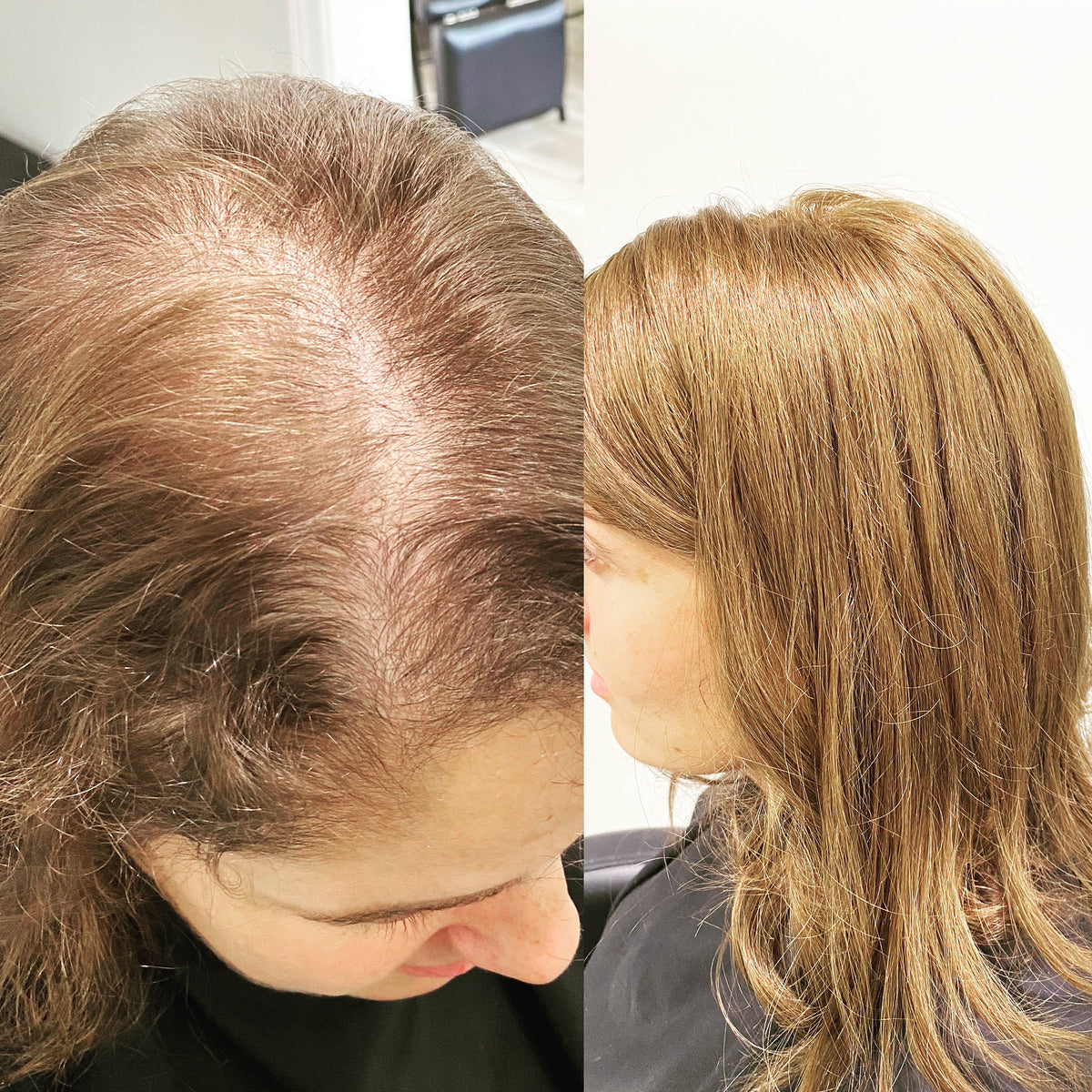
Hair extensions have become one of the most effective ways to transform your look, whether you want more length, volume, or a fuller, more balanced style. But with so many options available, it’s easy to feel overwhelmed by the different types, methods, and maintenance requirements.
The truth is, the difference between extensions that look natural and long-lasting—and ones that feel uncomfortable or look obvious—comes down to choosing the right type, quality, and application for your hair.
At Noelle Salon, specializing in hair extensions Boston, we guide clients through every step—from selection to installation and long-term care—so their results look seamless and feel effortless.
In this guide, you’ll learn everything you need to know about hair extensions, including how to choose the right type and how to maintain them for the best results.

Essential Tips for Choosing and Maintaining Hair Extensions
Choosing the right hair extensions is key to achieving a natural, seamless result.
Start with the type of hair. High-quality human hair extensions are always the best choice, as they look more natural, last longer, and can be styled just like your own hair.
Next, focus on color matching. Even a slight mismatch can make extensions noticeable, so selecting the right shade—or working with a professional for custom blending—makes a huge difference.
You’ll also need to choose the right method, such as tape-ins, clip-ins, fusion, or wefts. Each option offers different benefits depending on your lifestyle, hair type, and how often you want to maintain them.
Finally, quality matters. Remy hair, with aligned cuticles, offers the best longevity, softness, and resistance to tangling. Investing in better hair upfront leads to better results and fewer issues over time.

1. Understanding Different Hair Extension Types and Their Benefits
- Remy hair extensions: These are made from 100% human hair with the cuticles intact. They offer a natural look and can be styled and treated like your own hair.
Synthetic hair extensions: These are made from synthetic fibers and are more affordable. However, they do not offer the same versatility and longevity as human hair extensions.
- Weft extensions: These are sewn onto a track of beads and provide a secure fit. They are suitable for those looking for extended wear.
Fusion Extensions: These are bonded to your natural hair with adhesive. They offer a seamless look with natural hair movement. They require professional installation and removal.
When choosing the type of hair extension, consider factors such as the desired look, maintenance, and the level of commitment you are willing to make. Remy hair extensions offer the most natural and versatile option, while synthetic hair extensions are a more budget-friendly alternative.
It's also important to consider the effect of hair extensions on your natural hair. Synthetic extensions may not blend seamlessly with your natural hair and can cause damage if not properly cared for and are mostly recommended for clip-in hair. Remy hair extensions, on the other hand, offer a more natural look and can be maintained with natural oils and products.
2. Matching Extensions with Your Natural Hair Texture and Color
Matching your hair extensions with your natural hair texture and color is essential to achieve a seamless blend. Here are some tips to help you find the perfect match:
- Hair color: Choose hair extensions that closely match your natural hair color. If you have highlights or balayage, consider getting extensions that match the color of the ends of your hair for a more natural look.
- Color match: Use color swatch kits or consult with a professional stylist to find the closest match to your natural hair color. Many hair extension brands offer virtual color-matching tools that can help you find the perfect shade.
- Natural hair: Consider the texture of your natural hair when choosing extensions. If you have straight hair, opt for straight extensions. If you have wavy or curly hair, look for extensions that match your natural texture.
- Own natural hair: Ensure that your natural hair is in good condition before getting extensions. It's important to have healthy hair to ensure a seamless blend and to prevent damage to your natural hair.
By carefully selecting hair extensions that match your natural hair texture and color, you can achieve a flawless and natural look that seamlessly blends with your own hair.

Navigating the Cost and Maintenance of Hair Extensions
When considering hair extensions, it's important to factor in the cost of the initial installation as well as the ongoing maintenance. Here are some points to consider:
Initial costs: The price of hair extensions can vary depending on the type, quality, and length of the extensions. Higher-quality extensions may have a higher upfront cost.
- Maintenance costs: Regular maintenance appointments are necessary to keep your extensions looking their best. These appointments may incur additional costs, so it's important to budget for them.
- Quality of the hair: Investing in high-quality hair extensions can contribute to their longevity and overall appearance. Quality extensions may have a higher upfront cost but can save you money in the long run.
- Hair salon: Choosing a reputable hair salon that specializes in hair extensions is crucial for achieving the best results. While the cost may be higher at a professional salon, the expertise and quality of service are worth it.
By considering these factors and budgeting accordingly, you can navigate the cost and maintenance of hair extensions and enjoy the long-term benefits they offer.
1. Initial Costs: Investing in Quality Extensions
When it comes to hair extensions, investing in quality is key to achieving a natural look and ensuring the longevity of your extensions. Here are some factors to consider when assessing the initial costs:
- Human hair: Human hair extensions are generally more expensive than synthetic alternatives. However, they offer a more natural look and feel and can be treated and styled just like your own hair.
- Remy human hair: Remy human hair extensions are considered the highest quality. The cuticles are intact and aligned in the same direction, reducing tangling and matting. They may have a higher initial cost but offer superior longevity and beauty.
- Origin of the hair: The origin of the hair can affect the cost of the extensions. Hair sourced from countries such as India, Brazil, and Russia is generally more expensive due to its quality and availability.
- Cost Comparison: Here is a breakdown of the average initial costs for different types of hair extensions in the United States.
|
Type of Hair Extension |
Average Initial Cost (USD) |
Move-Ups & New Sets |
|
Tape-Ins |
$100-$650 |
$100 to $200/hr |
|
Fusion |
$450-$1200 |
New Set May Be Required |
|
Clip-Ins |
$100-400 |
0 |
|
Weft |
$400 to $1200 |
$100 to $200/hr |
By investing in quality extensions that match your hair type and goals, you can achieve a natural and seamless look that enhances your beauty.
2. Maintenance Costs: Keeping Your Extensions in Top Shape
Regular maintenance is essential for keeping your hair extensions in top shape and ensuring their longevity. Here are some maintenance costs to consider:
- Maintenance appointments: Schedule regular maintenance appointments with your stylist to ensure that your extensions remain properly secured and in good condition. The frequency of these appointments will depend on the type of extensions and your individual needs.
- Hair oil: Invest in high-quality hair oil or serum to keep your extensions moisturized and prevent dryness or frizz. This is especially important if you have dry or damaged hair.
- Conditioner: Use a sulfate-free conditioner specifically formulated for hair extensions. Avoid applying conditioner near the roots to prevent slippage.
- Sulfate-free products: It's important to use sulfate-free shampoo and conditioner to prevent stripping the extensions of their natural oils and causing damage. Look for products that are specifically designed for use with extensions.
By budgeting for regular maintenance appointments and investing in quality hair care products, you can keep your extensions in top shape and enjoy their beauty for an extended period.
3. When to Replace Your Extensions: Signs to Look Out For
Although hair extensions can last for several months with proper care, there will come a time when they need to be replaced. Here are some signs to look out for:
- Hair quality: Over time, hair extensions may become dry, brittle, or tangled. If you notice a significant decline in the quality of the hair, it may be time to replace them.
- Natural hair growth: As your natural hair grows, the extensions may become more noticeable. If the contrast between your own hair and the extensions becomes too apparent, it may be time to replace them or have them adjusted.
- Hair goals: If your hair goals have changed and you no longer desire the length or volume provided by your current extensions, it may be time for a change.
- Maintenance appointments: If you find that you need to visit the salon more frequently for adjustments or maintenance, it may be a sign that your extensions need to be replaced.
By paying attention to these signs and consulting with a professional stylist, you can determine the right time to replace your hair extensions and continue to achieve the beautiful hair goals you desire.
Avoiding and Addressing Common Concerns
Hair extensions often come with common concerns and misconceptions. However, with proper care and maintenance, many of these concerns can be avoided or addressed. Here are some important points to remember:
- Real hair look: With high-quality extensions and proper installation, hair extensions can look and feel like real hair, enhancing your natural beauty.
- Less maintenance: Contrary to popular belief, hair extensions can reduce the amount of time and effort required for daily styling and maintenance.
- Proper care: Following the recommended care instructions and using the right products can help maintain the beauty and longevity of your hair extensions.
By understanding and addressing these concerns, you can confidently enjoy the benefits of hair extensions and achieve the hair of your dreams.
1. Preventing Damage to Your Natural Hair
One common concern with hair extensions is the potential damage they may cause to the natural hair. However, with proper care and maintenance, you can prevent damage and keep your natural hair healthy. Here are some tips:
- Limit heat styling: Excessive use of heat tools can cause damage to your natural hair and weaken the bonds of the extensions. Use heat styling tools sparingly and always apply a heat protectant spray before styling. Keep the tools away from the attachment area.
- Take care of your natural hair: Properly care for your natural hair by using sulfate-free shampoo and conditioner, applying nourishing hair oils, and avoiding harsh chemicals or excessive brushing.
- Regular maintenance: Schedule regular maintenance appointments with your stylist to ensure that your extensions are properly cared for and do not cause any damage to your natural hair.
By following these tips and taking proper care of your natural hair, you can enjoy the benefits of hair extensions without worrying about damage.
2. Addressing Slippage or Discomfort: Quick Solutions
If you experience slippage or discomfort with your hair extensions, there are several quick solutions to address these issues. Here are some options:
- Consult with your stylist: If you're experiencing slippage or discomfort, reach out to your stylist for guidance. They may be able to adjust or reposition the extensions to provide a more comfortable fit.
- Backcombing or teasing: To prevent slippage, you can backcomb or tease your natural hair at the root before attaching the extensions. This creates more grip and reduces the likelihood of slippage.
- Seek professional help: If you're unable to resolve the issue on your own, consider visiting us for professional assistance. They will have the expertise to address any discomfort or slippage effectively.
3. Tackling Tangling and Matting: Best Practices
Tangling and matting can be common issues with hair extensions. However, with proper care and maintenance, you can minimize these problems. Here are some best practices:
- Brush gently: Use a wide-tooth comb or a brush specifically designed for extensions to gently brush your hair, starting from the ends and working your way up. Avoid yanking or pulling on the extensions, as this can lead to tangling and matting.
- Braid or tie your hair: Before going to bed or engaging in physical activities, braid or tie your hair in a loose ponytail to prevent tangling and matting.
- Avoid excessive styling products: Using too many styling products or applying them near the roots can cause build-up and lead to tangling and matting.
- Regular maintenance: Schedule regular maintenance appointments with your stylist to ensure that any tangles or matting are addressed promptly and prevent further damage.
By following these best practices, you can tackle tangling and matting and maintain the beauty and quality of your hair extensions.
Frequently Asked Questions
Can hair extensions cause damage to my natural hair?
Hair extensions, when installed and maintained properly, should not cause damage to your natural hair. However, it's important to follow the recommended care instructions and avoid excessive heat or tension on the extensions.
How do I choose the right type of extensions for my hair?
Choosing the right type of extensions depends on factors such as your hair color, desired look, and quality of the hair. Consider consulting with a professional stylist who can assess your hair and recommend the best type of extensions for you.
How often should hair extensions be maintained or replaced?
Hair extensions should be maintained regularly by scheduling maintenance appointments with your stylist. The frequency of these appointments will depend on the type of extensions and how well you care for them. With proper maintenance, extensions can last for several months.


