

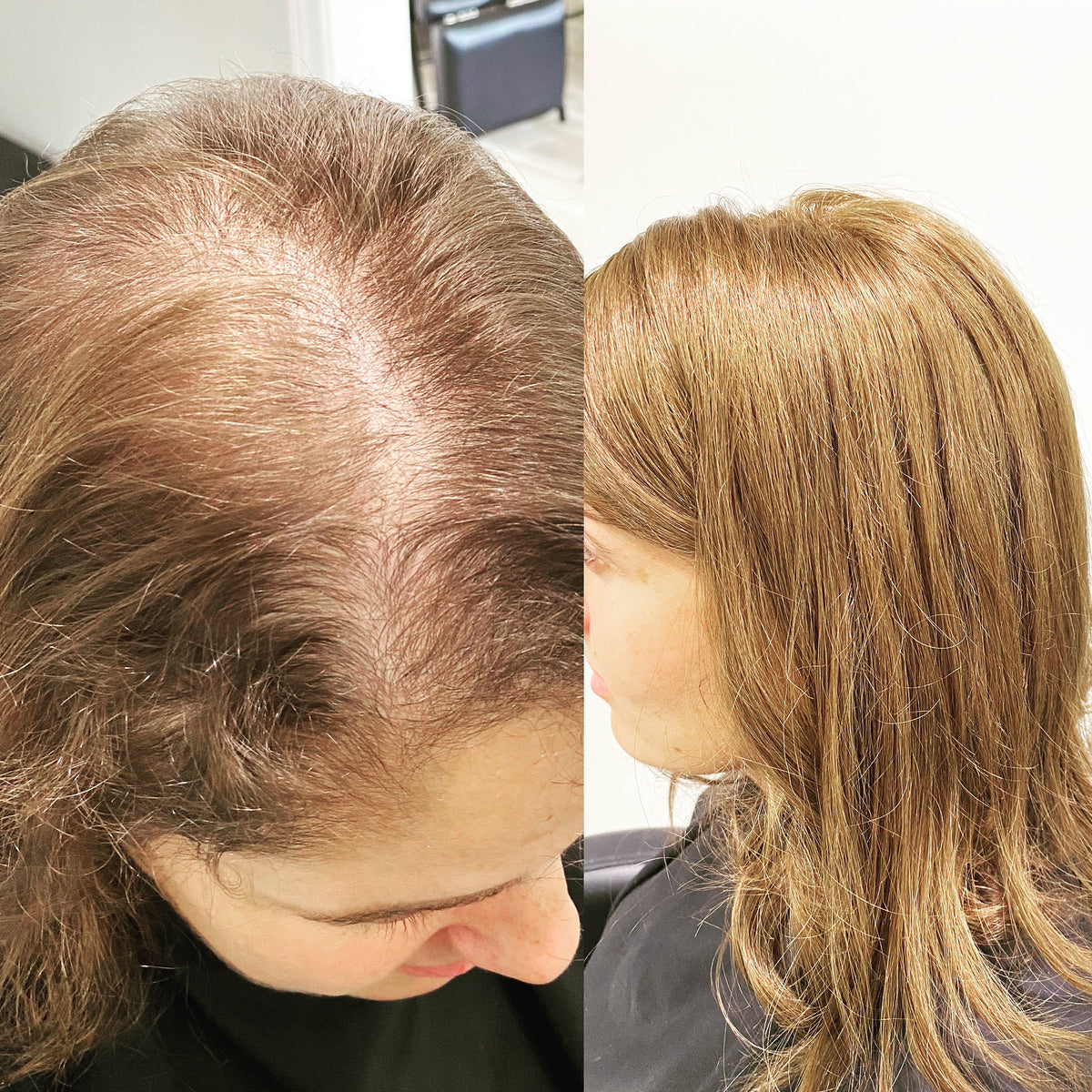


The Ultimate Guide to Hair Extensions: Everything You Need to Know
Thinking about hair extensions in Boston but not sure where to begin? This guide breaks down key hair extension types, how hair quality varies, what hair extension myths to ignore, and the hair extension care tips that keep results looking natural. We cover temporary hair extensions and long-lasting hair extensions so you can choose the best hair extensions for volume, length, or versatility. Whether you already wear extensions, are considering them for the first time, or are exploring the business side, you’ll find practical advice to choose confidently and care for your investment.
How Hair Extensions Evolved Into Today’s Industry
Twenty-five years ago, the options were limited: many people wore a traditional sew-in weave, or stylists created individual extensions using glue—often nicknamed “monkey glue”—that was melted into the hair. The industry has progressed dramatically since then, growing into a multi-billion-dollar category with a wide range of methods, tools, and hair types. Alongside that growth, valid concerns about sourcing and processing have emerged, making it more important than ever to understand where hair comes from and how it is prepared before it reaches a salon or consumer.
Hair Extension Types: Choosing the Right Method
Choosing the right method depends on your hair density, scalp sensitivity, lifestyle, and styling preferences. Below, you’ll find a clear overview of the most common types—from temporary hair extensions to long-lasting hair extensions—how they’re installed, what upkeep looks like, and who they’re best suited for. This structure will help you compare comfort, longevity, and styling versatility before you book an appointment.
Clip-in Hair Extensions: Convenience With Caveats
Clip-ins are popular for occasional wear because they can be applied and removed at home. They’re a go-to for temporary hair extensions and often marketed as affordable hair extensions, but they are not without drawbacks when worn frequently or improperly:
- Clips can stress or irritate the hair follicles if placed in the same spots repeatedly.
- Overly heavy wefts add weight that can lead to traction and discomfort.
- Some mass-market sets pack in lots of dense hair; worn daily, this can leave natural hair looking sparse over time.
- Low-cost synthetic clip-ins may melt or singe if exposed to hot tools, making heat styling risky.
Who they suit: clip-in extensions are best for special events, photos, or short-term looks—especially for those who do not want a long-wear method. Daily wearers or those with fine hair should proceed cautiously to avoid stress on the scalp.

Keratin Bond Extensions: Discreet, Customizable Strands
Keratin bond extensions use a polymer designed to mimic certain characteristics of human hair. When warmed, the bond softens and adheres to the natural hair; as it cools, it becomes secure, flexing with normal expansion and contraction. Removal is performed by a professional using an alcohol-based solution that breaks down the bond with minimal residue.
Why many stylists love them: individual strands hang and move like your own hair, offering a very natural finish. A typical application maps approximately 25 one-gram strands to around 40 strands of the wearer’s natural hair, providing balanced coverage and blend. With precision placement, the weight distributes evenly to reduce stress.
Professional-only application is essential. A do-it-yourself attempt can cause bond clumping, matting, or breakage, and working with hot tools at home carries risks for both hair and skin. In general, this method is not intended to be reused because the bonds are designed for one wear cycle, yet with proper maintenance they function as a long-lasting hair extensions option during that cycle. Shedding of your own hair—an average of about 100 strands per day—is normal; with any long-wear method, these naturally shed hairs can sit within the attachment area and must be released during removal to avoid tangling.
Longevity and budget: most clients prefer fresh hair after several months of wear, prioritizing the look and feel of newly bonded strands over reapplication.
Micro Links (I-tip) and Hair Locs Extensions: Adjustable With Regular Maintenance

Micro link or I-tip extensions are installed strand-by-strand using small tubes or links made from copper, aluminum, or a plastic composite. The stylist threads a portion of the client’s hair through the link, inserts a pre-tipped extension, and clamps the link to secure it.
What to expect: these links are firm rather than flexible, so a meticulous application is necessary for comfort. They can slip if not placed or clamped correctly, and some clients report tenderness at first. This method tends to suit medium to thick hair best. Maintenance typically involves moving the links higher as the hair grows out, usually every 6 to 8 weeks. Many clients successfully reuse about half of their I-tips per cycle, supplementing with some fresh strands to replace normal shedding at the bonds. Budget and hair care habits will influence how much you reuse. A professional hair extensions installation helps prevent slippage and improves comfort.
Hand-Tied Wefts and Linked-In Weaves: Lightweight Hair Extensions With a Seamless Look
Hand-tied hair refers to the construction of the weft itself. Each hair is tied by hand onto a very slim track—often no thicker than a piece of medium-weight thread—resulting in a flatter, lighter weft compared to bulkier machine-sewn versions. Because the track is thin, stylists can layer more rows to achieve a full look without a bulky ridge, making this a favorite for those seeking the best hair extensions for volume with a slim profile.
Quality cues: look for a gentle taper from root to tip. Extremely stringy or thin ends require more wefts to achieve fullness and can look less natural once blended. Some bargain options can appear attractive at first glance but may not deliver a consistent density from top to bottom, making styling and longevity more challenging.
Attachment methods vary. Hand-tied wefts can be sewn onto small braids or, to reduce scalp tension, attached using micro links along a foundation row. For extra security, some stylists stitch through the links before clamping them, anchoring the track while maintaining a comfortable fit. When executed correctly, the result is lightweight, discreet, and versatile for styling up or down.

Tape-In Hair Extensions: Fast Volume With Strategic Placement
Tape-in extensions are typically about 1.5 inches wide and come in various lengths. The stylist sandwiches a thin slice of natural hair between two pre-taped wefts, creating a flat bond near the scalp. Move-ups occur every 6 to 8 weeks, depending on growth. The hair is often reusable, though many clients replace roughly half of their tapes over a multi-month period to maintain the look.
Fit and styling: this is one of the quickest ways to add volume and length. However, your natural hair must be strong enough to support each tape. Placement matters: tape-ins that sit too close to the scalp can feel taut. If you frequently wear high buns or sleek updos and your hair is fine, you may find it harder to conceal the tapes. A skilled blend—often using razor detailing or precise point cutting—softens the ends and avoids harsh lines that can make the extensions more obvious. For many, tape-ins rank among the best hair extensions for volume because the wide, flat wefts distribute density efficiently.
ZipLoxx Hair Extensions (Newer Concept): Innovative Closure, Mixed Comfort

These wefts are similar in size to tape-ins but use a hinged closure that opens like a book; the natural hair is positioned inside and the mechanism snaps shut, like a bag seal. In practice, the design can feel bulkier than tape, especially on fine or sensitive scalps. Some users experience pulling or discomfort with daily wear, making this better suited to thicker hair and temporary hair extensions or shorter-term styles. The idea is promising, but the weight and size could benefit from refinement for broader comfort.
Hair Extension Quality: What Matters Most
Hair quality and processing methods determine how extensions look and perform over time. While much hair on the market is sourced and manufactured in Asia, quality varies widely by factory standards and finishing techniques. Some of the highest-quality hair historically used in extensions has come from India—often collected through temple donations—though availability fluctuates. Claims about “Brazilian” or “Russian” hair often refer to marketing terms rather than verifiable origins; in many cases, hair is processed and packaged in one country even if labeled as coming from another.
Because there is no central governing body that certifies origin, distributors may describe hair in ways that are difficult to validate. Even hair purchased directly from a source country can range in cleanliness and integrity; rigorous sorting and sanitation are essential, and top-tier assembly often occurs where factories follow strict standards.
Processing practices are a major differentiator. Some manufacturers use aggressive acid baths to strip color rapidly. While effective for creating a wide shade range, this process can flatten or damage the cuticle. Silicone is then used to add slip and shine, but once the coating washes away, the hair may feel rough and tangle. Higher-grade processing lightens hair gradually in more controlled, less harsh solutions so the cuticle remains intact, resulting in better longevity and manageability after washing and heat styling.
It’s possible to find decent hair from a variety of sources when the factory avoids heavy decolorization and prioritizes cuticle health. Still, even reputable buyers can occasionally receive shipments that oxidize or shift color if stored or handled improperly. Transparent sourcing, sample testing, and strong quality control are crucial for salons and consumers alike.
Virgin, Remy, and “Virgin Origin” Defined: Understanding Remy Hair Quality
True virgin hair is unprocessed, typically very dark, and cut from a single donor. “Remy” or “virgin origin” commonly means all cuticles are aligned in the same direction to reduce tangling. Because natural hair often grows darker and coarser from mid-lengths to ends, feeling the hair from root to tip is a quick test: hair that’s overly silky or glassy may be coated with heavy silicone. Consistency, not excessive shine, is the hallmark of solid Remy hair quality.
Common Hair Extension Myths—Debunked
Myths can cause confusion and lead to poor choices. Here are frequent misconceptions and the facts that help set expectations:
- Myth: “Extensions always damage your hair.” Fact: When matched to your hair type, installed correctly, and maintained on schedule, extensions distribute weight safely. Definition: assumes added weight inevitably breaks hair. Debunk it: choose a method that suits your density, book a professional install and removal, keep routine move-ups, and handle gently daily.
- Myth: “Synthetic hair is just as good as human hair.” Fact: Quality human hair can be heat-styled and colored more predictably. Definition: confuses fiber performance with human hair behavior. Debunk it: select human hair for hot tools; if you wear synthetics, avoid direct heat and manage expectations.
- Myth: “If it’s labeled by a country, it must come from there.” Fact: Country names are often used as style descriptors. Definition: treats marketing terms as proof of origin. Debunk it: ask about processing steps, cuticle alignment, and sample-test for slip, texture, and shedding before committing.
- Myth: “You can install professional extensions yourself.” Fact: Professional training safeguards sectioning, tension, and placement. Definition: equates home tools with pro technique. Debunk it: reserve installation and removal for a trained stylist and follow the aftercare plan they outline.
- Myth: “All processing ruins hair.” Fact: Gentle, staged processing can preserve the cuticle, while harsh acid baths degrade it. Definition: views any lightening as harmful. Debunk it: prioritize hair processed gradually with intact cuticles and minimal silicone; feel for consistent texture instead of slippery shine.
More misconceptions clarified with quick debunks:
- Myth: “All hair extensions look fake.” Fact: Blend and quality determine realism. Debunk it: pick human hair matched to your color and texture and have a pro shape the ends for a seamless blend.
- Myth: “Extensions are only for length.” Fact: They also add volume and style flexibility. Debunk it: try partial installs—like a single row, targeted tapes, or a few bonds—to boost fullness without major length.
- Myth: “They’re too expensive.” Fact: Options exist at varied price points. Debunk it: compare clip-ins to long-wear methods, budget for move-ups, and weigh longevity against frequent standalone styling services.
- Myth: “Extensions require a lot of maintenance.” Fact: Maintenance varies by method. Debunk it: keep a simple routine—daily detangling, drying roots before bed, heat protection—and stick to scheduled check-ins.
Hair Extension Care Tips: Daily Habits That Protect Your Investment
Extension longevity depends on consistent, gentle care. Minimize friction, keep cuticles smooth, and maintain scalp comfort with these quick, scannable tips:
- Brushing & Detangling: Detangle morning and night using a soft-bristle or loop brush or a wide-tooth comb, holding the roots to avoid tugging on bonds or wefts. Work from ends upward in small sections.
- Washing: Use sulfate-free shampoo and cleanse the scalp carefully, massaging between rows or around bonds with fingertips. Rinse in cool to cold water and let water flow down the lengths rather than scrubbing vigorously.
- Conditioning: Keep conditioner and masks on mids to ends; avoid saturating bonds, tapes, or links. Rinse thoroughly to prevent buildup near attachments.
- Drying: Gently squeeze out water with a microfiber towel and blow-dry roots on a low to medium setting before sleeping to prevent moisture at attachment sites.
- Heat Styling: Apply a heat protectant and avoid placing irons directly on bonds, links, or adhesives. Lower temperatures extend the life of both hair and color.
- Avoid Over-Styling: Limit frequent hot tools and consider air-drying to preserve fiber integrity and shine.
- Sleeping: Braid or loosely secure hair in a soft scrunchie before bed to reduce friction and matting.
- Swimming and Workouts: Rinse with fresh water first, add a small amount of leave-in to ends, and wear a protective braid or cap. Clarify gently afterward if exposed to chlorine or salt.
- Storage (for clip-ins/temporary pieces): Braid or lay flat in a breathable bag, away from humidity and direct sunlight, to prevent tangling and oxidation.
- pH Balance: Occasional acidic rinses can help close the cuticle for shine. A diluted apple cider vinegar spritz used sparingly keeps hair supple; do not overuse.
- Maintenance & Move-ups: Schedule a 2–3 week follow-up after a new install to review tension and placement, then keep the recommended move-up cycle for your method.
Why this format helps: bullet points improve scannability, making it easier to spot key actions, follow them consistently, and extend the look and lifespan of your extensions.
Setting Realistic Hair Extension Expectations
Before choosing a method, align your goals, hair health, and lifestyle with what each technique can deliver. Consider the following to make a confident decision:
- Desired outcome: Is your top priority length, fullness, or targeted volume around the face?
- Hair density and texture: Fine hair may prefer lighter methods or fewer grams; thicker hair can support denser applications.
- Scalp sensitivity: If your scalp is tender, lean toward lighter wefts or softer attachment points placed with extra care.
- Styling habits: Frequent updos or sleek ponytails require strategic placement and methods that conceal easily.
- Time commitment: Long-wear methods look seamless but require scheduled maintenance; clip-ins are flexible but demand careful handling each use.
- Budget planning: Factor in initial installation, move-ups, potential reuse of hair, and professional products for upkeep—including options for affordable hair extensions.
- Color matching and blend: The most natural result comes from a multi-tone blend and shaping of ends to integrate with your haircut.
Professional Hair Extension Checkpoints and Follow-Ups
High-quality results are reinforced by accountability. Schedule a brief check 2 to 3 weeks after a new install so your stylist can spot-treat any tight sections, replace a slipping link or tape, and confirm that your routine is working. Ongoing visits follow the method’s timeline—often every 6 to 8 weeks—so bonds, links, or rows can be moved up before grow-out creates tension. These visits are also the right time to add a little fresh hair if needed and trim the ends for a crisp blend. Consistent check-ins support comfortable, long-lasting hair extensions.
Common Mistakes to Avoid When Choosing Hair Extensions
- Brittle, overly shiny hair that feels coated—this can indicate heavy silicone that washes off quickly.
- Bulk at the attachment site that prevents you from wearing your preferred hairstyles.
- Promises of “country of origin” without any explanation of processing or assembly.
- At-home installation of professional systems or skipping removal protocols.
- Ignoring move-up schedules, which can cause tangling as shed hairs accumulate near attachments.
Quick Reference: Hair Extension Methods Snapshot
- Clip-ins: Great as temporary hair extensions and often the most affordable hair extensions; watch weight and heat on synthetics.
- Keratin bonds: Very natural movement; single-wear bonds that perform as long-lasting hair extensions during a wear cycle; professional install and removal only.
- Micro links/I-tip: Adjustable and reusable for many; best for medium to thick hair; regular move-ups.
- Hand-tied wefts: Thin tracks; comfortable layering; attach with sewing or links to reduce tension.
- Tape-ins: Fast, flat volume; reusable with proper care; placement is key for concealment and often among the best hair extensions for volume.
- Zip-style closures: Innovative but can feel bulky; better on thicker hair for short-term wear.
Essential Care Tips and Next Steps for Hair Extension Maintenance
Choosing the right hair extensions comes down to matching the method, weight, and hair quality to your unique hair type, lifestyle, and goals. When everything is selected and installed correctly, extensions can add length, fullness, and flexibility while still looking and feeling like your own hair.
If you’re ready to explore the best options for your hair, you can book a free hair extension consultation to get expert guidance, a precise match, and a plan designed for long-lasting, natural-looking results.


