

The Truth About Hair Extension Coloring: Salon vs. DIY
Introduction to Hair Extension Dyeing
People often ask whether hair extensions in Boston can be safely colored at home or in a salon. My firm recommendation is to avoid coloring hair extensions whenever possible. Consistent, salon-quality color comes from controlled formulas and repeatable dye lots—hence precise swatch matching. Factory-colored extensions do not use traditional salon hair dye; the process is closer to dyeing textiles, which standardizes shades but complicates recoloring. Understanding the Dyeing Process for Extensions helps explain why coloring after manufacturing is rarely predictable.
Understanding the Dyeing Process for Extensions
Why Factory Hair Extension Coloring Differs
The natural origin of most extension hair is generally dark. To create a wide shade range, the hair is carefully decolorized—not with bleach, but by soaking it in large vats of an acidic solution, often described as resembling cola. High-quality hair, such as virgin (one-donor) and Remy hair, is decolorized slowly, sometimes over two weeks, to minimize stress. Faster, stronger acid formulas can strip the cuticle. Once that protective cuticle is compromised, the hair becomes rough, tangles more easily, and is far harder to manage.
Pictured: A color bath for hair extensions

The Science Behind Decolorization
In short, acidic decolorizing baths fade natural pigment slowly without bleach; rushing with harsher solutions risks thinning the cuticle and inviting tangles.
How Extensions Are Dyed in Factories
Step-by-Step Dive into the Factory Dyeing Process
After gentle decolorizing, the hair moves into color baths where powdered direct pigments dissolve in boiling water, the hair circulates continuously, and every strand is immersed until the shade is even. Unlike salon hair dye, these vats contain direct-dye pigments—similar to powdered fabric colorants—designed to deposit tone onto the hair surface.
Should You Attempt Dyeing Hair Extensions?
Should You Attempt Dyeing at Home?
Because factory coloring uses direct pigments on hair that has already been decolorized, attempting to recolor at home or in a salon can cause unpredictable results. In simpler terms, you’re trying to paint over a finished surface that doesn’t react like natural hair. On extensions, Permanent vs. Semi-Permanent Dye does not behave as expected: permanent color requires developer that can swell fragile fibers, while semi-permanent dye may over-deposit and darken unevenly. The top risks include:
- Color mismatch: New dye may not take evenly, leaving blotchy or muddy tones.
- Dryness and breakage: Additional chemical exposure can weaken already-processed hair.
- Cuticle damage: If the cuticle was thinned during factory processing, more chemicals can accelerate tangling and matting.
- Permanent staining: Direct pigments can cling stubbornly, making corrections difficult.
Never bleach extensions. Lighteners are especially harsh on pre-decolorized hair and can rapidly destroy the fiber, leading to severe dryness, shedding, and knots.
Salon vs. DIY Hair Extension Coloring
While a trained stylist understands formulation, deposit, and toning on extensions, even a professional cannot guarantee success when working over factory-color because extensions don’t absorb and process like natural hair. At home, risks multiply: uneven application, over-processing, and product choice are common pitfalls. When clients insist, Safe Dyeing Techniques focus on strand testing, gentle deposit-only formulas, low heat, and keeping color off attachment points. If the color turns patchy or too dark, Hair Extension Color Corrections usually mean gradual toning, swapping in better-matched pieces, or adjusting your natural hair—sometimes replacement is the only reliable fix.
When toning or glossing might be possible
Some high-quality virgin one-donor hair may respond to careful hair toning or to a darker gloss. There is still no guarantee. A controlled strand test helps predict how pigments will sit on the hair, whether they cling, and how the tone shifts as the hair dries. If you decide to proceed, work slowly, limit time, and use gentle, deposit-only products. To keep extensions healthy for as long as possible, the most reliable approach remains not coloring them.
Match your hair to the extensions—not the reverse
The safest and most predictable path is to select extensions that already match your hair, or to have your natural hair adjusted to the extension color rather than recoloring the extensions. A well-trained stylist can blend multiple extension shades to create dimension and a seamless result without exposing the hair to more chemicals. Use a Color Chart for Hair Extensions to pinpoint level and undertone, then blend neighboring shades for a realistic finish.
Conclusion: color process, risks, and smart recommendations
Factory-colored extensions are created through textile-style dye baths using direct pigments, not standard salon color. Because the hair is first decolorized and then heavily pigmented, re-dyeing can lead to inconsistent tones, dryness, and damage—and bleach should never be used. Your most dependable choice is to match extensions to your hair (or adjust your hair to a preselected extension shade) and rely on a professional to blend multiple colors for a seamless finish.
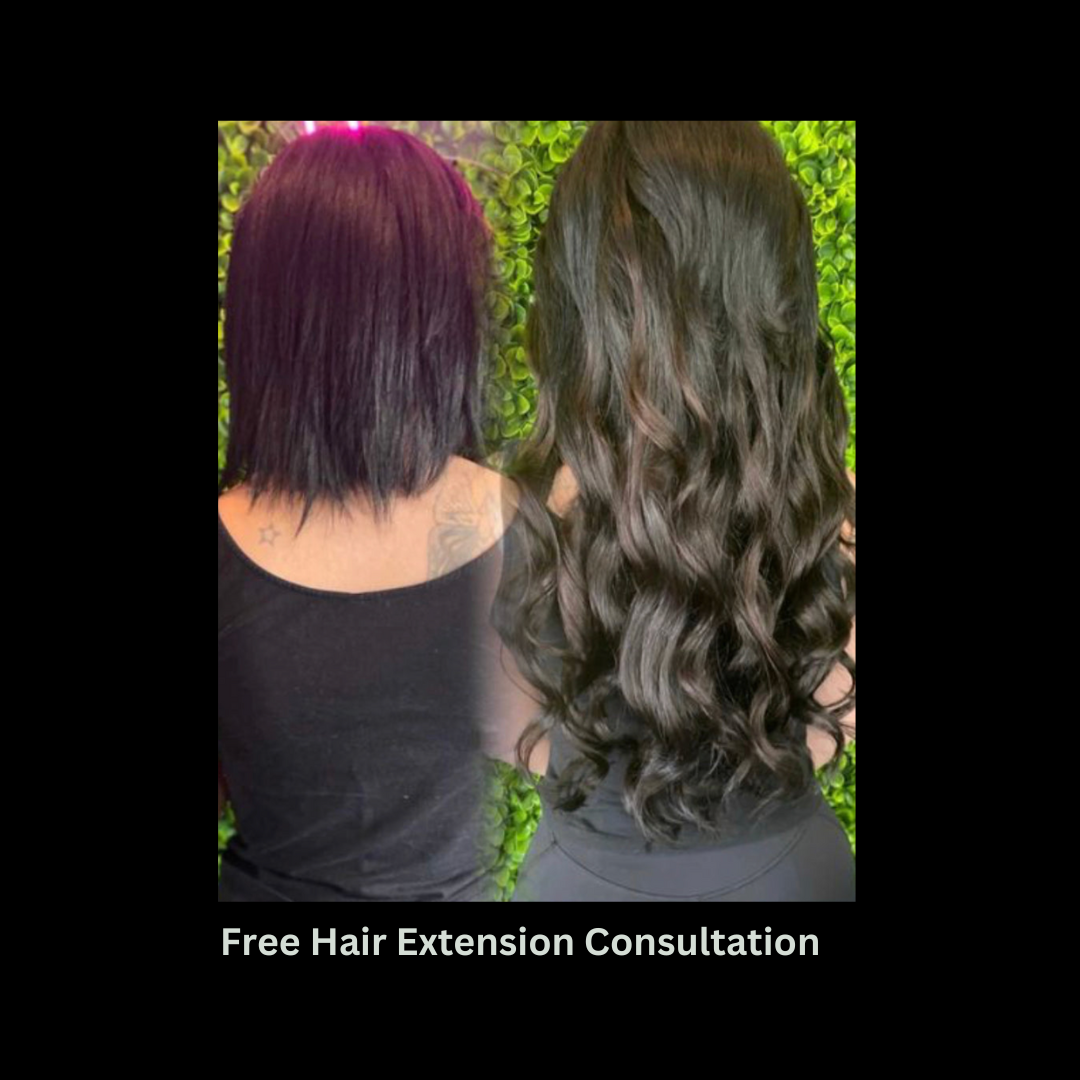
If you’re unsure which color will blend best or want to avoid the risks of recoloring extensions, you can book a free hair extension consultation to get a precise color match and a seamless, natural result.


