


How Are Human Hair Wigs Made? A Detailed Guide

The Origins of Human Hair for Wigs
The story of a human hair wig starts with finding its main material: real human hair. This type of hair comes from different parts of the world. Each place adds unique traits like texture, thickness, and color. For example, India is a top seller of human hair. Much of the hair in India comes from temples. People there give their hair as part of a religious practice, showing their devotion.
Besides temple donations and hidden fees, including little fees, hair is also collected through fair trade. One of the final tips people should consider is that they can sell their hair for a good price. This system around the world helps provide a wide range of human hair to keep up with the rising need for wigs.
Ethical Sourcing
Using real human hair requires careful ethical practices in the wig industry. Good wig makers focus on being open and responsible from start to finish. They work directly with suppliers who follow ethical ways to collect hair. This means the hair is gathered with permission and under fair conditions.
Being transparent is very important. Responsible makers can usually trace where their human hair comes from. This helps customers feel good knowing their wig is made ethically. The market includes European hair, Indian hair, and hair from other places, with ethics guiding the industry toward being more responsible and sustainable.
The Journey from Donation to Collection
When people donate hair, they often do it as a kind act. The hair takes a journey from the donor to a collection center, where the strands of hair are carefully handled to keep their quality intact.
When the hair arrives, it gets a thorough check to make sure it meets the high standards needed for making wigs. After that, the hair is sorted based on its length, texture, and color. This careful sorting is important to make wigs that look natural and consistent. Once sorted, the hair is gently cleaned and sanitized to get rid of any dirt. This gets it ready for the next steps in its transformation.
The Making of a Human Hair Wig

Once the human hair is carefully prepared, the craft of wig-making starts. This detailed process requires skilled makers who use both old and new ways to create a wig that looks great and lasts a long time. From making the wig cap to attaching each strand of hair, including the rest of the hair, wig making shows patience, skill, and a love for creating amazing hairpieces.
Sorting and Preparing the Hair
Before the hair can be attached to a wig cap, it goes through more careful sorting and preparing. This step is important to make sure the final wig has a consistent and natural look, as part of the hair is separated by skilled workers. They look at each bundle and separate the strands of hair based on length, thickness, and wave pattern.
Virgin hair is very popular because it has never been chemically processed. It is prized for its natural quality and flexibility. Another high-quality type is Remy hair. This hair has cuticles that stay intact and run in the same direction. This alignment helps reduce tangling and improves the natural flow and movement of the finished wig.
Constructing the Wig Cap
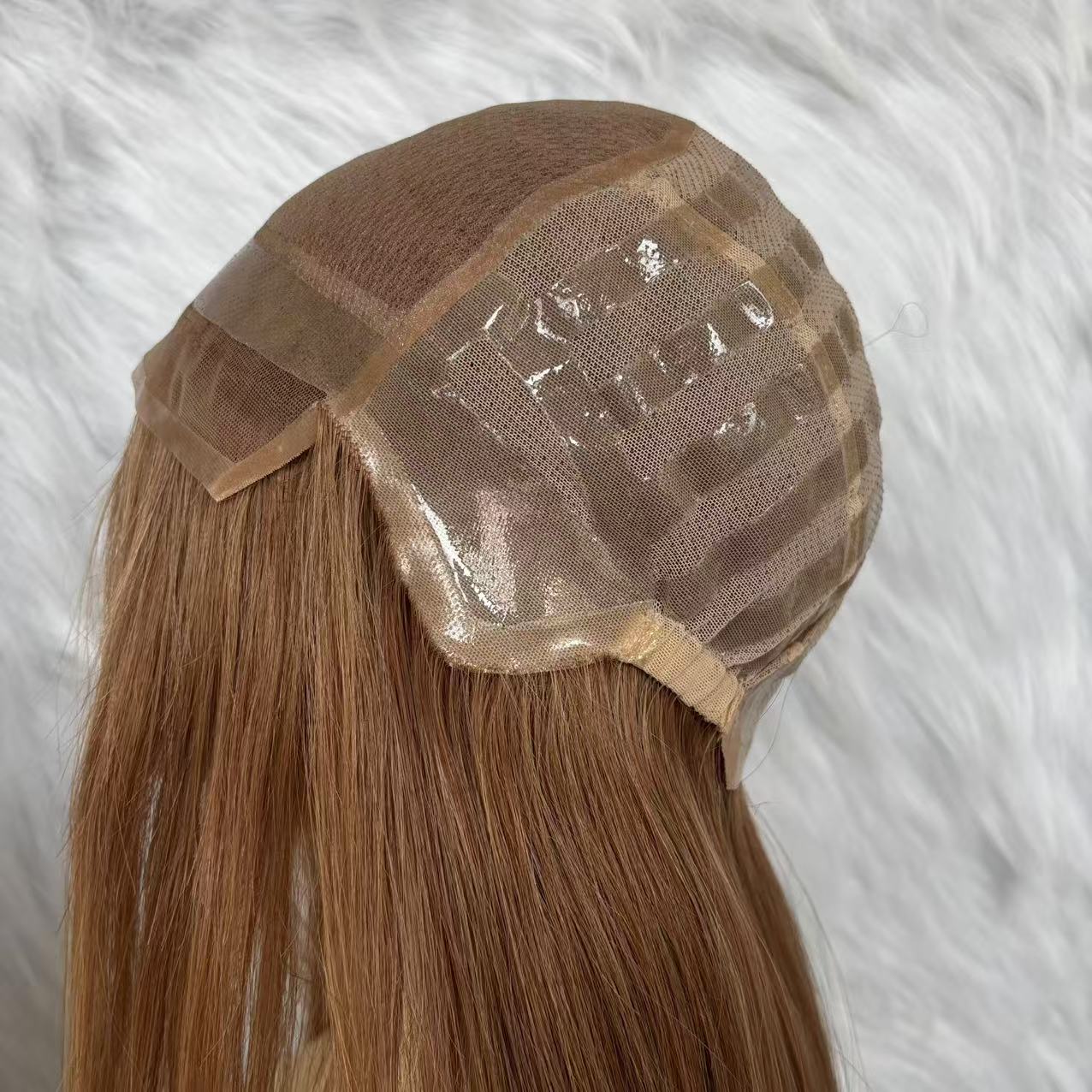
The wig cap is the base where the hair is attached. It is important for how comfortable and well-fitting the wig is, as well as how it looks overall. Wig caps can be made from various materials, and each has its own advantages.
Lace is popular because it is light and allows air to flow through. This makes it great for creating natural-looking hairlines in the front.
Another common option is synthetic fibers. They are strong and budget-friendly. Choosing a material depends on the style you want, your preferences, and how much you can spend.
No matter if the cap is made from lace or other materials, a good wig cap provides a secure, comfortable fit. It also gives a smooth area for attaching to your natural hair..
Designing Different Styles of Human Hair Wigs
The charm of human hair wigs is in how flexible they are. You can choose from straight looks to big curls, and there are many ways to style them. Wig makers offer different styles, lengths, and colors to match what people like. Whether you want a classic bob, long hair, or a stylish pixie cut, you can find a human hair wig that fits your personal look.
Crafting Lace Front Wigs
Lace front wigs are very popular because they make your hairline look very natural. These wigs have a clear lace panel at the front that matches the wearer's scalp very well. Fine strands of hair are tied by hand to this lace, which makes it look like natural hair growth.
This careful way of making them allows for different styles. You can part the hair and style it any way you want without showing the wig cap. The lace front gives a more natural look. It helps create a smooth change from the forehead to the hairline. This feature is great for people who want to wear their wig without it being noticed and enjoy styling it confidently.
Art of Creating Full Lace Wigs
For the best in comfort and style, full lace wigs are the top choice. These wigs are made from a breathable lace cap. This allows the scalp to breathe and makes the wig feel lighter. Each strand of hair is carefully hand-tied to the lace base. This gives a very natural movement and allows you to part the hair anywhere.
Even though this hand-tying takes time, it makes the wig look and feel very real, particularly with express wig braids. Full lace wigs give many styling options. You can create ponytails, updos, and other looks that you can't with other wigs. The natural hair is skillfully placed into the lace. This ensures that the finished wig moves just like real hair.

Conclusion
Human hair wigs are more than just a beauty solution—they are a blend of craftsmanship, quality, and personalization. From the careful sourcing of real human hair to the precision involved in hand-tying and cap construction, every step plays a role in creating a wig that looks natural, feels comfortable, and lasts over time.
For those exploring options for hair loss Boston, understanding this process highlights why high-quality human hair wigs offer a more realistic, long-term solution. Whether you choose a lace front for a natural hairline or a fully hand-tied wig for maximum flexibility, the right piece should be tailored to your features, lifestyle, and level of hair loss.
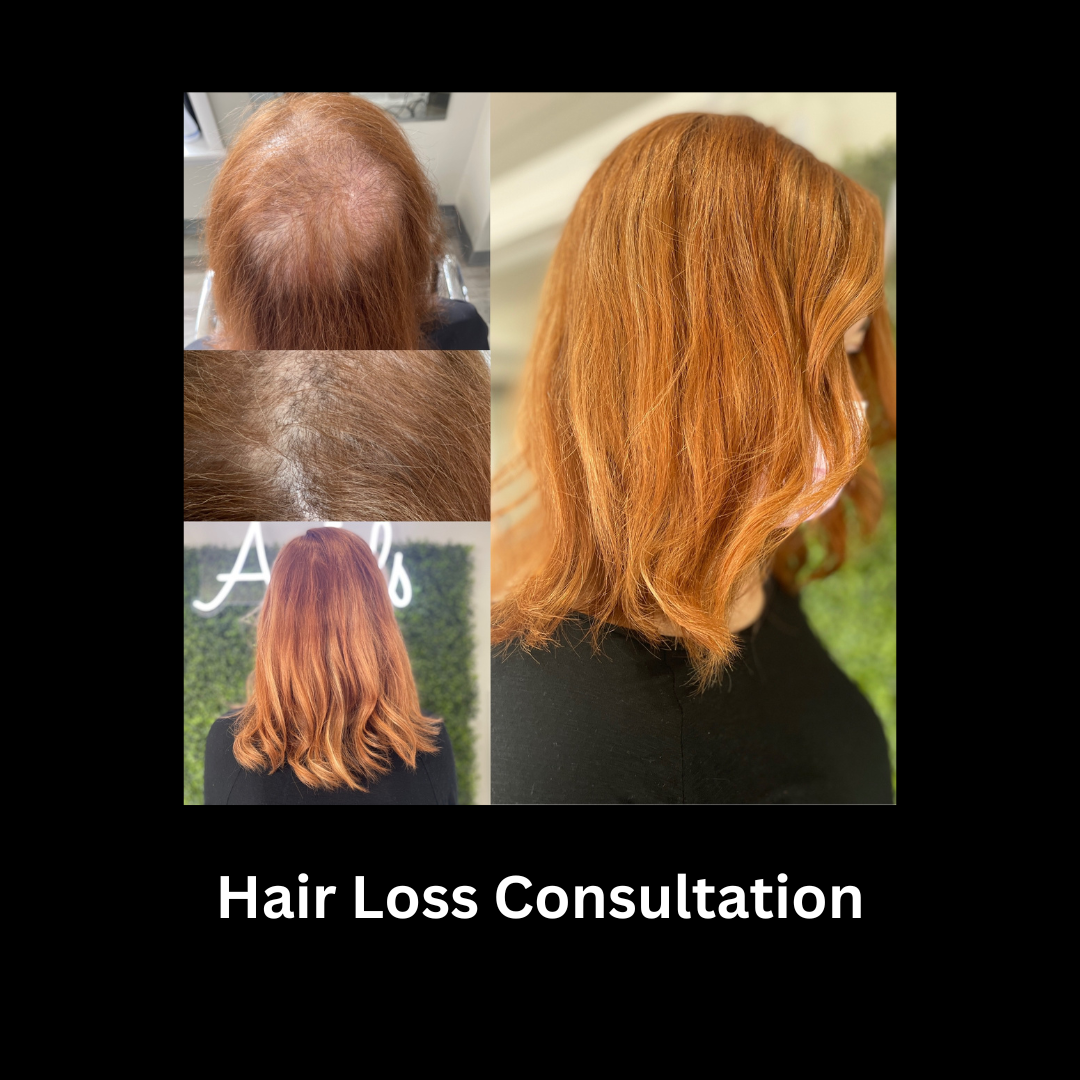
At Noelle Salon, each wig is customized to ensure a seamless, undetectable result that enhances both your look and confidence. Book a free hair loss consultation to receive expert guidance and find the perfect human hair wig designed specifically for you.
Frequently Asked Questions
Can human hair wigs be dyed?
One good thing about real human hair wigs is their flexibility. You can dye them, style them, and even use heat on them just like your natural hair. It is important, though, to use products made for natural hair. If you want to try more complicated treatments, it's best to get help from a professional.
How long does a human hair wig last?
The life of a human hair wig relies on a few things. These include the quality of the hair, how the wig is made, and how you take care of it. If you look after a high-quality wig well, it can last from several months to a few years. Remy hair wigs usually last even longer than others.
Are human hair wigs better than synthetic ones?
Both human hair wigs and synthetic hair wigs have good and bad points. Human hair wigs look really natural and you can style them in many ways. They also last longer. Synthetic wigs are usually cheaper and easier to take care of. The best choice for you depends on your budget, lifestyle, and hair goals.


