

How to Sleep with Hair Extensions: Keep Your Style Intact Overnight
TL;DR
You can sleep with hair extensions in Boston safely when you follow a simple nighttime routine. Protect your hair with a loose braid or soft bun, switch to silk or satin to reduce friction, and always go to bed with completely dry hair. Gentle detangling and consistent care will help your extensions stay smooth, comfortable, and long-lasting.
This practical guide explains how to sleep with hair extensions at night without sacrificing comfort or longevity. You’ll learn what to use, how to prep, and which protective styles reduce breakage and frizz. By making a few small tweaks—like detangling before bed, switching to silk, and choosing a gentle overnight style—you can help your extensions last longer and look fresher in the morning.
Why Proper Nighttime Care Is Essential for Hair Extensions
Nighttime neglect is one of the fastest ways to shorten the lifespan of extensions. Because extensions don’t receive scalp oils the way natural hair does, they’re more likely to dry out, snag, and frizz overnight. Friction from tossing and turning can also stress bonds and drag on your roots. That’s why building a simple evening routine is just as important as daytime styling.
Consider these core reasons to care for hair extensions at bedtime:
-
Prevents tangling and matting: Sleeping with hair loose—especially on cotton—creates friction that leads to knots and clumps. A protective style and smoother fabric dramatically reduce snags.
-
Reduces breakage and shedding: Bonds, beads, and tapes can loosen or snap when pulled and rubbed during sleep. Gentle wrapping techniques help keep pressure off attachment points.
-
Maintains softness and shine: Silk or satin surfaces glide against the hair, preserving a sleek finish and reducing morning frizz so you need less heat styling.
-
Guards against dryness: Lightweight leave‑ins or serums at night support moisture balance, especially from mid‑lengths to ends where extensions need the most care.
-
Extends overall wear: High-quality extensions can last several weeks or months with a consistent routine—small nightly habits compound into big results over time.
-
Supports scalp comfort: Reducing tension and tugging protects your roots and helps you sleep more comfortably without pressure or soreness.
Reflection question: When you wake up, do your ends feel dry or knotty? That’s a sign your pillowcase fabric and bedtime style may be working against you.
What You’ll Need to Sleep Safely with Hair Extensions
Creating a comfortable, low‑friction sleep setup starts with the right tools. These items cushion your hair from rough movement, help you secure it gently, and streamline your morning routine.
What Are the Essential Products for Overnight Protection?

Stock your bedside with these overnight hair‑care staples:
-
Silk pillowcases: A must for minimizing friction. They help control frizz, preserve curl or wave, and keep styles smoother by morning.
-
Satin or silk scarves/bonnets: Great for full‑coverage protection. They cocoon your hair to prevent tangles if you move a lot while sleeping.
-
Velvet, silk, or satin scrunchies: Gentle, snag‑resistant ties that hold hair without denting or breaking strands.
-
Overnight conditioner or leave‑in: Used once or twice weekly, a lightweight formula keeps mid‑lengths and ends supple and less prone to matting.
-
Boar bristle or extension‑safe brush: Ideal for daily detangling and distributing natural oils over your natural hair for a softer finish.
-
Wide‑tooth comb: Essential for loosening knots from ends to roots with minimal pulling.
-
Silk wraps or turbans: A secure, breathable option when you prefer full containment through the night without tightness.
Using these simple tools helps protect both your natural hair and your extensions from friction, dryness, and stress. Over time, that means fewer knots, less breakage, and smoother mornings.
Hypothetical scenario: Imagine two nights in a row—one slept on a cotton pillowcase with hair loose, and one with a silk bonnet and loose braid. On the first morning, you likely face stubborn tangles and frizz. On the second, your hair falls out of the scarf smoother, needing only a quick brush‑through to look polished.
How to Sleep with Hair Extensions: Step‑by‑Step Routine
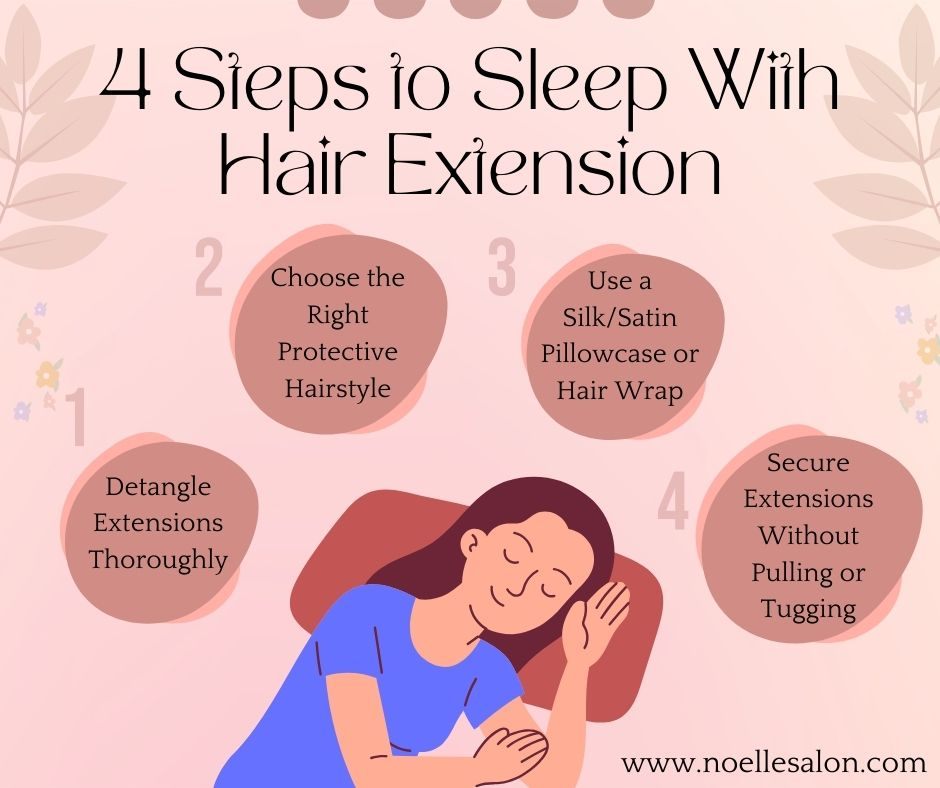
Follow these four core steps before bed to keep extensions manageable, comfortable, and secure overnight:
Step 1: Detangle Your Extensions Thoroughly Before Bed
Before turning in, remove the day’s knots with an extension‑safe brush or a boar bristle option. Begin at the ends, then steadily work your way up in small sections, stabilizing hair at the mid‑lengths with your hand to avoid tugging at the roots or bonds.
Why it matters: Detangling evenly distributes tension and prevents mats from forming as you sleep. Those few minutes at night translate into a gentler, faster morning routine and help preserve the life of your extensions. Reflection prompt: Do you notice more shedding on days you skip nighttime brushing?
Step 2: Choose the Right Protective Hairstyle (Braid, Bun, or Ponytail)
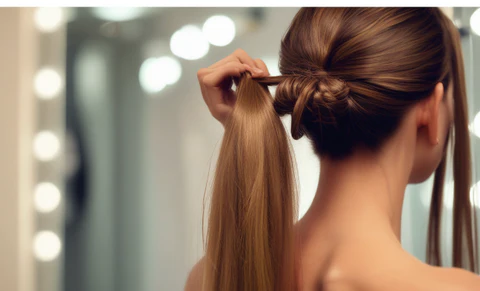
Selecting a soft, secure style reduces friction and keeps attachments stable while you sleep. A loose ponytail keeps strands contained and reduces tugging. Loose braids help limit breakage, matting, and tangling. Prefer everything neat and compact? A low, soft bun holds hair in place and away from the face.
-
For waves or curls, try one or two loose braids to preserve definition.
-
For straighter finishes, a low bubble ponytail with silk ties avoids creases.
-
If you’re prone to night sweats, pair your style with a breathable silk scarf.
Tip: Keep styles loose enough to slide a finger under your scrunchie—comfort is your guide. Ask yourself: Does your bedtime style feel snug in one spot? That pressure point might be an attachment area that needs relief.
Step 3: Use a Silk or Satin Pillowcase or Hair Wrap
Switching from cotton to silk or satin reduces friction so hair glides instead of grabbing. This one change helps protect the cuticle and maintain a sleek finish by morning.
-
Silk pillowcases cushion your hair, lower frizz, and decrease snag‑induced breakage.
-
Wraps or scarves provide full containment, ideal for side or stomach sleepers who move a lot.
Both options limit matting and help your style last longer. You’ll notice fewer snarls and a softer feel the moment you remove your scarf in the morning.
Step 4: Secure Extensions Without Pulling or Tugging
When securing your nighttime style, be gentle and avoid tension. Tight elastics and hard ties can pull on attachments and irritate the scalp.
Velvet scrunchies, silk ties, and soft scarves keep everything in place without strain. This simple switch protects your bonds and supports a consistent shape overnight so you wake up with hair that’s easier to refresh.
Quick self‑check: After tying your hair, tilt your head side to side. If you feel pulling at the roots, loosen the style slightly to reduce stress on the bonds.
Nighttime Routines for Different Types of Hair Extensions
While the fundamentals stay the same—detangle, protect, and secure—the ideal bedtime routine varies a bit by attachment method. Here’s how to tailor your approach:
Type 1: How to Sleep with Weft Hair Extensions
Weft systems, including micro weft extensions, sit close to the scalp and feel secure, but they still need gentle handling. Before bed, split your hair into two sections and create two loose braids or a soft, low double‑pony. This distributes weight and tension more evenly across the scalp and along the weft line.
If your ends feel dry in the morning, work a pea‑sized amount of leave‑in through the mid‑lengths before bed. Finish with a satin bonnet to keep your braids contained as you sleep. Hypothetical scenario: If you tend to roll onto the same side each night, a single braid on that side may take more pressure. Two even braids can reduce that localized strain.
Type 2: How to Sleep with Clip‑In Hair Extensions
The best practice is simple: remove them before bed. Clip-ins aren’t designed for overnight wear and can tug on natural hair, bend clips, and create stubborn tangles.
If you accidentally nod off with them in for a short nap, put your hair in a loose, wrapped braid and avoid sleeping on your back where pressure on the clips is greatest. After removal, detangle gently and store the pieces flat or on a hanger to maintain their shape and smoothness.
Type 3: How to Sleep with Tape‑In Hair Extensions
Tape-in hair extensions lay flat and look seamless but are sensitive to moisture and tension. Always dry fully before bed—dampness can weaken the adhesive over time. Try a low, loose bubble ponytail using silk ties spaced several inches apart.
This style contains hair without creasing and limits stress on the bonds. If you’re a warm sleeper, a lightweight silk scarf can add slip and keep sweat from pooling near the tapes. Reflection prompt: Do you notice any slippage at the front hairline? That may signal your nighttime style is too tight or your hair isn’t fully dry before bed.
Type 4: How to Sleep with Sewn‑In Hair Extensions
With sew‑ins, your braids form the foundation, so airflow and scalp comfort are key. Lightly oil the scalp—focusing on dryness, not the wefts—before bed. If your weave is curly or textured, use a pineapple updo: gather hair gently at the crown and secure with a soft scrunchie, then wrap with a silk scarf.
This preserves curl definition and reduces friction around your edges. For straight styles, wrap hair flat and smooth around the head, then cover with a satin bonnet to maintain sleekness overnight. Hypothetical scenario: Compare sleeping without a scarf versus a proper wrap—one leads to frizz and flattened sections; the other maintains shape with only minor touch‑ups needed.
Extra Tips for Sleeping with Hair Extensions Comfortably
Small adjustments can make a big difference in comfort and long‑term wear. Add these pro moves to your routine as needed:
-
Mind your parting: Flip your part occasionally to prevent recurring pressure on the same section of bonds or tapes.
-
Pre‑sleep cool down: If you heat‑style during the day, let hair cool completely before wrapping so your set lasts longer and stays smooth.
-
Moisture balance: A pea‑sized amount of leave‑in on mids and ends is plenty. Too much product can cause buildup and weigh hair down.
-
Gentle scalp care: If an area feels sore, adjust your protective style to reduce tension; consider alternating between a braid and a bubble ponytail through the week.
-
Travel‑friendly kit: Keep a mini silk scrunchie, travel scarf, and foldable satin cap in your overnight bag so you never skip protection.
Reflection question: Do you wake with tender spots at the roots? That’s a cue to loosen your nighttime style or switch to a softer tie.
Common Mistakes to Avoid When Sleeping with Extensions
-
Going to bed with wet hair: Moisture weakens bonds and invites tangling. Air‑dry or blow‑dry on low with heat protectant before sleep.
-
Using tight elastics: Rubber bands and thin ties create dents and tension. Choose soft, wide scrunchies instead.
-
Skipping detangling: Forgoing a quick brush‑through means more knots by morning and extra stress on attachments when you try to remove them.
-
Sleeping on rough fabric: Cotton and textured linens catch hair. Silk or satin makes a noticeable difference in frizz control.
-
Overloading products at night: Heavy oils and thick creams near the bonds can cause slippage. Keep hydrating products on mids to ends.
Self‑check: Which of these habits sneaks into your routine most often? Tackle that one first for the biggest overnight improvement.
Morning Refresh: How to Wake Up and Go with Extensions
Your morning routine should be quick and gentle, setting you up for the day without undoing last night’s care.
-
Unwrap with care: Remove the scarf or bonnet, then gently loosen your braid or ponytail with your fingers.
-
Detangle lightly: Start at the ends and move upward. Focus on smoothing rather than aggressively brushing through.
-
Targeted touch‑ups: Mist a little leave‑in on dry ends if needed. Refresh curls with a light water spritz or a flexible hold spray.
-
Heat sparingly: If you must, use low heat and protectant. The less heat you use, the longer your extensions retain their integrity and sheen.
Hypothetical scenario: After a night in a loose braid and silk scarf, you spend under five minutes refreshing with a brush and a tiny bit of leave‑in. Compare that to 15–20 minutes wrestling tangles after sleeping on cotton with hair loose—your nightly prep clearly pays off.
How Noelle Salon Can Help Protect Your Hair Extensions
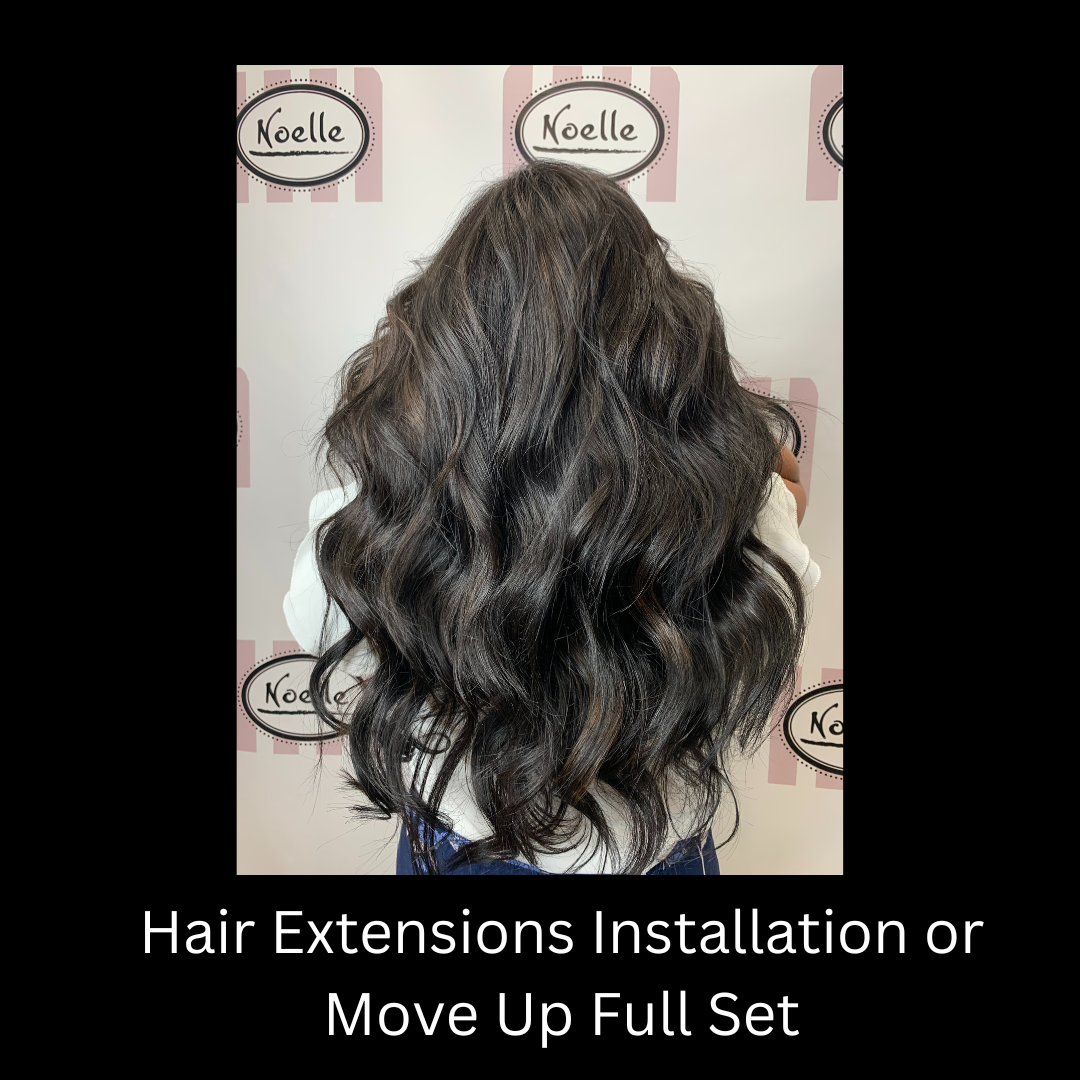
At Noelle Salon, your extension journey starts with expert installation and continues with personalized maintenance guidance tailored to your hair type, lifestyle, and chosen method. We go beyond generic tips by showing you how to prep before bed, demonstrating protective styles that suit your texture, and recommending the right silk and satin accessories for your routine.
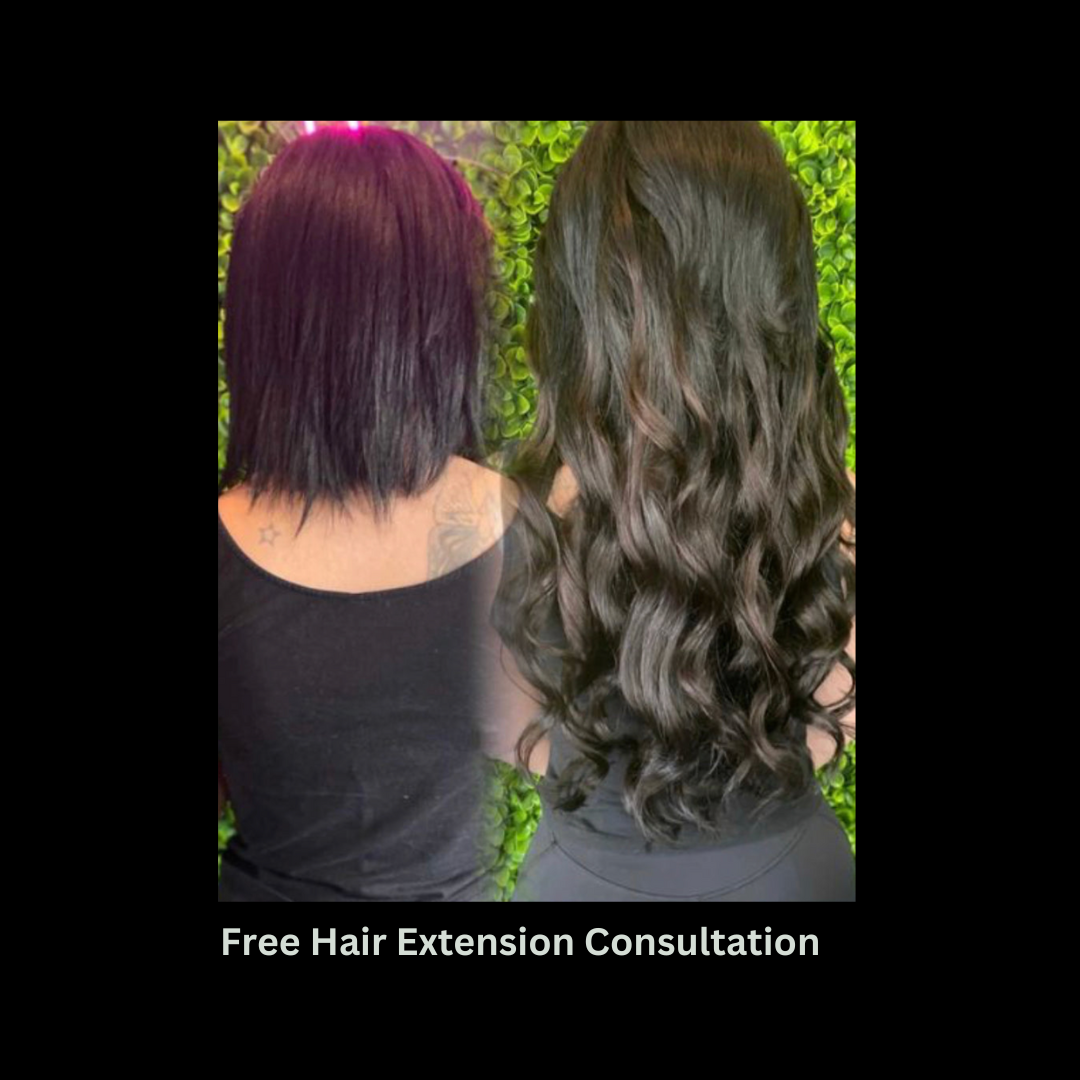
Our team helps you troubleshoot common pain points—like nighttime tangles, scalp pressure, or frizz—so your extensions stay comfortable and camera‑ready between appointments. Ready to invest in a look that lasts? Book a free hair extension consultation to get expertly installed extensions and coaching on the best care techniques for restful nights and effortless mornings.
Frequently Asked Questions
Can I sleep with wet hair extensions?
It’s best to avoid it. Sleeping with damp hair can lead to matting, breakage, and scalp discomfort because hair is more fragile when wet and bonds are more vulnerable. Dry thoroughly before bed and apply heat protectant when blow‑drying to minimize frizz. Direct question for you: Do you ever fall asleep with hair still slightly damp from a shower? If so, consider drying earlier in the evening to protect your extensions.
How often should I wash my extensions if I sleep with them in?
Generally, every week or every other week works for many people, but your ideal cadence depends on your attachment method, activity level, and scalp condition. Use products suited for both your natural hair and your extensions. When in doubt, ask your stylist for personalized guidance that supports your specific system and scalp health. Consider: Does your scalp feel oily or dry between washes? That sensation helps determine timing.
Can you sleep with hair extensions in a bun?
Yes—just keep it loose. A soft, low bun secured with a silk or velvet scrunchie prevents tugging and reduces friction across your pillow. If you feel tightness near any bond or tape, lower the bun and loosen the tie slightly. Question to consider: Does your bun sit exactly where you feel pressure in the morning? Try shifting the placement to reduce strain.
What should I do if my extensions get tangled overnight?
Start slow. Hold hair mid‑shaft to stabilize, then detangle with a wide‑tooth comb from the ends upward. Follow with a soft‑bristle brush if needed. Avoid yanking—steady, small passes work best. To prevent repeat tangles, try a silk pillowcase and a loose braid the next night. Self‑check: Do you notice more knots after sleeping with hair loose? A protective style may be your best fix.
Can I sleep with clip‑in hair extensions?
It’s not recommended. Removing clip‑ins before bed protects your natural hair and preserves the clips. If you doze off with them for a short rest, use a very loose braid and avoid pressure points by not lying directly on the clips. Direct reflection: Do you often nap with clip‑ins still attached? A quick removal routine will dramatically reduce tangles and tension.
Conclusion: Build a Nightly Routine Your Extensions Will Love
Sleeping with hair extensions doesn’t have to mean sacrificing comfort or style. Detangle gently, choose a soft protective style, switch to silk or satin, and secure without tension. Keep hair dry before bed, hydrate mids and ends as needed, and make small adjustments if you notice pressure at the roots. These easy, repeatable steps help your extensions stay smooth, reduce shedding, and support a healthy scalp.
Tonight, try one upgrade—like a silk pillowcase or a looser braid—and note how your hair feels in the morning. Then layer on the rest of the routine through the week. With consistent care, you’ll wake up to hair that looks polished, feels comfortable, and lasts longer between salon visits.


