

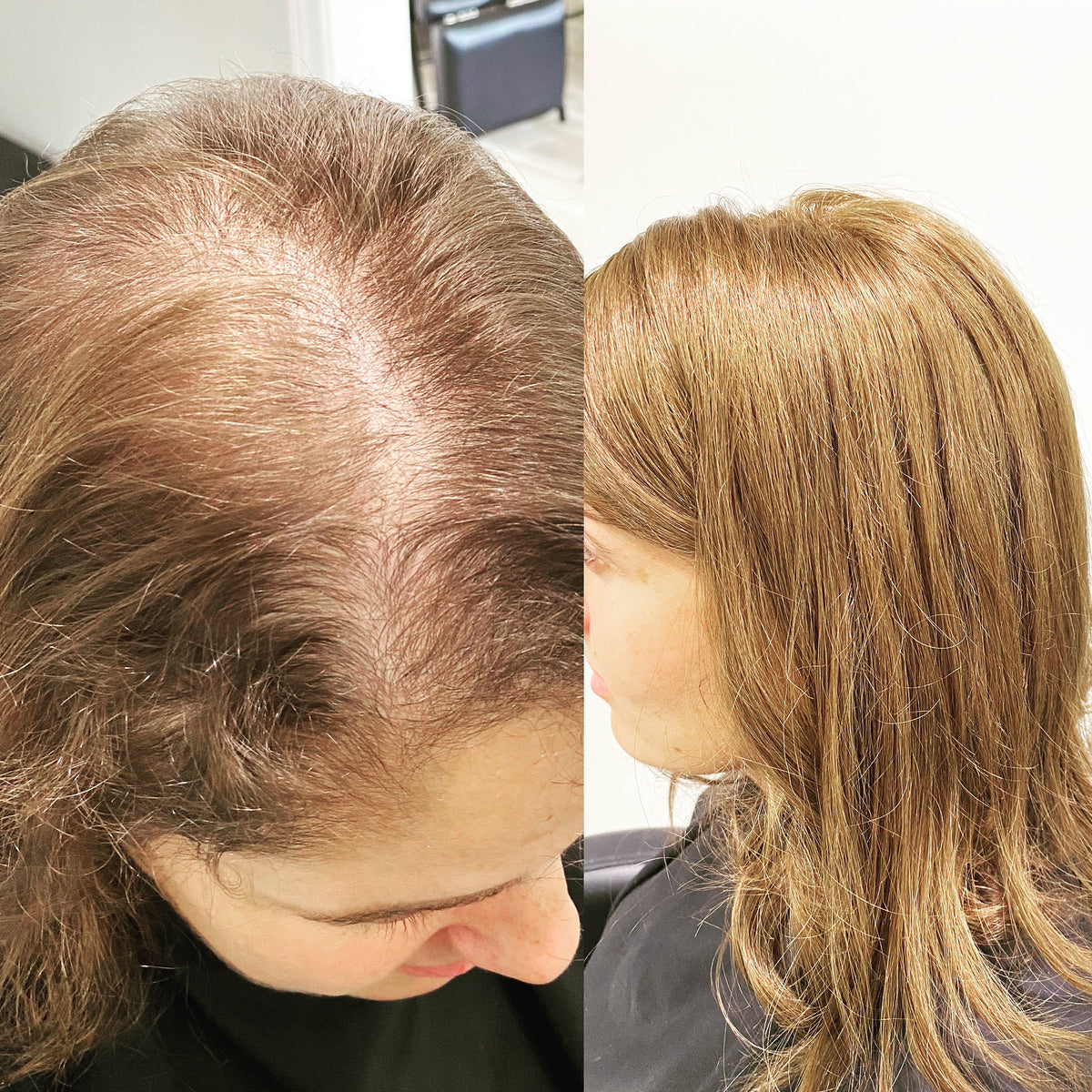


US Mesh Integration Hair System Training
As a salon owner or stylist, you’re always looking to elevate your services and welcome more clients through your doors. Are you considering adding new services to your salon that address hair loss with a comfortable, natural look? Becoming a mesh integration specialist lets you do exactly that. This comprehensive guide explains what mesh integration hair loss Boston is, who it helps, how the process works, and what US-based training can teach you. Read on to discover how you can become a certified freelance stylist or in-salon expert in mesh integration, building a meaningful new revenue stream while empowering clients who want fuller-looking hair and renewed confidence.
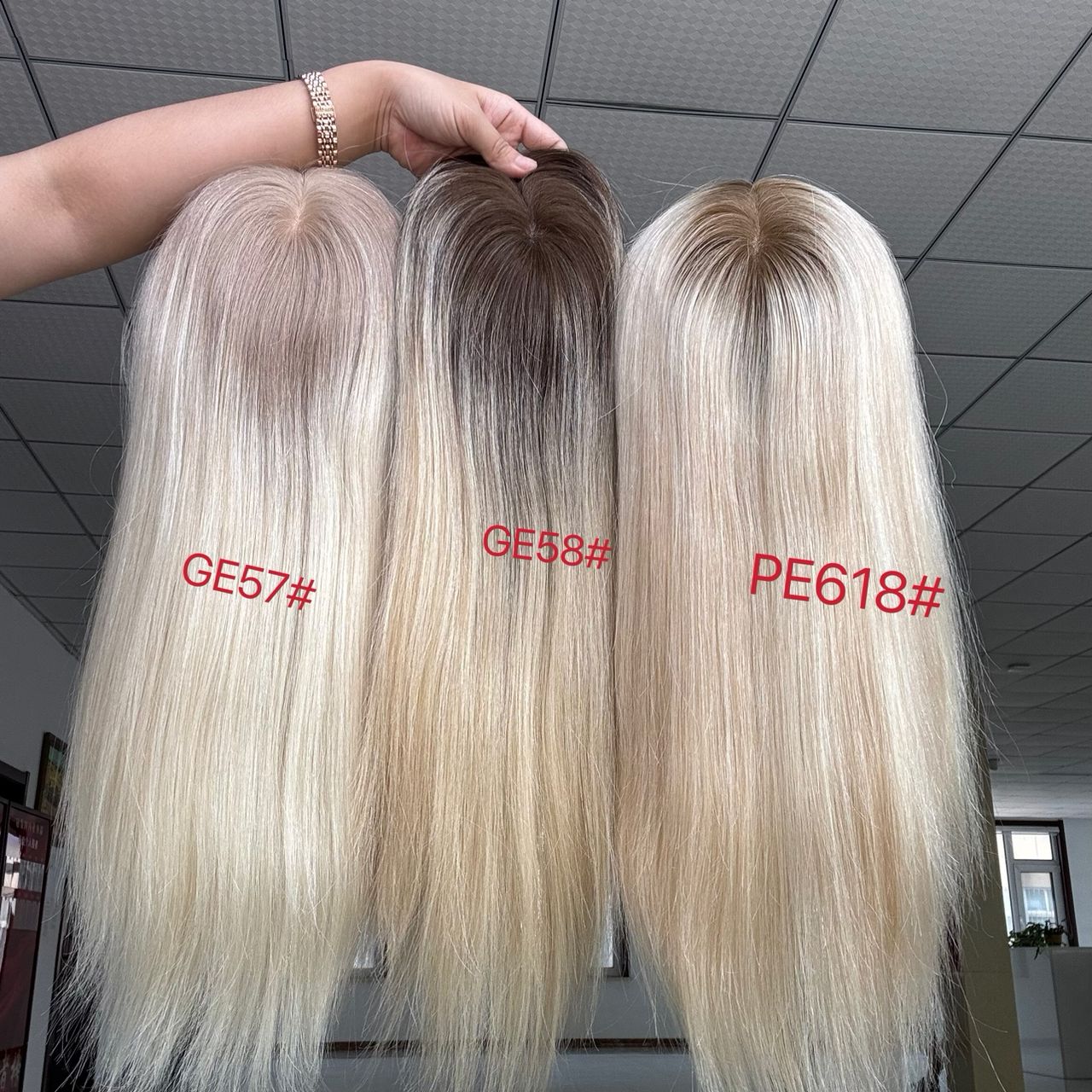
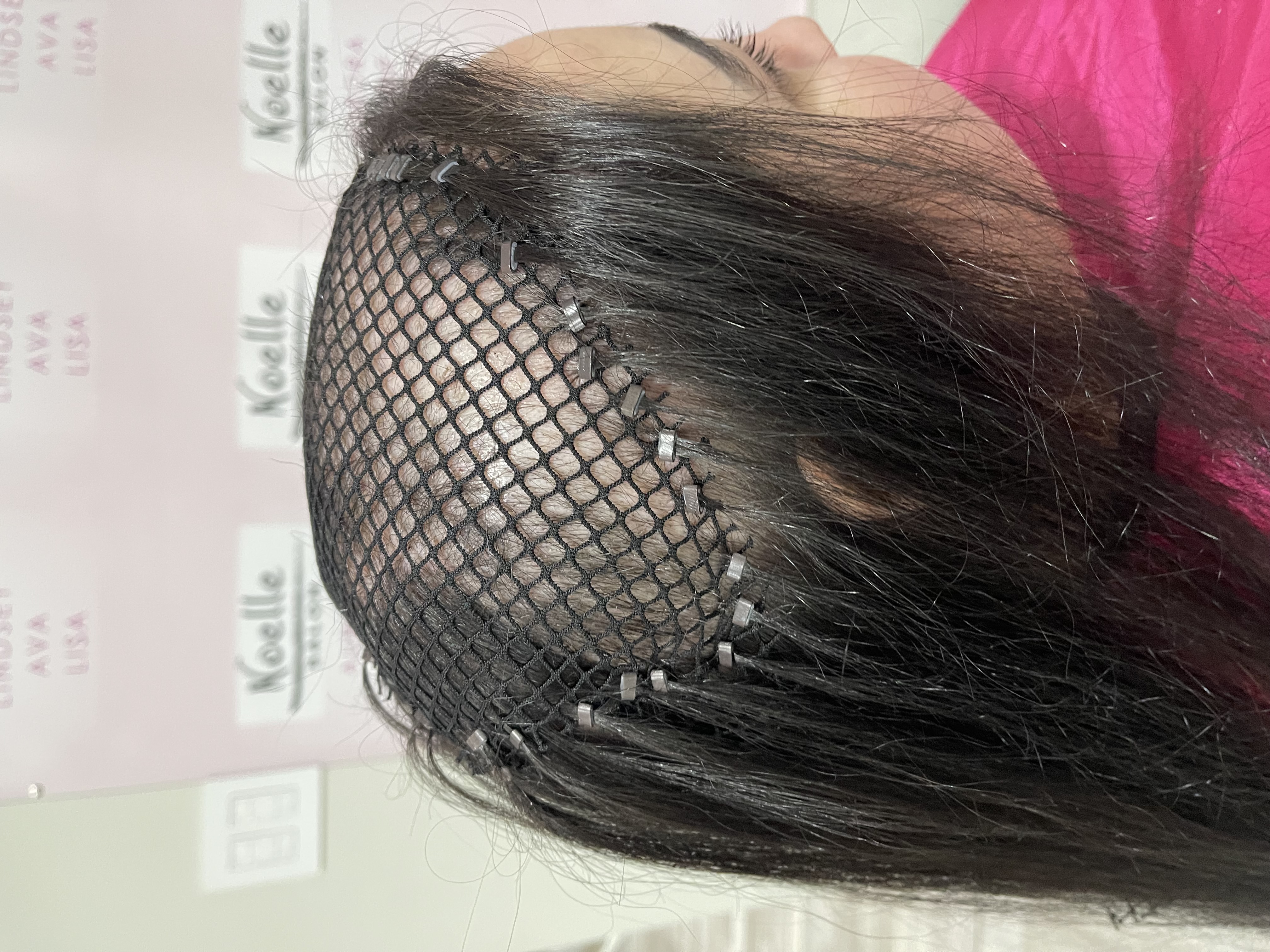
Mesh Integration Work at Noelle Salon

A mesh integration topper, seen at the part, at Noelle Salon in Melrose, MA.

Mesh integration with sew-in extensions at Noelle Salon.
Understanding Mesh Integration Systems
In the world of hair replacement, mesh integration stands out as a modern, customizable solution. It’s designed for clients with diffuse thinning, pattern hair loss, or patchy shedding who want fuller coverage without surgery. The result is a seamless blend that moves naturally with the wearer’s own hair and remains discreet in everyday life.
So what exactly is mesh integration? In simple terms, it’s a lightweight, breathable mesh base tailored to the area of concern and carefully attached to existing hair. The mesh acts like a scaffolding onto which human hair extensions are added. Because the mesh is fine and flexible, it sits comfortably, allows the scalp to breathe, and supports a natural fall and flow of hair. With expert application, the system is virtually undetectable, helping clients feel at ease in social, professional, and active settings.
Defining Mesh Integration and Ideal Candidates
Mesh integration is a non-surgical, semi-permanent hair enhancement that integrates with the client’s remaining hair. Unlike traditional wigs or full hairpieces, it does not require complete coverage of the scalp; instead, it complements what is already there. Clients who often benefit include those with thinning at the crown or parting, postpartum shedding, stress-related thinning, trichotillomania (in active recovery and following professional guidance), or patchy loss. It’s also well-suited to individuals who want a more secure, long-wear option than a removable topper, yet prefer to avoid adhesives when possible.
Because mesh bases are customizable, specialists can design the size, density, and placement to suit the client’s lifestyle and styling preferences. The breathable structure helps promote comfort, while the customized color, texture, and length deliver a polished, natural result.
The Basics of Mesh Integration for Hair Loss
Mesh integration systems offer a more natural, longer-wear alternative to traditional hairpieces. The process begins with an in-depth consultation and hair analysis to understand the pattern and cause of hair loss, scalp health, and desired results. A soft, tailored mesh is then prepared to match the area requiring coverage. High-quality human hair is selected to complement the client’s shade, undertone, texture, and movement.
Application involves carefully securing the mesh and drawing small sections of the client’s hair through the base, then attaching additional hair to build seamless density. Once integrated, the new hair is cut and styled to the client’s preference—just as with any salon service. Clients typically return every 8–12 weeks for maintenance, depending on natural hair growth. With routine care, the system can last up to five months and is designed to be swim, sweat, and windproof when maintained correctly. This careful, step-by-step process results in a secure, natural-looking finish that supports confidence and everyday wear.
Because the system is discreet and comfortable, clients often report increased confidence and satisfaction with their appearance. The breathable mesh, thoughtful color matching, and precise blending ensure the hair looks authentic from all angles.
Mesh Integration vs. Wigs, Toppers, and Extensions
While wigs offer full coverage and toppers provide partial coverage, mesh integration occupies a unique space between the two. It integrates with the wearer’s hair, can be worn continuously between maintenance appointments, and provides targeted density where it’s needed most. Traditional extensions add length and fullness but may not address thinning at the root or crown; mesh integration is designed to camouflage visible scalp and create even distribution of volume at strategic points. Clients who dislike adhesives or shaving often appreciate the micro ring and non-adhesive options available within mesh systems.
Benefits of Offering Mesh Integration in Your Salon
Adding mesh integration to your service menu helps you lead with innovation while addressing a widespread need: hair loss and thinning. This specialty service can significantly expand your reach, bringing in clients who may not have considered your salon before. Because mesh integration directly supports self-esteem and comfort, it often cultivates deep loyalty and long-term relationships.
From a business perspective, specialized services often command premium pricing, reflecting the skill, time, and quality materials involved. Certification as a mesh integration specialist sets you apart, positions your salon as a trusted destination for hair loss solutions, and creates a steady, repeatable revenue stream through maintenance appointments and aftercare products.
How Mesh Integration Elevates Client Experience
Clients value services that look natural, feel comfortable, and simplify daily styling. Mesh integration’s customization—color matching, strategic density, and tailored cuts—produces a lived-in finish that boosts confidence. Because the system is designed for everyday life, clients can work, exercise, socialize, and style their hair without drawing attention to the enhancement. This practicality translates to stronger word-of-mouth and more referrals from happy clients.
Hypothetical Salon Scenarios
Imagine a boutique salon that introduces mesh integration and trains two stylists. Within weeks, existing clients begin inquiring about solutions for thinning and fine hair, and new clients arrive after seeing authentic-looking results. Over time, maintenance bookings fill the calendar, and the salon adds consultation packages and aftercare bundles. Another scenario: a freelance stylist offers mobile consultations and partners with a salon for application days. By focusing on thorough consultations and realistic expectations, the stylist grows a reputation for compassionate, skillful work, leading to a steady roster of loyal clients.
Enhancing Salon Revenue with Mesh Integration Services
Integrating mesh services helps you reach a growing market seeking non-surgical solutions. Because this specialty relies on technical precision and premium hair, it justifies premium pricing and supports salon growth through initial applications and cyclical maintenance. Consider how you can package services—consultation, application, cut and blend, maintenance, and aftercare—to create clear value and predictable revenue.
- Expand Your Clientele: Welcome clients actively searching for hair loss solutions and supportive stylists.
- Establish Expertise: Differentiate your brand as a destination for mesh integration and compassionate care.
- Command Premium Prices: Reflect the advanced skill set and quality materials in your pricing strategy.
- Flexible Career Path: Offer services in-salon or operate as a freelance artist with a schedule that fits your lifestyle.

Comprehensive Guide to US-Based Training Programs at Noelle Salon
Curious about training for this technique? US-based mesh integration courses are designed for licensed cosmetologists and hairstylists who want to expand their skill set and serve clients experiencing hair loss. Programs typically blend theory with hands-on practice, ensuring you leave prepared to consult, design, apply, and maintain mesh systems with confidence.
Core modules often include client consultations and hair analysis, mesh customization, application methods, blending and cutting, maintenance scheduling, and safe removal. Many training providers also offer post-course support, so you can receive guidance as you begin taking on clients. This support can be invaluable for building confidence, refining your technique, and navigating real-world scenarios.
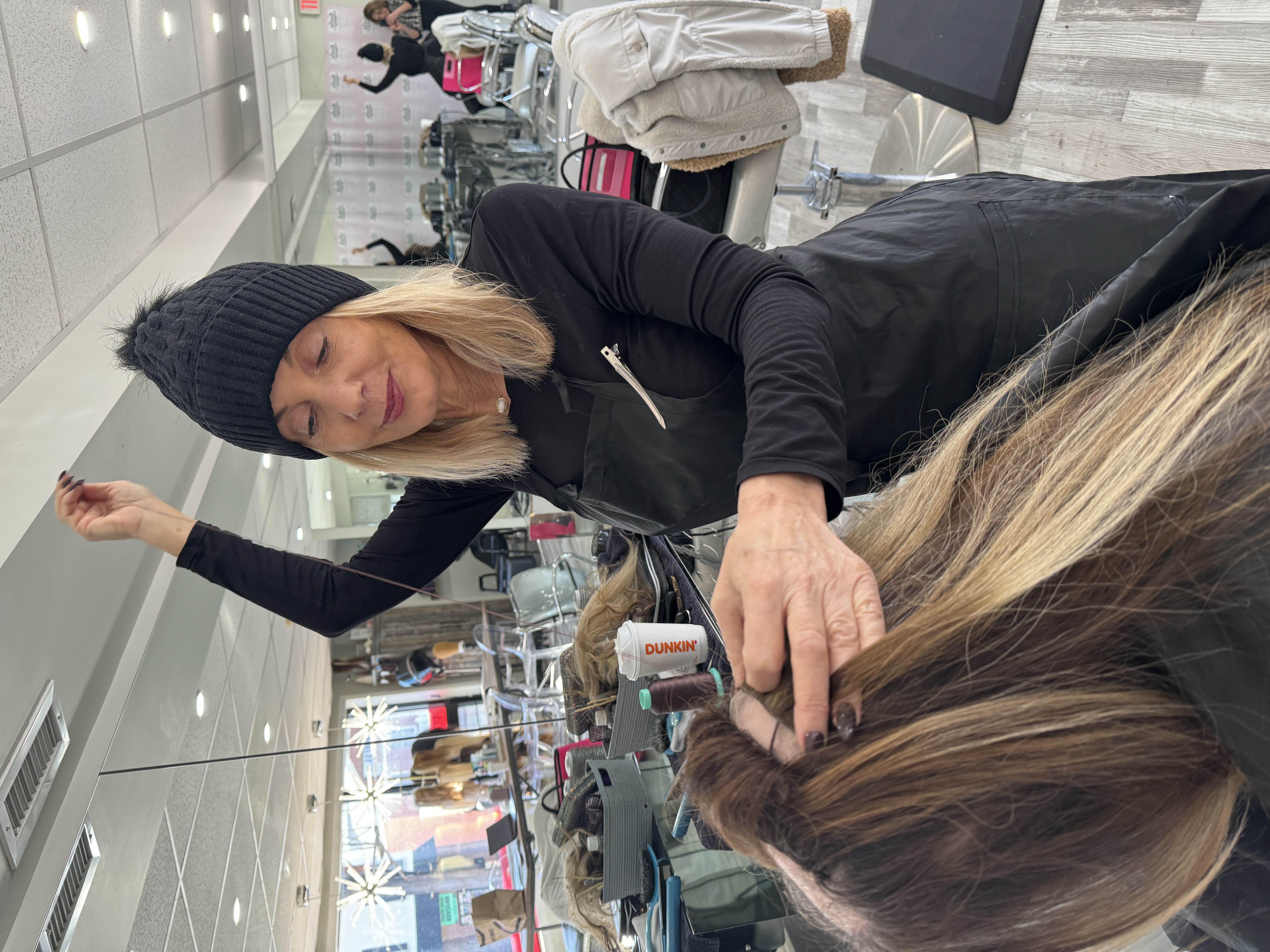
Key Components of Mesh Integration Training
Quality training gives you the technique, artistry, and client-care skills to deliver reliable results. Programs commonly start with an overview of hair loss patterns, scalp considerations, and candidacy. You’ll learn how to map the area of concern, measure precisely, and tailor a soft, breathable mesh that is secure yet comfortable. On practice heads, you’ll rehearse cutting, building, and fixing the mesh, followed by hair addition and blending. Many courses emphasize live demonstrations to highlight best practices and common pitfalls.
Training also explores multiple attachment methods, micro ring work, color matching, density planning, and long-term maintenance. Communication skills are equally important: you’ll learn how to set expectations, create aftercare plans, and discuss upkeep. With accredited training from well-known hair extension brands and recognition in industry publications like Hairdressers Journal and Hair Magazine, you can build credibility as a technical expert who delivers specialized solutions to clients with hair loss, alopecia, trichotillomania, or thinning hair. Courses may include options to spread payments over time when purchasing online, offering flexibility as you invest in professional development.
Other vital topics include blending techniques for different hair textures, maintenance scheduling, and safe removal. In addition, you’ll cover sanitation standards, ethics, and client well-being—ensuring you practice responsibly and with empathy. A strong program prepares you to become a confident mesh integration specialist who supports clients through every stage of their journey.
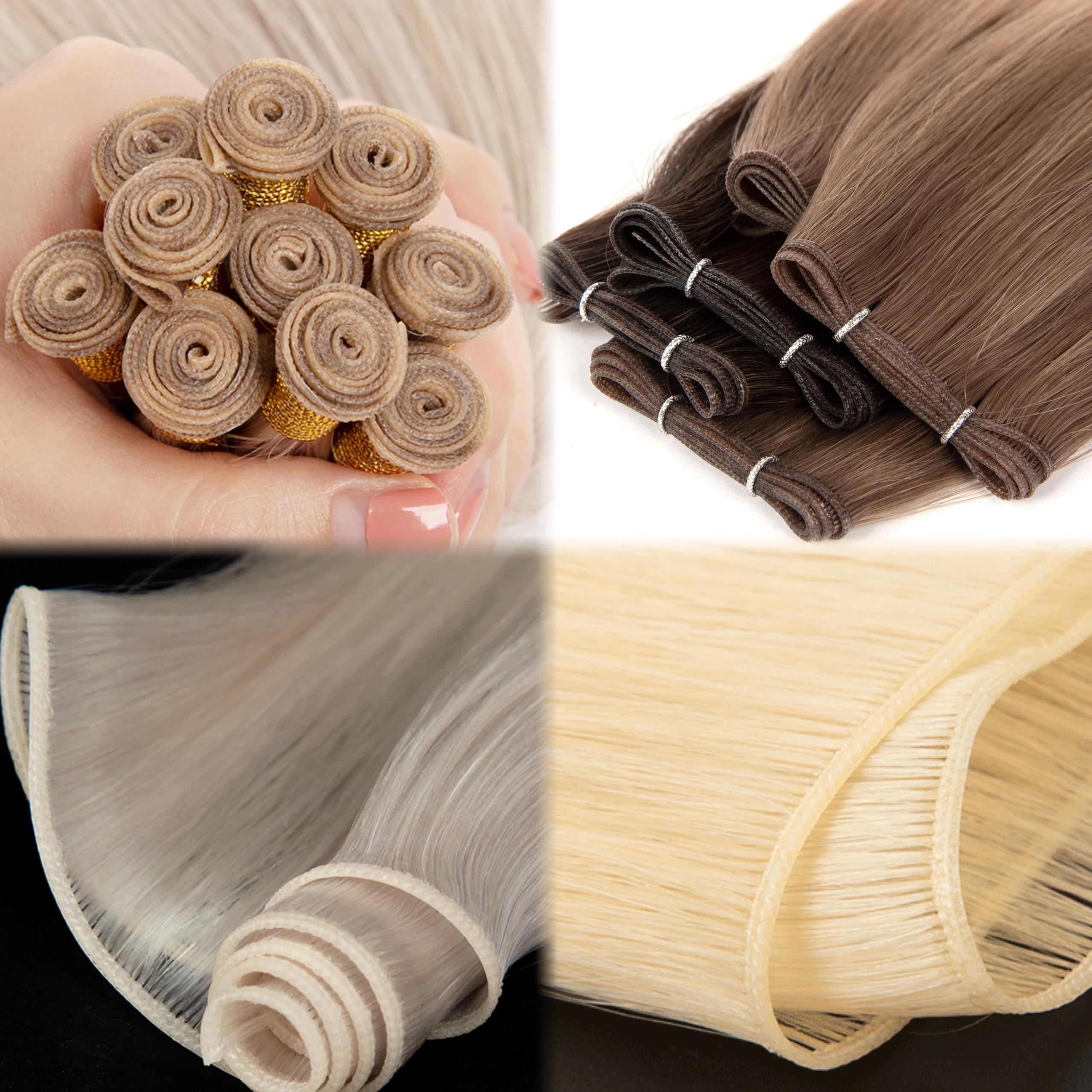
What You’ll Learn: From Consultation to Aftercare
A thorough course equips you to:
- Consult with confidence: Conduct hair and scalp assessments, discuss goals, and set expectations.
- Customize the mesh: Design the size, shape, and placement to match the client’s area of concern.
- Apply and secure: Use appropriate methods, including micro ring techniques, to attach the mesh comfortably.
- Blend and style: Cut and finish the integrated hair for a seamless, natural look.
- Maintain safely: Schedule 8–12 week maintenance, address regrowth, and keep the system secure and comfortable.
- Remove and refresh: Take down systems without compromising natural hair, and plan the next application as needed.
Tools, Materials, and Hygiene Standards
You’ll become familiar with essential tools—precision scissors, loop tools, micro rings, thread, needles, and color swatches—along with high-quality human hair that matches the client’s undertone and texture. Training emphasizes sanitation, hygiene, and safe handling to protect both client and stylist: disinfecting tools, maintaining clean workstations, and following best practices for scalp comfort and hair integrity.
Client Communication and Ethical Considerations
Successful specialists combine artistry with empathy. Courses cover how to explain the process, discuss realistic outcomes, and provide aftercare guidance. You’ll learn when to recommend alternative solutions, when to delay services (for example, in cases requiring medical guidance), and how to prioritize the client’s natural hair health at every stage.
Practical Tips for Launching Mesh Integration Services
Once trained, plan your service menu and client journey. Offer structured consultations to assess candidacy and collect a thorough history. Develop transparent pricing that reflects consultation, application, cut and blend, and maintenance. Prepare aftercare kits with recommended brushes, gentle cleansers, and styling tips. Consider a follow-up check after the first application to ensure comfort and answer questions.
Create photo documentation (with client consent) to showcase transformations and build social proof. Encourage clients to pre-book maintenance so their system remains comfortable and secure. If you are freelancing, partner with a salon for application days to access a professional environment and expand your reach. Over time, refine your process with feedback—every improvement enhances client satisfaction and retention.
Conclusion
Mesh Integration Hair System Training is an opportunity to expand your salon’s expertise and serve clients seeking a natural-looking, non-surgical hair loss solution. By understanding how mesh systems work, who they help, and how to apply and maintain them, you can deliver transformative results while growing a stable revenue stream. US-based programs provide the theory, hands-on practice, and mentoring needed to consult confidently, customize mesh bases, blend seamlessly, and schedule dependable maintenance.
If you’re ready to add a high-impact specialty that elevates client confidence and builds lasting loyalty, explore accredited training, assemble your professional kit, and plan your launch. The sooner you master mesh integration, the sooner you can offer clients a customized path to fuller-looking hair—and position your brand as a trusted destination for compassionate, expert care. Book a free hair loss consultation.
Frequently Asked Questions
What are the prerequisites for Noelle Salon mesh integration training?
Requirements vary by academy, but most programs recommend or require professional hairdressing experience or licensure. You don’t need to own a salon or be a dedicated hair loss specialist to begin. Contact the training team for specific enrollment criteria and any qualifications they may suggest, such as NVQ-equivalent credentials where applicable.
How long does the training typically last?
Program length depends on the course format. Some intensive options are completed in a single day, while others may be spread across multiple sessions or offered online. Many comprehensive courses include a professional kit and may provide ABT & CPD accreditation to validate your training.
Can mesh integration be combined with other hair loss solutions?
Yes. The mesh integration hair replacement system can complement other approaches based on the client’s needs. The priority is always the health of the client’s hair and scalp, along with realistic goals for density and styling. When integrated thoughtfully, clients can achieve the look of fuller, healthy hair while maintaining comfort and discretion.
Is mesh integration suitable for all hair types and textures?
Mesh systems are highly customizable and can be designed for a wide range of hair types and textures. During consultation, your specialist matches color, undertone, curl pattern, and density to ensure the result blends seamlessly with your natural hair.
How often will I need maintenance, and what does it involve?
Most clients return every 8–12 weeks for maintenance, depending on hair growth. Appointments typically include checking the mesh for comfort, addressing regrowth, refreshing secure points, and refining the blend so the style remains natural and secure.
Will mesh integration damage my natural hair?
When applied and maintained correctly by a trained specialist, mesh integration is designed to be gentle and protective. Proper sectioning, tension control, and aftercare help safeguard natural hair. Your stylist will also advise when a rest period or alternative solution is recommended.
Can I wash, style, and exercise with a mesh integration system?
Yes. With appropriate aftercare, the system is designed for daily life, including washing, styling, and physical activity. Your stylist will recommend tools and techniques—such as gentle detangling and heat control—to maintain the hair’s integrity between appointments.
What does aftercare involve, and do I need special products?
Aftercare focuses on gentle cleansing, mindful styling, and routine maintenance visits. Your stylist may suggest specific brushes and lightweight, hydrating products to preserve softness and movement. Consistent care supports longevity and comfort.
How is color matching and density planned?
Your specialist assesses your base color, undertone, and highlights, then selects hair that complements your natural tones. Density is mapped to balance coverage with realism, ensuring the finished look is full, airy, and believable from every angle.
What if I am experiencing medical hair loss?
Clients navigating medical hair loss may be suitable for mesh integration, but timing and approach depend on individual circumstances. Your stylist may recommend coordinating with healthcare providers and selecting a plan that respects scalp sensitivity and hair health.
Do I receive a certificate after completing training?
Many programs issue a certificate upon successful completion, often with ABT & CPD accreditation. This recognition can help demonstrate your commitment to safe practice and high standards when marketing your services to clients.
Is online training effective for learning mesh integration?
Structured online learning can be valuable for theory and demonstrations. Hands-on practice—either during in-person workshops or guided practical sessions—is essential for mastering application, blending, and maintenance techniques.
How do I set pricing for mesh integration services?
Pricing typically reflects consultation time, customization, application complexity, and premium hair quality, plus ongoing maintenance. Transparent packages help clients understand the full journey—from first application to regular upkeep.
Can I offer mesh integration as a freelance stylist?
Yes. Many specialists operate as freelancers, consulting privately and partnering with salons for application days. This flexible model can help you reach more clients while managing your schedule and overhead thoughtfully.


