

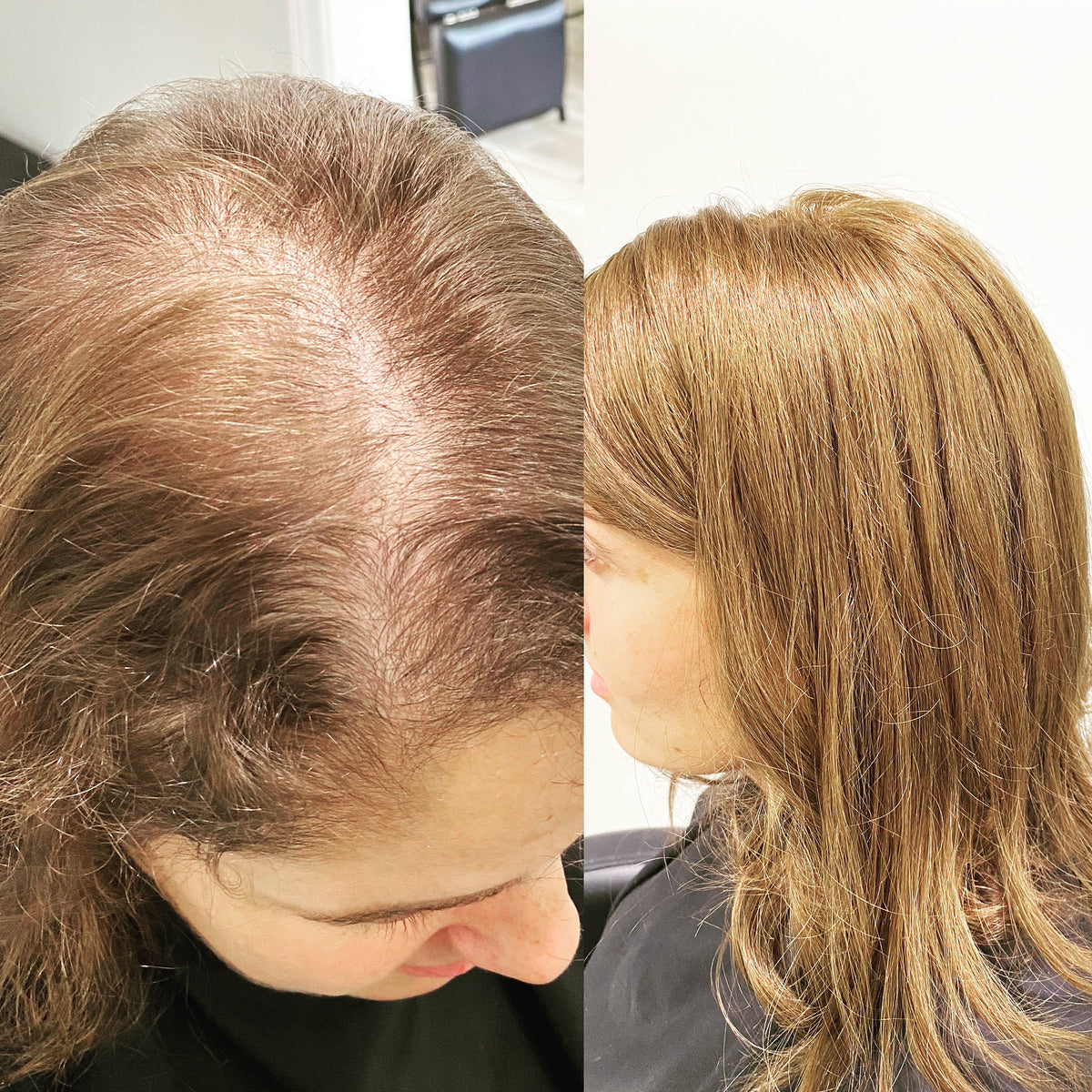


The Origin of Hair Extensions: Where They Really Come From
Many clients ask where human hair for hair extensions actually comes from—and the answer isn’t always straightforward.
For those searching for hair extensions Boston, understanding the origin and quality of extension hair is essential when choosing a method that looks natural and lasts over time.
Hair used for extensions is typically sourced from several regions around the world, including Asia, India, South America, and Eastern Europe. While the origin matters, the way the hair is collected and processed has an even greater impact on its quality.
What Is Remy Hair and Why Does It Matter?
One of the most important factors in hair extension quality is whether the hair is Remy.
Remy hair means that the cuticle is kept intact and aligned in the same direction as it naturally grew. This helps the hair remain smooth, shiny, and resistant to tangling.
Lower-quality hair is often collected from multiple sources, with strands facing different directions. To make it usable, it is typically processed with acid to strip the cuticle and then coated with silicone to create temporary shine.
The Difference Between High-Quality and Low-Quality Hair
Not all hair extensions are created equal. The biggest differences come down to how the hair is handled and processed.
High-quality hair:
- Has intact, aligned cuticles
- Feels soft and natural
- Maintains its texture over time
- Blends easily with natural hair
Lower-quality hair:
- May be acid processed
- Coated with silicone for artificial shine
- Tangles or mats after a few washes
- Has thin, uneven ends
Once the silicone coating wears off, lower-quality hair can quickly lose its smooth appearance and become difficult to manage.
What Does “Virgin Hair” Really Mean?
The term “virgin hair” is often used in the industry, but it can be confusing.
In general, virgin hair refers to hair that has not been chemically processed and may come from a single donor. However, labeling is not always consistent across suppliers.
Because of this, it’s important to evaluate the actual quality of the hair rather than relying on labels alone.
How to Identify Quality Hair Extensions
If you’re investing in hair extensions, there are a few ways to evaluate quality:
- The hair should feel soft, not overly coated or slippery
- Excessive shine can indicate silicone coating
- Ends should feel full, not thin or stringy
- The hair should move naturally and not tangle easily
Seeing and feeling the hair in person during a consultation can help you make a more informed decision.
Conclusion: Choosing High-Quality Hair Extensions
The origin of hair extensions is only one part of the equation—how the hair is collected, processed, and maintained plays a much larger role in its overall quality.
Choosing high-quality hair ensures better longevity, easier maintenance, and a more natural-looking result.
If you’re considering hair extensions Boston and want to ensure you’re selecting the right hair for your needs, a consultation can help you evaluate quality and choose the best option for your hair type.
👉 Book a free hair extensions consultation to explore high-quality options tailored to your hair.
Looking for more options? Explore the full range of hair extensions in Boston at Noelle Salon.


