

Piano vs Mixed Hair Extension Colors: What’s the Difference? | Hair Extensions Boston

Choosing the right hair extension color is just as important as choosing the right method. The way color is blended can completely change how natural your extensions look.
For clients searching for hair extensions Boston, piano and mixed color techniques are two of the most popular options for creating dimension, movement, and a seamless blend with natural hair.
Understanding the difference between these two color styles can help you choose the look that best matches your hair, your lifestyle, and your overall aesthetic.
The Definition and Appeal of Piano Hair Extensions
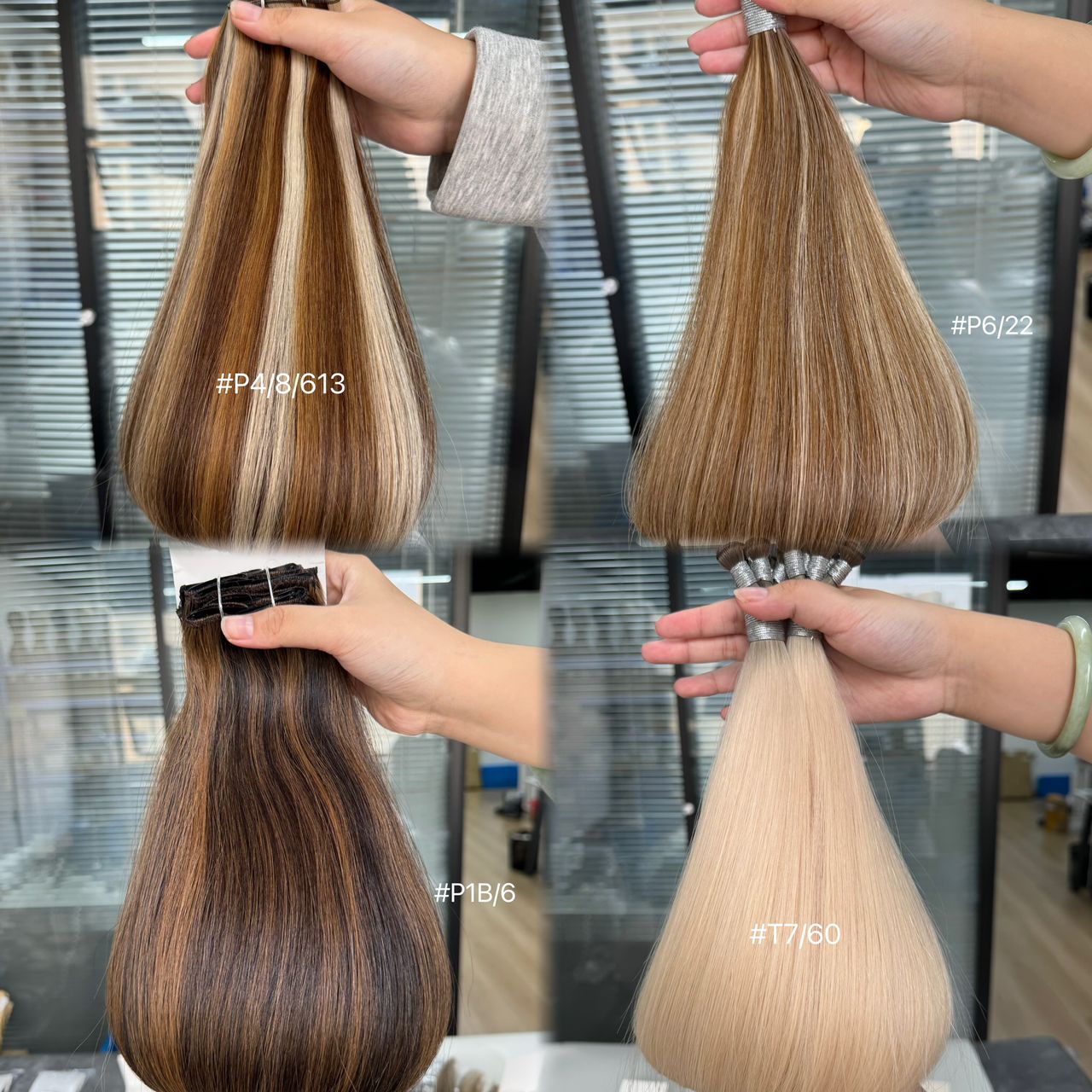
Imagine a piano with its black and white keys. This strong contrast inspires piano hair color and evokes feelings of efficiency in shipping. This method blends two different shades in each strand of human hair extensions. One is usually a darker base, and the other is lighter highlights.
What do you get? A look with depth and interest that makes your hairstyle stand out. Piano color is great for anyone who wants a bold look that seems natural. The mix of strands in different shades creates a smooth flow. It looks like hair that has been naturally highlighted.
Mixed Hair Extension Colors: A Guide to Natural, Sun-kissed Looks
If you want a light and sun-kissed change, mixed hair extension colors are a great option for those with blonde hair. This method mixes different shades in one weft, creating a smooth blend that looks like the natural variations of hair.
In contrast to the bold look of piano color, mixed colors have a softer style. Individual hair strands are chosen and combined, making a double weft that blends well with your own hair. Whether you want a beachy blonde or a warm brunette, mixed colors give a natural shine.
The Art of Blending: How Piano and Mixed Colors Transform Your Look

The real charm of piano and blended colors is how well they go with your current hair. When done right, these methods can bring out your natural looks and form a smooth appearance that seems real.
Let’s look into the ways these color techniques work and see how they can be adjusted to fit your unique style.
Achieving Harmony with Two-Toned Piano Extensions
The key to using piano extensions well is picking the right colors for your natural hair and the look you want. A good stylist can help you choose shades that match and enhance your curly hair, straight hair, or wavy texture.
The process usually starts with placing weft hair extensions in a way that they blend naturally. You can change the amount of grams of hair used to get the level of volume and thickness you want through sewing techniques. The different shades in the piano extensions add depth and dimension. This gives the look of natural highlights.
Mastering the Blend: Techniques Behind Mixed Hair Colors
Mixed hair colors are great for making subtle, sun-kissed looks. High-quality remy human hair is often used because it blends well with natural hair textures. The secret is choosing the right mix of shades for a natural color flow.
Some popular options are honey blonde highlights for a beachy look or caramel tones for a warm, sun-kissed shine. These bestsellers work well with many hair colors and skin tones, making them a flexible choice for anyone wanting subtle yet stunning changes. To get the best results by Monday, invest in good hair extensions and practice proper care.
T Hair Extensions: The Balayage Connection

T hair extensions have become very popular lately, and there are good reasons for that. These extensions give a blended look with roots that resemble the look of balayage highlights.
Similar to piano and mixed colors, T hair extensions focus on looking natural. What makes them different is how they are made and applied.
Understanding the Rooted Magic of T Hair Extensions
T hair extensions get their name from the "T" shape made during production. They use virgin, unprocessed hair, often seen in colors like blonde. This hair is sewn onto a thin weft. This method helps it blend smoothly from the root to the tip. It’s great for people with darker hair. They can add natural-looking highlights without having to bleach their own hair.
Customer service representatives at good hair extension and wigs companies can help you choose the right shade and length. They will make sure it fits well with your natural hair color and style you want.
Comparing T Hair Extensions with Traditional Balayage
While both options give you a natural, sun-kissed look, T hair extensions are a semi-permanent choice. They involve less chemical processing than traditional balayage. Getting balayage highlights at a salon can take a lot of time and money. Plus, the keratin treatment sometimes needed can harm your hair.
T hair extensions provide a way to get similar results without as much damage or cost. You can easily clip them in or out, giving you more choices for hairstyles and styling. You can also try different colors and placements without any long-term promises. Most T hair extensions come in standard grams, usually about 100 grams per pack. This lets you change the thickness and volume to match what you like, ensuring that the cuticles remain intact for a more natural look.
Conclusion: Choosing the Right Hair Extension Color Blend
Piano and mixed hair extension colors each offer a different approach to creating dimension and natural-looking movement.
Piano colors create a more defined contrast, while mixed colors provide a softer, more blended result that mimics natural highlights.
The best choice depends on your natural hair color, the level of dimension you want, and how seamless you want the final blend to appear.
If you’re considering hair extensions Boston and want help choosing the right color match for your extensions, a professional consultation can ensure the most natural and flattering result.
👉 Book a free hair extensions consultation to find the perfect color blend for your hair and desired look.


