

Pros and Cons of Hand Tied Hair Extensions | Hair Extensions Boston
Hand tied hair extensions have become a popular method for adding length and volume, but they are not a new concept. This technique is similar to traditional sew-in weaves, with a few key differences in how the hair is attached and distributed.
For clients searching for hair extensions Boston, understanding how hand tied extensions work—and whether they are the right fit for your hair type—is essential before choosing this method.
Hand tied extensions use thin wefts that are sewn onto a row of beads (micro links) placed along the scalp. This allows for multiple wefts to be layered on one row, creating significant volume. While this method can be effective, the weight and tension can impact how well it works for different hair types.
How Hand Tied Hair Extensions Work
Instead of braiding the natural hair as in traditional sew-ins, hand tied extensions are anchored using small beads placed along the scalp. The wefts are then sewn onto this foundation.
This method allows for a fuller look with fewer rows, but because multiple wefts are stacked together, it can create more weight in concentrated areas. Proper placement and sectioning are critical to avoid unnecessary tension on the hair.
Who Is a Good Candidate for Hand Tied Extensions
Hand tied extensions are best suited for clients with:
- Medium to thick hair density
- Strong, healthy hair
- A desire for significant volume and length
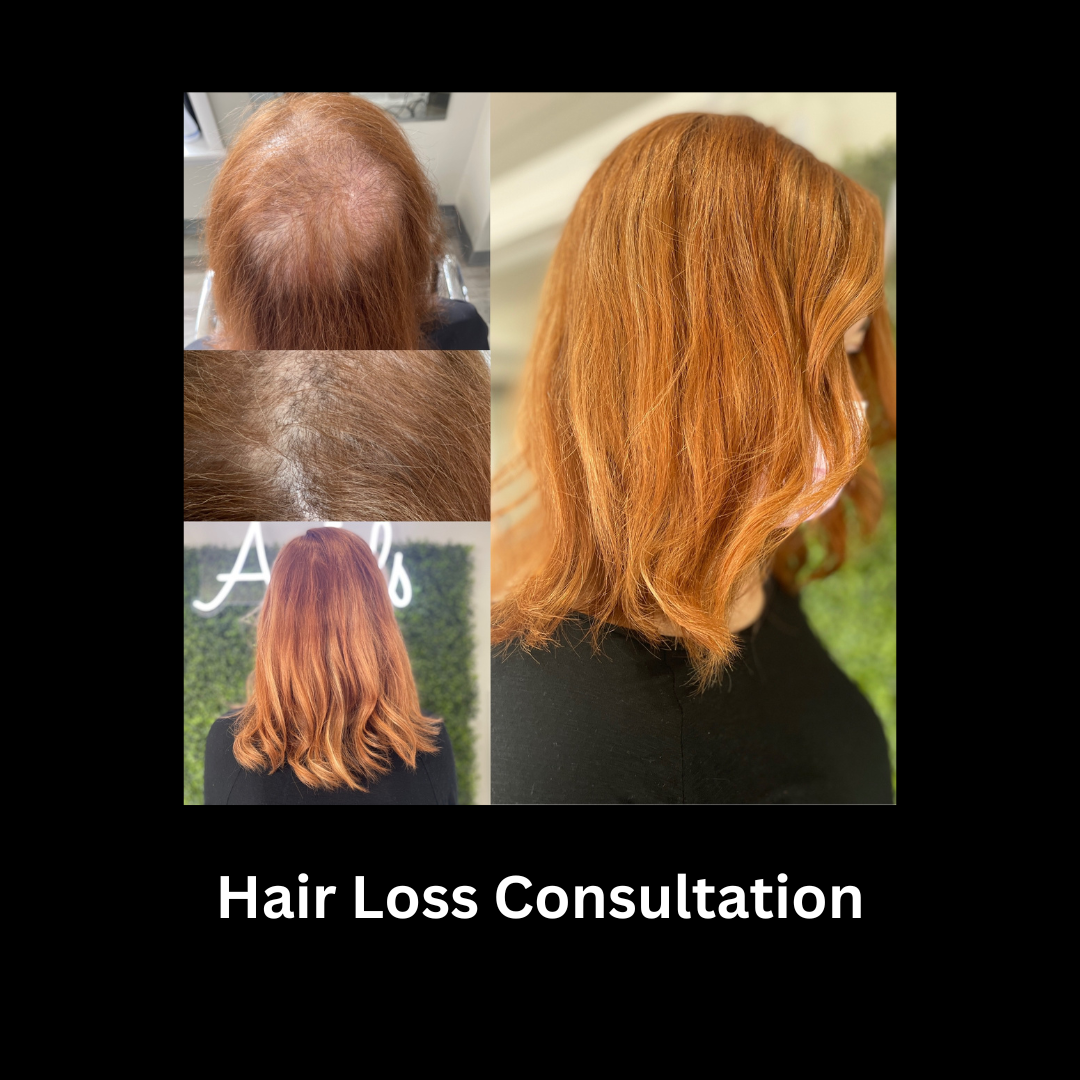
This method is generally not recommended for fine or thinning hair, as the weight of the wefts can be too heavy and may lead to discomfort or stress on the scalp.
Pros of Hand Tied Hair Extensions
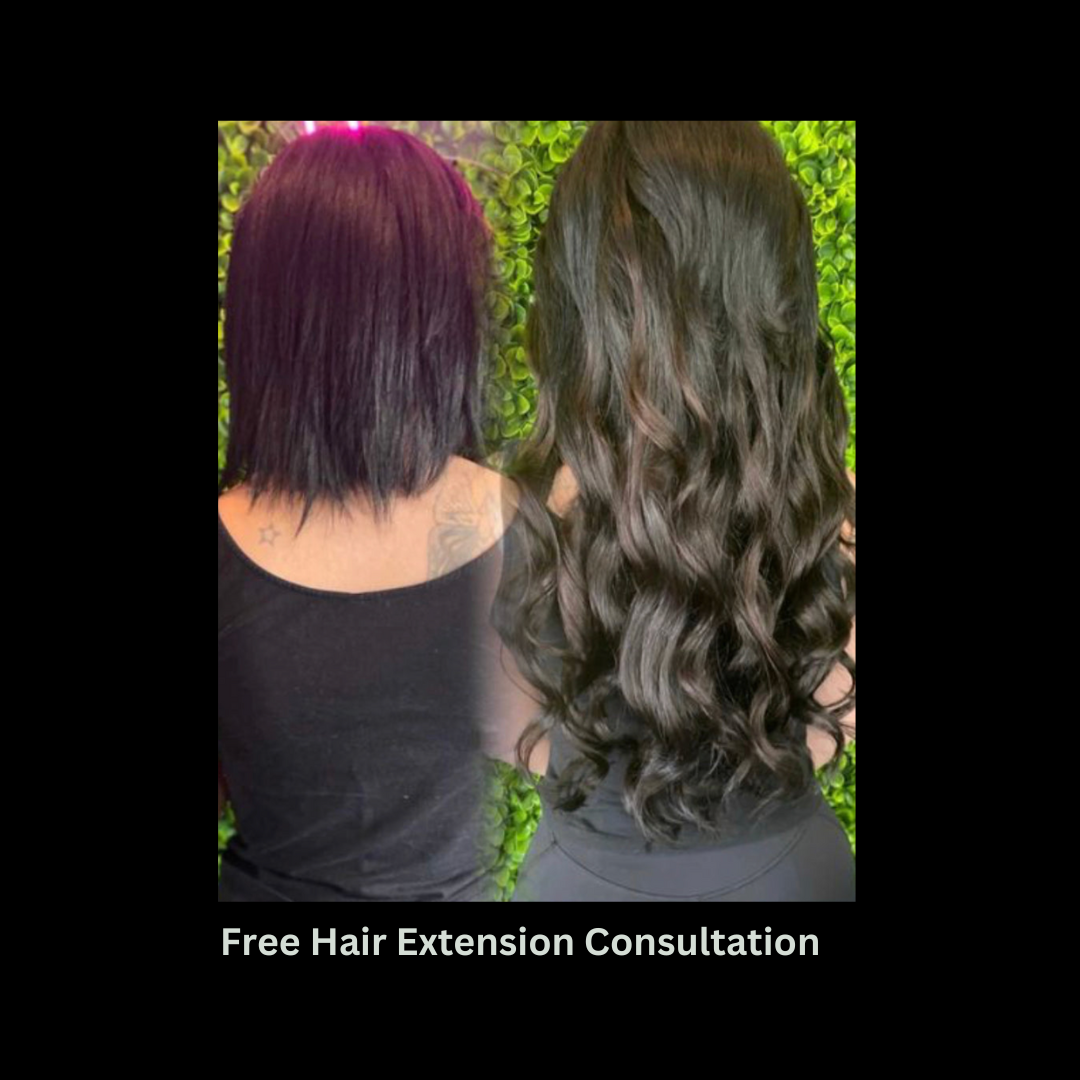
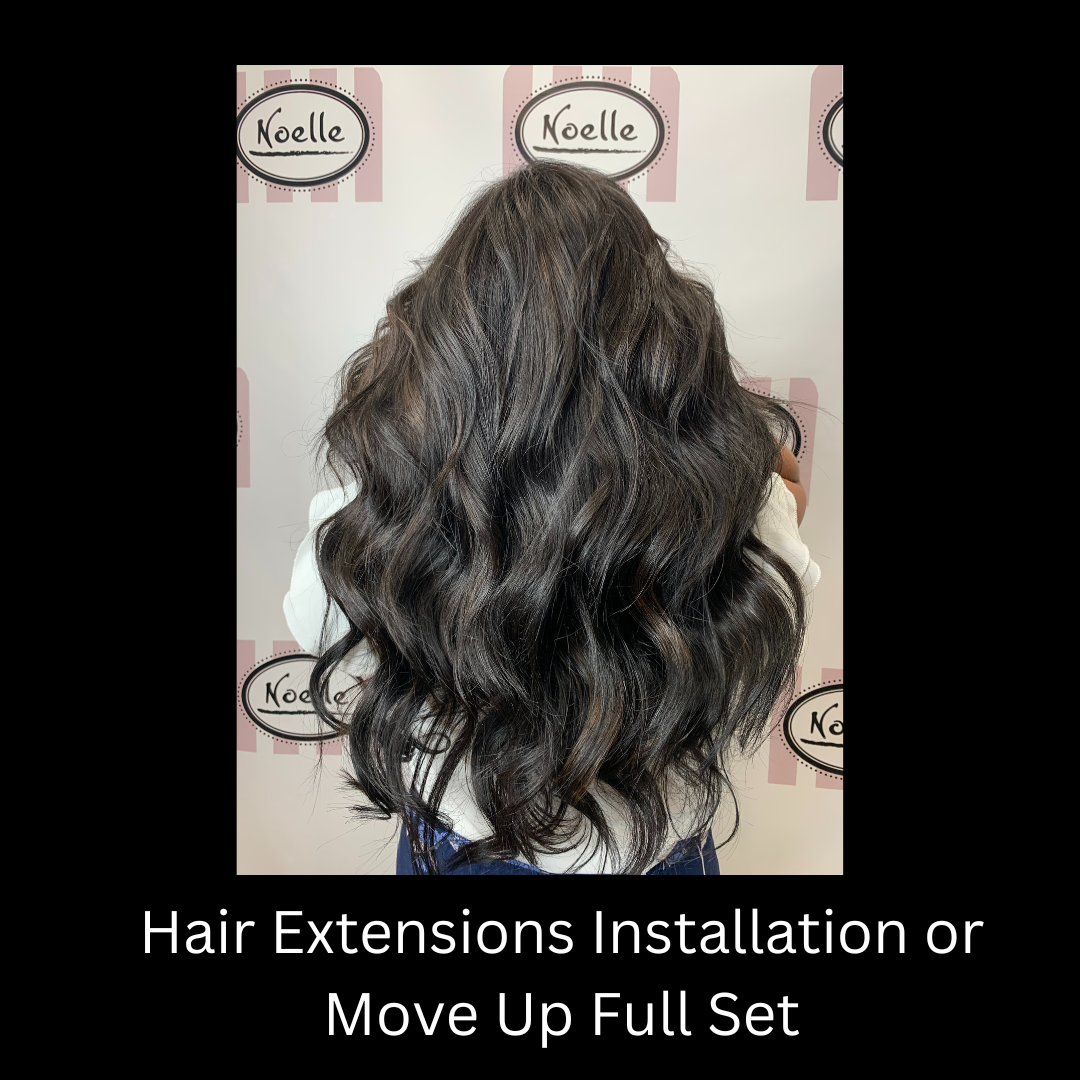
Hand tied extensions can create a full, voluminous look and are ideal for clients who want dramatic length or thickness. They allow for longer lengths, including 22–24 inches or more, and can support a variety of color techniques such as highlights or color blending.
Cons of Hand Tied Hair Extensions
Because multiple wefts are stacked together, this method can feel heavy, especially for those with finer hair or a sensitive scalp. Some clients experience tension or small bumps along the bead row due to pressure.
The attachment area can also be more difficult to brush through, and styling options may be limited—especially when it comes to wearing a high ponytail. Proper drying is essential, as moisture trapped near the attachment can lead to tangling or matting.
How This Method Compares to Other Extensions
Hand tied extensions are just one of many methods available. Other options, such as tape-in, keratin bond, or pull-thru extensions, may offer more flexibility depending on hair type.
For clients with fine or thinning hair, lighter methods that distribute weight more evenly may be a better option. Choosing the right method depends on hair density, scalp sensitivity, and overall lifestyle.
Choosing the Right Hair Extension Method
No single extension method works for everyone. The best results come from selecting a method that matches your hair type, styling habits, and maintenance routine.
Working with an experienced stylist ensures that your extensions are applied correctly, balanced properly, and customized to your natural hair.
Conclusion: Are Hand Tied Hair Extensions Right for You
Hand tied hair extensions can be a great option for adding volume and length, especially for those with thicker hair.
However, because of the weight and structure of the method, they are not ideal for every hair type. Understanding the pros and cons helps you make a more informed decision.
If you’re considering hair extensions Boston and want to find the best method for your hair type and goals, a consultation can help determine the safest and most effective option.
👉 Book a free hair extensions consultation to find the right method for your hair.


