

What Happens When You Don't Brush Extensions?
What actually happens if you stop brushing your hair extensions?
It might not seem like a big deal at first—but skipping this simple step is one of the fastest ways to ruin both the look and lifespan of your extensions. Unlike your natural hair, extensions don’t receive natural oils from your scalp, which means they’re more prone to dryness, tangling, and matting if not properly maintained.
When extensions aren’t brushed regularly, small tangles can quickly turn into tight knots, leading to frizz, shedding, and even damage at the attachment points.
At Noelle Salon, specializing in hair extensions Boston, we see this all the time—and the difference between extensions that last months versus weeks often comes down to daily care habits like brushing.
In this guide, we’ll break down exactly what happens when you don’t brush your extensions, how to prevent damage, and the best way to keep them smooth, soft, and long-lasting.
4 months later, brushed and not brushed keratin bonds

The Importance of Brushing Your Hair Extensions
Proper brushing is an essential element of hair extension care, ensuring that your extensions stay tangle-free and looking their best. When brushing your extensions, it's important to remember that they no longer receive the natural oils from your scalp, so regular brushing helps distribute these oils from the scalp down the length of the extensions. This not only adds shine to your extensions but also keeps them moisturized, preventing dryness and breakage. Additionally, brushing your extensions helps to separate the strands, preventing matting and tangling, which can be time-consuming and frustrating to detangle later. Ready to learn more about the key elements of extension care and the preventive measures to avoid extension damage? Keep reading!
Key Elements of Extension Care
To ensure the health and longevity of your extensions, it's important to understand the key elements of extension care. Conditioning the ends of your hair extensions is vital for maintaining moisture, as the ends of your extensions are the oldest part of the hair and can easily dry out. When washing your extensions, opt for sulfate-free shampoo to avoid stripping the extensions of their natural oils, which can lead to dryness and tangling. Using a heat protectant before styling your extensions is crucial to shield them from heat damage, just like you would with natural hair. Lastly, applying dry shampoo to the roots of your extensions helps absorb excess oil, keeping them looking fresh and clean. If you are out of dry shampoo spray some hairspray on extension attachments, but do not do this too often since alcohol based products lead to dry hair extensions.
Preventive Measures for Extension Damage
To prevent damage to your hair extensions, there are several preventive measures you can take. Firstly, always use a heat protectant spray before using hot styling tools, such as curling irons or straighteners, to minimize heat damage. Secondly, avoid shampoos and conditioners that contain sulfates, as these can strip the extensions of their moisture and cause tangling. Opt for sulfate-free hair care products instead. Do not use keratin based products since hair extensions are treated with keratin protein and you do not need to add more.
Understanding the Impact of Neglecting Hair Extensions
Failure to properly care for your hair extensions, including regular brushing, can have significant negative effects on their overall condition and appearance. Neglecting to brush your extensions can result in tangles, knots, and matting, making them challenging to style and causing breakage when trying to detangle the hair. Additionally, neglecting your extensions can lead to frizz and dryness, causing the hair to lose its natural shine and softness. Understanding the impact of neglecting hair extensions emphasizes the importance of maintaining a proper brushing technique and incorporating regular care into your hair care routine. Shine spray is better than pump oil since it does not oversaturate the hair with oil.

Effects on Extension Health
Neglecting your hair extensions can have various detrimental effects on their overall health and appearance. One of the most common issues is tangling, where the hair extensions intertwine and become knotted, making them difficult to brush and style. This tangling can lead to breakage, causing the hair extensions to appear thinner and more damaged. Additionally, neglecting your extensions can result in frizz, making them appear unruly and less sleek. Dryness is another consequence of extension neglect, as the extensions no longer receive the natural oils produced by your scalp. This dryness can lead to a lack of luster and overall decrease in the quality of the extensions, making them appear dull and lifeless. Scalp facials and steam treatments work great on dry hair types.

Long-term Consequences
The long-term consequences of neglecting hair extensions can be quite significant. Continuous neglect can lead to irreversible damage, such as extensive breakage, matting, and even hair loss. This, in turn, shortens the lifespan of the extensions, requiring more frequent trims and replacements. Neglected extensions also tend to have a decreased overall quality, as the lack of proper care leads to dryness, frizz, and brittleness. Furthermore, the natural growth of the hair extensions can be affected if neglected for extended periods of time, resulting in thinning and sparse hair. By prioritizing proper care, including regular brushing, you can maintain the health and quality of your extensions for longer, allowing you to enjoy your new locks to the fullest.

Tools and Techniques for Brushing Extensions
Now that we understand the importance of brushing your hair extensions, let's explore the tools and techniques you should utilize for optimal results. Using the right brush is essential for extension care, and there are specific brushes designed specifically for hair extensions. These brushes typically have soft bristles to minimize breakage and damage to the extensions. It's important to select the right hairbrush suitable for your hair type, whether it's thick, fine, or naturally long. Additionally, adopting the proper brushing technique helps detangle the extensions without causing unnecessary breakage and damage.

Choosing the Right Brush
Choosing the right brush for your hair extensions is crucial as it can make a significant difference in the overall health and appearance of your extensions. Look for a brush with bristles that are soft, flexible, and widely spaced, as this will help prevent breakage and tangling. Consider the type of hair you have, whether it's thick, fine, or short, and choose a brush that is suitable for your hair type. For thick hair extensions, a brush with sturdy bristles such as a "wet brush" that will help detangle the hair effectively. If you have short hair extensions, consider using a brush with shorter bristles for precise styling. By selecting the right brush, you can ensure the longevity of your extensions and maintain their overall quality.

Brushing Techniques for Extensions
When it comes to brushing extensions, the technique is just as important as the brush itself. Start by detangling the extensions, gently running your fingers through the hair and separating any knots or tangles. Then, using your hairbrush, begin brushing from the ends of your hair extensions and work your way up towards the weft, using long, smooth strokes. This technique helps detangle the hair without causing unnecessary breakage. After brushing, run your fingers through the extensions again to check for any remaining knots or tangles, and gently detangle them. Finally, brush your extensions at the end of the day to remove any knots or tangles that may have accumulated throughout the day, ensuring proper care and maintenance.

Frequency of Brushing Extensions
The frequency of brushing your extensions is important to maintain their overall health and prevent tangles and matting. Depending on your hair type, it is recommended to brush your extensions 2-3 times a day. If you have naturally long hair, brushing your extensions daily is especially important to prevent tangling and matting. Brushing your extensions after washing, when they are wet, can help detangle the hair and prevent excessive tangling. However, it's important to avoid brushing wet hair extensions vigorously, as wet hair is more prone to breakage. For short hair extensions, brushing once in the morning and once before bed is generally sufficient. Remember to always employ a final brush at the end of the day, ensuring your extensions are tangle-free before you sleep.
Common Mistakes When Brushing Extensions
While proper brushing is vital for maintaining the health of your extensions, it's important to be aware of common mistakes that can lead to damage. One common mistake is over-brushing, which can cause breakage and friction on the extensions. Another mistake is using incorrect brushing techniques, such as tugging and styling aggressively, especially when the extensions are wet. Brushing wet hair extensions is another common mistake, as wet hair is more prone to breakage and tangling. Being mindful of these common mistakes and adopting proper brushing techniques will ensure the longevity of your extensions and keep them looking their best.
Over-brushing Extensions
Over-brushing your extensions can do more harm than good, leading to breakage and friction. While brushing is important for detangling the hair and distributing natural oils, excessive brushing can weaken the hair fibers, making the extensions more susceptible to breakage. To prevent over-brushing, limit the frequency of brushing to 2-3 times a day, and avoid brushing the extensions unnecessarily. Instead, focus on brushing the extensions gently, starting from the ends and working your way up, using long, smooth strokes. By adopting proper brushing techniques and avoiding over-brushing, you can minimize breakage, preserve the overall quality of your extensions, and ensure they last longer.

Incorrect Brushing Techniques
Using incorrect brushing techniques can cause unnecessary damage to your extensions. One common mistake is tugging the hair extensions, which can lead to breakage and tangling. Instead, opt for gentle brushing techniques, starting from the ends of the hair extensions and working your way up, being mindful of tangles and knots. Avoid styling the extensions aggressively, as this can cause breakage and frizz. Additionally, brushing wet hair extensions is another common mistake. Wet hair is more fragile and prone to breakage, so it's best to detangle wet extensions with your fingers or a wide-tooth comb before brushing when they are dry. By utilizing proper brushing techniques, you can minimize damage to your extensions and maintain their overall quality.
Brushing Extensions when Wet
Brushing wet hair extensions can have detrimental effects on their overall health and appearance. Wet hair is more prone to breakage, and brushing wet extensions vigorously can cause tangles, knots, and breakage. It's best to avoid brushing wet extensions, especially when they are at their most delicate state. Instead, gently detangle wet extensions with your fingers or a wide-tooth comb, working from the ends of the hair extensions towards the weft, using short, gentle strokes. Once the extensions are dry, you can then brush them with the appropriate technique, ensuring minimal breakage and damage. By caring for your wet extensions properly, you can prevent breakage, maintain the overall quality of your extensions, and minimize the time spent detangling.
Best Practices for Brushing Extensions before Bed
Incorporating best practices when brushing your extensions before bed can help ensure your extensions remain in optimal condition. Before bed, make sure your extensions are dry, as sleeping with wet hair extensions can lead to matting and tangling. It's also important to brush your extensions thoroughly, detangling any knots or tangles that may have formed throughout the day. To protect your extensions while you sleep, consider wrapping your hair in a silk scarf or sleeping on a silk pillowcase. Silk helps reduce friction, prevents tangles, and keeps the hair smooth. By following these best practices, you can wake up to beautiful, tangle-free extensions every morning
Can Regular Brushing Restore Damaged Extensions?
While regular brushing can help maintain the overall health of your extensions, it may not fully restore severely damaged extensions. Regular brushing with the right hairbrush and proper brushing technique can minimize breakage and detangle the hair, but it doesn't replace the need for proper hair care and maintenance. If your extensions are significantly damaged, it's important to assess the extent of the damage and seek professional advice. However, regular brushing, combined with proper hair care, such as applying natural oils and conditioning regularly, can help improve the overall quality and appearance of your extensions, making them more manageable and reducing further damage.
What Happens When You Do Not Brush Your Hair Extensions?
Neglecting to brush your hair extensions doesn’t just affect how they look—it directly impacts how long they last.
Without regular brushing, small tangles quickly turn into tight knots, especially near the attachment points. Over time, this leads to matting, frizz, and increased shedding, making the extensions harder to manage and more likely to become damaged beyond repair. In more severe cases, buildup and tangling at the root can even cause discomfort or stress on your natural hair.
Brushing helps keep the hair smooth, distributes product evenly, and prevents knots from forming in the first place—but it has to be done correctly. Using the right brush, working in sections, and avoiding brushing when the hair is wet are all essential for protecting both your extensions and your natural hair.
If your extensions have already started to tangle or feel dry, it’s important to address it early before the damage worsens.
At Noelle Salon, specializing in hair extensions Boston, we help clients maintain and restore their extensions so they stay soft, manageable, and long-lasting.
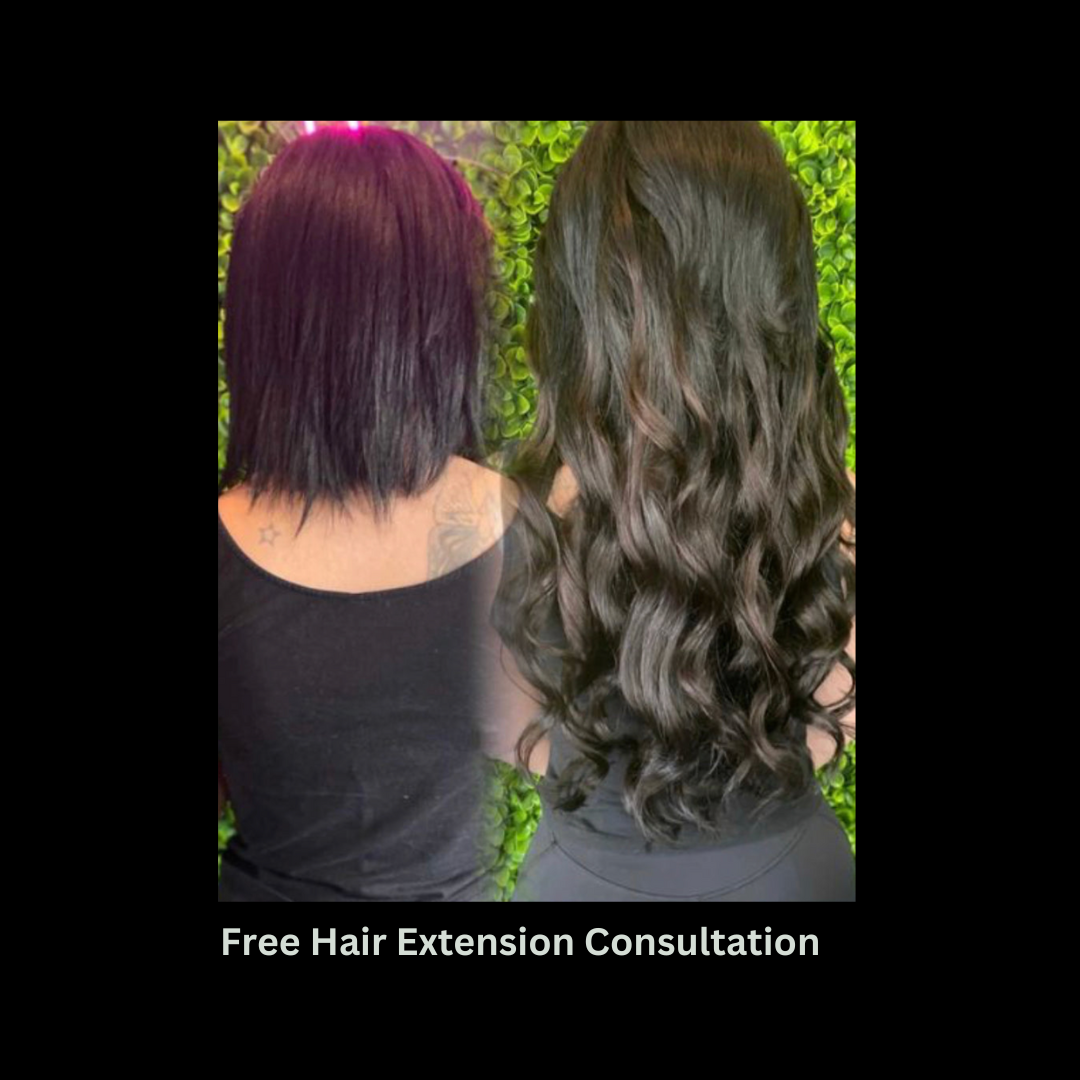
Book a free hair extension consultation if you need help bringing your extensions back to life or want to make sure you’re caring for them the right way.


