

Understanding Trichophagia: A PSA for Those Navigating Trichotillomania
Trichophagia—the act of ingesting hair—is a lesser-known behavior that can occur alongside trichotillomania. While not everyone who pulls hair engages in this behavior, it is important to recognize and address when it does happen.
In our experience working with many individuals and families navigating trichotillomania Boston, this is something that is rarely talked about openly. Feelings of embarrassment or stigma can prevent people from sharing it—even with medical professionals. However, this is not something to manage alone.
Trichophagia can have medical implications, which is why it’s important to speak with a physician or qualified healthcare provider if this behavior is present. Early, honest communication allows for proper support, guidance, and care.
In a salon setting, we often become a first point of trust. While we can support hair restoration and provide protective solutions, medical concerns like this should always be shared with your healthcare team as part of a comprehensive approach.
If this resonates with you or someone you care for, know that you are not alone—and that support exists, both emotionally and medically.
What is Trichotillomania—and how does it relate to Trichophagia?
Trichophagia refers to eating or chewing parts of the hair after it has been pulled—sometimes the root bulb, the tips, or the entire strand. You may also see Trichophagia described as a hair eating disorder.
Connection to Trichotillomania
Trichotillomania is a mental health condition characterized by repetitive hair pulling from the scalp, eyelashes, brows, or other areas, often to relieve tension or respond to urges. While Trichotillomania is more commonly discussed, fewer people talk openly about the hair eating disorder that may follow hair pulling, likely due to shame and fear of judgment. Yet Trichophagia is real, present in the community, and needs thoughtful attention.
The less-discussed behavior: eating the pulled hair
Understanding the sensations associated with hair pulling
Over years of working with clients who pull, many describe targeting “just-right” hairs—especially those with a white bulb. People sometimes share images of strands with blood or the bulb; however, it’s far rarer to disclose placing the bulb or strand in the mouth or ingesting it—behavior linked to the hair eating disorder.
- Rolling the hair root between fingers
- Touching the white bulb to the lips
- Placing strands in the mouth or chewing
Ingesting hair can contribute to a trichobezoar, a compacted mass of hair sometimes called a hairball. Because hair is not digestible, accumulation may lead to gastrointestinal obstruction and serious medical complications. Data are limited, so open, nonjudgmental conversation is essential.
Signs of the hair eating disorder—especially in children and teens
Parents and caregivers often ask what warning signs might indicate a pattern of Trichophagia, the hair eating disorder. Consider the following prompts and observations, and speak with a pediatrician if concerns arise:
- Noticing shed or broken hairs on pillows, desks, or in specific spots—and calmly asking, “What do you do with the hair after it’s pulled?”
- New or persistent lack of appetite that is hard to explain
- Episodes of vomiting without an obvious cause
- Unexplained abdominal pain or discomfort
- Gradual weight loss or changes in eating patterns
I am not a physician, but I regularly meet families navigating these behaviors. If a child or teen has Trichotillomania, it is important to share this information with their pediatrician and mental health professional so everyone can watch for medical or nutritional concerns linked to Trichophagia.
Treatment paths: behavioral support and medical care
For many, a combination of behavioral therapy and medical monitoring is essential. Habit Reversal Therapy (HRT) can help people recognize triggers, build competing responses, and practice new coping skills. Core elements include awareness training, competing responses, and social support. Because it may be hard for a child to admit they are eating hair, a compassionate, step-by-step plan with trusted clinicians can make disclosure safer and more manageable.
- Bring up Trichophagia—the hair eating disorder—with a healthcare professional.
- Habit Reversal Therapy (HRT) is often one piece of a larger plan.
- Pair HRT with anxiety-reduction strategies, environmental changes, and supportive routines (for example, protective hairstyles, keeping pulled strands out of easy reach, or using sensory alternatives like fidgets and paced breathing).
Additional resources and support
- Peer or self-help groups (local or online) for shared strategies, accountability, and community.
- Specialists in BFRBs; CBT or ACT may help, with regular check-ins.
- Medication (when appropriate) under psychiatric care for anxiety and urges.
- Resource directories to locate specialists in Trichotillomania and Trichophagia.
- Brief handouts with coping skills, facts, and self-care reminders for tough moments.
For a more in-depth discussion about trichophagia, medical complications, hair eating after pulling, protective hair systems, and long-term support strategies, read our comprehensive guide on trichophagia and trichotillomania support.
Reducing Stigma & Opening Dialogue
My goal in writing about trichophagia is to help reduce shame and encourage more open, compassionate conversations among professionals, parents, families, and individuals navigating these behaviors. You are not alone, and supportive care exists.
Two decades ago, many clients struggled to admit they pulled their hair, even privately. Today, more people are beginning to openly discuss trichotillomania, BFRBs, hair eating behaviors, and the emotional challenges connected to them. Increased awareness is helping individuals and families seek support earlier and feel less isolated in the process.
Because trichophagia is often hidden out of embarrassment or fear of judgment, many people never mention the behavior to healthcare providers, therapists, or loved ones. If hair eating behaviors are part of your experience, sharing that information with a trusted medical or mental health professional can help ensure the full picture is understood and properly supported.
Background on Hair Loss & Supportive Cosmetic Solutions
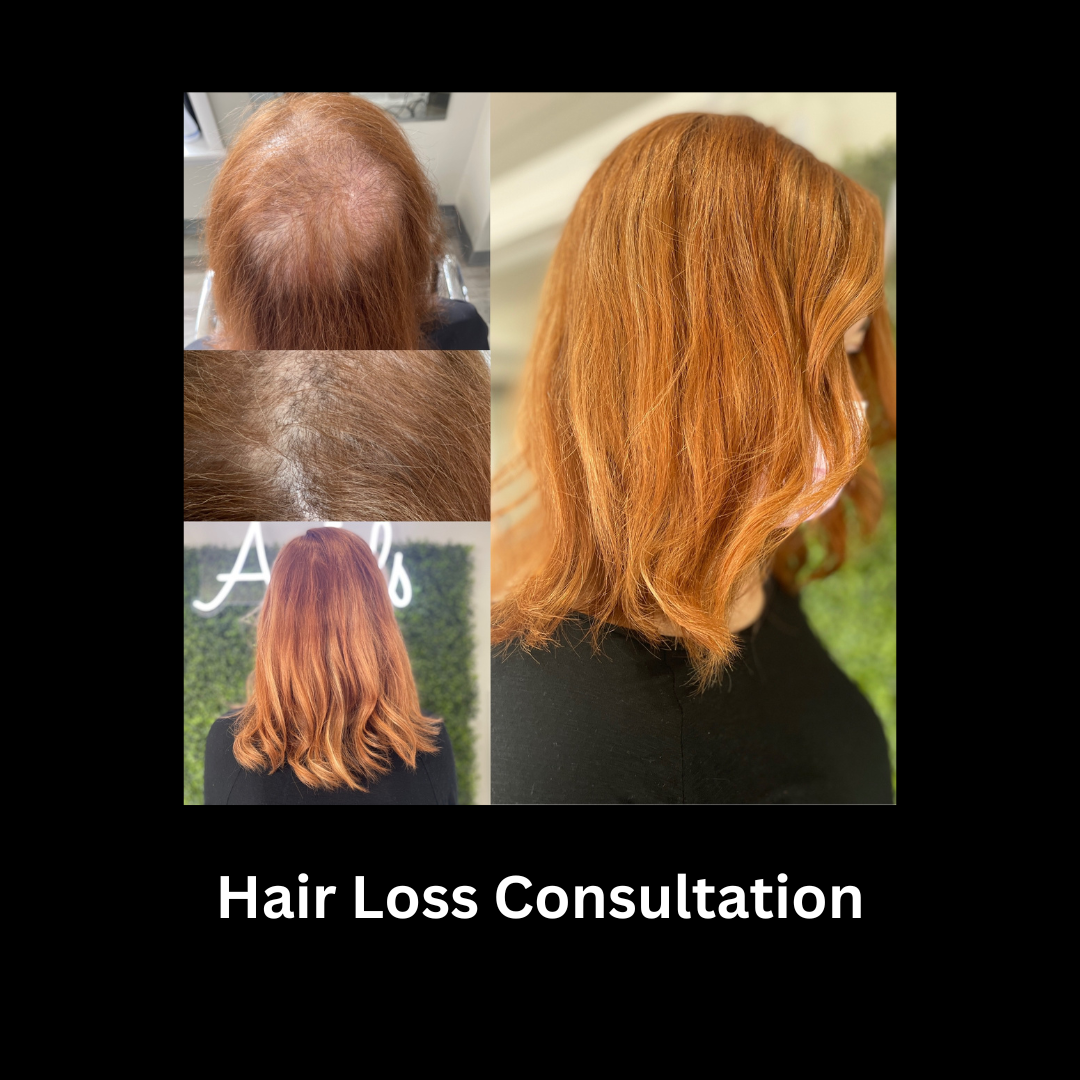
Hair loss connected to trichotillomania and BFRBs can present very differently from other forms of hair loss. Some clients experience small hidden patches, while others may develop more visible thinning, scalp sensitivity, fragile regrowth, or widespread areas of breakage from repetitive pulling behaviors.
At Noelle Salon, our approach focuses not only on aesthetically restoring hair, but also on protecting the scalp, preserving existing hair, and supporting long-term regrowth whenever possible.
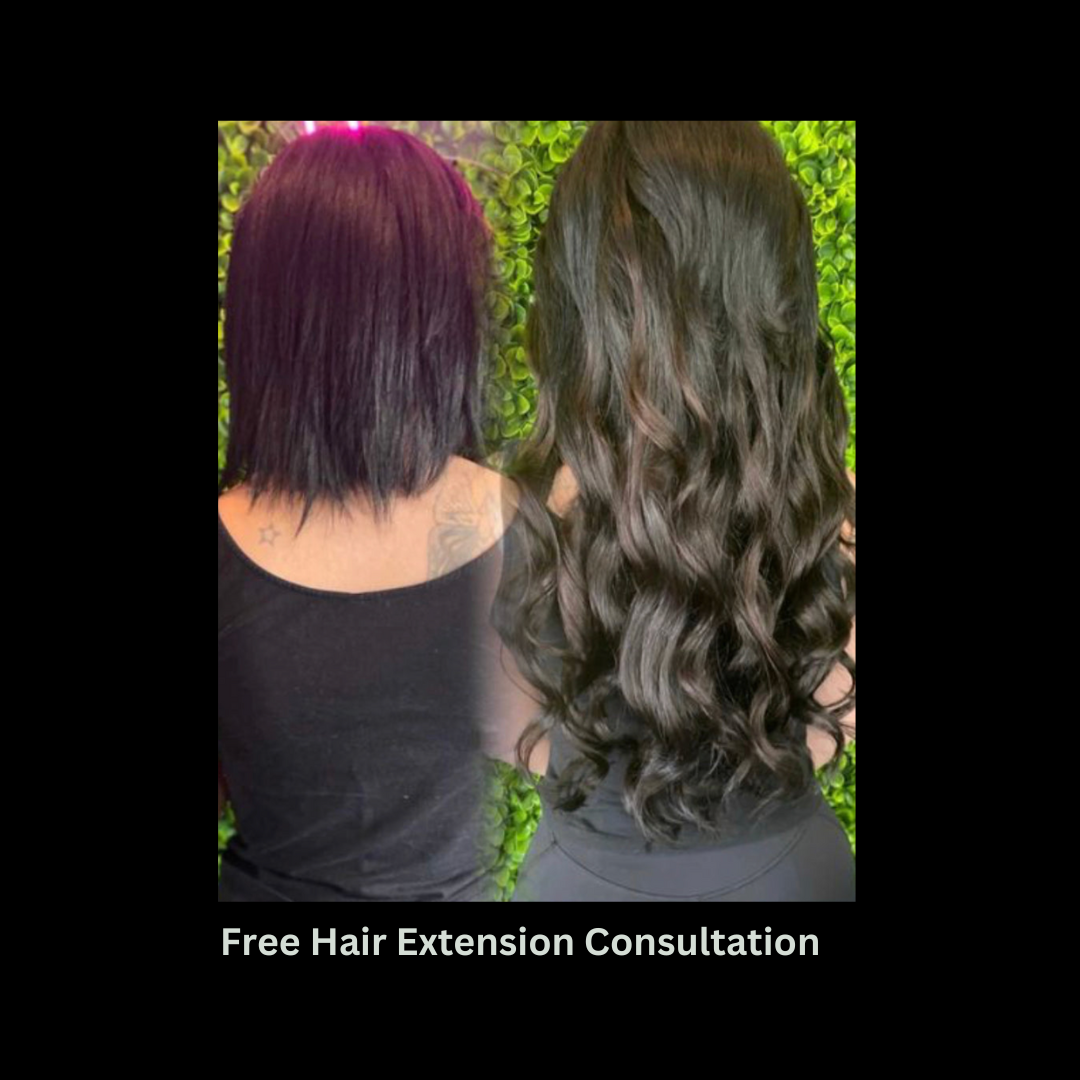
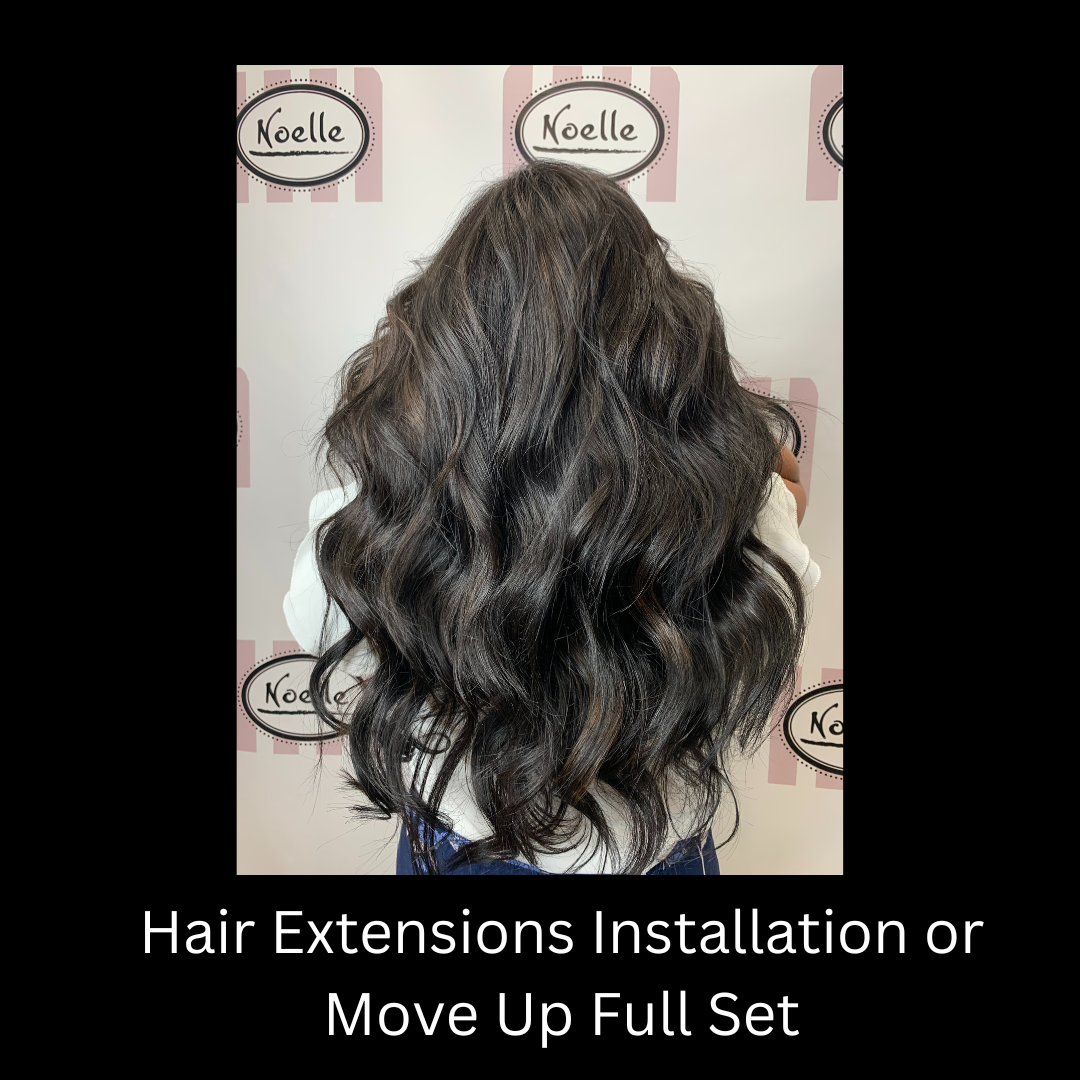
For some clients, lightweight cosmetic solutions such as toppers, mesh integration, wigs, or carefully customized hair systems can help create a protective barrier between the individual and the areas affected by pulling. In many cases, safely covering vulnerable areas may help reduce:
- automatic touching
- scalp-focused behaviors
- pulling rituals
- hair chewing
- hair eating behaviors connected to pulling cycles
while also helping clients feel more comfortable and less emotionally overwhelmed by visible hair loss.
Every solution is customized around:
- scalp condition
- level of hair loss
- hair density
- sensitivity
- lifestyle
- maintenance preferences
- emotional comfort
Our goal is never simply cosmetic coverage. We focus on lightweight, scalp-conscious, natural-looking solutions designed to:
- preserve natural hair
- reduce unnecessary tension
- support healthier regrowth
- minimize stress on fragile areas
- create realistic, wearable results
- restore confidence during recovery
Because recovery is rarely linear, many clients continue needing support during periods of stress, regrowth, setbacks, or emotional challenges. We remain committed to providing judgment-free care while helping clients feel supported, comfortable, and less alone throughout the process.
Important Medical Disclaimer
This article is intended for educational and supportive purposes only and is not a substitute for medical, psychological, or psychiatric care. Individuals experiencing trichophagia, hair eating behaviors, gastrointestinal symptoms, emotional distress, or Body-Focused Repetitive Behaviors (BFRBs) should seek guidance from qualified healthcare and mental health professionals.
Because swallowed hair can lead to serious digestive complications, ongoing abdominal pain, vomiting, weight loss, nutritional concerns, or worsening gastrointestinal symptoms should always be evaluated by a medical provider.
Take the Next Step
If you or someone you love is navigating trichotillomania or trichophagia—the hair-eating behavior—consider starting with a judgment-free conversation with a qualified healthcare provider.
Openly sharing your experience is important. This may include discussing options like Habit Reversal Therapy, mentioning any physical symptoms such as gastrointestinal discomfort, and exploring practical strategies to better manage daily triggers.
You are not alone in this. Taking even one small step—whether it’s speaking with a professional, opening up to someone you trust, or connecting with a support group—can begin to shift the path forward.
Your voice matters. When you share your experience, you not only support your own progress—you help break stigma and make it easier for others to seek care and understanding.
Support is available when you’re ready.
👉 Book your free trichotillomania consultation


