



Understanding Trichotillomania and Why It Matters

Do you or someone you love pull out hair, eyelashes, or eyebrows? You are not alone. At Noelle Salon, we have worked with hundreds of clients experiencing this behavior, making us a trusted resource for trichotillomania Boston and specialized hair loss solutions. Trichotillomania is a Body-Focused Repetitive Behavior (BFRB), similar to nail biting, and is considered an impulse-control condition. While it has only more recently gained recognition in the medical community, we have been working with clients affected by this for decades and are committed to educating and supporting those navigating it.
Emotional and Behavioral Warning Signs
Recognizing trichotillomania early can make a meaningful difference, especially for children and teens. Common personality and behavioral changes may include increased withdrawal or isolation, heightened anxiety or worry, a loss of interest in school or activities, recent emotional stress such as grief or major life changes, and noticeable shifts in social behavior. These signs often appear gradually and may be overlooked without awareness of the condition.
Physical Signs to Look For
There are also clear outward signs that may indicate hair pulling behavior. These include covering the hair with hats or scarves, finding hair strands around the home, thinning or sparse eyebrows, repetitive hair touching often in a focused or trance-like state, and frequent scratching of the scalp or body. These behaviors are often unconscious or soothing to the individual, which can make them difficult to stop without support.
Understanding the Behavior Without Judgment
Trichotillomania is often misunderstood. It is not typically associated with self-harm, but rather described by those experiencing it as a form of relief or satisfaction. Many individuals describe seeking a certain texture or sensation when pulling hair, similar to how nail biting fulfills a repetitive sensory need. The behavior often serves as a coping mechanism to bridge the gap between impulse and relief. While there is currently no cure, many people are able to manage the condition successfully with the right support. It is always recommended to seek medical or therapeutic guidance, as we are not medical providers, but we do work closely with clients to support them through their journey.
Supporting Hair Growth During the Process
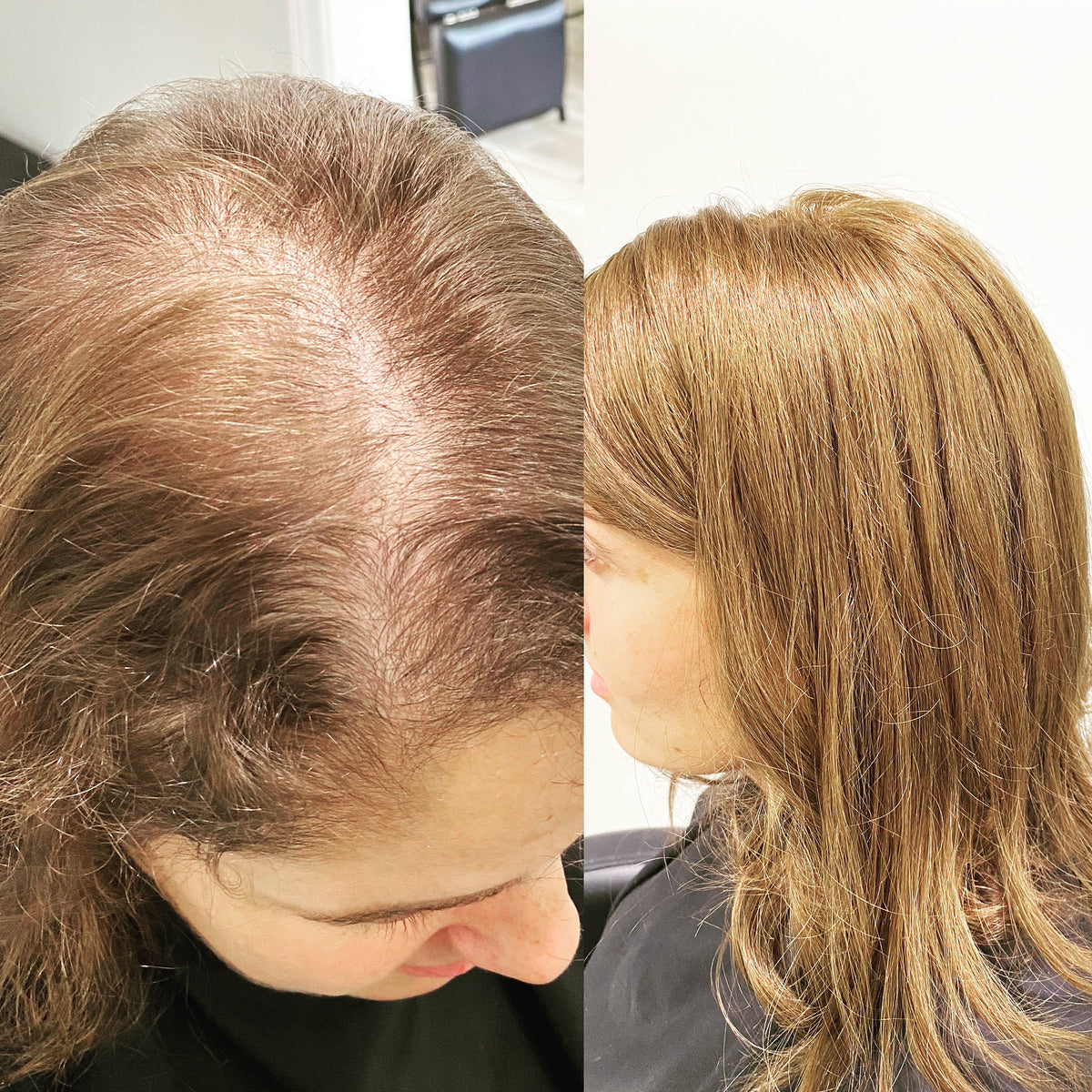
While clients are working through trichotillomania, we offer supportive, non-damaging hair solutions that help restore confidence while allowing natural hair to regrow. Many clients choose to wear scalp prosthetics, also known as hair toppers, to cover areas of hair loss. These solutions not only provide immediate aesthetic improvement but also reduce the visual triggers that can contribute to continued pulling. Over time, many clients experience regrowth and are able to transition away from these systems. We have seen incredible transformations, including clients regaining full hair growth and confidence, which is what continues to drive our passion for this work.
How Trichotillomania Differs from Other Hair Loss Conditions
Unlike conditions such as alopecia areata, fungal infections, or female pattern hair loss where hair loss occurs due to internal or medical factors, trichotillomania involves the physical removal of hair. This distinction is important because the approach must be different. Our focus is on creating an environment where hair can regrow by reducing stress on the scalp, improving appearance, and helping clients manage the behavioral cycle. By supporting both the emotional and physical aspects, we help bridge the gap between impulse and control.
A Personalized Approach to Hair Loss Solutions
At Noelle Salon, we understand that every case is unique. We offer a range of customized hair loss solutions designed to fit your lifestyle, comfort level, and goals. Whether it's a topper, integration system, or another approach, our goal is always to protect your natural hair while helping you feel confident and supported throughout the process. We also encourage open conversation, whether through consultation or community, because no one should feel like they have to navigate this alone.
When Hair Isn't Found: A Lesser-Known Sign to Watch For
In some cases, trichotillomania may be accompanied by trichophagia, which is the act of ingesting pulled hair. This behavior can be more difficult to detect because there may be fewer visible signs, such as loose hair strands around the home or obvious shedding. Instead, you may notice more subtle patterns, like consistent hair loss without clear evidence of where the hair is going, or increased time spent alone during pulling episodes. Trichophagia can carry serious health risks over time, including digestive complications, so early awareness is important. If this behavior is suspected, it is essential to seek medical guidance promptly, as this goes beyond cosmetic or behavioral concerns and requires proper evaluation and care.
Conclusion
Trichotillomania can feel isolating, but with awareness, support, and the right approach, it is absolutely manageable. Recognizing the signs early and responding with compassion—not judgment—can make a significant difference in both emotional well-being and hair regrowth. At Noelle Salon, we are dedicated to helping clients navigate this journey with personalized care and proven solutions for trichotillomania Boston, supporting both confidence and long-term hair health. If you or someone you love is experiencing hair pulling, book a free trichotillomania consultation and take the first step toward understanding your options and finding a solution that truly works.


