

Understanding Trichophagia: When Hair Pulling Becomes Hair Eating
Trichophagia is a condition where individuals not only pull their hair but also chew or swallow it. It is closely linked to trichotillomania and falls under the broader category of body-focused repetitive behaviors (BFRBs). For those searching for support with Trichotillomania Boston, understanding related behaviors like trichophagia is important, as they can carry additional health risks beyond hair loss.
Although trichophagia is often associated with younger individuals and more commonly reported in females, it can affect anyone. Because it may be mistaken for a gastrointestinal issue rather than a behavioral condition, it is sometimes overlooked or misdiagnosed. In more serious cases, swallowing hair can lead to the formation of hair masses in the digestive tract, which may require medical intervention.
Early recognition is key. Behaviors such as hair pulling followed by chewing or swallowing, increased secrecy, or physical symptoms like abdominal discomfort can signal the need for support. Addressing these patterns early allows for more effective intervention and reduces the risk of long-term complications.

Why Awareness Around Hair Eating After Pulling Matters
Many people experiencing trichophagia — eating or swallowing hair after pulling it out — never tell anyone what they are doing, including family members, therapists, or even their doctors. Over the years, I have worked with clients who silently struggled with eating hair after pulling and eventually became seriously ill before the behavior was recognized or discussed openly.
In some cases, clients were hospitalized for extended periods of time due to severe medical complications caused by swallowed hair building up in the digestive system. Because so much shame and secrecy often surrounds trichotillomania, BFRBs, and hair eating behaviors, many individuals hide these patterns for years before seeking help or support.
One of the biggest reasons we openly discuss trichophagia and hair eating behaviors is because many people simply do not realize how serious the medical risks can become. Hair ingestion can lead to dangerous digestive blockages, severe abdominal pain, nutritional issues, and medical emergencies requiring hospitalization or surgery.
Many families and individuals may also not recognize the term “trichophagia” itself. People often search for:
- eating hair after pulling it out
- swallowing hair after pulling
- pulling and eating hair
- eating hair from trichotillomania
- hair pulling and chewing hair
because they may not yet know there is a recognized behavioral condition connected to these experiences.
Our goal is to help increase awareness, reduce shame, encourage earlier support, and help individuals and families understand they are not alone. Open conversations around trichotillomania, BFRBs, and trichophagia can play an important role in helping people recognize warning signs earlier and seek compassionate support before serious medical complications develop.
Understanding the Emotional Side of Hair Eating Behaviors
For many individuals, eating or swallowing hair after pulling is not about hunger or attention-seeking behavior. Trichophagia is often connected to stress, anxiety, emotional overwhelm, compulsive behaviors, or coping patterns that can become difficult to control over time. Many people describe feeling shame, embarrassment, secrecy, or isolation surrounding these behaviors, which is one reason they may go unspoken for years.
Over the years, we have worked with clients who experienced pulling and hair eating behaviors during periods of stress, trauma, anxiety, major life transitions, or emotional struggles. In many cases, families and even healthcare providers may not immediately recognize what is happening because these behaviors are often hidden very carefully.
One of the most important parts of support is helping individuals and families understand that these behaviors are more common than many people realize and that compassionate support, awareness, and early intervention can make a meaningful difference.

Understanding the Emotional & Behavioral Causes of Trichophagia
There is no single cause of trichophagia. Hair eating behaviors are often connected to a combination of emotional stress, anxiety, compulsive behaviors, trauma, emotional overwhelm, and body-focused repetitive behavior patterns. Many individuals describe feeling temporary relief, distraction, or comfort after pulling, chewing, or swallowing hair, even though the behavior may later lead to shame, secrecy, or medical complications.
Over the years, we have worked with clients who experienced these behaviors during periods of:
- high stress
- anxiety
- trauma
- emotional isolation
- major life transitions
- perfectionism
- overwhelming emotional pressure
Some individuals describe entering a “zoned-out” or automatic state where pulling and hair eating behaviors happen almost unconsciously, especially during quiet moments, screen time, studying, nighttime routines, or periods of emotional stress.
Because these behaviors are often hidden carefully, many individuals never discuss them openly with family members, therapists, or even medical providers. Increasing awareness and reducing shame around trichotillomania, BFRBs, and trichophagia can help individuals and families recognize warning signs earlier and seek supportive care before more serious emotional or medical complications develop.

Medical Risks & Health Complications of Hair Eating
Hair does not dissolve in the stomach. Over time, swallowed hair can accumulate into dense masses called trichobezoars, sometimes referred to in severe cases as Rapunzel syndrome when the hair extends into the intestines. These masses can lead to serious gastrointestinal complications and, in some cases, medical emergencies requiring hospitalization or surgery.
Individuals experiencing trichophagia may develop:
- abdominal pain
- bloating
- nausea
- vomiting
- constipation
- reflux
- nutritional deficiencies
- anemia
- weight loss
- digestive blockages
Because these behaviors are often hidden out of shame or fear, many individuals do not tell family members, therapists, or even medical providers that they are swallowing hair after pulling it out. Over the years, we have worked with clients who became seriously ill before the behavior was recognized or openly discussed.
In some cases, families initially believe symptoms are only digestive or stress-related without realizing hair pulling and hair eating behaviors may be contributing to the medical complications. Early awareness and open, compassionate conversations can play an important role in helping individuals seek support before the condition becomes more severe.
Diagnosis often involves both medical and mental health evaluation. Doctors may use imaging, gastrointestinal testing, or other evaluations to identify complications while also helping individuals address the underlying emotional and behavioral patterns connected to trichotillomania, BFRBs, and trichophagia.

How Protective Hair Systems Can Support Recovery & Confidence
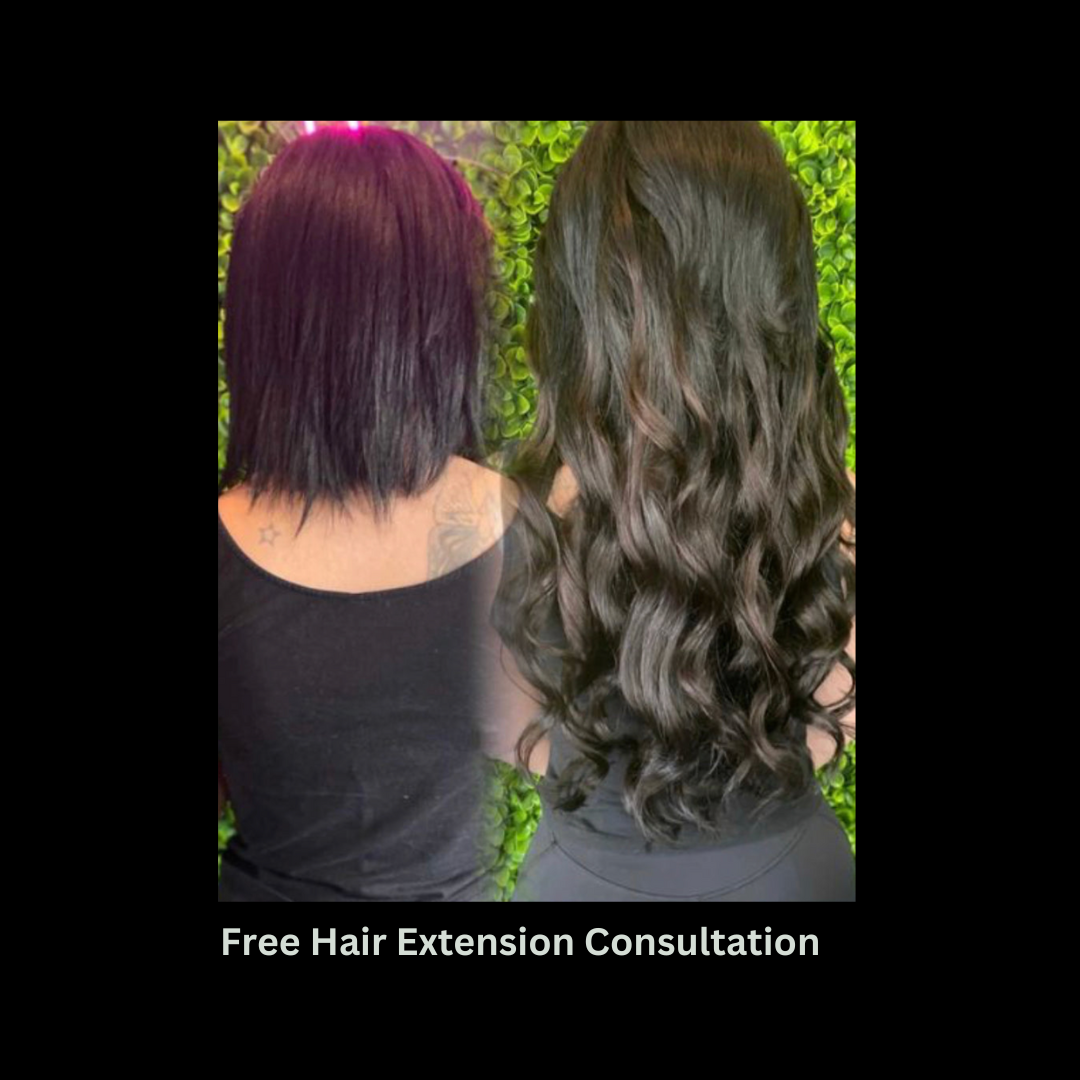
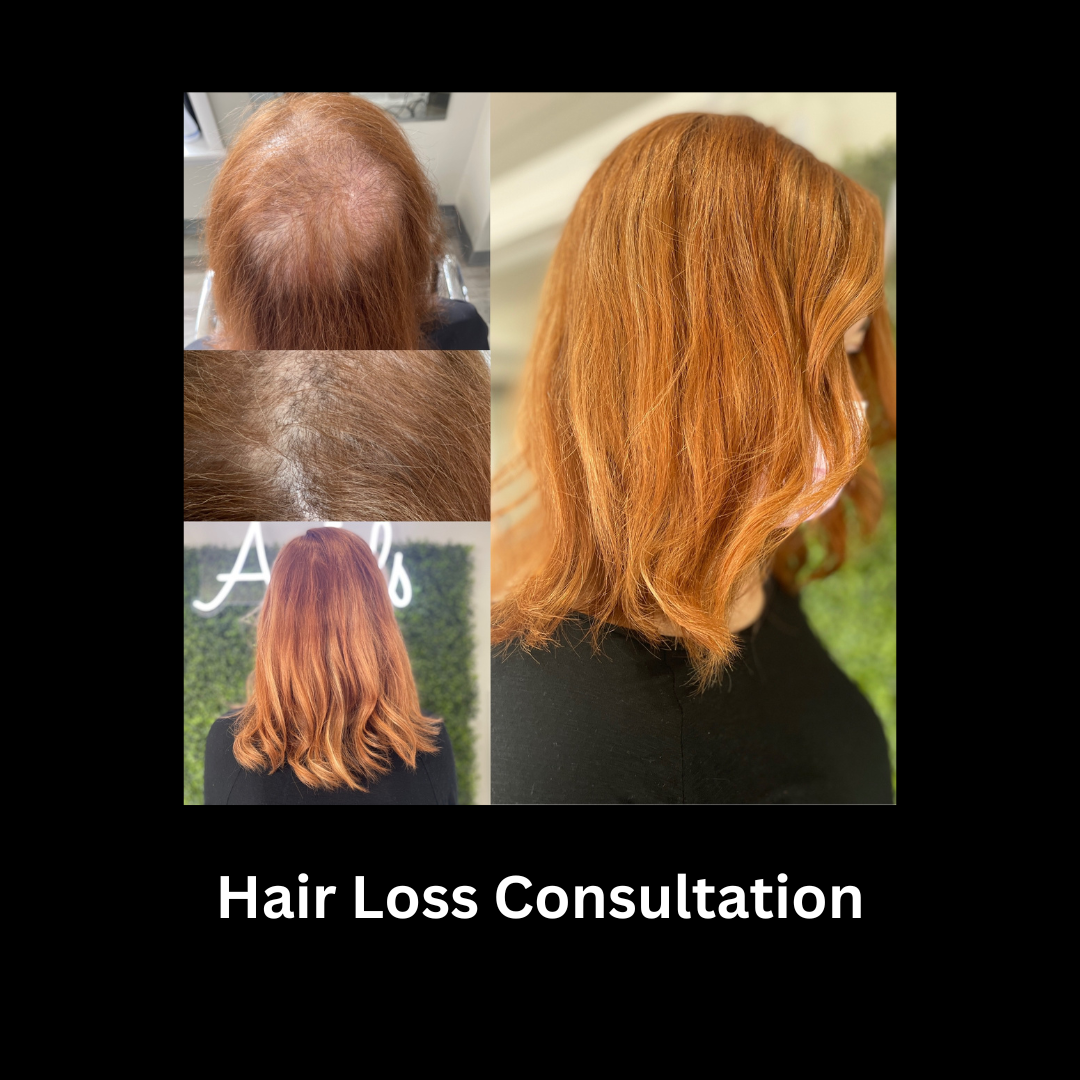
For many individuals experiencing trichotillomania, BFRBs, or trichophagia, constantly seeing, touching, or accessing areas of hair loss can intensify pulling behaviors, anxiety, and emotional distress. One of the ways we support clients is through customized hair systems, mesh integration, toppers, wigs, and scalp-conscious coverage solutions designed not only to aesthetically restore hair, but also to help create a protective barrier between the individual and the areas affected by pulling.
In many cases, safely covering vulnerable areas can help reduce:
- automatic touching
- scalp picking
- pulling behaviors
- hair chewing
- hair eating behaviors connected to pulling rituals
while also helping clients feel more comfortable, confident, and emotionally supported throughout the regrowth process.
Our goal is never simply cosmetic coverage. We focus on creating lightweight, natural-looking, scalp-conscious solutions designed to:
- preserve existing hair
- reduce unnecessary tension
- support healthier regrowth
- create comfortable everyday wear
- minimize stress on fragile areas
- help clients feel less hyper-focused on visible hair loss
Many clients describe feeling emotional relief after coverage solutions are applied because they are no longer constantly trying to hide thinning areas, monitor scalp visibility, or manage the emotional distress connected to visible hair loss.
At Noelle Salon, we understand that hair restoration and emotional healing are often deeply connected. Our role is to provide supportive, judgment-free care while helping clients restore confidence, protect natural hair, and move through recovery with greater comfort and privacy.
Diagnosis, Treatment & Long-Term Support
Because trichophagia is often hidden due to shame or embarrassment, many individuals are initially treated only for digestive symptoms before hair pulling or hair eating behaviors are recognized. Diagnosis may involve both medical and mental health evaluation, especially when individuals experience abdominal pain, bloating, digestive issues, unexplained weight loss, or symptoms related to trichobezoars and gastrointestinal blockage.
Medical providers may use imaging, endoscopy, or additional testing to identify complications caused by swallowed hair. Mental health professionals may also help evaluate underlying stress, anxiety, compulsive behaviors, emotional distress, or Body-Focused Repetitive Behaviors (BFRBs) connected to trichotillomania and hair eating behaviors.
Treatment often involves a combination of:
- medical care
- mental health support
- behavioral therapy
- stress management
- supportive routines
- long-term coping strategies
In severe cases involving large trichobezoars or intestinal obstruction, hospitalization or surgery may be necessary.
Recovery and support often require patience, awareness, and compassionate long-term care. Many individuals benefit from structured routines, emotional support systems, therapy, stress reduction strategies, and practical coping tools designed to help interrupt automatic pulling or hair eating behaviors.
At Noelle Salon, we understand that hair pulling and hair eating behaviors can be deeply emotional, isolating, and difficult to discuss openly. Our goal is to help normalize these conversations while supporting individuals and families through customized hair solutions, scalp-conscious care, protective systems, regrowth support, and ongoing maintenance throughout different stages of recovery and healing.
Lifestyle Support & Long-Term Recovery
Recovery from trichotillomania, BFRBs, and trichophagia often involves building supportive routines that reduce stress, increase awareness of triggers, and create healthier coping strategies over time. Many individuals benefit from:
- consistent sleep
- balanced nutrition
- supportive relationships
- stress reduction
- movement and exercise
- calming evening routines
- structured daily habits
Some people find that keeping their hands occupied with sensory tools, crafts, or fidget items can help reduce automatic pulling or chewing behaviors during high-risk situations such as studying, screen time, nighttime routines, or periods of emotional stress.
Support systems also play an important role in long-term healing. Compassionate conversations, family understanding, therapy, support groups, and reducing shame around these behaviors can help individuals feel less isolated while building healthier coping patterns over time.
At Noelle Salon, we understand that recovery is rarely linear. Many clients experience periods of regrowth, setbacks, stress-related pulling, and emotional challenges throughout different stages of life. Our goal is to provide supportive, judgment-free care while helping clients maintain confidence, protect natural hair, and continue moving forward throughout the recovery process.
Conclusion
Trichophagia is a complex condition closely linked to trichotillomania and rooted in mental health patterns that require understanding, awareness, and compassionate care. When left unrecognized, it can lead to serious complications such as trichobezoars, digestive issues, and, in some cases, medical emergencies.
The most effective approach combines early detection, open communication, and evidence-based support. Strategies like cognitive behavioral therapy, habit reversal techniques, and structured routines—along with medical care when needed—can help reduce behaviors and support long-term progress. Small, consistent steps, supported by the right guidance, can make meaningful change more achievable over time.
If you’re noticing these behaviors in yourself or someone you care about, taking action early can make a significant difference.
👉 Book your free trichotillomania consultation and get personalized support designed to help you move forward with clarity, safety, and confidence.
Frequently Asked Questions
What is the success rate of treating Trichophagia?
Outcomes vary because each person’s pattern and support needs are unique, but many individuals improve through a combination of psychotherapy, coping-skill practice, and medical care when needed. Early detection and a plan tailored to triggers and goals often lead to better, more sustainable results.
Can Trichophagia lead to long-term health issues?
Yes. Chronic ingestion of hair can result in ongoing digestive problems, nutritional deficiencies, and the formation of trichobezoars that may require medical or surgical treatment. Addressing the behavior early helps minimize complications and strengthens overall well-being.
How can family members help a loved one with Trichophagia?
Offer nonjudgmental listening, encourage open communication, and support access to professional care. Practical help might include creating calm routines, reducing triggers at home, and celebrating small victories. Patience matters—progress often comes in steps.


