

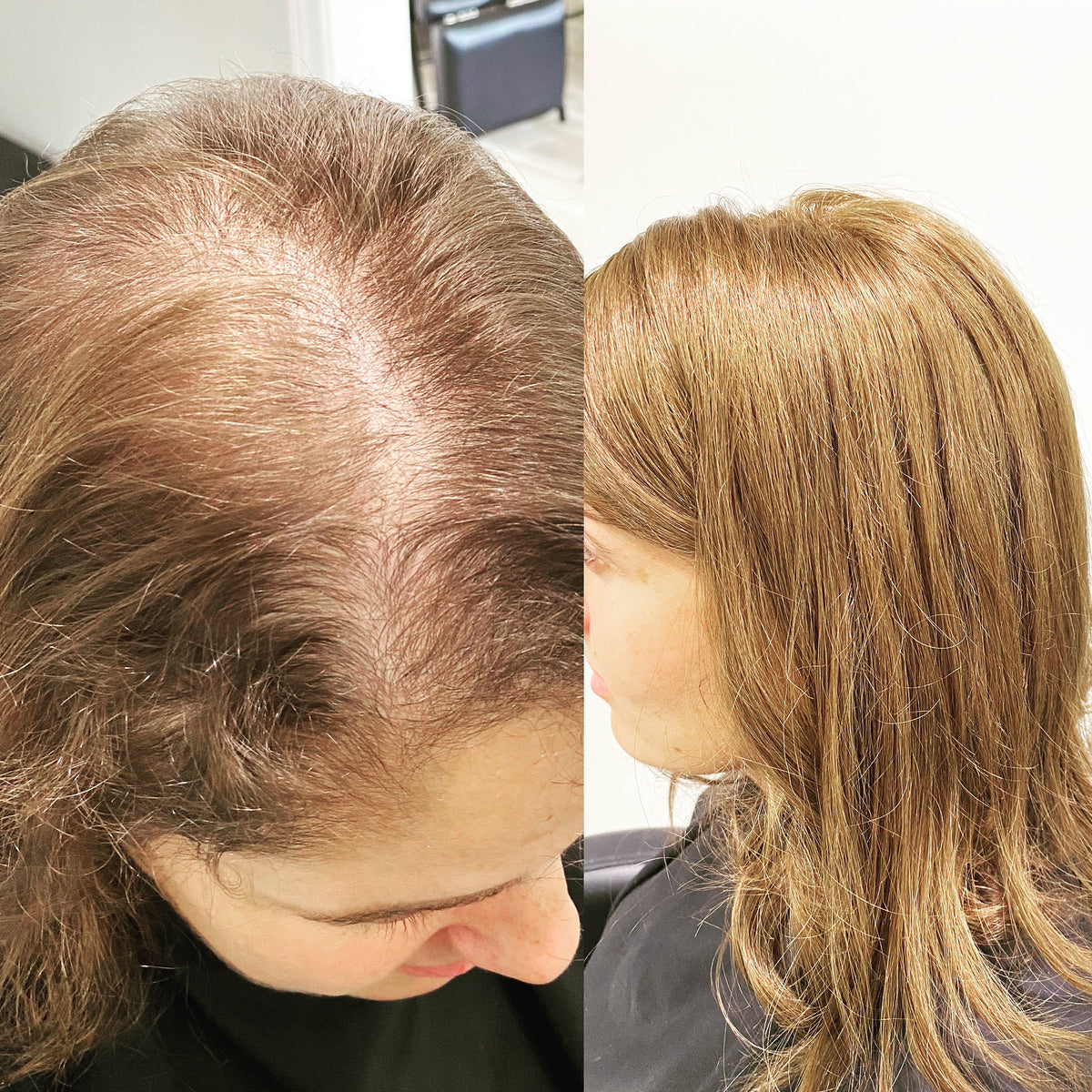


What Are the Best Hair Extensions for Thin Hair?
If you have fine or thinning hair, choosing the wrong hair extensions can actually make things worse—causing breakage, tension, or even more hair loss. For clients searching for hair extensions Boston, the biggest mistake isn’t the brand—it’s choosing a method that isn’t designed for delicate hair.
👉 Book a free hair extension consultation to find out which method is safest for your hair type and thinning pattern.
Why Choose Extensions for Thin and Fine Hair?

Choosing hair extensions can still be safe for thin hair when the focus shifts from adding instant volume to protecting existing strands. Fine or thinning hair is more vulnerable to tension and breakage, so safety depends on how thoughtfully extensions are designed, placed, and supported alongside your natural hair.
Here are the key factors that make hair extensions safe for fine, fragile hair:
-
Lightweight Design: Extensions should feel virtually weightless once installed. When designs are too heavy, delicate strands are placed under constant strain, which can lead to breakage, discomfort, and accelerated thinning over time.
-
Low Tension Attachment: Safe extensions avoid tight braids, aggressive bonding, or firm pulling at the scalp. Ignoring tension control often results in soreness, traction stress, and irritation, especially around sensitive areas like the temples and crown.
-
Even Weight Distribution: Rather than concentrating multiple strands in one small section, safe methods spread weight across a wider area. Without this balance, individual follicles absorb excessive load, increasing the risk of stress-related shedding and root damage.
-
Scalp Friendly Placement: Extensions should not sit directly on weak or thinning areas unless designed specifically for hair loss. Poor placement can restrict natural movement and growth, causing discomfort and making thinning more noticeable over time.
-
Customized Density and Length: For fine hair, more hair is not always better. Ignoring customization often leads to an overfilled look that overwhelms natural strands, making extensions visible and increasing strain on fragile hair.
Safe hair extensions for fine, fragile hair are defined by what they protect, not just how they enhance appearance. When weight, tension, and placement are carefully managed, extensions can add volume and confidence without compromising hair health. The safest results always begin with preserving the strength of your natural hair.
What Are the 5 Best Hair Extensions for Fragile Hair and Thin Hair?

1) Lightweight Tape or Weft Systems
Best For: Very fragile hair needing subtle volume and maximum protection
Lightweight tape or weft systems are designed to minimize strain on delicate strands by using finer wefts and reduced attachment weight. When customized correctly, they blend seamlessly, feel comfortable, and provide gentle fullness without compromising scalp health or stressing weak areas.
2) Tape-In Extensions
Best For: Fine hair with mild thinning and stable scalp density
Tape-in extensions can work well for fine hair when applied conservatively and with proper spacing. Their flat design allows them to sit close to the scalp for a natural finish, but professional placement and careful removal are essential to avoid stress.
At Noelle Salon, tape-in extensions are often paired with a move-up and hair color service, helping maintain a seamless blend while protecting fragile strands through precise placement and timing.
3) Hand-Tied Extensions
Best For: Borderline fine hair that still has good density at the scalp
Hand-tied extensions can add fullness when rows are spaced correctly, and tension is kept minimal. They are not recommended for very fragile or actively thinning hair, as tight rows or heavy wefts can increase strain. This method works best when hair strength is still relatively stable.
4) Micro Link Extensions
Best For: Borderline fine hair only, not visibly thinning hair
Micro link extensions require caution on fine hair. While they avoid heat and adhesive, the beads can concentrate weight at the root. With expert application, they can suit slightly thicker fine hair, but they are not a first choice for fragile strands or crown thinning.
5) Mesh Integration Systems
Best For: Visible thinning, crown thinning, or ongoing hair loss
Mesh integration systems are specifically designed for thinning and fragile areas. Instead of attaching weight directly to weak strands, the mesh acts as a supportive base, allowing hair to be integrated gently. This method is often ideal when scalp visibility is the main concern and long-term protection is a priority.
The best hair extensions for fine hair and fragile strands should always prioritize protection over volume. If your hair is very fragile, starting with lightweight, low-tension methods such as micro placement or mesh-supported systems is the safest path. If thinning is visible, customized extensions designed to improve coverage at the crown and part line offer the most natural and supportive solution.
What matters most is choosing methods that adapt to your hair’s current condition rather than forcing density it cannot support. With professional guidance, the right extension approach can improve appearance while protecting the strength and integrity of your natural hair over time.
Twist Extensions and Fragile Hair: What to Know First?

Twist extensions are not a first choice for fragile or thinning hair. Traditional twist methods often rely on tight tension, heavy added hair, and long-term wear, all of which can place too much stress on delicate strands and sensitive scalps. For this reason, twist extensions are best viewed as short-term or special occasion options, not everyday or long-term solutions for fragile hair.
In particular, tight traditional twists, heavy added hair, and extended wear periods are generally not suitable for fragile or thinning hair. When twist styles are considered, they should always involve modified, low-tension techniques designed to protect the scalp and natural strands.
Not all twist styles are appropriate for fragile hair, but a few options can work when applied conservatively and with professional judgment.
1) Lightweight Mini Twist Extensions
Who it is for: People with fine hair or mild thinning who want a temporary style.
How fragile the hair can be: Mildly fragile, without active breakage or scalp sensitivity.
How long it should be worn: Short term only, typically days to a few weeks.
Lightweight mini twist extensions use smaller sections and minimal added hair to reduce tension. They are installed loosely and prioritize flexibility over hold, making them less stressful for delicate strands when worn briefly.
2) Soft Twist Extensions
Who it is for: Clients seeking short-term styling or protective looks for events.
How fragile the hair can be: Fine or lightly thinning hair, not severely fragile.
How long it should be worn: Very short term, such as a special occasion or brief wear period.
Soft twist extensions focus on gentle installation rather than durability. The twists are formed without pulling tightly at the scalp, allowing natural movement and reducing strain. They are not intended for extended wear.
3) Supported Twist Styles
Who it is for: Individuals with fragile hair who want twist-inspired styles with professional support.
How fragile the hair can be: Moderately fragile, provided weight is distributed properly.
How long it should be worn: Short term, under close professional guidance.
These styles combine twists with supportive systems that help distribute weight more evenly. This reduces direct stress on individual strands but requires an experienced stylist familiar with thinning and delicate hair.
Twist extensions can work for fragile hair only when they are lightweight, loosely installed, and worn short term. They should never rely on tight tension, heavy added hair, or long-term wear. When expectations are realistic, and techniques are modified, twist styles can enhance appearance without compromising hair health.
Are There Same-Day Hair Extension Services for Thinning Hair?
Yes, same-day hair extension services are available for thinning hair, but success depends on careful method selection and professional judgment. These appointments typically use pre-customized systems or lightweight options that can be installed in one visit without stressing fragile strands, such as custom lightweight wefts or mesh-based integration systems.
At Noelle Salon, same-day extension services always begin with a detailed consultation to assess hair density, thinning patterns, and scalp sensitivity before any application. This ensures the method chosen delivers visible improvement without compromising hair health. Same-day services are best for clients seeking immediate, natural-looking coverage rather than dramatic length changes, and when performed by experienced specialists, they provide confidence-boosting results with comfort and care.
How to Choose the Best Extensions for Fine, Fragile Hair at a Salon?

Choosing hair extensions for fine, fragile hair is not a one-size-fits-all process. The right salon approach focuses on understanding your hair’s condition before recommending any method. A professional consultation helps ensure extensions enhance appearance without causing unnecessary stress, breakage, or long-term damage to delicate strands.
1) Professional Hair Assessment
A thorough hair assessment allows the stylist to evaluate density, strand strength, scalp condition, and thinning patterns. This step ensures extensions are selected based on what your hair can support, not just the desired look. For fragile hair, understanding these factors is essential to avoid overloading weak areas and compromising hair health.
2) Method Suitability
Not every extension method is appropriate for fine or fragile hair. Method suitability focuses on matching the technique to your hair’s structure and stability. A skilled stylist will recommend options that balance appearance and safety, avoiding methods that rely on excessive tension, weight, or aggressive attachment techniques.
3) Weight and Density Planning
Weight and density planning help prevent strain on delicate strands. Extensions should be customized to blend naturally with existing hair rather than overpower it. This approach prioritizes strategic volume placement and lighter materials, reducing stress at the roots and supporting long-term comfort and hair preservation.
4) Placement Strategy
Proper placement ensures extensions support thin areas without pulling on fragile sections. A thoughtful placement strategy distributes weight evenly and avoids sensitive zones like the crown or hairline when necessary. This precision helps maintain natural movement and minimizes the risk of breakage or discomfort.
5) Maintenance Requirements
Maintenance plays a major role in keeping fragile hair healthy while wearing extensions. Regular adjustments, gentle styling habits, and professional removals help prevent unnecessary stress. Understanding maintenance requirements before installation ensures clients are prepared for proper care and long-term wear success.
6) Long-Term Hair Health
The best salon choices prioritize long-term hair health over short-term results. Extensions should support existing growth, allow natural shedding, and adapt to changes in hair density over time. A health-focused approach helps clients maintain confidence while protecting the integrity of their natural hair.
Why Choose Noelle Salon for Hair Extensions for Thinner Hair?
At Noelle Salon, hair extensions for thinner hair are designed with care, precision, and long-term hair health in mind. Each service begins with a personalized consultation to evaluate hair density, scalp condition, and styling goals. The team focuses on types of hair extensions that are lightweight, customizable, and suitable for fragile strands.
Conclusion
When it comes to fine or thinning hair, the right hair extensions aren’t about adding the most volume—they’re about choosing a method that protects your natural hair while creating a seamless, natural result.
If you’re searching for hair extensions Boston, the biggest difference in your outcome will come from proper placement, customization, and choosing the right system for your hair type.
👉 Book your free hair extension consultation and we’ll help you choose the safest, most natural-looking option for your hair.


