

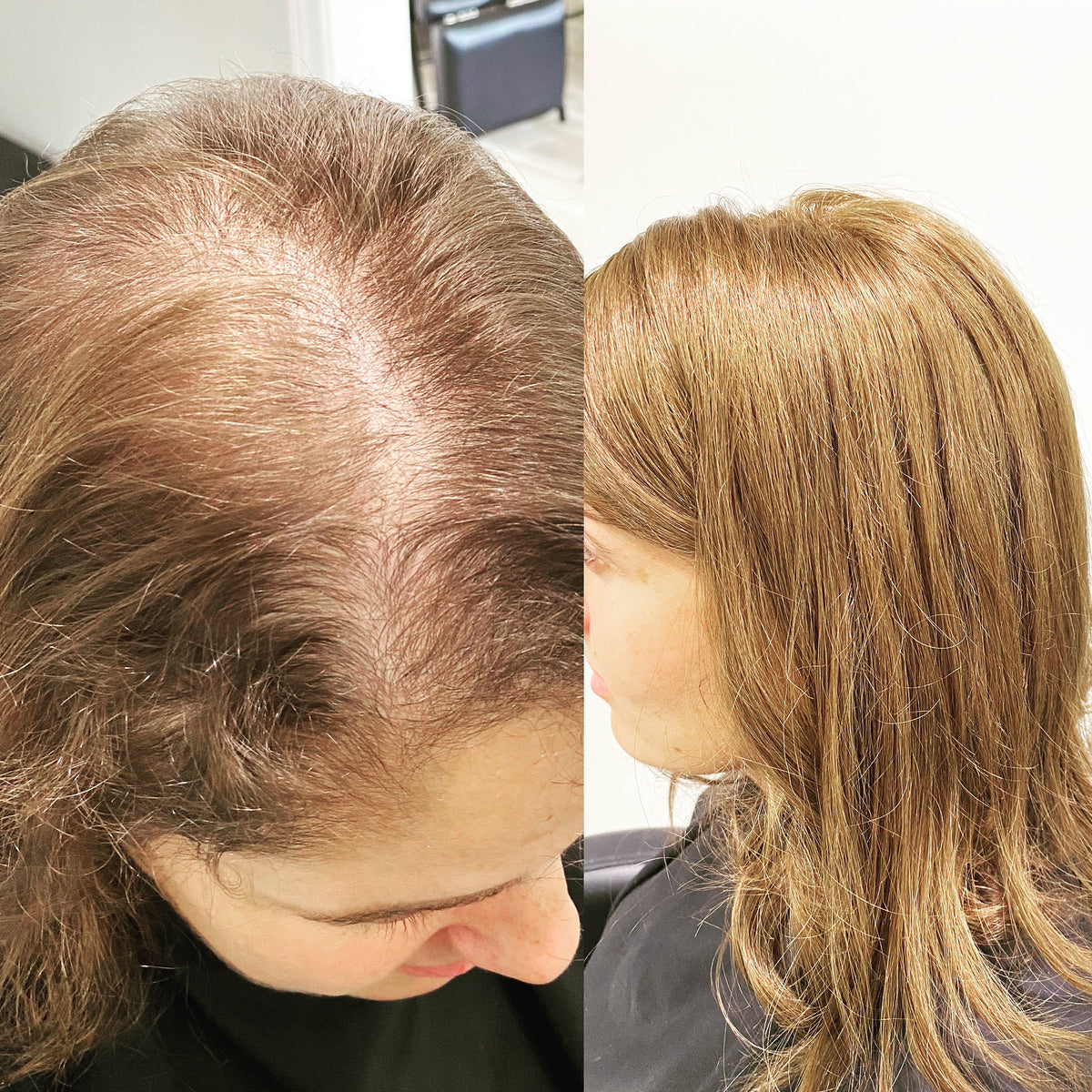


How to Blend Hair Extensions Naturally
Blending hair extensions properly is what determines whether they look completely natural—or noticeably artificial.
For clients searching for hair extensions Boston, achieving a seamless blend depends on more than just the extensions themselves. Color matching, placement, density, and professional cutting all play a critical role.
When done correctly, hair extensions should move, feel, and look just like your natural hair.
What are the Factors Affecting How Well Extensions Blend with Natural Hair?
Blending hair extensions seamlessly with your natural hair requires more than just a good product. It’s about understanding the unique qualities of your own hair and choosing the right approach to match.
-
Hair Color Match: Extensions should closely match your natural hair color, including undertones and highlights. Even a small difference in shade can make them stand out, especially in natural light.
-
Hair Texture: Whether your hair is straight, wavy, curly, or coily, the extensions should mimic that texture. This ensures they fall and move in harmony with your natural strands.
-
Hair Type (Length & Pattern): The type of hair you have, whether long or short, thick or fine, curly or straight, will influence how well extensions blend. For example, blending extensions for someone with a bob haircut may require more layering and styling compared to long layered hair.
-
Haircut and Style: If your natural hair has layers, feathering, or a unique cut, your extensions may need to be trimmed to match. Extensions with blunt ends may stick out if your natural cut is more textured.
-
Hair Thickness: The density of your natural hair affects how many wefts you need and how they should be placed. Fine-haired individuals need lighter, well-positioned extensions, while thicker hair may require more volume to blend properly.
How you install and style your extensions also plays a key role. From clip-ins to tape-ins or sew-ins, the right placement and heat styling tools can make all the difference in achieving a polished, natural finish.
How to Blend Hair Extensions?

Getting a flawless blend between your natural hair and extensions starts with choosing the right type of extensions for your hair type and style. But the real magic lies in how you prep, apply, and style them. We will first look at the right tools and a few clever techniques, no matter what kind of hair you have:
What are the Tools and Products Needed for Seamless Blending?
Getting a smooth blend needs the right tools and products. Here’s what you’ll need:
-
A curling wand or flat iron to make waves or curls
-
Hairspray to hold your style in place
-
Volumizing mousse or sea salt spray to add lift and texture
-
Elastic bands to keep the bottom layers together
Using these tools helps you with blending. It also makes your hairstyle look better, last longer, and stay in shape.
Even with the right extensions, improper placement or lack of professional blending can make extensions visible or feel unnatural.
Conclusion: Achieving a Natural Blend with Hair Extensions
Blending hair extensions is what transforms them from noticeable to completely seamless.
Matching color, texture, and density—combined with proper placement and professional cutting—makes the difference between extensions that stand out and ones that look natural.
If you’re considering hair extensions Boston and want a flawless, natural-looking result, working with an experienced stylist ensures your extensions are customized to your hair.
👉 Book a free hair extensions consultation to achieve a seamless blend tailored to your hair.
Looking for more options? Explore the full range of hair extensions in Boston at Noelle Salon.
Frequently Asked Questions
How to blend long extensions with short hair?
To blend long extensions with short hair, layer and trim the extensions to remove harsh lines and create a gradual transition. Use curling or styling tools to help both textures blend more naturally.
How to blend extensions with thin hair?
Choose lightweight, seamless extensions like tape-ins or halo styles that won’t weigh down fine strands. Backcomb the roots slightly before installing to help hide the extension base.
How to blend different color hair extensions?
Blending different colors works best with balayage or ombré techniques. A stylist can tone, lowlight, or custom dye the extensions for a smooth color transition.
How to blend hair extensions that don't match?
If the extensions don’t match in color or texture, use heat tools, toner, or color-depositing shampoos to adjust. Or take them to Noelle Salon who can cut and blend them properly.
How to cut hair extensions to blend?
Extensions should be dry-cut while installed, using vertical snips or layering techniques. A stylist will blend them into your natural hair shape for a seamless finish.
How to blend synthetic hair extensions?
Use low-heat styling tools if the synthetic hair is heat-safe, and gently trim or layer it. For better blending, match the shine and texture of your natural hair with styling products.


