
Harness Instant Solutions: How to Fix Damaged Hair Effectively
When your hair is breaking, thinning, or simply won’t cooperate, it can feel deeply personal—like you’re losing a piece of your identity along with each strand. You might have tried masks, serums, and trims, yet the mirror still reflects stressed ends and uneven volume. While long-term repair takes patience, extensions and toppers can provide an immediate boost in confidence and coverage, allowing you to look and feel like yourself again while your hair recovers. Have you ever felt hopeless about repairing your damaged hair?
Fixing damaged hair can be approached in two ways: long-term restoration and instant enhancement. For fast, visible results, hair extensions, hair toppers, or a strategic blend of both can create fullness, length, and seamless coverage. Damage can result from illness, medications, hair loss conditions, or overprocessing with color and heat. Years ago, many felt limited to wigs or a drastic cut. Today, modern methods offer options that instantly improve how hair looks while supporting a healthy path forward. If you are searching for how to repair damaged hair without waiting months, targeted extensions can be a bridge between where your hair is and where you want it to be.
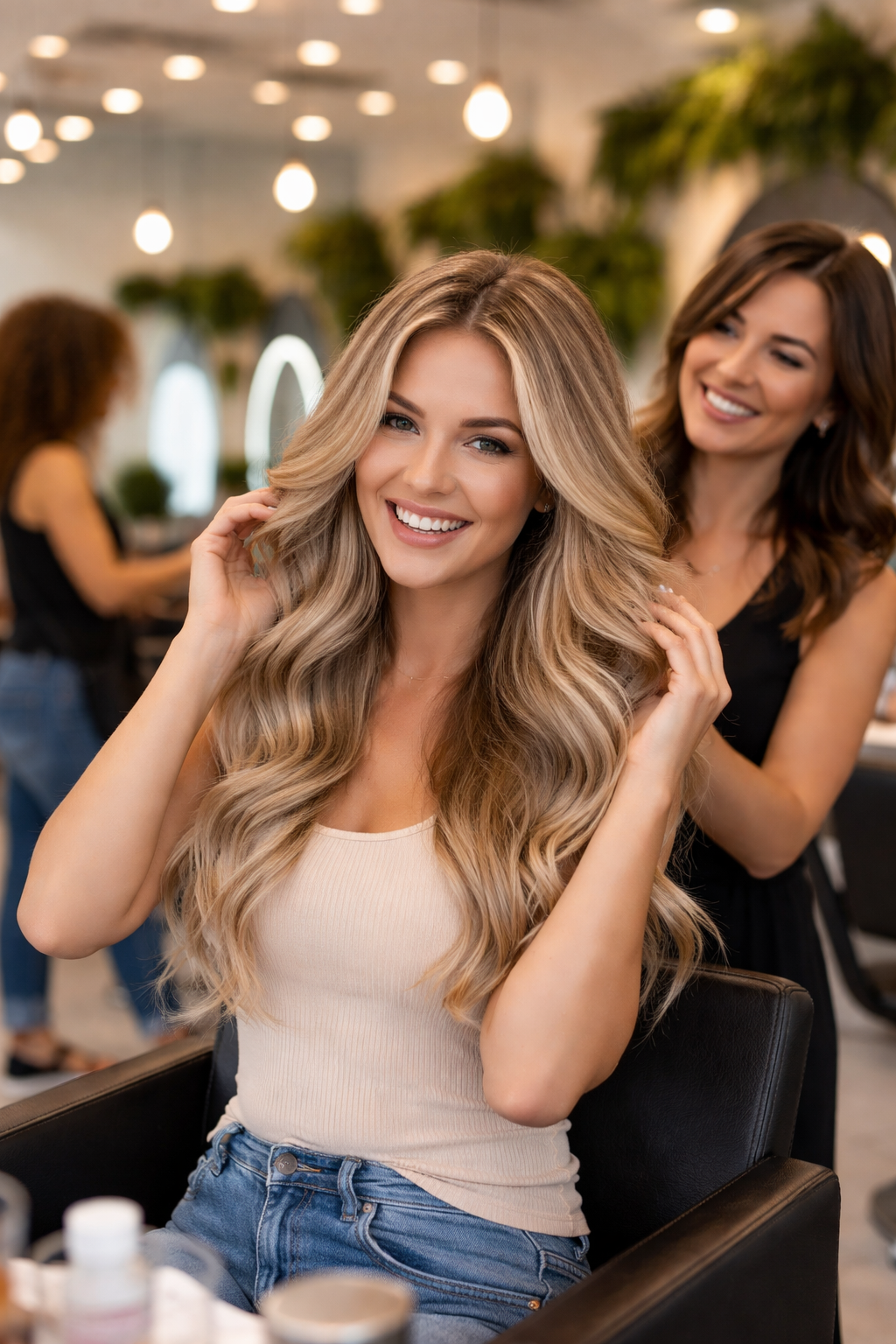
Our client pictured below had been growing her hair after experiencing challenges linked to Trichotillomania for over a year. Her progress was encouraging, but she hoped for a refreshed look now—not another year from now. After assessing her scalp health, density, and styling goals, stylist Diane recommended the Veila Pull-Thru hair extension technique to add volume and coverage without placing stress on fragile follicles. This pull-thru approach does not use adhesive, tape, or sewing, and the extensions come in both small and large widths for easy concealment within natural hair. Crafted from virgin human hair, they can be re-applied every 6 to 8 weeks, and with proper maintenance may be reused for up to a year. We also provide written care instructions, curated hair extension maintenance products, and a complimentary two-week check-in to ensure the new hair is blending, secure, and comfortable.

Some individuals with Trichotillomania (a body-focused repetitive disorder) do not pull hair directly from the roots; instead, they may pick at split ends or shorter pieces. This pattern can lead to uneven density and areas that are more delicate, which is why the best hair extensions for damage avoid adhesives and excess tension.
Why Veila Pull-Thru Is Safer for Fragile, Damaged Hair
The Veila Pull-Thru technique is designed to minimize strain on compromised strands while delivering fullness. There is no glue, tape, or sewing, which reduces traction and potential breakage. Lightweight panels are gently anchored and balanced across the head, and customizable widths help hide the extensions within natural hair for a discreet finish. Because the method is re-applied rather than replaced each visit, there is less manipulation of the same fragile areas over time. For anyone exploring the best hair extensions for damage, this approach prioritizes scalp comfort, even weight distribution, and long-term wearability—ideal when you want instant results while still protecting regrowth.
What We Did: Step-by-Step Transformation
- Consultation and plan. Diane performed a detailed evaluation of hair density, pattern of fragility, and lifestyle needs to determine the most protective method. The Veila pull-thru system was selected to deliver coverage and length without additional stress, aligning with our focus on how to repair damaged hair while maintaining comfort.
- Color strategy. She applied a semi-permanent, glossy soft black shade to refine tone and add shine. Due to the hair’s compromised condition, lightening or bleaching was not appropriate. A solid color helps blend extensions; highlight patterns or balayage can emphasize porous ends and draw attention to uneven areas.
- Strength-focused treatment. After coloring, Diane used the Olaplex hair care system, including a deep-penetrating conditioner and supportive leave-ins, to reinforce the hair’s bonds and enhance softness ahead of extension application.
- Shape and split-end control. A precise trim removed split ends to curb further fraying and help the natural hair merge cleanly with the new extensions. No product can truly “repair” split ends once they’ve split—they need to be trimmed for the healthiest result.
- Gentle, strategic placement. With the canvas prepped, Diane installed the pull-thru extensions using careful sectioning and placed them slightly away from the scalp to reduce tension. Our goal is healthy growth, and we avoid practices that could compromise already damaged hair, especially in delicate zones.
- Finishing and blend. After installation, she styled with a wand to create soft, bouncy curls that effortlessly blended natural hair with the extensions. The style can also be worn straight; curls simply enhance the seamless integration.
Have you considered what method would work best for your unique hair situation?
The Client’s Experience
By the end of the appointment, our client saw length, fullness, and a cohesive shape that still felt like her—only revitalized. Tears welled up and then flowed with relief and joy; she had not imagined such a natural, weightless result was possible. She graciously allowed us to share her before-and-after to encourage others navigating similar challenges. That moment, seeing her reflection and touching hair that moved and looked healthy, was the kind of transformation that reminds you recovery is possible—visually today, and physically over time.
Care Tips to Support Healing and Longevity
If you’re learning how to repair damaged hair while wearing extensions, gentle care makes all the difference. Small, consistent habits protect both your natural hair and your investment:
- Use sulfate-free, extension-safe shampoo and lightweight conditioner; keep conditioner and masks from direct contact with attachment points.
- Detangle daily with a soft brush, starting at the ends and working upward while supporting the roots with your hand.
- Dry thoroughly at the base after washing to prevent moisture buildup; use low to medium heat and a heat protectant when styling.
- Sleep with hair in a loose braid or low ponytail and on a smooth pillowcase to reduce friction.
- Schedule regular maintenance visits for re-application and to check scalp comfort and distribution.
- Adjust heat-styling frequency and product choices as your hair strengthens to maintain balance between style and health.
How do you adapt your hair care routine based on its changing condition?
Background on Hair Extensions and Customization
At Noelle Salon, we start by evaluating your natural hair and listening to your styling goals, desired color match, and daily routine. We work with high-quality human hair, including 100% Remy hair and Virgin Hair (unlike Bellami hair), and customize methods for short or long styles. Options we’ve worked with include tape-in extensions, clip-in hair extensions, and keratin-based methods, and we especially love the ease of Pull-Thru Veila Hair Extensions for straightforward care and natural movement. Whether you prefer sleek styles with a flat iron, your natural texture, or defined curls, extensions can support the look. Even a clip-in ponytail can offer a fun one-day change. With protective styling and regular maintenance, extensions can complement your hair growth journey, offering immediate polish while you focus on long-term strength.
Conclusion: A Faster Path to Feeling Like You Again
There is no single fix for every type of damage, but thoughtful choices make a visible difference right away. Methods like Veila Pull-Thru provide instant coverage and confidence while respecting fragile hair. Pairing the right application with color strategy, light trimming, and a supportive routine keeps your strands moving forward. If your hair is in rough shape, or you’re exploring the best hair extensions for damage, we’d love to help create a plan that fits your goals and lifestyle. Reach out to schedule a consultation, and let’s map the next steps toward healthy, beautiful hair you’re proud to wear every day.