



Healthy Scalp Maintenance for Hair Extensions: A Complete Care Guide
A healthy scalp is the foundation of successful hair extensions in Boston because many extension methods sit close to the scalp—or even rest against it—the skin must remain clean, balanced, and well-ventilated. When scalp care is neglected, buildup and moisture can linger around attachment points, creating an environment where dandruff, odor, or even mold may develop. Left unwashed or repeatedly left damp, the scalp can become vulnerable to acne-like breakouts, painful cysts, and conditions such as seborrheic dermatitis. Scalp health also influences comfort and longevity: when your scalp is calm and hydrated, extensions feel lighter, are easier to maintain, and look more natural day to day.
Some extension types carry different scalp considerations. Lightweight, individual strand extensions such as keratin bonded and i-tip extensions typically allow for better airflow and easier scalp cleansing. Heavier types of hair extensions—including hair weaves, hand-tied methods, and tape-ins—may trap more moisture and product, so consistent washing and thorough drying are critical. Heat styling requires care as well; frequent, high-heat blow drying aimed directly at the scalp can dehydrate skin, triggering itchiness or flaking. Space out heat sessions, use moderate settings, and focus airflow along the hair shaft rather than the scalp whenever possible. If you develop persistent irritation, unusual odor, or lesions, consult a dermatologist or medical professional for evaluation and treatment.
Choosing an extension method and weight that match your hair’s density helps protect the scalp and follicles. Hair extensions do not inherently cause hair loss; problems usually arise when the added weight exceeds what your strands can comfortably support. Overloading fragile hair can strain follicles, irritate the scalp, and lead to inflammation. The right technique and proper maintenance make all the difference in comfort, scalp health, and sustained hair growth under your extensions.

Scalp Concerns in the Past? Weigh Your Options Before Getting Extensions
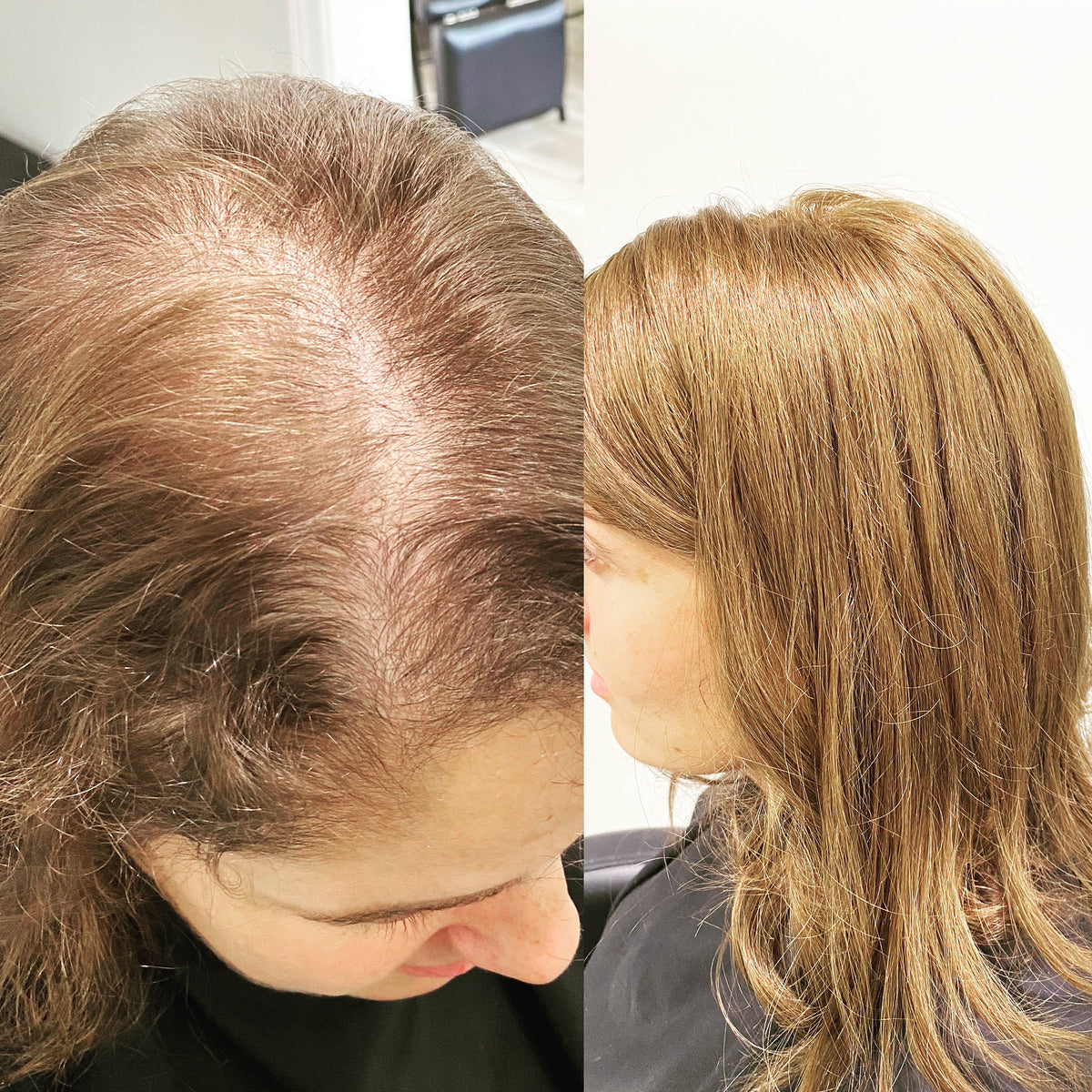
If you’ve dealt with recurring scalp conditions, it’s wise to pause and evaluate whether extensions could aggravate symptoms. Some clients successfully wear extensions with a consistent care routine; others find their scalp is happier without added weight or coverage. Properly maintained hand tied hair extensions can deliver beautiful, comfortable results when you follow a regular move-up schedule and keep the scalp clean and dry. The client shown maintains her appointments, supports growth with gentle home care, and looks gorgeous with long hair—and just as lovely with her natural length.

Why Scalp Health Matters With Hair Extensions
A clean, balanced scalp helps preserve your natural growth cycle while you wear extensions. When attachments and roots are not washed well, bacteria and fungus can thrive in trapped oils, sweat, and product buildup. The most common bacteria implicated in follicle irritation include Staphylococcus and Cutibacterium, both of which can contribute to inflamed follicles known as folliculitis. Folliculitis is a skin condition where hair follicles become red, tender, and sometimes filled with pustules. Dermatitis, by contrast, describes inflammation of the skin that may present as redness, itching, scaling, or burning; seborrheic dermatitis is a form commonly seen on the scalp and can appear as stubborn dandruff or greasy flakes. With consistent cleansing, careful drying, and gentle exfoliation, many of these concerns are preventable while wearing extensions.
When deciding how to care for your scalp, keep the attachment method in mind. Strand-by-strand systems allow more direct access to the scalp for shampooing. Wefted options may require extra sectioning during cleansing and more drying time to ensure no moisture remains at the base.

How to Keep Your Scalp Healthy: Clear, Actionable Care Steps
1) Wash one to two times weekly using a scalp-friendly shampoo. Focus on the skin, not just the lengths, and take your time to gently work between rows or bonds so all areas are thoroughly cleansed.
2) Dry completely after each wash, especially around bonds, tapes, beads, or wefts. Residual moisture near attachments can cause odor, itchiness, and unwanted microbial growth.
3) Schedule regular check-ins with a professional to evaluate your scalp and attachment points. A trained eye can spot early irritation, slippage, or buildup before problems escalate.
4) Watch for dandruff or flaking. Flakes can signal dryness, dermatitis, or product residue; adapt your routine with soothing shampoos and light exfoliation as needed.
5) Keep up with move-up appointments. Timely maintenance prevents tangling at the roots, reduces tension, and keeps the scalp feeling comfortable.
6) Limit dry shampoo. Overuse can clog follicles and dull the scalp’s natural balance. Use it sparingly and always wash thoroughly at your next shampoo.
Products to Lift Buildup and Calm the Scalp
1) Anti-microbial shampoo: Use on the scalp to support a clean environment and help manage odor or buildup from sweat and oils. Massage gently, then rinse thoroughly.
2) Anti-bacterial hair spray, such as Biosilk Anti-Bacterial Spray: Apply one to two times per week as directed to support scalp freshness between washes.
3) Scalp antiseptic like “Sea Breeze”: Apply to a dry scalp, massage lightly, then wash out fully and follow with conditioner through the mids and ends—avoiding direct conditioner on bonds or tapes.
4) Apple Cider Vinegar Rinse: Leave on briefly—about the time it takes to wash your body—then shampoo and condition as usual. This can help dissolve residue and restore a fresh feel to the scalp.
Keep products targeted to the scalp rather than the attachment sites to protect the integrity of bonds, tapes, or beads. When in doubt, apply treatments with a cotton pad or fingertips just to the skin, then rinse carefully.

Scalp Massage and Your Microbiome: Benefits and Best Practices
Your scalp microbiome—a community of microorganisms that naturally live on the skin—plays a key role in comfort, oil balance, and resilience. A gentle scalp massage supports circulation, which in turn can encourage nutrient delivery to follicles and help with hair retention. Regular massages also relax tense areas, easing stress-related itchiness and flaking. When the scalp’s ecosystem is stable and well-cared-for, extensions often feel lighter and more secure, and your natural hair tends to thrive beneath them.
How to massage effectively: Use the pads of your fingers, not nails. Apply light to medium pressure in slow circular motions, starting at the hairline and moving toward the crown. Spend extra time around areas that feel tight. You can perform this on a dry scalp or before shampooing to help lift buildup. Some prefer a small amount of lightweight oil on the fingertips to reduce friction; keep oils away from bonds or tapes to avoid slippage. Even a few minutes during your wash routine can make a noticeable difference in scalp comfort and softness.

How Scalp Massage Helps While Wearing Hair Extensions
Gentle circular motions help distribute natural oils (sebum) along the scalp, supporting softness without overloading the roots. With extensions, this distribution can minimize dry patches and keep the skin feeling supple. A small amount of lightweight oil such as jojoba or coconut oil may add slip and comfort when performing a pre-shampoo massage; keep application strictly to the scalp skin and away from attachment areas. Massage promotes circulation, aiding nutrient exchange at the follicle level and helping maintain a comfortable environment where hair can flourish. Paired with a periodic scalp treatment, this routine helps reduce stress, rebalances the scalp biome, and eases common concerns like flakes or itchiness triggered by product residue and lack of moisture.
If you enjoy tools, a soft, flexible scalp brush used gently across the skin (not scraping the bonds) can lift dead skin cells before shampooing. After massaging, cleanse carefully between rows and thoroughly rinse. Finish by drying the base of your extensions completely so no dampness remains trapped. A little attention here goes a long way toward glossy, manageable hair and a calm, happy scalp.
Should You Stop Wearing Hair Extensions?
If your scalp is itchy, flaky, unusually tight, or painful, remove your extensions and allow your scalp to rest. In some cases, you may need an evaluation by a physician or dermatologist—especially if you notice pustules, intense redness, or persistent tenderness. These reactions are uncommon and often avoidable with correct application, gentle home care, and precise maintenance intervals. However, listening to your scalp is essential; ongoing pain is a sign to pause and reassess method, weight, or routine.
It’s important to share the full picture: while many people enjoy transformative results, there are occasional downsides if care slips or if the method isn’t well-matched to your hair type. Be proactive with cleansing, drying, and move-ups to prevent issues. Consider hair texture, lifestyle, and styling habits—especially if you wear curly hair—when determining if extensions are right for you long-term.
Putting It All Together: A Balanced Routine for Scalp-First Extensions
Here’s a concise roadmap you can adapt to your method:
• Before wash day: Gently massage the scalp with fingertips to lift buildup, avoiding direct pressure on bonds or wefts. Section hair so you can reach the skin beneath every row. If needed, use a small amount of scalp-friendly oil just on the skin as a pre-shampoo step, keeping it away from attachments.
• During the wash: Use a scalp-focused shampoo and work in with small circular motions. Rinse thoroughly, then condition mids-to-ends only. If your scalp needs extra freshness, incorporate anti-microbial shampoo once or twice weekly as directed.
• After the wash: Pat dry, then blow-dry the roots and attachment areas completely. Finish with a cool setting to calm the skin. Use anti-bacterial spray as recommended to maintain a clean feel between shampoos.
• Between appointments: Limit heavy products near the scalp, especially dry shampoo. If flakes appear, consider an antiseptic scalp treatment or a brief apple cider vinegar rinse on wash day, then cleanse and condition as usual. Maintain your move-up schedule to prevent excess tension and tangles.
Conclusion: Prioritize the Scalp for Beautiful, Long-Lasting Extensions
Healthy hair extensions start with a clean, comfortable scalp. Choose a method that aligns with your hair density, keep attachments dry and secure, and maintain a simple routine of washing, thorough drying, and gentle massage. Define issues clearly—like folliculitis or dermatitis—so you can respond early with targeted care.
If you’re unsure which method or routine is best for your scalp and hair type, you can book a free hair extension consultation to get personalized recommendations that keep your scalp healthy and your extensions looking their best.


