

Balayage vs. Highlights: Choosing the Perfect Hair Coloring Technique

When you’re ready to elevate your color, understanding the difference between balayage and highlights is essential. Whether your base is blonde, brunette, red, or somewhere in between, choosing the right technique plays a major role in how your final result looks, grows out, and fits your lifestyle.
Both balayage and highlights add dimension and brightness—but they achieve it in different ways. Balayage is hand-painted to create a soft, blended, sun-kissed effect with a more natural grow-out. Highlights, on the other hand, use foils to deliver more precise placement, brighter lift, and defined ribbons of color.
If you’re drawn to a low-maintenance, lived-in look, balayage may be the better fit. If you prefer a brighter, more uniform result with consistent lift from root to end, traditional highlights often deliver that impact. Many modern looks combine both techniques to create customized, dimensional color.
Ultimately, the right choice depends on your haircut, hair density, maintenance goals, and the level of brightness you want to achieve. Working with a specialist in hair color Boston ensures the technique is tailored to your hair—not just the trend—so your result feels intentional, balanced, and long-lasting.
Visual Comparison: Balayage Freehand Painting 
Visual Comparison: Traditional Foil Highlights
Balayage vs. Highlights: Core Differences Explained
Before dissecting the nuances of these color services, it helps to define the broader category of hair coloring. Hair color can deepen, lighten, or shift tone. A technique, however, refers to how the color is placed. “Natural hair color” simply means your untreated shade. Importantly, lowlights—darker strands added back in for depth—are not created by lightening. They’re a separate process used to add richness, while highlights are created by lifting pigment.

Balayage Hair Coloring, Defined
Balayage, from the French “to sweep,” relies on freehand painting. Rather than saturating from root to tip in a foil, the stylist sweeps lightener or color through the mid-lengths and ends, allowing a gentle gradient that looks like it’s been kissed by the sun. The result is airy softness, natural dimension, and a grow-out that’s more subtle at the root. Because color is feathered on, painted sections can be thicker or thinner to accentuate movement and texture, and the line of demarcation is intentionally blurred for a lived-in finish. It’s especially flattering on layered cuts and wavy or textured styles, though it can be tailored for straight hair, too.
Highlights Hair Technique, Defined
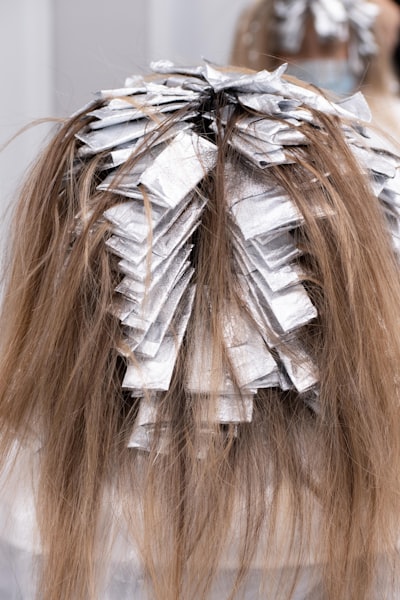
Lowlights often accompany highlights to restore balance in hair that’s been over-lightened—they add the “shadow” that makes highlights pop. Highlights themselves typically use foils to isolate sections and precisely control lift and tone. Think luminous splashes of brightness that can start close to the root and travel down in consistent ribbons. You can choose delicate, face-framing accents or a full head for a major lighting effect. Because foils trap heat and keep lightener separate, the lift is predictable and even, making highlights ideal for crisp contrast and high-impact blonding.
Delving into Balayage Hair Coloring Technique
Now that you’ve got the basics, let’s look closer at what makes the balayage technique unique. Painting by hand gives the colorist complete control over placement, saturation, and negative space. That control is what creates the soft, diffused transition that mimics how the sun lightens naturally—brighter on the ends and surface layers, deeper at the roots and underneath.
How the Balayage Technique Is Applied
For a full balayage, hair is sectioned for precision, then painted strategically with sweeping motions. The colorist focuses on mid-lengths and ends to keep the root area soft, varying the thickness and angle of each stroke to accentuate your haircut and face shape. Sections that catch light—around the face, crown, and top layer—often get a touch more brightness, while under-layers can be left deeper for dimension. After processing, toner may be applied to refine undertone and create the desired finish, from creamy beige to smoky ash or warm caramel.
Why Balayage Works—and Who It’s Best For
Balayage suits a wide range of hair types and lengths. On wavy or curly hair, painted pieces peek through spirals to show movement. On straight hair, diffused placement keeps the result soft rather than stripy. Balayage is adaptable for both light and dark hair: brunettes can enjoy dimensional espresso and mocha ribbons with toffee ends, while blondes can lean into surfy brightness that still blends naturally at the crown. The lived-in grow-out is a major perk for anyone seeking a low-maintenance routine that still looks polished weeks later.
Considerations Before You Choose Balayage
Because balayage relies on artistry, the initial service can be time-intensive. Very dark hair seeking high-contrast results may need multiple sessions to preserve hair health. Those who prefer consistency from root to tip or maximum brightness at the scalp may feel that balayage is too soft. And like any color service, maintaining tone with the right home care and salon glosses will keep the finish looking fresh. If you want a structured pattern or lightness close to the scalp that stays consistent, traditional foils may better match your vision.

Exploring Foil Highlights Hair Coloring
Classic foils are beloved for bright, consistent lift and clearly defined ribbons of color. Whether you want a whisper of brightness or a dramatic transformation, foil placement can be customized for subtle face-framing, partial coverage, or a full head of highlights. Heat retained in foils speeds and stabilizes processing, supporting even lift and predictable results.
Types of Hair Highlights
There are different types of highlights for different goals, including:
- Full highlights: Lighten throughout the head for maximum brightness and an overall lighter appearance, from roots to ends.
- Mini highlights: Small, delicate placements add subtle shimmer and dimension without a major commitment.
Face-framing highlights: Strategically placed pieces around the hairline bring light to your features and create a flattering “halo” effect.
- Balayage highlights: A hybrid approach that uses hand-painting to create sunlit dimension while delivering targeted brightness.

Top Benefits of Highlights Hair Techniques—and Who They’re Best For
Highlights can brighten the overall canvas, add sparkle around the face, and create clean, noticeable contrast. They’re versatile for many haircuts, from bobs to long layers, and lend themselves to high-impact blonding or subtle “baby-lights.” If you crave a lighter look near the root with polished, uniform ribbons of color, foils deliver. They’re also a strong choice when covering or diffusing the appearance of gray at the root while keeping the result dimensional.
Highlights: Potential Limitations
With highlights, root regrowth appears more quickly because the bright ribbons typically start close to the scalp. Depending on your natural shade and your target level of brightness, you may need regular touch-ups to keep the look crisp. Hair health is a priority with any lightening—your stylist will assess porosity, strength, and elasticity to choose the right developer and timing. Home care matters, too: using color-safe products and minimizing heat will help preserve tone and shine.
Balayage vs. Highlights: Side-by-Side Comparisons
Here’s how the two techniques differ when you look at placement, maintenance, and finish. Balayage emphasizes a natural gradient, painted freehand for a low-contrast root that grows out softly. Highlights favor uniformity and saturation inside foils, bringing maximum brightness and defined ribbons from scalp to ends. Neither approach is “better”—they simply deliver different looks and upkeep schedules.
Color Placement and the Final Look: Balayage vs. Highlights
In balayage, color is placed where the light would naturally hit: surface layers, mid-lengths, and ends. The effect is a watercolor wash of brightness with shadowed roots and depth underneath, so hair looks expansive and textured. In foiled highlights, strands are taken in a consistent pattern; brightness is even, with a runway of light that can start near the scalp and continue cleanly through the ends. Balayage reads like coastal glow; highlights read like glossy, salon-fresh brilliance.
How Lifestyle Influences Your Hair Coloring Choice
Consider how you wear your hair most days. If you air-dry with a loose wave or prefer undone texture, balayage’s blended ribbons will look effortlessly dimensional and won’t require frequent maintenance. If you style sleek and want a luminous, polished finish—especially for straight hair—highlights will showcase linear shine and crisp contrast. For those who change hair parts often, balayage offers flexible regrowth. If you have a set part and love brightness right at the hairline, foils make a strong case.
Reflective question: How much time do you realistically want to spend on color upkeep every six to eight weeks, and does your daily styling routine lean more lived-in and casual—or sleek and precise?
Consulting with Your Hairstylist About Hair Coloring: What to Discuss
Before committing, schedule a consultation to align on results. Share inspiration photos that capture tone, placement, and brightness—not just the haircut. Be transparent about previous color, chemical services, heat habits, and scalp sensitivity. Ask how many sessions your goal may take, what maintenance looks like, and which technique supports both your vision and hair health. A seasoned colorist will guide you toward balayage, highlights, or a custom blend that enhances your face shape and complements your undertone.
Practical Care Tips for Color-Treated Hair
Once you’ve achieved your dream shade, proper care keeps it vibrant and touchable. The right routine minimizes fading, preserves strength, and extends the time between salon visits. Gentle cleansing, targeted conditioning, and heat protection are the pillars of color longevity, whether you choose a painted gradient or foiled ribbons of brightness.
Balayage Maintenance: How to Extend Your Look
Balayage’s soft root makes grow-out forgiving, but tone still needs love. Use color-safe shampoo and conditioner, and incorporate nourishing masks to maintain shine and manageability. Protect painted ends from heat and UV exposure, and refresh tone with salon glosses when the color looks dull or brassier than you like. If your balayage includes high-contrast pieces, your stylist may suggest periodic painting near the face for a fresh, sunlit pop.
Highlights Maintenance: Keeping Highlighted Hair Fresh and Glossy
Highlights stay their best with consistent root touch-ups and tonal refinements. Book maintenance based on your regrowth rate and desired brightness. A gloss between lightening appointments can restore shine and refine tone without additional lift. Avoid excessive heat and harsh shampoos, and lean on hydrating leave-ins to keep highlighted strands supple and reflective.
Color Care Checklist
- Cleanse with sulfate-free, color-safe shampoo; rinse with lukewarm water to minimize fading.
- Condition every wash; add a deep mask weekly to replenish moisture and smooth the cuticle.
- Use heat protection before blow-drying or hot tools; keep temperatures moderate.
- Limit washing to preserve tone; incorporate dry shampoo on non-wash days.
- Shield hair from UV exposure with hats or UV-protectant leave-ins when outdoors.
- After swimming, rinse promptly; consider a gentle chelating product to remove chlorine or minerals.
- Schedule glosses or toners as recommended to maintain your preferred shade.
- Brush gently, starting at the ends and working up to reduce breakage on lightened hair.
- Sleep on a silk or satin pillowcase to reduce friction and maintain smoothness.
- Discuss a customized at-home regimen with your stylist to match your technique and texture.
Visual Outcomes: How Each Hair Coloring Technique Looks in Real Life
Balayage often reads as beachy, diffused brightness with a soft halo around the face and a gradient that intensifies toward the ends. Sunlit highs and shadowed lows weave together so hair appears thicker and more dimensional. Think glowing tips and mid-lengths that catch light as you move.
Highlights, by contrast, deliver luminous clarity with sleek panels of brightness. When curled, highlighted ribbons create striking, high-definition waves. When straight, they produce a glossy, runway-like sheen from root to tip. The pattern is deliberate and even, making the end result look ultra-polished.
Technique Hybrids: When Balayage Meets Foil Highlights
Many modern color services blend methods to get the best of both worlds. Your stylist might paint larger sections for softness, then add a few foils at the hairline to punch up brightness. Teasy-lights—where hair is gently teased before foiling—can mimic a painted gradient while still achieving lift at the root. This customization can be especially helpful if you’re transitioning from traditional highlights to a more lived-in vibe without losing the illumination you love.
Conclusion: Choosing the Best Hair Coloring Technique
Choosing between balayage and highlights comes down to placement, finish, and maintenance. Balayage creates a softer, sun-kissed effect with more natural grow-out and flexible upkeep, while highlights deliver brighter, more uniform lift with defined ribbons from roots to ends and require more consistent maintenance.
The right choice depends on your hair type, styling habits, and how much upkeep you’re comfortable with. A customized approach—sometimes even combining both techniques—can create the most balanced, dimensional result, especially when working with a specialist in hair color Boston.
Ready to find the technique that fits you best? Book a balayage or highlight appointment to create a look tailored to your hair, lifestyle, and goals.


