

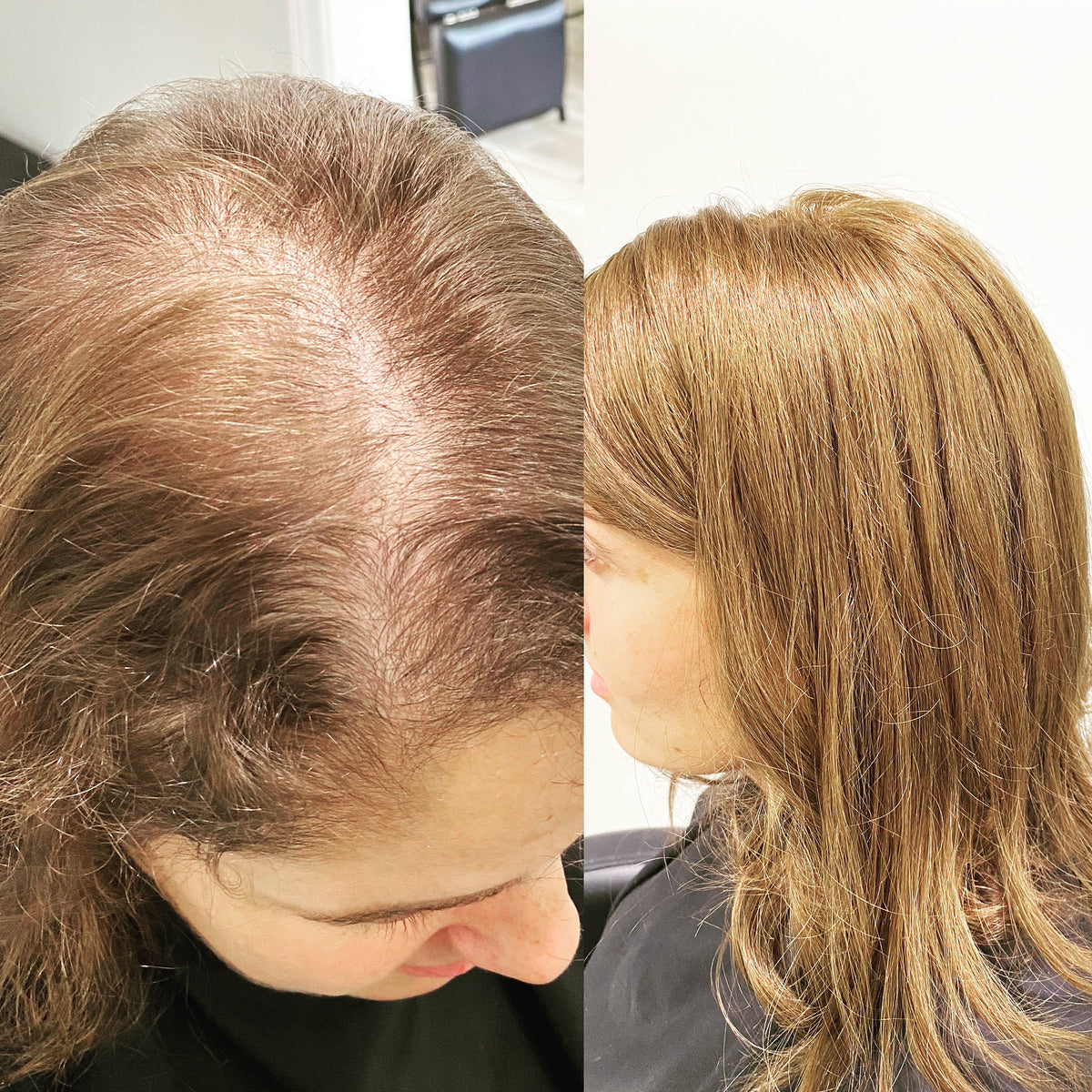


What Are the Best Hair Extensions for Trichotillomania?
Key Highlights
-
Trichotillomania—a hair-pulling disorder—often leads to patchy thinning, uneven regrowth, and scalp sensitivity, which makes many standard hair extension methods unsuitable without modification.
-
Safe hair extensions for trichotillomania emphasize low tension, light weight, thoughtful sectioning, and customized placement that protects fragile hair and respects scalp health.
-
Clip-in, invisible, and carefully selected permanent options can work when tailored to your unique hair loss pattern, pulling triggers, and tolerance level.
-
High-tension methods, heavy hair, strong adhesives, and attachments in active pulling zones should be avoided to prevent irritation and additional hair loss.
-
Choosing extensions around personal pulling patterns and scalp reactivity improves daily comfort, wearability, and long-term results.
-
Working with a stylist experienced in trichotillomania improves safety, application quality, and overall outcomes through specialized evaluation and placement.
-
When used as a supportive—not corrective—tool, hair extensions can help rebuild confidence and emotional well-being while you care for your scalp and natural hair.
Living with trichotillomania often means navigating hair loss that does not follow predictable patterns. Some days feel manageable, while others bring new thinning, tender areas, or visible changes that can be disheartening. It is not just about how your hair looks. It is about a sense of control, comfort, and feeling like yourself.
When hair loss is connected to pulling behaviors, choices around styling and hair extensions in Boston carry extra weight. Many people want fuller-looking hair yet worry about triggering urges, increasing scalp sensitivity, or committing to a method that makes everyday care more stressful. The concern is not only physical damage—it is also the risk of choosing a solution that adds pressure or emotional strain.
This guide is designed to help you move forward with clarity and confidence. It explains which hair extension options can work safely for trichotillomania, which methods to avoid, how to align extensions with pulling patterns, and how to choose a stylist who understands these nuances. The goal is not perfection; it is supportive choices that respect your hair, scalp health, and lived experience.
At Noelle Salon, we provide compassionate, personalized support for individuals navigating trichotillomania and hair loss through customized extension strategies, scalp-conscious placement, and long-term hair recovery guidance.
What Is Trichotillomania and How Does It Affect Hair Growth?
With trichotillomania, hair loss is not only about what is missing, but also how hair regrows over time. Trichotillomania is a body-focused repetitive behavior (BFRB) characterized by recurrent hair pulling that a person may find difficult to resist. Repeated pulling interrupts the natural anagen–catagen–telogen growth cycle, so regrowth often appears uneven, fragile, and unpredictable rather than steady or uniform.
How hair growth is commonly affected:
-
Repeated pulling can weaken hair follicles, slowing regrowth and reducing density.
-
Hair often returns in staggered stages, creating patchy or uneven coverage.
-
New growth may be finer, shorter, or more prone to breakage and shedding.
-
The scalp may remain sensitive or tender, limiting tolerance for weight or tension.
-
Some zones take longer to re-enter active growth, which can make coverage irregular.
Because growth patterns are irregular and the scalp is often reactive, hair extension choices must prioritize low tension, breathability, and flexibility. Methods that allow natural movement and minimize strain are better suited to supporting regrowth and scalp comfort without aggravating fragile areas.
Can People With Trichotillomania Wear Hair Extensions Safely?

People with trichotillomania can wear hair extensions safely when the right method is chosen and applied correctly. The central safety principle is reducing cumulative tension on the scalp and avoiding attachment methods that place stress on fragile or actively pulled areas.
Extensions should not tug on natural hair or irritate sensitive follicles. Lightweight, low-tension options are generally safer, especially for patchy or uneven hair loss and any ongoing urges to pull.
Understanding how hair extensions for natural hair are designed to protect integrity can guide safer choices. Placement matters too—attachments set too close to trigger zones can heighten awareness, discomfort, and the likelihood of pulling.
Safety depends on several key factors related to scalp health and application:
-
Tension on Natural Hair and Scalp: Lower, evenly distributed tension minimizes stress on follicles.
-
Extension Weight and Distribution: Lighter hair and balanced placement reduce strain on weak areas.
-
Scalp Condition and Pulling Activity: Active pulling sites, tenderness, or inflammation require extra caution.
-
Airflow and Scalp Accessibility: Methods that permit airflow and allow routine scalp care support overall scalp health.
-
Professional Evaluation and Custom Placement: Personalized mapping based on pulling patterns and density preserves natural hair.
When chosen carefully, hair extensions can improve appearance and confidence without harming natural hair. They should be treated as a supportive tool alongside scalp care and, if helpful, behavioral strategies.
Which Hair Extensions Are Best for Trichotillomania by Hair Loss Type?

The best hair extensions for trichotillomania depend on the location of hair loss, the level of pulling activity, scalp sensitivity, and personal preference. Because patterns can be irregular, selecting a method based on hair loss type helps limit tension and improve comfort.
Below are suitable options matched to common trichotillomania hair loss patterns, with brief definitions to clarify each method and the care they require.
1) Clip-In Hair Extensions
What they are: Clip-ins are temporary wefts that attach using small pressure-sensitive clips and are removed daily or as needed.
-
Best for: Short-term wear, special occasions, and mild or stabilized pulling patterns.
-
Why they can help: Flexible, removable, and can be taken out during high-stress periods to reduce scalp load and awareness.
-
How to use safely: Place clips away from active pulling zones; avoid heavy sets; rotate placement to prevent repeated pressure on the same spots.
-
Precautions: Do not sleep in clip-ins; ensure clips are cushioned and secure without pinching; remove immediately if tenderness develops.
Trichotillomania clip-in hair extensions offer adaptability and allow pauses when needed, reducing ongoing tension and giving the scalp time to rest.
2) Invisible Hair Extensions
What they are: “Invisible” commonly refers to low-profile, discreet attachment methods designed to blend seamlessly with natural hair and reduce visibility at the root.
-
Best for: Uneven regrowth and sparse areas that need subtle coverage without bulky bonds.
-
Why they can help: Low-profile attachments reduce tactile awareness and irritation, which may lessen triggering sensations near the scalp.
-
How to use safely: Choose lightweight hair; space attachments to avoid fragile areas; prioritize methods that allow airflow.
-
Precautions: Schedule regular professional check-ins for repositioning; avoid placing near actively inflamed sites.
Invisible hair extensions for trichotillomania are most effective when customized by an experienced stylist who maps placement to your natural growth and pulling patterns.
3) Permanent Hair Extensions
Permanent hair extensions offer longer wear between services, but they require careful planning and conservative application.
-
Best for: Stable hair loss patterns with minimal active pulling and good scalp tolerance.
-
Why they can help: Provide consistent fullness with scheduled maintenance, which may reduce day-to-day handling.
-
How to use safely: Select small, lightweight attachments; keep bonds away from triggers; balance weight across stronger anchor zones.
-
Precautions: Improper placement can increase awareness or strain; professional evaluation and ongoing maintenance are essential.
Permanent hair extensions for trichotillomania work best when tension control and attachment location are personalized and reassessed over time.
4) Extensions for Patchy or Uneven Hair Loss
What they are: Strategically placed pieces or partial systems that blend fuller sections with areas of thinner coverage.
-
Best for: Irregular, patchy regrowth where full-head coverage is unnecessary or risky.
-
Why they can help: Custom spacing and feather-light hair reduce stress while filling visual gaps.
-
How to use safely: Map anchor points to stronger hair; avoid attachment in fragile patches; allow for removability or easy repositioning.
-
Precautions: Reevaluate placement as regrowth shifts; keep methods breathable for scalp access.
5) Extensions for Sensitive or Fragile Scalps
What they are: Low-tension systems using ultra-light hair, gentle bonds, and breathable patterns designed for reactive scalps.
-
Best for: Tender or inflamed scalps that cannot tolerate pressure, heat, or adhesive exposure.
-
Why they can help: Lower weight and fewer contact points minimize irritation and support scalp health.
-
How to use safely: Prioritize airflow; schedule shorter wear cycles; use gentle cleansing and drying techniques.
-
Precautions: If discomfort persists, remove extensions promptly and allow the scalp to recover.
Choosing extensions based on hair loss type helps protect natural hair while improving appearance. A personalized consultation is essential to ensure the method supports scalp health, daily comfort, and long-term flexibility. Booking a dedicated a hair extension consultation allows a specialist to assess pulling patterns, scalp sensitivity, and the safest options for your needs.
How to Choose the Right Extension Method for Your Pulling Triggers?
Choosing the right hair extension method for trichotillomania starts with understanding when and where pulling is most likely to happen. Triggers vary widely—from sensory awareness at the root to times of increased stress—and extensions should reduce access to trigger areas rather than highlight them. Matching the method to your specific patterns helps protect fragile hair and supports long-term comfort.
To align extensions with your triggers, consider:
-
Identify High-Frequency Pulling Areas: Map the zones where pulling occurs most often; these are typically off-limits for attachment.
-
Avoid High-Risk Attachment Zones: Set attachments away from tender, inflamed, or recently pulled regions.
-
Select Lightweight, Low-Awareness Extensions: Choose subtle, low-profile methods that reduce tactile sensation at the scalp.
-
Use Removable Options During Stressful Periods: Favor clip-ins or easily adjusted systems when stress or urges increase.
-
Focus on Comfort and Flexibility: Prioritize solutions that feel gentle and can be moved as regrowth and triggers change.
-
Work with a Trichotillomania-Aware Professional: Partner with a stylist who understands patterns and will re-map as needed.
Extension Safety: Practical Tips for Scalp Health and Product Choice
Extension safety for trichotillomania rests on honest assessment and ongoing adjustment. Before any installation, analyze your hair and scalp so your stylist can tailor tension and placement.
-
Assess scalp sensitivity: Note tender, inflamed, or recently pulled areas and keep attachments well away.
-
Check anchor strength: Identify stronger sections that can safely support light attachments, and avoid fragile zones.
-
Choose gentle products: Use mild cleansers, non-irritating conditioners, and lightweight leave-ins that will not build up around attachments.
-
Dry with care: Thoroughly dry roots and bonds; avoid high heat directly on attachments; support hair while brushing.
-
Schedule routine check-ins: Reposition and lighten where needed; remove immediately if discomfort persists.
Conclusion
Hair extensions for trichotillomania require a thoughtful, highly personalized approach. When tension, weight, and placement are carefully controlled, extensions can provide natural-looking coverage while supporting scalp comfort and ongoing regrowth. The goal is never to force a solution—but to find one that works with your hair, your triggers, and your lifestyle.
For hair extensions Boston clients trust for hair loss and trichotillomania, experience and customization matter. Book a free hair extensions consultation to have your scalp and hair evaluated, explore safe, low-tension options, and create a plan designed around your comfort, confidence, and long-term hair health.
Frequently Asked Questions
Can hair extensions help reduce the urge to pull hair?
For some people with trichotillomania, extensions can reduce the urge by changing sensory feedback at the root, adding a gentle barrier, and making pulling less satisfying—supporting habit interruption when combined with mindful care and professional guidance.
How do you maintain hair extensions with trichotillomania?
Maintain extensions by using salon-recommended, gentle products; washing carefully without tugging; thoroughly drying roots and attachments; avoiding tight hairstyles; and attending scheduled maintenance to protect both your extensions and natural hair.
Where can I find a trusted hair extension specialist for trichotillomania?
When searching for hair extensions for trichotillomania near me, look for salons offering hair loss services, book a private consultation, ask about experience with similar cases, and confirm a low-tension approach and sensitivity to scalp health.
What is the best method for attaching hair extensions if I have damaged hair from trichotillomania?
The best methods are low-tension, lightweight, and either removable or highly customized. They should avoid fragile areas, reduce scalp awareness, and allow easy monitoring and repositioning over time.
Are clip-in hair extensions a good solution for trichotillomania hair loss?
Clip-ins can be a strong option because they are removable, low-tension, and easy to pause during high-stress periods. Place clips away from active trigger zones and avoid sleeping in them to protect scalp health.
Do hair extensions work well for people new to managing trichotillomania?
Yes—when introduced cautiously. Start with light, flexible systems and pair them with gentle routines, education, and an experienced stylist who can adjust placement as your comfort and confidence grow.
Is there a community or support group for people using hair extensions for trichotillomania?
Many people find online communities and support spaces helpful for sharing practical tips, coping strategies, and stylist recommendations. These groups can complement professional care and make extension choices feel less isolating.


