



Cold Capping During Chemotherapy: What We’re Seeing in Real Life

A cancer diagnosis changes everything, and the treatment journey can be one of the most physically and emotionally challenging experiences a person faces. Over the years, I’ve had the privilege of supporting many clients through chemotherapy, and it remains some of the most meaningful and humbling work I do.
For a long time, wigs, hair toppers, and extensions were the primary ways we helped clients feel like themselves during treatment. And they still play an important role. But in recent years, cold capping has changed what’s possible for many people.
In my experience, cold capping doesn’t work for everyone—but for many, it allows them to retain enough of their natural hair that they don’t need a full wig. Instead, we’re often able to enhance what remains with a lightweight topper or selective extensions, creating a more natural and manageable result.
I’ve also seen something encouraging: for some clients, hair appears to grow back more smoothly—or sometimes faster—after treatment. While results vary, preserving the follicles during chemotherapy seems to make a meaningful difference in how recovery looks and feels.
Cold capping isn’t a perfect solution, but when it works, it can shift the experience from complete hair loss to partial retention—and that alone can have a powerful impact on confidence and emotional well-being.
What Is Cold Capping During Chemotherapy?
Cold Capping is a scalp cooling procedure used during chemotherapy infusions to help reduce hair loss. By lowering the temperature of the scalp, Cold Capping constricts the tiny blood vessels that feed the hair follicles. This vasoconstriction reduces the amount of chemotherapy medication that reaches the follicles, helping to preserve more of a patient’s natural hair. For many undergoing breast cancer treatment and other solid tumor therapies, the ability to keep significant amounts of hair is a meaningful part of maintaining identity and dignity during care.
One of my lovely clients recently shared her experience with chemotherapy and Cold Capping at Mass. General Hospital in Boston, Massachusetts. She described how the process gave her a sense of control in an otherwise unpredictable time. The story behind modern scalp cooling is often traced to Dr. Paxman, who helped develop the technology in an effort to support his wife, Sue. Although Sue ultimately lost her hair, the innovation has since helped many people preserve theirs. In my own chair, I’ve seen clients keep well over half of their hair when their treatment plans and individual biology allowed—results that always vary based on factors like cancer stage, regimen, hair density, and overall scalp health.
How Scalp Cooling Works: The Mechanism Behind Cold Capping
Cold Capping works through two complementary mechanisms. First, cooling narrows the blood vessels in the scalp, reducing blood flow to the hair follicles during active infusion. Second, the chilled environment lowers the metabolic activity of the follicles, making them less susceptible to the cytotoxic effects of chemotherapy drugs. Together, these effects can limit the amount of medication that penetrates the follicles, moderating the damage that triggers shedding. While not every patient experiences the same level of protection, these mechanisms explain why many see less hair loss with consistent and properly timed use.
Why Timing Matters During Chemotherapy
Timing is essential to Cold Capping success. Pre-cooling the scalp before the infusion begins helps achieve adequate vasoconstriction right as chemotherapy enters the bloodstream. Maintaining cooling during the entire infusion helps sustain protection while the medication is circulating. Post-cooling—continuing to wear the cap for a period after infusion ends—can be equally important because many drugs remain active in the bloodstream for some time. The first chemotherapy session is especially critical since hair follicles may be most vulnerable early in treatment; establishing proper cooling protocols from the outset can set the tone for the rest of the journey.
Chemotherapy-Induced Hair Loss: Emotional Realities and Practical Options
Understanding Chemotherapy-Induced Hair Loss
Chemotherapy-induced hair loss is a well-known and emotionally taxing side effect of cancer care. For many, losing hair impacts self-esteem, identity, and daily confidence. Cold Capping has emerged as a meaningful way to address this—both practically and emotionally. By minimizing the exposure of hair follicles to chemotherapy, scalp cooling can preserve more of a person’s own hair, which often helps them feel more like themselves throughout treatment. Have you or someone you love faced the emotional challenges of hair loss during chemotherapy? What would it mean to you to maintain your hair during such a difficult time? These questions matter because each person’s experience is unique, and the path to feeling whole is deeply personal.
The Emotional Impact of Hair Loss
Beyond physical appearance, Cold Capping can nurture a sense of agency. Even when shedding occurs, the act of taking steps to protect hair can help patients feel engaged and supported. Many describe the sight of their own hair in the mirror as a steadying reminder of self. Others share that keeping their hair allows them to share their diagnosis on their own terms, which can be a powerful form of emotional protection.
Paxman Scalp Cooling System Story
I am honored to highlight the story behind the Paxman Scalp Cooling System. The system has helped redefine Cold Capping by making the process more consistent and accessible in many clinics. By circulating cooled liquid through a fitted cap, the device delivers even, controlled temperatures across the scalp throughout chemotherapy. Many users preserve a significant portion of their hair, though results vary by drug type, dose, hair and scalp condition, and individual response. If you’re considering this option, discuss your treatment plan, medications, and timing with your oncology team to understand likely outcomes for you personally.
DigniCap Scalp Cooling
DigniCap Scalp Cooling is another FDA-cleared solution designed to reduce hair loss from certain chemotherapy treatments, especially for patients with solid tumors. Like other systems, it prioritizes follicle preservation by carefully regulating scalp temperature before, during, and after infusions. Patients often report that keeping hair—even partially—improves confidence, supports social interactions, and provides continuity in everyday life. As technology evolves and access expands, more individuals can explore whether Cold Capping aligns with their goals, medical plans, and comfort levels.
Potential Side Effects and What to Expect
Common side effects of cooling caps include headaches, scalp pain, and discomfort from the cold. Some people also report a feeling of tightness from the cap fit. These sensations are typically temporary and tend to lessen as patients acclimate over repeated sessions. Most feel that the potential to retain hair outweighs the discomfort, but it’s important to be prepared with practical strategies—consider bringing warm clothing, asking for a heated blanket, and practicing relaxation techniques during sessions.
Insurance Coverage, Costs, and Support Resources
Insurance coverage for Cold Capping varies widely by provider and policy. Some plans cover part of the cost, while others may not cover it at all. Before beginning, contact your insurer to confirm any benefits, documentation requirements, or reimbursement options. There is also financial support available through organizations such as “Hair to Stay,” which may help offset expenses for those who qualify. For patients using manual caps, investing in a portable cooler with dry ice can make it easier to manage temperatures between cap changes at each infusion appointment, improving consistency and convenience.
Professional Guidance: How Experts Support Cold Capping Success
Oncology professionals and experienced scalp-cooling specialists play a crucial role in patient outcomes. Nurses and infusion staff can help time pre-cool, infusion, and post-cool phases around your exact medication schedule. Physicians and pharmacists provide insights on drug regimens, which can inform expectations about shedding. Hair professionals familiar with Cold Capping can recommend gentle care routines, low-tension styling, and the right tools to reduce friction and protect fragile strands. Together, this network of expertise enables a more informed, comfortable, and effective experience for many patients.
Practical Expert Tips for Hair and Scalp Care
Experts often emphasize a gentle approach during chemotherapy and Cold Capping. Consider sulfate-free cleansers, minimal heat styling, soft brushes, and loose hairstyles that avoid traction. Space out washes, dab rather than rub when towel-drying, and sleep on a smooth pillowcase to reduce friction. Avoid tight ponytails, harsh color services, and chemical treatments until your medical team and hair professional advise otherwise. These small adjustments can help you make the most of scalp cooling and support your hair’s resilience.
How Noelle Salon Helps Clients Who Cold Cap
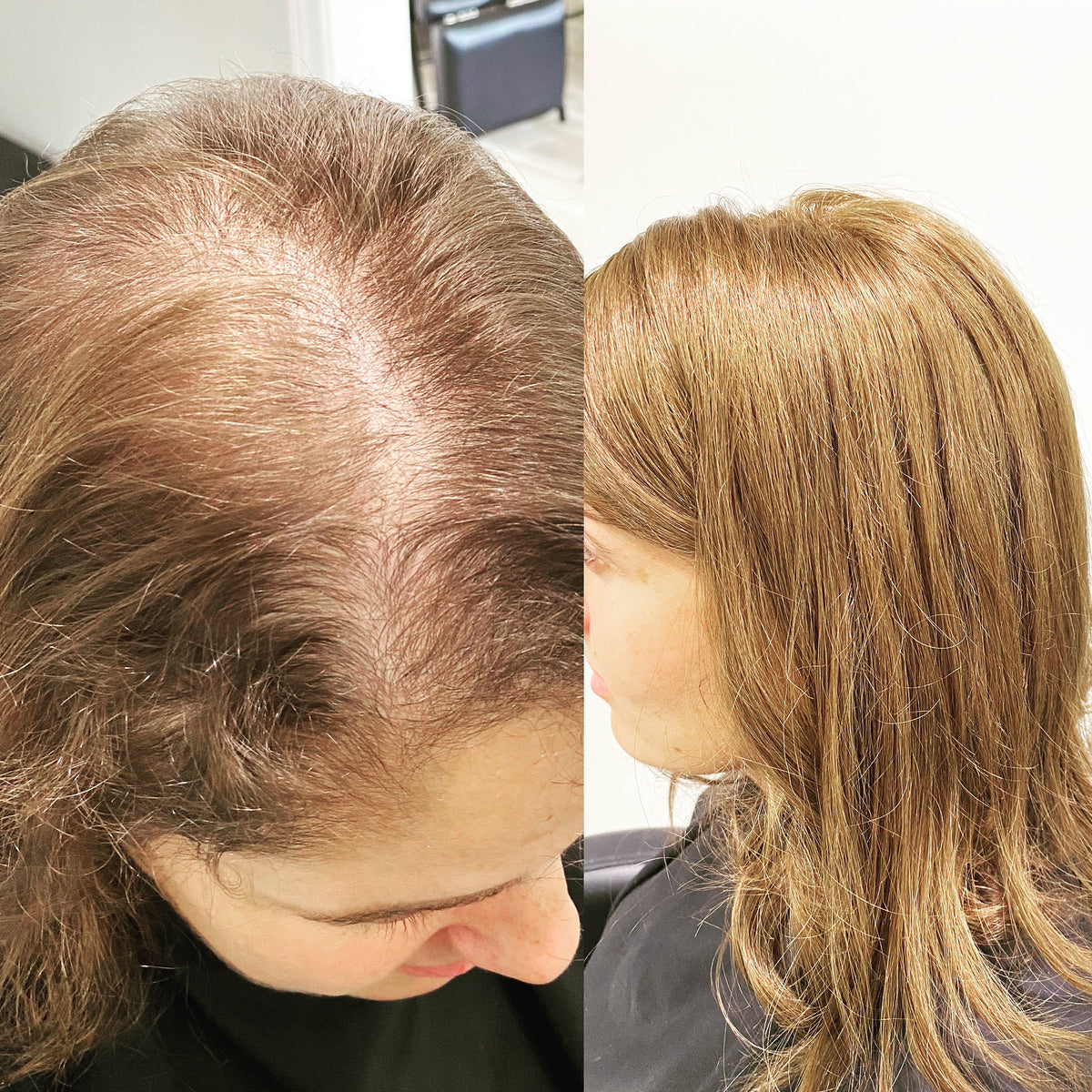
When clients visit our salon after chemotherapy and Cold Capping, we often see that any thinning is most visible at the top, sides, and crown—areas where follicles can be more vulnerable. Our first step is a careful evaluation of the scalp and hair to understand shedding patterns, density, and texture. If active shedding has stabilized, we may recommend filling in sparse areas with invisible hair extensions by CombLine. This method allows us to connect one fine strand to one of your own hair strands using a clear, discreet adhesive. Because the bonds are so subtle, your natural hair does not need to fully cover the extension attachment, which makes this technique especially helpful when density is reduced around the part or crown.
Every plan is customized. We start conservatively, add in small sections, and check comfort frequently. Our goal is to enhance fullness without adding weight or stress to recovering follicles. We also provide guidance on at-home maintenance so extensions remain comfortable and hair-friendly during your recovery and regrowth.

Hair Toppers for Chemotherapy-Induced Hair Loss
When there is more pronounced hair loss, we may recommend a hair topper to cover the top of the head until regrowth fills in. Our toppers are not shaved-in or glued to the scalp, which supports healthy regrowth and comfortable daily wear. A well-chosen topper blends with your remaining hair, restores coverage at the part and crown, and offers flexibility in styling while your follicles recover after chemotherapy.
I share these options because even when chemotherapy is essential, the visible effects of hair loss can weigh heavily on self-image. Our team is here to support every step—through Cold Capping, hair toppers, and, when appropriate, hair extensions—so that looking in the mirror feels a little more familiar and hopeful. The beautiful client pictured left our salon with tears in her eyes—tears of joy—and kindly allowed us to document her journey to encourage others who may be walking a similar path.
If sharing our experience helps even one person feel less alone, then we have done our job.
Client Story: Cold Capping, Chemotherapy, and Finding Confidence
Patient Experiences with Cold Capping
One client arrived for her first consultation just before starting chemotherapy. She was anxious about hair loss but determined to try Cold Capping. Together, we mapped out her plan: pre-cooling before every infusion, staying cool throughout, and continuing post-cooling diligently after each session. She stocked a bag with warm socks, a blanket, and a playlist to help pass the time. During the first rounds, she felt the chill, experienced a few headaches, and worried during every shed. Yet, week by week, she saw that much of her hair remained. She told me that being able to keep her familiar haircut and color helped her “recognize herself” during the hardest days. After treatment, we gently filled in a few thin areas with carefully placed strands and, when needed, used a light topper on special occasions. Her message to others: “Cold Capping isn’t perfect, but it gave me back a part of myself.” What would it mean for you to maintain part of your hair during this time?
Checklist: Questions to Ask About Cold Capping
- Is Cold Capping appropriate for my chemotherapy regimen and diagnosis?
- What is the recommended timing for pre-cooling, during infusion, and post-cooling with my specific drugs?
- What level of hair retention is typical with my treatment plan, and how much variability should I expect?
- Who manages the cap fit and temperature monitoring during infusions at my treatment center?
- What side effects should I anticipate, and how can I prepare to stay comfortable?
- How many cycles will I need to cap, and how long does each session typically last?
- What costs are involved, and does my insurance offer any coverage or reimbursement?
- Are there charitable or financial assistance programs that could help offset costs?
- What hair care practices should I follow during chemotherapy to protect fragile strands?
- When is it safe to consider hair extensions or hair toppers if I notice thinning?
How effective is Cold Capping in preserving hair during cancer treatment?
Cold Capping has shown strong potential to reduce hair loss for many patients by cooling the scalp and narrowing blood vessels, which limits the amount of chemotherapy medication that reaches hair follicles. While individual outcomes vary widely depending on drug type, dosage, timing, and personal biology, many people maintain a meaningful portion of their hair and, with it, a measure of confidence during chemotherapy. Consistency, proper fit, and adherence to timing guidelines can make a noticeable difference.

Patient Stories, Reflection, and Emotional Support
Every person’s path through chemotherapy and hair loss is different. Some feel empowered by Cold Capping and find that keeping a portion of their hair helps them maintain privacy and control. Others prefer the simplicity of shaving and moving to wigs or toppers right away. There is no single right choice—only the one that supports your body, spirit, and lifestyle. Have you or a loved one navigated this decision? What helped you feel most like yourself? Many clients tell us that compassionate conversations, clear expectations, and small, manageable choices—like a softer brush or fewer wash days—made an outsized emotional difference.
Setting Expectations: Variability and Results
How Cold Capping Affects Treatment Outcomes
Results from Cold Capping vary. Some individuals retain a large share of their hair; others experience moderate to significant shedding despite perfect adherence. Factors include chemotherapy type and dose, overall health, baseline density, hair diameter, curl pattern, and even cap fit from session to session. In our experience, clients using chemotherapy regimens that are less aggressive for hair follicles sometimes see higher retention, and we have observed many who preserved more than 50% of their hair. Your oncology team can help you anticipate what’s most likely for you, and together we can develop a supportive hair plan regardless of outcome.
Care Routines to Support Cold Capping
Gentle routines can complement scalp cooling. Try washing less frequently with mild, sulfate-free formulas; avoid tight elastics and heavy accessories; use low heat or air-dry; sleep on a smooth pillowcase; and limit brushing to detangle only as needed. If shedding appears, patience and consistency go a long way. Once treatment is complete and shedding subsides, we can reassess whether subtle, lightweight enhancements—such as meticulously placed strands or a small topper—could add density without compromising comfort.
Conclusion: Hope, Confidence, and Next Steps
Cold capping—also known as scalp cooling—has reshaped how many people experience chemotherapy-related hair loss. By lowering scalp temperature and reducing blood flow to the hair follicles during treatment, many patients are able to preserve a meaningful amount of their natural hair.
When it works, the impact goes beyond appearance. Maintaining familiar features can help restore a sense of control, confidence, and normalcy during a challenging time.
If you’re considering scalp cooling, speak with your oncology team about whether it’s appropriate for your treatment plan, along with timing and realistic expectations. Having the right support in place—both medically and cosmetically—can make the process feel more manageable.
For those who retain partial hair, options like lightweight hair toppers or selective extensions can enhance what remains, creating a natural, comfortable look without the need for a full wig.
If you’re ready to explore personalized support during or after treatment, you don’t have to navigate this alone.
👉 Book your free hair loss consultation to create a plan that supports your comfort, your hair, and your confidence—every step of the way.


