

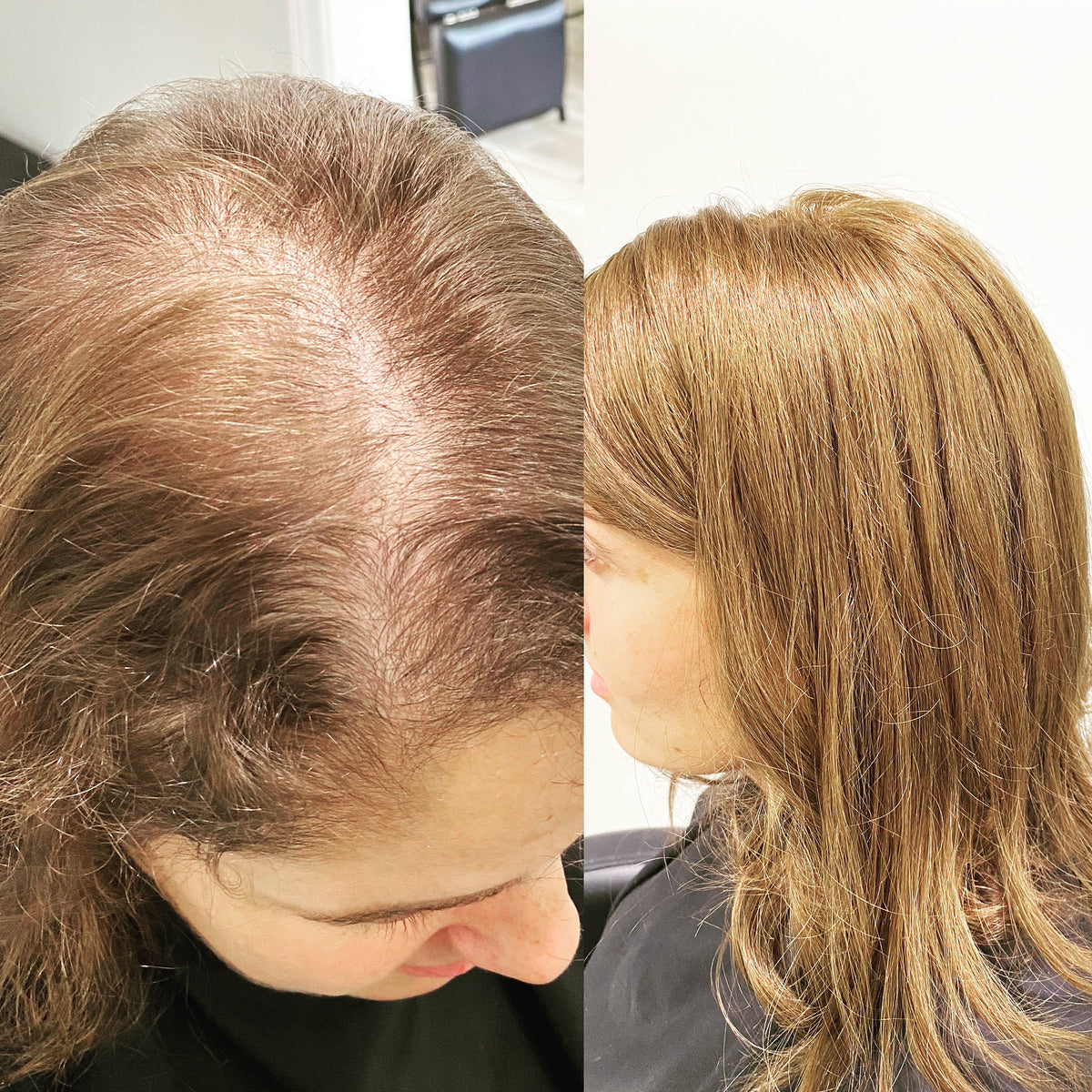


Custom-Made Mesh Integration Wigs for Cicatricial Alopecia: Comfort, Coverage, and Confidence
Cicatricial alopecia—also known as scarring alopecia—is a group of conditions in which hair follicles are permanently destroyed and replaced by scar tissue. For those living with this form of hair loss, the impact often extends far beyond appearance, affecting confidence, daily routines, and how you show up in both personal and professional spaces.
Because the hair loss is permanent, the goal shifts from regrowth to protection, comfort, and natural-looking coverage. That’s where customized solutions become essential.
For individuals navigating hair loss Boston, custom-made mesh integration wigs offer a highly adaptable option. Designed with a lightweight, breathable base and tailored to your unique scalp and hair pattern, these systems provide realistic coverage while supporting long-term scalp health.
In this guide, we’ll explore how mesh integration wigs work, why they are especially well-suited for cicatricial alopecia, and how to choose a solution that feels both comfortable and confidently your own.

Understanding Cicatricial Alopecia
Cicatricial alopecia, or scarring alopecia, refers to a collection of hair loss disorders in which inflammation damages the follicles and normal tissue is replaced with scar tissue. Once follicles are scarred, they cannot produce new hair, which is why this form of alopecia results in permanent hair loss. Primary cicatricial alopecia encompasses conditions driven by inflammatory processes, autoimmune activity, or infections that target the follicles directly. Recognizing the nature of primary cicatricial alopecia, its symptoms, and its triggers can help you pursue timely care and identify supportive hair replacement solutions that honor scalp health.
Definition
Cicatricial alopecia (scarring alopecia) is permanent hair loss caused by inflammation that destroys hair follicles and replaces normal tissue with scar tissue; once a follicle is scarred, it cannot regenerate hair, which distinguishes this condition from non-scarring types of hair loss.

The Nature of Cicatricial Alopecia
Cicatricial alopecia includes conditions such as classic lichen planopilaris, frontal fibrosing alopecia, and discoid lupus erythematosus. In each, chronic inflammation damages the follicular unit, and scar tissue gradually replaces functional follicles. Triggers can include autoimmune activity, bacterial infection, or other inflammatory disorders. Because scar tissue blocks regrowth, this category is known as “scarring” alopecia. A scalp biopsy often clarifies the diagnosis and characterizes the predominant inflammatory pattern, helping clinicians determine the specific subtype and guide management.
Symptoms may involve gradual or patchy hair loss, changes in scalp texture, and expanding areas of thinning over time. Depending on the condition, loss can be localized or more diffuse. Perifollicular erythema—redness around follicle openings—may indicate active inflammation. Have you noticed tender or itchy areas, redness, or scaling where hair is thinning? Bringing these observations to a medical professional can support early intervention.
Causes and Symptoms
Scarring alopecia can result from several drivers, most notably inflammatory disorders, autoimmune diseases, and infections. Autoimmune diseases are conditions in which the immune system mistakenly attacks the body’s own tissues; when this process targets hair follicles, inflammation can damage and scar them. Examples include lupus and lichen planus.
Lichen planopilaris is an autoimmune condition that inflames and scars follicles, producing discrete patches of loss. Frontal fibrosing alopecia typically affects women and causes recession at the frontal hairline and temples, sometimes accompanied by eyebrow thinning. Because these conditions can progress, seeking diagnosis and support early is essential for preserving remaining follicles and comfort.
Cicatricial alopecia can profoundly affect daily life and self-image. For many, the emotional toll can be as significant as the physical signs. Women of African descent are at elevated risk for certain forms of scarring alopecia, which makes timely assessment even more important. If you are noticing persistent scalp symptoms or widening patches of loss, consider consulting a dermatologist who can evaluate the scalp and recommend a plan that addresses both symptoms and long-term scalp health.
Medical Care for Cicatricial Alopecia
Early care aims to reduce inflammation, protect remaining follicles, and support scalp comfort. While hair loss from cicatricial alopecia is permanent where scarring has occurred, medical therapy may calm active disease and help retain hair in areas not yet scarred. A proactive plan can also complement hair replacement methods that respect scalp health, such as mesh integration wigs.
Medication-Based Approaches
Topical medications and systemic therapies are often used to manage active inflammation. For example, topical steroids like triamcinolone acetonide can be applied to targeted areas to reduce inflammatory activity at the follicle level. Immunomodulating agents such as mycophenolate mofetil may be considered in select cases to address autoimmune components and help stabilize the condition (Mirmirani P, Karnik P, 2009). Your dermatologist can tailor a regimen to your diagnosis and monitor response over time.
Mesh Integration Systems
Alongside medical care, a modern hair replacement option— the mesh integration hair system—can restore coverage in a way that feels light, secure, and breathable. This approach blends the customization of a wig with the adaptability of hair extensions and the realism of lace construction, all tailored to your unique scalp contours for a personalized, natural-looking result.

Understanding Mesh Integration Systems
Mesh integration hair systems are custom built to the wearer’s scalp and are especially helpful for cicatricial alopecia. A breathable mesh base is crafted to fit your head shape, and hair extensions are sewn around and through the mesh to create seamless density and coverage. Unlike traditional full-cap wigs, mesh integration allows air to circulate, helping maintain a healthy scalp environment. Depending on your available hair, a small top closure (hair topper) can be added to form a realistic part, or a part can be created with extensions for a truly integrated appearance.
Because extensions are sewn along the mesh in carefully planned sections, the finished system mimics a natural hairline and realistic scalp transitions. Lace elements may be incorporated to enhance styling versatility. This hybrid construction offers individuals with cicatricial alopecia an option that balances comfort, aesthetics, and day-to-day practicality.
Benefits of Mesh Integration Systems
- Lightweight and breathable: Mesh integration wigs promote airflow and scalp comfort, helping minimize irritation and reducing the likelihood of additional breakage or shedding. Unlike a traditional wig, you can still access the scalp for care without removing the system.
- Natural, seamless appearance: Because every system is custom-made, it blends with your existing hair pattern and contours, supporting a natural look that can uplift self-confidence.
- Styling flexibility: Style much like your own hair—curl, part, and arrange in ways that align with your personal aesthetic and lifestyle.
- Support for scalp health: Breathable construction helps reduce friction and heat buildup, creating an environment that may better tolerate medical topicals and routine scalp hygiene.
- Access for care: The see-through mesh lets you apply topical solutions and attend dermatology appointments with easier viewing of the scalp.
- Convenience and coverage: Unlike a conventional wig, a mesh integration system does not need to be taken on and off daily and still provides full, reliable coverage.
With the fundamentals in place, the next step is understanding how these systems are tailored as custom-made wigs for your unique scalp and goals.

Custom-Made Wigs for Cicatricial Alopecia
Custom-made wigs provide a targeted way to restore hair volume and coverage when a small topper is not enough. These systems are built around your pattern of loss, preferred density, and comfort level, resulting in a personalized solution that looks like you—only fuller. For many, this is the difference between hiding under hats and stepping out comfortably, even on windy or humid days.
The Process of Creating Custom-Made Wigs
Your journey begins with a thorough consultation to understand your scalp condition, lifestyle, and style goals. Detailed measurements are taken to map areas of loss and ensure a secure, comfortable fit. The piece is then constructed to mirror a natural hairline and scalp transitions so it blends seamlessly with existing hair. Installation is performed in the chair, and most clients return for maintenance every 2 to 3 months, depending on growth and home care.
During construction, hair extensions are sewn into the mesh in a pattern that echoes follicle direction and density, producing a realistic silhouette. High-quality hair and materials support durability, while careful craftsmanship ensures the piece lays flat, feels lightweight, and is easy to wear. The final result is a custom system tailored to your unique needs—created to move, look, and feel like natural hair.

Attaching and Maintenance of Wigs
A secure, natural-looking attachment is key to comfort and confidence. With mesh integration, your existing hair is gently brought through the mesh and anchored with silicone-lined micro beads. Wefts are then sewn around those points to build discreet, even coverage that lies flat and blends smoothly. For the top, we can finish with a realistic scalp effect without a separate top hair closure when appropriate, or incorporate a small closure to create a defined part—whichever approach best matches your available hair and desired outcome.

Maintenance of Wigs with Mesh Integration Hair System
Consistent care keeps your system looking fresh and feeling comfortable. Routine maintenance includes gentle cleansing, conditioning the lengths, and mindful detangling to preserve the integrity of the mesh and sewn extensions. Many clients schedule periodic salon visits to adjust beads, refine the blend, and refresh styling.
Follow the care guidance provided at installation and use recommended products that are friendly to both the hair and mesh. Clean scalp practices are important for comfort, especially in areas prone to redness or sensitivity. If you use medical topicals, your specialist can suggest application tips that work well with mesh. What steps do you take to care for your hair or wig today, and how might a simple routine help you protect both scalp and system?
Impact on Scalp Health
Because mesh integration is breathable and lightweight, it supports a cleaner, calmer scalp environment. This can be particularly valuable for those with inflammation-prone skin, where reducing heat and friction helps maintain comfort. When the scalp is cared for and accessible, you can integrate medical treatments more easily and keep regular check-ins with your dermatologist.
Scalp Health with Mesh Integration Wigs
In cicatricial alopecia, inflammation and scarring can disrupt follicles and leave the scalp prone to sensitivity. Mesh integration wigs promote airflow and allow you to monitor the skin beneath. You can lift or shift the mesh to apply topical steroids where indicated and to allow clinical examination during dermatology appointments. By supporting gentle hygiene and minimizing irritation, the system complements ongoing medical care while delivering the cosmetic coverage you want.
The result is a practical balance: reliable coverage with the ability to nurture scalp health. Many wearers find that the right routine helps them feel more at ease, especially during flares, gym sessions, or long workdays when comfort really matters.
Potential for Hair Regrowth
Where follicles have scarred, hair cannot regrow; however, mesh integration can help retain fullness in a way that mimics natural growth patterns. In areas with active inflammation, calming the scalp and reducing friction may help protect non-scarred follicles. By keeping the scalp clean, accessible, and comfortable—and by aligning with medical guidance—you can create the best possible conditions in regions that remain capable of growing hair.
Think of mesh integration as both coverage and care: it restores the visual fullness you want while allowing ongoing treatment. Over time, this combined approach can maximize your overall hair appearance and help you feel more like yourself.
How Life-Changing Can Mesh Integration Wigs Be?
Hair loss can shape how you feel in front of a mirror and how you show up in the world. Have you ever turned down an invitation because your hair didn’t feel like “you”? Imagine walking into a gathering with friends and not worrying about wind, lighting, or photos. Picture a morning routine that feels uncomplicated: you style, smile, and get on with your day.
Custom-made mesh integration wigs can be transformative because they restore not only coverage but also confidence. They are made to your contours and loss pattern, so the fit feels secure and natural. The system is light enough for active days and steady enough for important events. For many, that combination unlocks a sense of ease—at the office, in the gym, and out to dinner—that had been missing for a long time.
Conclusion
Living with cicatricial alopecia can be challenging—physically, emotionally, and practically—but you have options that honor both your well-being and your style. Custom-made wigs with mesh integration deliver breathable comfort, secure coverage, and a natural look that supports everyday confidence. They’re personalized to your needs, simple to maintain with the right routine, and designed to keep the scalp accessible for medical care. If permanent hair loss has left you feeling limited, consider how a tailored mesh integration system could help you feel ready for any setting, from important meetings to spontaneous plans. Take a step toward renewed confidence and book a free hair loss consultation with our experts today.


