

From Brazilian to Cambodian: Choosing the Right Hair Extensions for Your Look
From Brazilian to Cambodian, the world of virgin hair extensions offers endless options—but not all hair is created equal. Each type has its own texture, density, movement, and overall feel, which directly impacts how your final look comes together.
When your hair is part of your identity—not a compromise—understanding these differences isn’t optional, it’s essential.
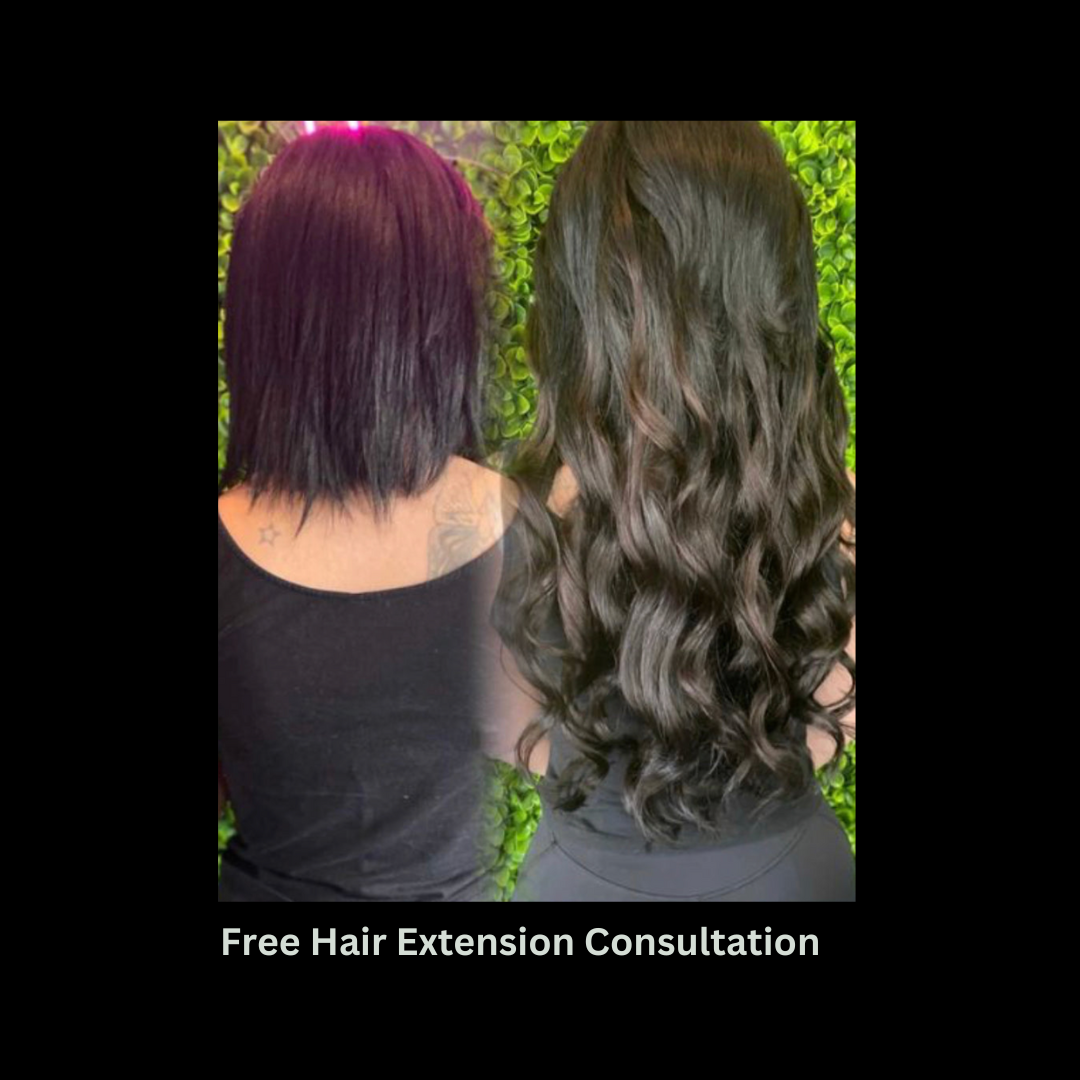
The right hair extensions should blend seamlessly, feel natural, and support your lifestyle. Whether you’re looking for fullness, length, or a complete transformation, choosing the right origin and texture plays a major role in how your extensions look, wear, and maintain over time.
In the world of hair extensions Boston, customization is everything. It’s not just about selecting “good hair”—it’s about choosing the right hair for you.
In this guide, we’ll break down the differences between popular virgin hair types so you can confidently choose extensions that match your vision—flawlessly.
What Is Virgin Hair—And Why Does the Type Matter?
Let’s get one thing straight: Not all virgin hair is the same.
Virgin hair refers to strands that have never been chemically processed—no dye, no bleach, no perms. It’s 100% human hair with the cuticles intact and aligned in the same direction, which means:
-
Minimal tangling
-
Natural shine
-
Long-lasting quality
But the origin of the hair (where it comes from) affects the texture, thickness, porosity, and look. That’s why understanding the types of virgin hair matters—it helps you pick hair that actually blends and behaves like your own.
What are The 6 Different Types of Virgin Hair?
With so many names thrown around—Brazilian, Indian, Peruvian—it’s easy to get overwhelmed or make the wrong choice. But each type of virgin hair comes with its own texture, thickness, and vibe. Knowing these differences can mean the difference between a flawless blend that lasts and a frustrating install that falls flat.
Below, we break down the six different types of virgin hair—what they look like, how they behave, and who they’re best for—so you can make a confident, luxurious choice that elevates your everyday look or next big transformation.
1. Brazilian Virgin Hair: The All-Rounder
Texture: Silky with a natural wave
Thickness: Medium to thick
Best For: Versatile styling, easy blending with various hair types
Brazilian virgin hair is the go-to for a reason—it holds curls beautifully, offers excellent durability, resists frizz, and doesn’t require a lot of fuss. Whether you want body wave, straight, or curly, this hair type delivers volume and bounce with staying power.
Noelle Tip: Ideal for humid climates—it fights frizz better than most.
2. Peruvian Virgin Hair: Lightweight Volume
Texture: Soft and silky
Thickness: Thicker than Brazilian, but feels lighter
Best For: Full installs that still feel natural
Peruvian hair gives you volume without weight. It blends well with relaxed hair and is perfect if you want a thicker look without piling on bundles. The texture sits between straight and wavy, making it great for blowouts and heat-styled looks.
Noelle Tip: One of the easiest types to color—great for ombré or highlights.
3. Indian Virgin Hair: Natural and Flowing
Indian virgin hair is known for its bounce, movement, and natural wave pattern. Indian hair blends effortlessly with textured or fine hair and works well for both straight styles and beachy waves. It's also one of the most widely used types of virgin hair worldwide.
Indian virgin hair is known for its bounce, movement, and natural wave pattern. It blends effortlessly with textured or fine hair and works well for both straight styles and beachy wave. It's also one of the most widely used types of virgin hair worldwide.
Noelle Tip: Keep it hydrated—it tends to get dry if not properly moisturized.
4. Malaysian Virgin Hair: Sleek and Shiny
Texture: Silky, slightly heavier
Thickness: Medium to thick
Best For: Sleek looks, straight or body wave styles
Malaysian hair has a high-shine finish and a heavier feel that helps it lay flat and smooth. It’s perfect for polished styles like center parts, high ponies, or bone-straight looks. Bonus—it holds curls really well, too.
Noelle Tip: Use a satin bonnet or silk pillowcase to keep that signature shine.
5. Cambodian Virgin Hair: Strong and Textured
Texture: Coarse and full
Thickness: Thick
Best For: High-density installs, natural and protective styles
Cambodian hair is naturally thick and coarse, providing a full-bodied and voluminous look. It is strong and can withstand various styling techniques. This hair lasts the longest and has the best quality, ranging from 2-4 years.
Noelle Tip: Great for low-maintenance protective styles—it’s built to last.
6. Mongolian Virgin Hair: Soft and Slightly Coarse
Texture: Soft and slightly coarse
Thickness: Medium
Best For: Blending well with African-American hair textures
Mongolian hair is soft and slightly coarse, making it blend well with African-American hair textures. It is durable and maintains its luster.
Noelle Tip: Ideal for those seeking a balance between softness and volume.
What Are Some Common Virgin Hair Textures?

When it comes to virgin hair, texture is just as crucial as type. Texture determines how the hair moves, how it holds style, and how well it blends with your natural strands. Whether you’re after a sleek everyday finish or bold, voluminous curls, choosing the right texture is what makes your hair look effortlessly yours.
This texture is all about elegance and edge. It’s sleek, glossy, and naturally falls flat with minimal volume, making it ideal for polished looks like middle parts, sharp bobs, or low ponytails. Straight hair virgin hair can be heat-styled into waves or curls and returns to its original texture when washed.
Body Wave
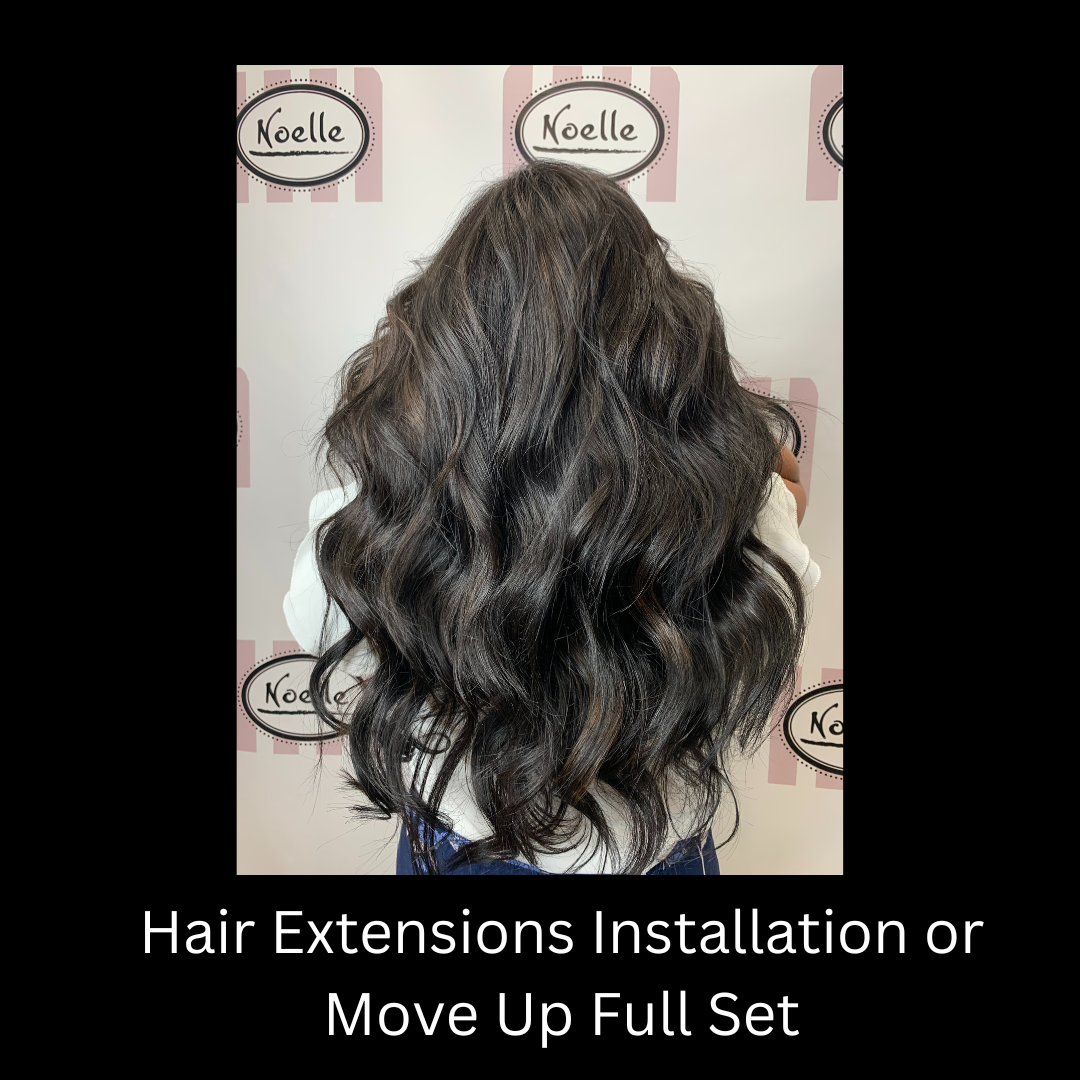
Body wave hair has a soft, flowing S-pattern that adds gentle volume without looking overly styled. It’s one of the most versatile textures—easy to straighten, curl, or wear as-is. It creates that lived-in luxury vibe that’s both effortless and chic.
Best for: Everyday glam with bounce and body.
Loose Wave
This texture brings tighter, more defined deep wave hair waves that create fullness and volume from root to tip. It gives a bold, high-impact look and mimics a natural curl pattern when worn wet. With proper care, deep wave textures maintain their definition beautifully.
Best for: Those who want texture without full-on curls.
Deep Wave
Think full, springy ringlets that bring major volume and movement to your hairstyle. Curly textures are well-defined and vibrant, often requiring moisture-rich care to maintain their shape and bounce. These curls can be fluffed out for a more dramatic look or styled down for softness.
Best for: Statement styles, vacation glam, or maximum texture.
Curly
Tight coils with a densely packed pattern, kinky curly hair mimics afro-textured natural hair and offers incredible volume. It’s perfect for protective styles and those who want an unapologetically bold texture that celebrates natural beauty, often enhanced with natural oils.
Best for: Bold, expressive looks or enhancing naturally curly hair.
Kinky Curly
kinky curly hair mimics afro-textured natural hair and offers incredible volume. It’s perfect for protective styles and those who want an unapologetically bold texture that celebrates natural beauty.
Best for: Protective styles, natural looks, or blending with coily hair textures.
Water Wave
This wave pattern flows like water—soft, loose, and fluid with a slightly tousled feel. Water wave texture offers a natural, beachy aesthetic and gives off a laid-back elegance that works with minimal effort.
Best for: Boho-inspired looks, wet styles, and easy blending with naturally wavy hair.
Loose Curl
When selecting the length of your virgin hair extensions or virgin hair bundles, consider the following:
A gentle curl pattern with more structure than a wave but less intensity than a defined curl. Loose curls are ideal if you want that “just-curled” look without styling tools. They’re graceful, feminine, and universally flattering.
Best for: Subtle volume and a naturally tousled vibe.
Pro Tip: Always match texture not just to your desired style—but also your lifestyle. Low-maintenance textures like straight or body wave may be better for everyday wear, while tighter curls or waves may need more hydration and care, but deliver unmatched drama and dimension.
How to Choose the Right Length?
When selecting the length of your virgin hair bundles, consider the following:
-
Height: Taller individuals may find longer lengths more proportionate and flattering.
-
Styling Preferences: Longer lengths offer more flexibility for updos and intricate styles.
-
There’s no one-size-fits-all answer. The best type of virgin hair depends on this type of hair:
-
Personal Style: Choose a length that complements your personal style and the image you want to project.
-
Occasion and Purpose: For special occasions like weddings or photoshoots, longer lengths can add extra drama and elegance.
-
Hair Type and Texture: Curly textures can appear shorter due to shrinkage, so you might need to opt for a longer length to achieve your desired look.
Note: Hair is typically measured when pulled straight. Wavy or curly hair will appear shorter than its listed length.
So, Which Type of Virgin Hair Is Best?
There’s no one-size-fits-all answer. The best type of virgin hair for effective hair care depends on:
-
Your natural texture
-
Your styling habits
-
How much volume you want
-
Whether you heat style, color, or wear it straight out the pack
Here’s a quick cheat sheet:
|
Hair Type |
Best For |
Texture Feel |
|
Brazilian |
Versatility & bounce |
Smooth with natural waves |
|
Peruvian |
Lightweight volume |
Silky with density |
|
Indian |
Natural wave/curl |
Flowing and airy |
|
Malaysian |
Sleek |
Smooth |
Why Quality Still Beats the Hype
You’ve probably seen bundles online claiming to be “virgin hair” at too-good-to-be-true prices. Spoiler: If it sounds shady, it probably is.
At Noelle Salon, we only work with authentic virgin hair—carefully sourced, never processed, and tested for quality. We’re not just about selling you hair—we’re about matching you with the right hair for your lifestyle and look.
Final Thoughts
Understanding the differences between virgin hair types isn’t about sounding like an expert—it’s about making confident, informed choices that directly impact how your extensions look, feel, and last.
From Brazilian to Cambodian, each hair type brings its own texture, movement, and performance. Choosing the right one means better blending, easier styling, and fewer issues over time—saving you from unnecessary maintenance and disappointment.
Whether you’re adding volume, length, or creating a full transformation, the right extensions should feel seamless and tailored—not like an add-on.
If you’re looking for customized, high-quality hair extensions Boston, book a hair extensions appointment and let our team help you select the perfect hair type for your look, lifestyle, and long-term results.
Frequently Asked Questions
What’s the difference between Remy hair and raw hair?
Among different types of virgin hair, Remy hair has aligned cuticles for a smooth finish, while raw hair is completely unprocessed and comes directly from donors, offering the most natural texture.
Can I color virgin hair like my own hair?
Yes! Among different types of virgin hair, Virgin and raw hair act like your own hair and can be colored professionally—making it a hair colorist’s dream.
Is Vietnamese hair good for different hairstyles?
Absolutely. Among different types of virgin hair, Vietnamese hair is known for its strength, softness, and versatility—it holds curls well and works beautifully in weaves and natural styles.
How do I know if the quality of hair is good?
Check the hair cuticle: aligned, intact cuticles are a sign of premium Remy or raw hair. Among different types of virgin hair, Real hair with a lot of body and bounce is another strong indicator.
What are the different types of virgin hair used in extensions?
The Different types of virgin hair include Brazilian, Indian, Peruvian, Malaysian, and Vietnamese hair—each offering unique textures and density.
Can I blend extensions with my own hair?
Yes, especially if you choose natural human hair textures that match your curl pattern or straightened style—it should blend seamlessly with your scalp line.
What are some common questions about curling Remy hair?
A common question is whether Remy hair holds curls—and yes, it does. You can use heat tools or flexi rods to style it in various ways.


