
Which Alternative Wigs Work Best for Women?
Key Highlights
-
Hair loss solutions go far beyond traditional wigs, offering options that prioritize comfort, realism, and long-term confidence.
-
From toppers and extensions to scalp concealers and medical-grade prostheses, each alternative serves a specific stage and pattern of hair loss.
-
Non-surgical and medical treatments, such as PRP, laser therapy, and transplants, provide additional routes for those seeking lasting improvement.
-
Every option comes with its own pros, cons, maintenance needs, and cost considerations, making personal lifestyle and hair-loss severity key factors in choosing the right fit.
-
Emotional comfort matters as much as appearance; supportive transitions, realistic expectations, and professional guidance can significantly boost confidence.
-
With the right expert support, women can find solutions that look natural, feel secure, and genuinely match their daily needs and preferences.
Is hair loss disrupting your confidence and leaving you struggling with wigs that feel uncomfortable, unnatural, or difficult to manage? For many, the real challenge is finding a solution that blends seamlessly, feels secure, and supports everyday life without constant worry.
This blog explores realistic alternatives to traditional wigs, including non-surgical enhancements and medical treatments, giving you clarity on what truly works and why.
Keep reading to discover smarter, more comfortable options designed to help you feel like yourself again.
What Causes Hair Loss?

Before we get into the main topic, let's have a look at why people lose their hair. Hair loss can result from a myriad of factors, and understanding the underlying reasons behind hair loss is essential to finding the most suitable and effective solution.
Here are some common causes:
-
Hormonal imbalances: Conditions like PCOS, menopause, or thyroid disorders often lead to hair loss.
-
Aging: As we age, hair growth slows down, and follicles cease producing new hair, leading to thinning or balding.
-
Health conditions: Certain illnesses like lupus, diabetes, and alopecia areata often cause hair loss as a side effect.
-
Medical treatments: Treatments like chemotherapy or radiation therapies used to treat cancer often result in drastic hair loss.
-
Nutrient deficiencies: Deficiencies in critical nutrients, especially iron, protein, vitamin D, and biotin, can lead to weakened hair growth and loss.
-
Stress: High levels of stress or anxiety can also cause significant hair loss.
Fortunately, many of these root causes can be addressed with the right treatment plan, lifestyle changes, or wig alternatives.
What Are Some Alternatives to Wigs for Hair Loss?
There are various alternatives available to wigs that don't just cover up the problem but also cater to the unique needs and concerns of the individual. These include hair toppers, extensions, hairpieces and toppers, scalp concealers, and even different types of headwear. Beyond these, surgical and non-surgical hair restoration therapies also provide effective results.
Let's explore these alternatives further.
1. Hair Toppers

Enhance your style with innovative hair toppers. These versatile pieces blend seamlessly with your natural hair, providing volume and coverage where needed. Whether dealing with hair loss or thinning, hair toppers offer a practical solution to boost your confidence.
Crafted from high-quality materials, they ensure a natural look and comfortable wear. Easy to integrate and maintain, hair toppers are popular for those seeking a non-invasive alternative to wigs.
2. Hair Extensions

Looking to enhance your hair without opting for a wig? Hair extensions could be the perfect solution. By adding length, volume, or color to your natural hair, extensions offer a seamless way to transform your look. Whether you prefer synthetic locks or human hair options, extensions provide versatility and a natural appearance.
Quick to apply and easy to maintain, they are a popular choice for those seeking a temporary change or a long-term alternative to traditional wigs.
3. Hair Pieces

Consider hair pieces when looking for alternatives to wigs for hair loss. These options are great for those with partial hair loss or thinning hair. Hair pieces can be attached to specific areas where more volume is desired, while toppers cover the top of the scalp seamlessly.
They blend with your own natural hair, providing a natural look and feel. Overall, hairpieces offer a convenient solution for enhancing your existing hair without the need for a full wig. Nevertheless, choose quality pieces for the best results.
4. Scalp Concealers

For those seeking discreet solutions, scalp concealers offer a covert way to mask thinning hair or bald patches. These products, available in various forms like sprays, powders, or creams, allow individuals to camouflage exposed scalp areas seamlessly.
Scalp concealers work by coloring the scalp to match the hair, creating an illusion of fuller hair volume. They are easy to apply and provide a quick fix for enhancing the appearance of a full head of hair. Scalp concealers are a convenient option to consider when addressing hair loss concerns.
5. Soft Hats & Beanies

Soft hats and beanies are stylish alternatives to wigs for hair loss. They provide a comfortable and casual option for individuals looking to cover thinning hair or partial hair loss. These headwear choices are popular due to their ease of use and versatility.
Soft hats and beanies come in various colors, textures, and designs, allowing you to express your style while concealing any hair loss concerns. Additionally, they offer a gentle and non-intrusive solution that can be confidently worn daily.
6. Detachable Bangs

Consider trying detachable bangs if you're looking for a simple yet impactful way to enhance your hairstyle. These versatile hairpieces instantly add a fresh dimension to your look by framing your face and blending seamlessly with your natural hair.
Detachable bangs can be a game-changer if you're dealing with thinning hair or want to experiment with different styles. With a quick clip-on application, you can transform your appearance effortlessly and achieve a trendy, modern look in no time.
7. Hats with Hair

Complete your look with hats featuring integrated hair, providing a seamless blend of style and coverage. These innovative accessories combine the functionality of a hat with the aesthetic appeal of real or synthetic hair, offering a practical solution for those experiencing hair loss.
Hats with hair are a convenient alternative to traditional wigs, offering a natural look and easy wearability. Whether you prefer long or short styles, hats with hair are versatile and fashionable to enhance your appearance.
8. Headscarves & Turbans

Headscarves and turbans are comfortable and stylish alternatives for covering hair loss without the need for wigs. Available in various fabrics, prints, and wrapping styles, they offer breathable and lightweight coverage suitable for everyday wear.
These pieces are gentle on the scalp and easy to style, allowing individuals to express personal style while feeling secure and confident. Headscarves and turbans are also ideal during medical treatments or when looking for a soft, non-intrusive solution.
9. Full or Partial Head Wraps & Bandanas

Full or partial head wraps and bandanas provide a simple and versatile way to cover thinning areas while adding personality to your look. Designed for comfort and ease, they can be tied in multiple ways to suit different preferences. These head coverings offer a relaxed, practical option for those seeking a break from wigs or more structured hair systems.
With a wide range of colors and textures available, head wraps and bandanas create a stylish yet low-maintenance solution for hair loss concerns.
10. Hair Halos

Hair halos offer an instant boost of length and volume using a transparent, adjustable band that sits comfortably around the head. This lightweight design requires no clips, glue, or sewing, making it gentle on natural hair and ideal for quick application. Halos blend seamlessly with existing hair and provide a natural appearance with minimal effort.
Perfect for mild to moderate thinning, they allow you to enhance your look confidently without the commitment of a traditional wig or extensions.
11. Hair Prosthesis (Medical-Grade Cranial Prosthesis)

A cranial prosthesis is a custom-designed medical-grade hair system created for individuals experiencing significant or long-term hair loss. These pieces are crafted for superior realism, comfort, and secure wear, offering an advanced alternative to standard wigs.
Tailored to match scalp shape, hair color, and density requirements, they provide a natural appearance suitable for daily use. Often eligible for insurance coverage, cranial prostheses are a reliable choice for those seeking a durable and medically supported solution.
12. Hair Weaves / Sew-ins

Hair weaves, or sew-ins, are applied by attaching hair extensions to braided natural hair, offering fuller and longer styles that last for weeks. They provide strong coverage and a natural appearance for those with enough hair structure to support installation.
This method is ideal for individuals seeking longer-term results compared to temporary pieces. With proper maintenance, sew-ins allow flexible styling and a realistic finish without adhesives or clips.
13. Hair Integration Systems

Hair integration systems use a breathable mesh base combined with natural or synthetic hair to blend seamlessly with existing strands. Designed to address diffuse thinning, they offer fuller coverage without requiring a full wig. These systems allow natural scalp ventilation and secure attachment while maintaining a realistic appearance.
Suitable for everyday wear, they provide comfort and confidence for individuals needing more volume than standard extensions can provide.
What Are The Benefits and Drawbacks of Each Option?
Each option has benefits and drawbacks when considering alternatives to wigs for hair loss. Let's quickly check their pros and cons now.
|
Option |
Pros |
Cons |
|---|---|---|
|
Hair Toppers |
Provide seamless coverage with minimal upkeep. |
Not suitable for significant hair loss. |
|
Hair Extensions |
Offers versatility and enhances hair length and volume. |
Require regular maintenance. |
|
Hair Pieces |
Blend well with natural hair for a natural look. |
It can be more expensive than other options. |
|
Scalp Concealers |
Provide a quick fix for thinning or sparse areas. |
Need frequent reapplication. |
|
Soft Hats & Beanies |
Offer comfort and cover hair loss quickly. |
It may only be ideal for casual or some occasions. |
|
Detachable Bangs |
Allow for a quick style change. |
Adjustments are required to stay in place. |
|
Hats with Hair |
Combine style and coverage with integrated hair. |
Limited style options compared to full wigs. |
|
Headscarves & Turbans |
Comfortable, stylish, and gentle on the scalp. |
May not suit all formal settings. |
|
Full or Partial Head Wraps & Bandanas |
Versatile, easy to wear, and low-maintenance. |
Coverage may be limited for significant hair loss. |
|
Hair Halos |
Lightweight, easy to wear, and blends seamlessly. |
Best for mild to moderate thinning, not full baldness. |
|
Hair Prosthesis (Medical-Grade Cranial Prosthesis) |
Highly realistic, durable, and medically supported. |
It can be costly and may require professional fitting. |
|
Hair Weaves / Sew-ins |
Long-lasting coverage and natural appearance. |
Requires hair structure to support installation; maintenance needed. |
|
Hair Integration Systems |
Provide fuller coverage without a full wig; breathable and comfortable. |
It may be more expensive and require professional installation. |
What Are The Surgical and Non-Surgical Hair Restoration Options?

For individuals seeking to address hair loss, a range of surgical and non-surgical options exists beyond wigs. Let's quickly read more about these options.
1. Hair Transplants
Hair transplants involve surgically moving hair follicles from one part of the scalp to another. This procedure is typically used to treat male pattern baldness and some forms of female hair loss.
It offers a permanent solution as the transplanted hair behaves like the patient's natural hair. Hair transplants require recovery, and results may take several months to become noticeable.
2. Scalp Reduction Surgery
Scalp reduction surgery is a method to treat hair loss by removing areas of the scalp where there is no hair growth. This procedure aims to tighten the scalp with hair, reducing the balding areas. It is a surgical intervention that requires careful consideration of its benefits and risks, especially in terms of scarring and recovery time.
For individuals seeking a more permanent solution to significant hair loss, scalp reduction surgery can be a viable option to restore a fuller head of hair.
3. Platelet-Rich Plasma (PRP) Therapy
Platelet-rich plasma (PRP) therapy is a revolutionary treatment for hair loss. PRP promotes hair growth and thickening by using the patient's blood to stimulate hair follicles. This non-invasive procedure harnesses the body's natural healing abilities, making it a safe and effective option for individuals experiencing hair thinning or partial hair loss.
PRP therapy offers a promising solution for those seeking to rejuvenate their own natural hair without resorting to traditional wigs or invasive surgical procedures.
4. Low-Level Laser Therapy (LLLT)
Low-level laser therapy (LLLT) is a non-invasive treatment for hair loss that involves using red light to stimulate hair follicles, promoting hair growth. This therapy is known for improving blood flow to the scalp and increasing the production of proteins essential for hair growth.
LLLT can be used on its own or in conjunction with other hair loss treatments for enhanced results. It is a safe and painless option that shows promise in addressing hair thinning and promoting stronger, healthier hair growth.
What Are the Different Hair Fiber Options for Older Women?
When it comes to selecting the right hair fiber, older women have two primary choices: human hair wigs and synthetic fiber wigs.
-
Human hair wigs are crafted from real hair, offering the most natural appearance and allowing for versatile styling options. They can be heat-styled just like natural hair, making them a popular choice for those seeking authenticity and adaptability. However, human hair wigs come at a higher price point and require more maintenance compared to their synthetic counterparts.
-
Synthetic wigs, on the other hand, have made significant advancements in quality over the years, including stylish wigs that are often more affordable and easier to maintain, with styles that hold their shape even after washing. Many synthetic wigs now feature heat-friendly fibers, allowing for some styling versatility without the need for frequent replacements.
Depending on your lifestyle and preferences, both options can provide stunning looks while addressing the unique needs of older women experiencing hair loss.
How to Choose the Right Alternative?
Considering your options for hair loss? Several factors, like comfort, maintenance, and natural look, are key when exploring alternatives to wigs.
Here are the factors to consider when choosing an alternative to hair wigs:
-
Ensure the product matches your own hair in texture and color for a natural look.
-
Quality and durability are essential when considering alternatives to wigs for hair loss.
-
Comfort is essential, especially if it will be worn for a long time.
-
Factor in the ease of styling and maintenance.
-
Evaluate hair toppers, extensions, and scalp concealers based on your lifestyle and preferences.
-
Prioritize options that fit securely and provide the coverage you desire.
-
Weigh the benefits and drawbacks of each choice carefully to find the perfect fit for you.
How Do Wig Alternatives Compare in Cost and Maintenance?
Choosing the right solution involves understanding both upfront and long-term expenses. While some options are affordable initially, others may cost more but last longer with proper care. Comparing realistic maintenance needs helps you make a confident and stress-free decision.
|
Option |
Cost |
Maintenance |
|---|---|---|
|
Hair Toppers |
Moderate cost |
Lower long-term maintenance |
|
Hair Extensions |
Higher initial price |
Regular salon upkeep |
|
Hair Pieces |
Moderate to high cost |
Requires some upkeep for blending |
|
Scalp Concealers |
Inexpensive |
Frequent reapplication |
|
Soft Hats & Beanies |
Low cost |
Minimal maintenance |
|
Detachable Bangs |
Moderate cost |
Occasional adjustment needed |
|
Hats with Hair |
Low to moderate cost |
Very low styling and maintenance needs |
|
Headscarves & Turbans |
Low cost |
Minimal upkeep; easy to style |
|
Full or Partial Head Wraps & Bandanas |
Low cost |
Easy maintenance |
|
Hair Halos |
Moderate cost |
Minimal upkeep; easy to apply |
|
Hair Prosthesis (Medical-Grade Cranial Prosthesis) |
Expensive upfront |
Long-term durability; low day-to-day maintenance |
|
Hair Weaves / Sew-ins |
Moderate to high cost |
Regular salon upkeep; proper care needed |
|
Hair Integration Systems |
Moderate to high cost |
Professional installation; moderate maintenance |
Which Wig Alternatives Work Best for Different Stages of Hair Loss?
Not every option suits every level of hair thinning. Matching the solution to your current stage ensures the most natural, comfortable, and fulfilling result without overspending or struggling with unrealistic expectations. Start by identifying your coverage needs honestly.
Best options by hair-loss level:
-
For early thinning, scalp concealers or extensions are often the most effective because they add volume and density without making major changes to the hair.
-
For moderate thinning at the top of the head, hair toppers provide targeted coverage and blend seamlessly with natural hair.
-
For larger patchy areas of hair loss, hairpieces and hats with hair offer fuller coverage and a more uniform appearance.
-
For full or more aggressive hair loss, full wigs or medical treatments may be the most suitable options.
-
For those seeking a more permanent solution, hair transplants or PRP therapy can offer long-term improvement when performed by qualified professionals.
How Can You Feel Confident Emotionally When Transitioning Away from Wigs?
Hair loss affects self-esteem and identity. Emotionally adjusting to alternatives can take time, but support and the right tools help you feel empowered, not restricted. Now more than ever, confidence grows from comfort and personal expression, not perfection.
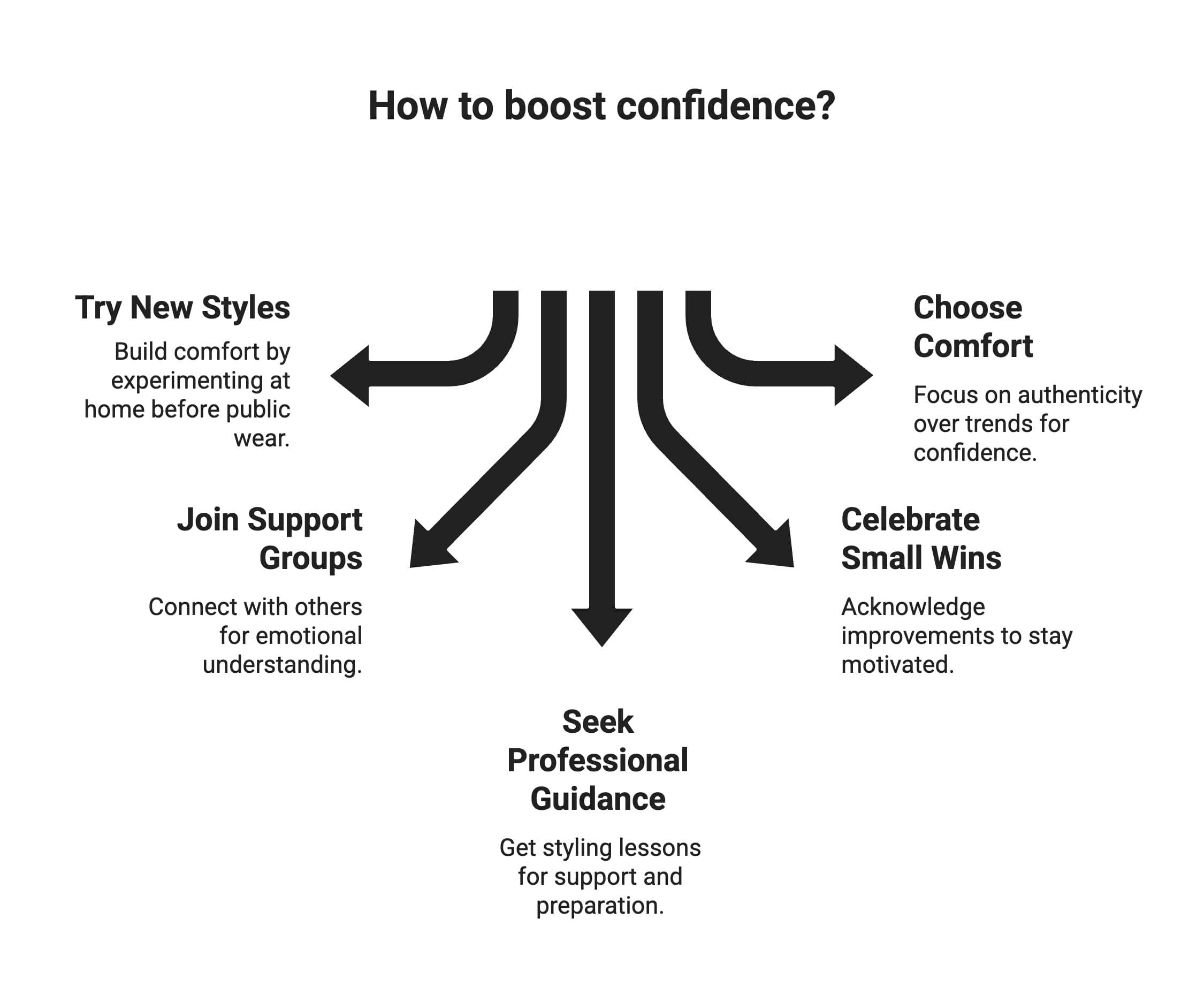
Helpful tips to boost confidence:
-
Try new styles privately at home before wearing them in public to build comfort at your own pace.
-
Join support groups or online communities to connect with others who understand the emotional experience.
-
Ask professional stylists for transition guidance or styling lessons to feel more supported and prepared.
-
Celebrate small improvements and explore hairstyles gently without pressure.
-
Choose comfort and authenticity over trends, focusing on what makes you feel confident and true to yourself.
Discover The Perfect Alternatives To Wigs With Noelle Salon!
While you plan to get an alternative to hair wigs, getting expert advice, such as from Noelle Salon, is essential. Whether you're looking for hair toppers, extensions, or other innovative solutions, our seasoned experts are here to guide you.
With decades of experience in transforming hair with precision and style, we ensure you find the most comfortable and natural-looking option.
So say goodbye to compromises and hello to confidence! Contact Noelle Salon today to book your appointment and explore a world of stunning hair possibilities!
Conclusion
Your journey to find the perfect hair loss solution has many paths, from hair toppers to surgical interventions. You can discover options that suit your style and needs by exploring alternatives to traditional wigs. Whether it's natural hair extensions or scalp concealers, there are choices for every individual.
Just find what works best for you and where you feel most comfortable. Also, don't hesitate to take professional help if needed. Embrace the variety available and embark on a transformative experience to reclaim the confidence and style you deserve.
Frequently Asked Questions
Are there natural remedies that effectively promote hair growth?
Discover natural remedies like essential oils, scalp massages, and dietary changes that can promote hair growth. With proven benefits, these alternatives offer a holistic approach to combating hair loss. Explore the power of nature for healthy and vibrant hair growth.
Is there any permanent hair wig?
Explore surgical hair restoration options for a permanent solution. Hair transplants, scalp reduction surgery, PRP therapy, and low-level laser therapy offer long-lasting results. Consider these options for a lasting fix to hair loss concerns.
Where can I buy alternative style wigs online?
You can buy alternative style wigs online from specialty retailers offering unique cuts, bold colors, and fashion-forward designs. Popular stores include Noelle Salon, Wigs.com, Etsy creators, and Cosplay-specific suppliers featuring customizable, expressive styling options.
What are alternatives to wigs for historical costuming?
Alternatives to wigs for historical costuming include hairpieces, padded rolls, extensions, bun cages, detachable braids, snoods, and caps with added hair. These offer authenticity, comfort, and period-accurate silhouettes without fully covering your natural hair underneath.
Which online stores specialize in alternative wigs for cosplay or fashion?
Online stores specializing in alternative wigs for cosplay or fashion include Arda Wigs, Epic Cosplay Wigs, and Uniqso. They offer heat-safe fibers, bold color options, character-accurate designs, and customizable styling for conventions, performances, photoshoots, and creative expression.
What is the Intralace Freewear System, and how does it differ from regular wigs?
The Intralace Freewear System integrates fine mesh with existing hair, secured semi-permanently, allowing showering, sleeping, and styling normally. Unlike regular wigs, it stays attached continuously, offering natural movement, security, breathability, and increased confidence without daily removal.
What is the best alternative to wig cap for comfort and coverage?
A wig alternative for women seeking comfort over restriction is choosing breathable, soft headwear, toppers, or halo hair systems instead of tight caps. These options allow airflow, reduce irritation, and provide lighter everyday wear without traditional pressure points.
Where can I find high-quality alternative fashion wigs online?
When looking for alternative fashion wigs, explore reputable online retailers offering bold styles, natural fibers, and customizable cuts. Read verified reviews, confirm return policies, and check color-match tools to ensure realistic results and an empowering personal style experience.
How do I choose the right alternative hair wig salon confidently?
Selecting an alternative hair wig salon begins with researching specialists experienced in hair loss solutions, requesting consultations, evaluating before-and-after photos, and confirming privacy options. Skilled professionals provide guidance tailored to lifestyle, comfort needs, and natural-looking results.
What makes alternative look wigs different from traditional wig styles?
Alternative look wigs prioritize expression, creativity, and individuality over standard styles. They feature unique colors, textured designs, and lightweight construction. Their goal is to offer personal choice, comfort, and confidence without rigid norms or heavy, structured conventional pieces.


