

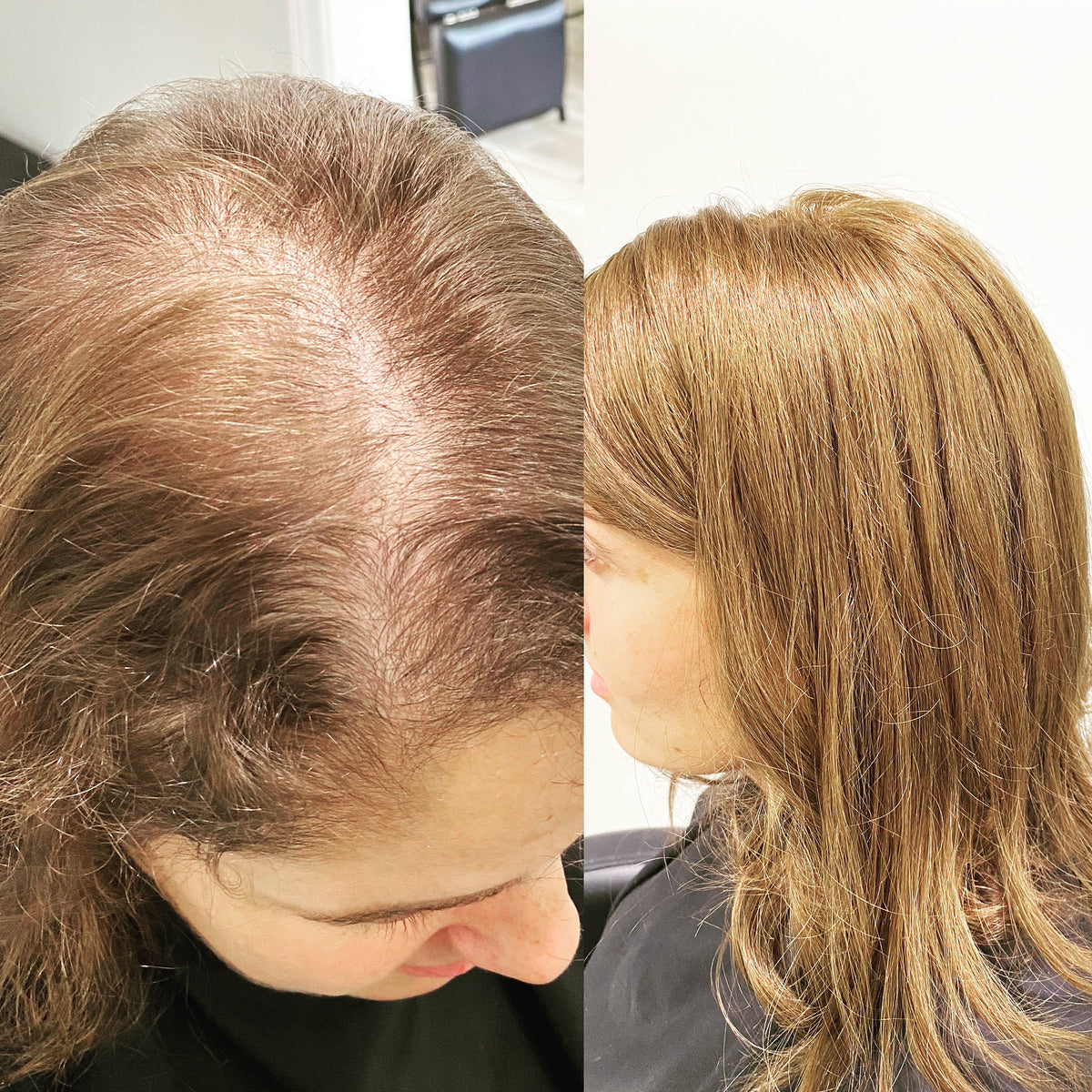


What Are the Best Non-Invasive Hair Loss Treatments Available?
Key Highlights
-
Discover a variety of non-invasive hair loss treatments that promote hair regrowth without surgery.
-
Premium salons offer advanced options like PRP therapy and low-level laser therapy to boost hair density.
-
Many effective treatments are available, from FDA-approved medications to natural, chemical-free solutions.
-
Creating a personalized treatment plan with a specialist is the key to achieving the best results.
-
These methods are suitable for both men and women experiencing different types of hair loss.
-
You can restore your hair and confidence with minimal discomfort and no downtime.
Experiencing hair loss can be frustrating, impacting your confidence and self-esteem. In the past, many believed that invasive procedures were the only real solution.
Today, that's no longer the case. A variety of effective, non-surgical treatments are available to help you stop hair loss and encourage hair regrowth.
These modern approaches use science and technology to restore your hair's health without the need for surgery, offering a path to renewed confidence.
What Makes a Treatment Non-Invasive?
A non-invasive treatment is any method that doesn't require surgical incisions or stitches. Unlike a hair transplant surgery, these approaches work on the surface or just below it with minimal discomfort and a significantly lower risk of side effects. The goal is to stimulate your body's natural hair growth processes or improve the appearance of your hair without the lengthy recovery time associated with surgery. You can get back to your daily life almost immediately.
While some home remedies can support hair health, non-surgical treatments at a salon or clinic are administered by professionals using advanced technology and medical-grade products. These professional treatments, like PRP or laser therapy, are often more potent and targeted. They can deliver more noticeable and lasting results than what you might achieve at home, helping you on your journey to a full head of hair.
Who Benefits Most From Non-Invasive Hair Help?
Non-invasive treatments are a fantastic option for a wide range of people. They are especially effective for individuals in the early to moderate stages of hair loss, including those with male pattern baldness or female pattern baldness. If you’re looking for gradual, natural-looking improvements without the risks of surgery, these solutions are ideal.
These treatments are also suitable for those who may not be candidates for surgery due to certain medical reasons. Because every person's hair loss journey is different, plans can be customized to your unique needs and hair type, ensuring the approach is right for you.
Men and women often experience hair loss differently. Understanding these distinctions is key to finding the right solution. For instance, the classic male pattern involves a receding hairline and thinning at the crown. In contrast, female pattern baldness usually appears as diffuse hair thinning across the scalp, especially a widening part.
Consulting with a specialist will help identify which treatments will best address your hair thinning and improve hair density based on your pattern of loss.
What Are The Non-Invasive Hair Loss Treatments Available at Premium Salons?

To help you understand your options, let's explore some of the top treatments offered. From FDA-approved therapies to innovative techniques like PRP, you can find a path to achieving your hair goals and obtaining optimal results without surgery.
1. Platelet-Rich Plasma (PRP) Therapy
PRP therapy is an innovative treatment that uses the power of your own body to stimulate hair growth. The process starts with a small blood sample, similar to a routine lab test. This sample is then spun in a centrifuge to separate the blood components and concentrate the platelets, creating platelet-rich plasma.
This plasma is rich in growth factors, which are proteins that play a key role in the body's healing process. When this concentrated plasma is injected into your scalp, these growth factors go to work, stimulating dormant hair follicles and encouraging them to enter a new growth phase.
Results from PRP therapy are not immediate, as it takes time for the hair to grow. Most people begin to see visible improvements in hair thickness and density within three to six months of starting treatment sessions.
2. Low-Level Laser Therapy (LLLT) Explained
Curious about how laser therapy works without surgery? Low-Level Laser Therapy (LLLT) is a painless and non-invasive treatment that uses medical-grade red light to stimulate your scalp. The light energy is absorbed by the cells in your hair follicles, which helps kickstart their metabolic activity.
This process enhances blood flow to the scalp, ensuring that your follicles receive more oxygen and nutrients. Better-nourished hair follicles are healthier, stronger, and more capable of producing thick, robust hair. The therapy encourages hair regeneration and can help slow down the thinning process.
Key aspects of LLLT include:
-
It is a completely painless procedure with no downtime.
-
It can be performed in a clinic or with at-home devices.
-
Consistency is crucial for achieving and maintaining results.
3. Minoxidil and Other Over-the-Counter Formulas
Minoxidil, widely known by the brand name Rogaine, is one of the most common and accessible treatments for hair loss. It's a topical solution or foam that you apply directly to your scalp. While its exact mechanism isn't fully understood, it's believed to widen blood vessels, allowing more blood, oxygen, and nutrients to reach the hair follicles.
When you first start using minoxidil, you might notice some initial hair shedding. This is generally a normal part of the process, as the follicles push out old, weaker hairs to make way for new, stronger ones. Consistent use is necessary to see hair regrowth and maintain your results.
To get the best results, it's important to:
-
Apply it as directed, typically once or twice a day.
-
Use it continuously, as stopping can lead to a reversal of gains.
-
Consider combining it with other treatments for a more powerful effect. Determining if Minoxidil is the best choice for you starts with a consultation to assess your specific hair loss pattern.
4. Derma rolling (microneedling)
Derma rolling, also known as microneedling, is a technique that can help awaken dormant hair follicles and boost hair growth. The process involves using a small, handheld roller covered in tiny needles to create micro-injuries on the scalp. This controlled "damage" triggers the body's natural wound-healing response.
As your skin works to repair itself, it boosts collagen production and increases blood flow to the area. This process can help rejuvenate the scalp and stimulate follicles that have become inactive. It also improves scalp health by creating a better environment for hair to grow.
Microneedling is often used in combination with other topical treatments, like minoxidil or specialized serums, as it can enhance their absorption into the scalp. A professional can help you decide if derma rolling is a suitable part of your personalized treatment plan to achieve your hair growth goals.
5. Corticosteroids
In some cases, hair loss is caused by inflammation. For conditions like alopecia areata, where the immune system mistakenly attacks hair follicles, corticosteroids are a common medical treatment. These are powerful anti-inflammatory agents that can be administered as injections, topical creams, or pills.
By reducing inflammation around the follicles, corticosteroids can help calm the immune response and allow hair to regrow. These hair restoration treatments are typically prescribed and administered by a doctor or dermatologist who can monitor your progress and manage any potential side effects.
Because they target a specific cause of hair loss, corticosteroids are not a solution for everyone, such as those with male or female pattern baldness. A thorough evaluation is the first step to determine if this is the right approach for your scalp health and hair loss condition.
6. Dutasteride
Dutasteride is another prescription medication used to combat hair loss, particularly in men. Like Finasteride, it belongs to a class of drugs known as DHT blockers. Dihydrotestosterone (DHT) is a hormone that can shrink hair follicles, leading to the common signs of hair loss like a receding hairline and thinning crown.
Dutasteride works by inhibiting the enzyme responsible for converting testosterone into DHT. It is considered more potent than Finasteride, blocking more DHT in the body. This can lead to a significant halt in hair loss and an improvement in hair density for many users.
Due to its effects on hormonal changes, Dutasteride is prescribed by a doctor after a careful evaluation. If your hair loss is linked to DHT, this may be an effective option to include in your treatment plan.
7. Scalp micropigmentation
Scalp micropigmentation (SMP) is a cosmetic, non-invasive treatment that creates the illusion of fuller hair. It's essentially a highly specialized form of tattooing where tiny dots of pigment are applied to the scalp. These dots mimic the appearance of individual hair follicles, giving you the look of a short "buzz cut" or creating density in thinning areas.
This technique is an excellent solution for camouflaging bald spots, restoring a receded hairline, or simply making your existing hair appear thicker. Unlike hair replacement systems, SMP is a semi-permanent solution that requires very little daily maintenance.
The results are immediate and can be customized to match your natural hair color and skin tone. For those seeking a cosmetic fix that provides a look of fuller hair without waiting for growth, SMP is a fantastic option.
8. Cosmetical hair replacement products
Beyond clinical treatments, high-quality hair care and cosmetic products can make a huge difference in the appearance of your hair. These are not hair replacement systems, but rather products designed to support your existing hair and create a look of greater volume and hair density.
Specialized shampoos, conditioners, and serums can play a vital role in a non-surgical approach. For example, products infused with DHT blockers can help combat hormonal hair thinning from the comfort of your home. Leave-in treatments and scalp tonics can invigorate the scalp, nourish roots, and promote a healthy environment for growth.
Integrating these targeted hair care products into your daily routine is an effective way to protect and enhance your hair. A specialist can recommend a product regimen tailored to your needs to help you maintain a healthy head of hair.
9. Finasteride
Finasteride is an FDA-approved oral medication primarily used to treat male pattern baldness. It works by targeting the hormonal cause of this type of hair loss. Specifically, it blocks the enzyme that converts testosterone into dihydrotestosterone (DHT), a hormone that shrinks hair follicles and shortens their growth phase.
By lowering DHT levels in the scalp, Finasteride can effectively slow down or even stop hair thinning. For many men, it also helps to stimulate regrowth, leading to thicker and healthier hair over time. It is a long-term treatment, and consistent daily use is required to maintain the benefits.
Because it is a prescription medication, you'll need to consult with a doctor to see if Finasteride is the right choice for you. It's a proven and powerful tool in the fight against male pattern baldness.
10. Customized Salon Serums and Scalp Treatments
One of the greatest advantages of seeking professional help is the ability to receive a truly customized treatment plan. Premium salons and clinics offer specialized serums and scalp treatments that are tailored to your specific needs. After a thorough analysis of your hair and scalp, a professional can mix a potent cocktail of ingredients for you.
These custom-blended formulas may contain a variety of active ingredients, such as vitamins, minerals, antioxidants, and botanical extracts, all chosen to target your unique hair loss causes. Whether you have an oily scalp, dryness, or inflammation, the treatment can be adjusted to improve your overall scalp health.
This personalized approach ensures that you are not just using a generic product but a solution designed to deliver optimal results for you. It's a proactive way to create the ideal environment for healthy hair to thrive.
How Does Noelle Salon Help Clients With Thinning Hair Through Non-Invasive Methods?
Thinning hair can take a toll on confidence, especially when traditional treatments feel too aggressive or unpredictable. Many clients hesitate at the idea of surgical options or harsh chemical solutions that can further damage fragile strands. That’s why Noelle Salon has become a trusted name in Boston for offering gentle, non-invasive alternatives that restore fullness and natural movement, without pain, downtime, or risk.
Our custom hair toppers and mesh integration systems provide discreet coverage for thinning areas, creating a seamless blend that feels light yet secure. These systems work with your existing hair using breathable, thinner wefts and a perfect fit that doesn’t strain the scalp.
For more advanced or patchy hair loss, solutions like mesh integration can provide a more secure and natural-looking result.
To complement these solutions, we also offer premium-quality human hair extensions in a wide range of colors and textures. Each installation, whether tape-in, fusion, or clip-in, is customized to match your natural look and maintained with expert guidance on proper care. This thoughtful, non-surgical approach allows clients to regain volume and confidence while preserving the health and integrity of their natural hair.
Book your hair loss consultation today to find the right solution for your hair.
Conclusion
Dealing with hair thinning doesn’t always mean turning to surgery or harsh medical treatments. Today’s non-invasive hair loss treatments and non-invasive hair restoration options combine advanced technology with scalp-friendly care to deliver real, lasting improvements. From laser therapy and mesh systems to gentle scalp revitalization techniques, modern salons now offer science-backed methods that fit seamlessly into everyday life.
Before committing to any treatment, take time to understand your hair’s needs. Ask professionals about the best non invasive hair loss solution for your texture, lifestyle, and comfort level. Consistency matters; results build gradually through proper care, routine maintenance, and following your stylist’s guidance.
Frequently Asked Questions
What are the most effective non-invasive hair loss treatments offered at premium salons?
Premium salons often use non-invasive hair loss treatments like laser therapy, scalp stimulation, and customized toppers, considered the best non invasive hair loss solution for restoring fullness without surgery or harsh chemicals.
How do non-surgical hair loss treatments at salons compare to home remedies?
Unlike home remedies, non invasive hair restoration at salons provides targeted, expert-led care using professional equipment and high-quality products that deliver consistent, visible results for both men and women.
Which non-invasive salon treatments work best for men and women experiencing hair thinning?
Stylists often recommend non invasive hair treatment options such as laser therapy, mesh integration, or hair toppers, proven non-invasive hair loss solutions that create natural volume and long-term scalp health.
Are there any FDA-approved non-surgical hair loss treatments available at luxury salons?
Yes. Many luxury salons offer FDA-approved non invasive hair loss treatment options like low-level laser hair therapy treatments that safely stimulate follicles to encourage natural hair regrowth over time.
Can you explain how laser therapy works for treating hair loss without surgery?
How do laser hair therapy treatments at salons help with hair loss? They increase scalp circulation and cell activity, promoting healthier follicles and gradual regrowth as a non invasive hair help method for thinning hair.
Do premium salons offer natural or chemical-free options for non-invasive hair restoration?
Yes. Many high-end salons focus on non invasive hair restoration using natural, chemical-free products and ethical methods that prioritize scalp health, comfort, and sustainable results.
How soon can I expect visible results from non-surgical hair loss treatments at high-end salons?
What results can I expect from non-surgical hair restoration services at upscale salons? Most clients see improved texture and visible fullness within 8–12 weeks of consistent non invasive hair loss treatment sessions.
Are non-invasive hair loss treatments at salons suitable for all hair types?
Yes. Non invasive hair treatment methods like toppers, laser therapy, and gentle extensions can be adapted to all hair textures, ensuring personalized non invasive hair help for men and women.
What is the typical cost of non-surgical hair restoration services at premium salons?
Prices for non invasive hair restoration near me vary by treatment type, typically ranging from moderate to premium depending on salon expertise, duration, and maintenance requirements.
Do non-surgical salon treatments for hair loss require ongoing sessions for lasting results?
Yes. Maintaining long-term results from non-invasive hair loss solutions often involves regular sessions or follow-up care to support healthy regrowth and scalp balance.


