

Safe Hair Extensions: Transforming Your Hair Without Damage·

Damage Free Hair Extensions
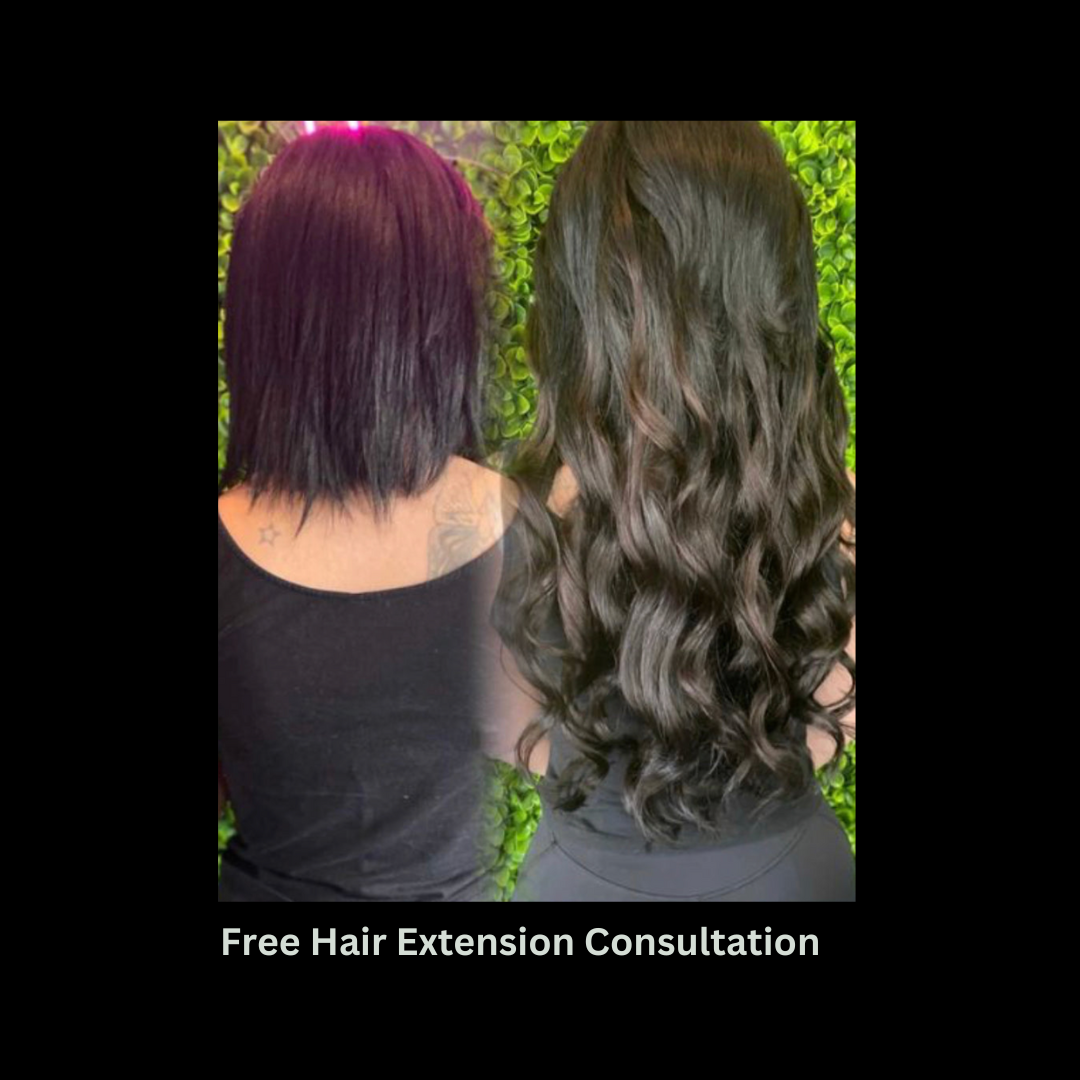
Concerns about breakage, thinning, and scalp stress have made many people hesitant to try hair extensions in Boston, especially if they have had a rough experience with glue, heat, or tight braids in the past. That is exactly why Veila Pull-Thru Hair Extensions were created—to deliver length and fullness without compromising the integrity of your natural hair. With a unique pull-thru design and a thoughtful installation technique, these damage-free hair extensions offer a safe alternative to traditional methods while still delivering beautiful, customizable results that feel light and comfortable on sensitive scalps. In this guide, you’ll learn how damage-free Veila Pull-Thru hair extensions work, how they compare to other options, who benefits most, and how to care for them so your hair looks healthy and vibrant for the long term. Have you heard horror stories about hair extensions pulling or tangling? As an extension specialist of nearly 30 years, we designed this pull-thru method specifically to protect fragile hair, safeguard the scalp, and create flawless, wearable results day after day.
What are the different types of safe hair extensions available?
Safe hair extensions come in a variety of formats so you can match your lifestyle, hair density, and styling preferences. Popular options include clip-in extensions secured with small clips, tape-in extensions applied with adhesive strips, sew-in extensions (also called wefts), and halo extensions that rest comfortably on the head with a clear band. Each option has distinct benefits, maintenance needs, and wear times, but the main goal is the same: add volume and length with as little stress on your natural hair as possible. Among these kinds of permanent hair extensions and the temporary halo and clip-in choices, many people appreciate how the safest extension options allow you to enhance your look for an important event or everyday wear without sacrificing hair health. Clip-in extensions are especially convenient because they let you add extra length and test new styles for extended periods of time without a salon visit—just remember that clip-ins are intended for temporary use and should be removed daily to keep your roots and scalp happy. Have you ever wondered which hair extension type would best suit your lifestyle?
Comparing Veila Pull-Thru Hair Extensions to Other Types of Extensions
Have you tried sew-in wefts, tape-in hair, or individual strands only to notice tension, residue, or too much weight on your natural hair? Veila Pull-Thru Hair Extensions offer a smart, gentle alternative—especially for hair that is fine or thin and needs a lighter touch. Some methods use a single heavy track of hair that is not customizable and can place too much strain on a small area. In contrast, Veila Pull-Thru hair extensions are applied in balanced, customizable sections that distribute weight more evenly. The standard panel is approximately 2.5 inches (similar in width to tape-in hair extensions), and it can be cut down to sections as small as 3/4 inches to precisely fit around delicate areas, the hairline, and the crown. This modular approach allows your stylist to tailor placement for fullness, shape, and comfort while respecting the growth pattern and density of your own strands. For many clients, that customization is the difference between extensions that simply look good and extensions that truly feel good.
Do Hair Extensions Damage Natural Hair?
The fear of damaging natural hair is real, especially if you’ve experienced shedding or tangling from aggressive application or removal. Traditional methods often rely on glue, heat bonding, or very tight braids, which can lead to breakage, traction, and thinning over time if not installed or maintained correctly. There are many extension categories in the market—from keratin bond extensions to keratin fusion bonds and strand-by-strand systems—all of which can work beautifully when expertly applied on the right candidate. Veila Pull-Thru Hair Extensions use a gentler, non-damaging approach designed by a hair extension specialist: your own strands are pulled through small openings in the panel, and a silicone-lined micro bond or bead is used to secure the extension panel in place. The silicone lining cushions your hair, helping reduce friction and slippage while offering a reliable hold. This method eliminates sticky adhesives and high-heat bonding, creating a secure yet comfortable fit with a focus on hair health. What concerns do you have about using hair extensions?
For clients who prefer a bond-free approach, the pull-thru system is appealing because it emphasizes clean installation, even tension, and easy upkeep. Rather than coating your hair with adhesive or melting polymer around each section, a stylist selects appropriately sized panels and places them in a pattern that supports your desired shape and density. That careful mapping helps protect fine edges and fragile zones, and it allows simpler maintenance during move-up appointments. When compared with metal loop systems or oversized bonds, the Veila silicone-lined micro bond helps reduce hard pressure points and minimizes stress where the extension meets your hair—an essential factor for comfort and long-term wear.
Using Hair Extensions for Thinning Hair
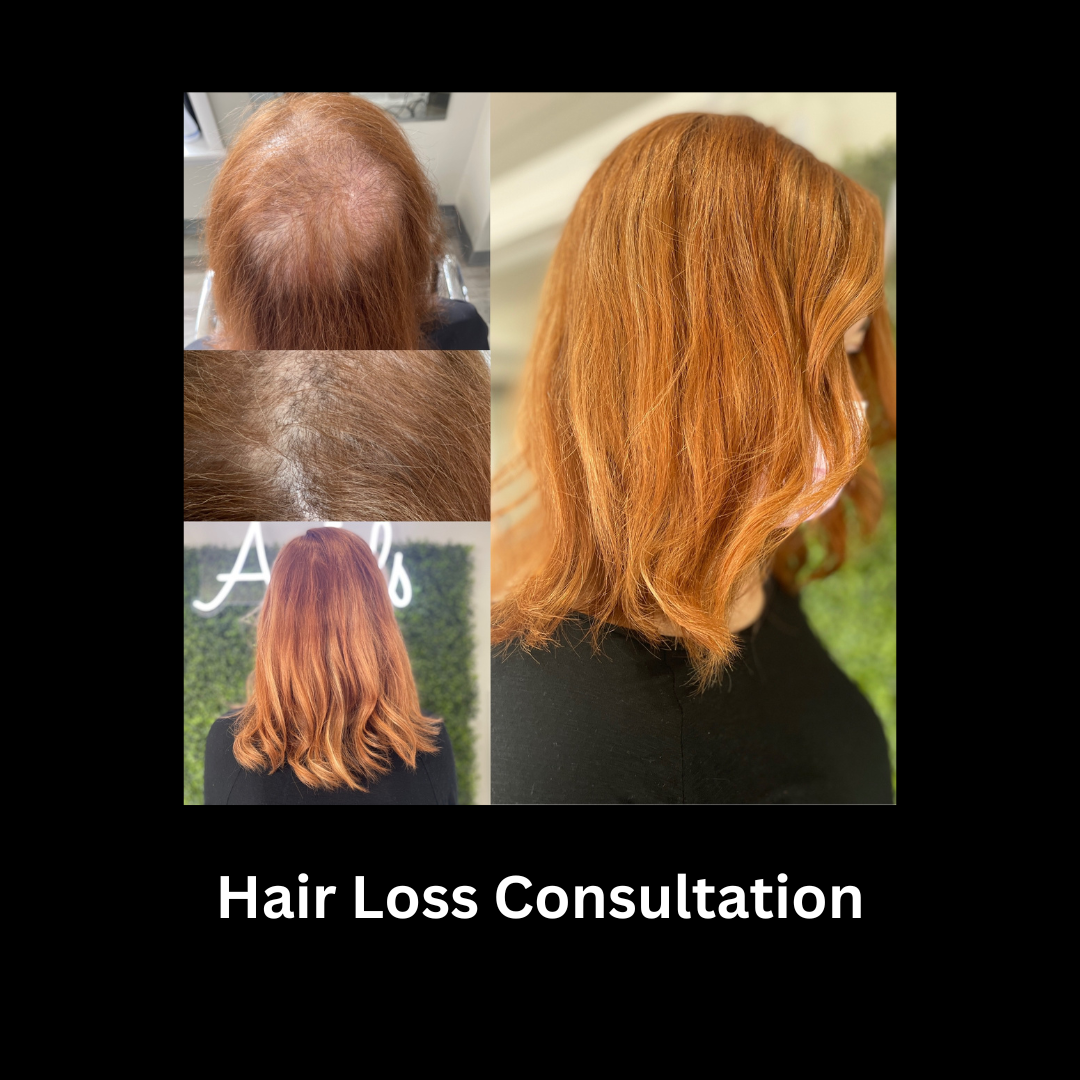
Many guests with fine hair or hair loss prefer a lighter technique that respects fragile roots and sparse zones. With Veila Pull-Thru, you need only about a 1/4 inch of your own hair surrounding each placement to support the panel, which helps protect delicate areas while giving a visible boost in fullness. Choosing the wrong set of hair extensions—too heavy, too dense, or poorly matched to your hair type—can cause strain, so careful consultation and planning matter. The goal is always to keep your own hair healthy; with an experienced hair extension stylist and the right qualifications, extensions can be an enhancement you enjoy for a season of growth, not a lifelong obligation. These panels are also secure and reusable: on average, wearers move up their pull-thru extensions about every ten weeks, compared to roughly six to eight weeks for many tapes and sew-ins. Because this method avoids glue, high heat, and tight tracks, it is widely considered among the least damaging hair extension options for suitable candidates. Crafted from premium Slavic virgin hair, they are one of the most popular varieties available today for a soft, natural finish and reliable wear.
Can You Wear Your Hair Up with Pull Through Extensions?
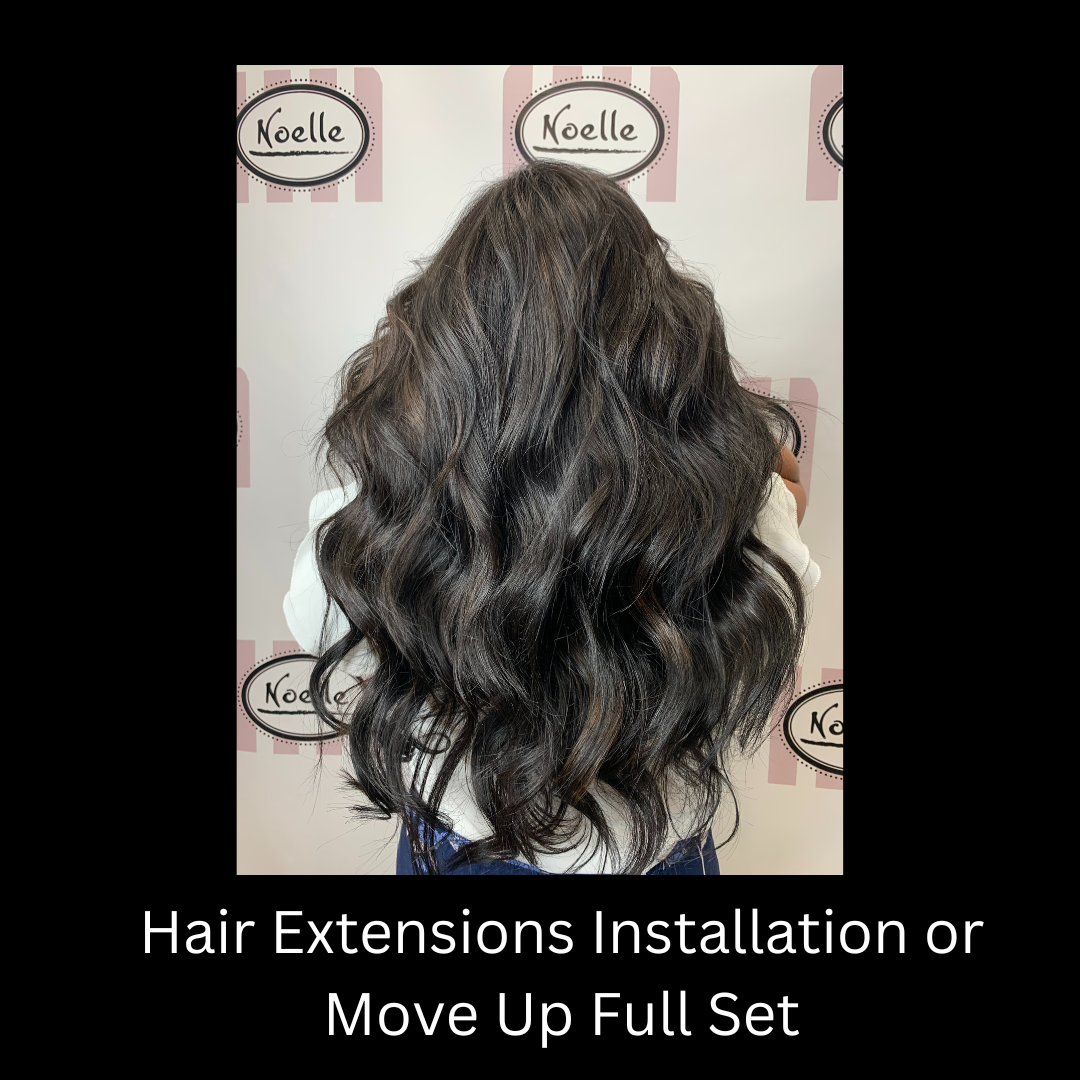
Absolutely. Low ponytails are on-trend, and the pull-thru method lays flat enough to create chic updos, effortless buns, and sleek ponytails without visible bulk. You can add just a few panels to enhance volume at the base of your ponytail or place a full head for length and fullness from mid-shaft to ends. Because the hair is not permed, it has a soft, natural wave that can be worn straight, softly waved, or heat-styled for curls. The discreet panel size and customizable placement make it easy to keep attachment points hidden when you part or sweep your hair up, giving you freedom to style day to day without worry.

The Innovative Technique Behind Veila Pull-Thru Extensions
What makes Veila Pull-Thru Hair Extensions so approachable is the installation process. Instead of adhesive or melted bonds, the stylist maps your head into zones for balance, then selects panel widths to suit each area—standard 2.5-inch panels where your hair is strongest and smaller 3/4-inch panels near finer edges or the crown. Here’s an easy-to-follow overview of what a typical appointment looks like for first-time wearers:
Consultation and color match: Your stylist evaluates density, hairline, and scalp sensitivity. Together, you’ll choose shades that blend or shades that add dimensional highlights like balayage without chemically altering your hair. Sectioning and placement plan: The stylist designs a pattern that supports your goals—volume at the sides, length through the back, or strategic fill for areas that feel sparse—maintaining even weight distribution. Pull-thru threading: Small strands of your natural hair are gently pulled through tiny openings in the extension panel using a loop tool, creating an interlaced connection that lies flat. Silicone-lined bead securing: A micro bond or bead, lined with silicone, is placed to cushion your hair and is carefully tightened to hold the panel in place, minimizing pressure points. Blending and finish: Once the panels are secured, the stylist refines the outline with dry cutting or light texturizing to ensure the extensions move like your own hair. The result is a secure, flexible set that looks seamless and can be adjusted at move-up appointments with ease.
Because there is no glue to break down or sticky tape to dissolve, maintenance is simpler. Panels are moved up as your hair grows, keeping attachment points discreet and comfortable. Many clients appreciate that appointments are efficient, the scalp feels light, and styling routines remain straightforward.
The Best Part of Twin Tab Extensions is the Removal Process
Removal is refreshingly simple: without sticky adhesive, there is no gluey residue or harsh solvent required. The stylist releases each silicone-lined bond, slides the panel out, and sets it aside for cleansing and prep. Takedown often takes just a couple of minutes per section and can be followed by a same-day reapplication on clean hair. That efficiency translates to a comfortable appointment and a more accessible price point over time. When panels are reused, the hair maintains its quality, and the move-up keeps attachment points hidden, secure, and gentle on new growth.
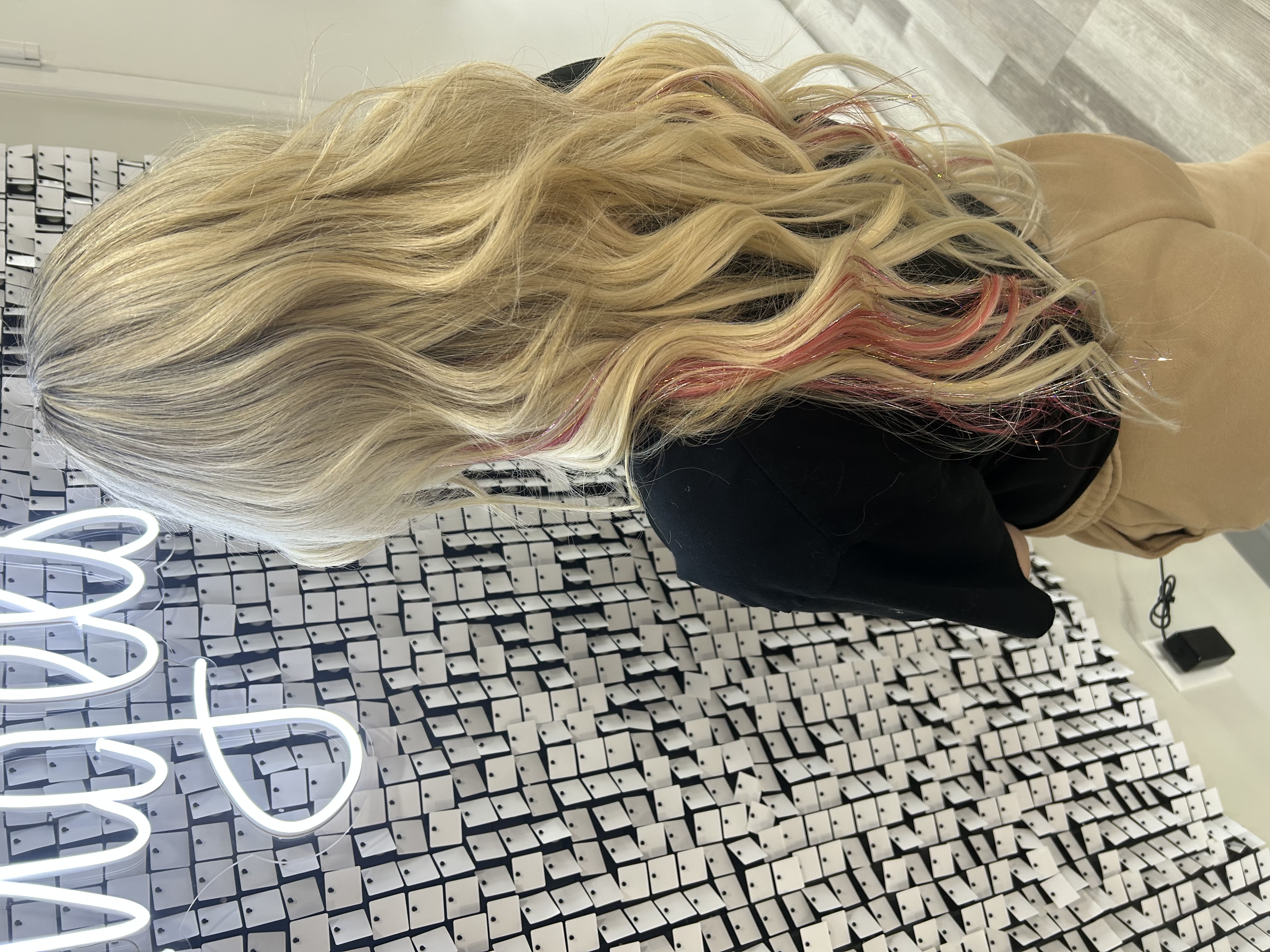
We stock the most popular colors from balayage transitions, two-tone blends that emulate a foil or balayage service, as well as solid, sparkling hues for classic or creative looks. Thoughtful shade selection and panel placement let you refresh your color story without processing your natural hair, whether you prefer soft contrast or a bold dimensional mix.
Who Is an Ideal Candidate?
Most hair types can enjoy pull-thru extensions when placement and density are customized appropriately. Fine or thin hair often benefits from smaller panels and strategic spacing to boost volume without overpowering delicate areas. Medium to thick hair can support larger panels for length and dramatic fullness. If your scalp is sensitive or you’ve had issues with adhesives or heat in the past, the silicone-lined micro bond system is a thoughtful choice. During consultation, your stylist will assess hair density, growth patterns, lifestyle, and styling goals to determine the best layout. Clear communication ensures you receive a set that looks stunning and feels comfortable every day..
Longevity and Reuse
When treated with care, panels can be reused across move-up appointments, making the system both practical and consistent. Because there is no glue to break down, removal leaves your natural hair clean and ready for a fresh application on the same day. This cycle allows you to maintain your preferred length and fullness year-round, switching up color blends or density as your look evolves. With each appointment, your stylist checks the health of your hair and scalp and fine-tunes placement so the set remains as comfortable as the day it was installed.
Conclusion
The right hair extensions can completely transform thin hair—adding natural-looking volume, length, and movement when the method, placement, and hair quality are carefully matched. Choosing a lightweight, customized approach is key to protecting delicate strands while achieving a seamless, realistic result.
If you’re ready to create fuller, more balanced hair, you can book a free hair extension consultation to get a personalized plan tailored to your hair type, density, and lifestyle.


