



Mastering Human Hair Extensions: Expert Tips and Techniques

Overview of human hair extension types, methods, and styling techniques.
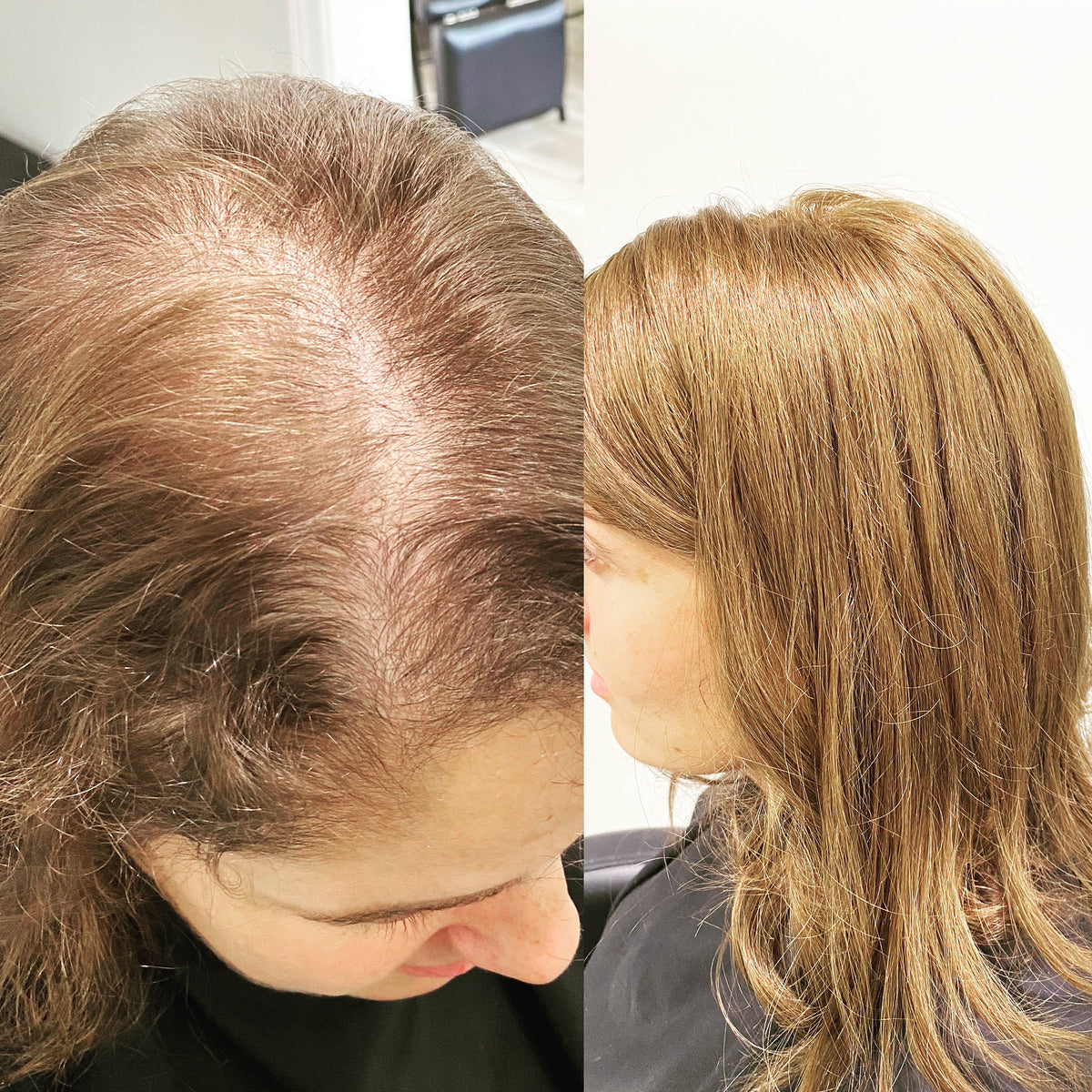
If you’re exploring hair extensions in Boston and want more length, density, or styling flexibility. Human hair extensions can bridge the gap between where your hair is today and the look you want tomorrow. In this guide, you’ll learn how to identify quality extensions, choose the best application method for your lifestyle, and care for them so they look flawless.
Why Choose Remy Human Hair Extensions for Natural Looks?
When it comes to hair extensions, Remy human hair stands out for its natural movement, softness, and longevity. Remy hair means the cuticles remain intact and aligned in the same direction from root to tip, helping reduce tangling and frizz while maintaining a realistic sheen. Because it is made from real, cuticle-aligned strands, it blends seamlessly with natural hair and can be styled similarly to your own.
Why does that matter? Non-Remy or mixed hair often has cuticles facing different directions, which can cause friction and matting. By contrast, Remy hair behaves more predictably, making it easier to manage daily and more resilient during heat styling. If you’ve ever worried that extensions might look obvious, choosing Remy is a powerful way to keep your look discreet, polished, and natural in motion and in photos.
Key advantages at a glance:
- Natural movement and softness for a realistic finish.
- Longevity and durability with cuticle alignment.
- Seamless blending with your own hair.
- Predictable behavior during daily wear and heat styling.
Another advantage is styling flexibility: curl, flat iron, or blow-dry, and—when done carefully—color to match or enhance your shade. Prefer sleek one day and waves the next? Human hair accepts texture changes without the resistance of many synthetics.
Color customization is a highlight, too. From soft dimension to bolder transitions like balayage and ombré, human hair accepts professional color services more reliably, so you can fine-tune tone for subtle warmth, cooler neutrality, or face-framing highlights that blend naturally.
Best Types of Human Hair Extensions and Color-Matching Tips

Tape-In Hair Extensions: Invisible and Seamless — Care and Maintenance Tips
For those who want hair extensions that are nearly undetectable, tape-ins offer a sleek, low-profile finish. Stylists apply thin sandwiches of pre-taped wefts around small sections of your hair. The result is a smooth blend that lies flat, moves naturally, and feels light. Because the bonds distribute weight across a wider area, they tend to be comfortable for many wearers, including those who enjoy wearing ponytails and updos without bulky seams.
- Pros: Flat, natural-looking finish; suitable for fine hair; reusable with careful maintenance.
- Cons: Requires professional application and isn’t ideal for frequent high-heat styling directly on bonds.
Wefted Hair Extensions for Thick, Voluminous Hair — Benefits and Best Uses
Wefted extensions deliver density and drama, making them an excellent choice if you crave a plush, full style. Whether installed as sew-in rows or with beads, wefts cover broader sections quickly and evenly, so you can create a consistent wall of volume with fewer pieces. If your hair already leans thick or you love a blown-out, bouncy look, wefted options can provide that salon-level fullness daily. They come in machine-sewn or hand-tied options for tailored placement.
- Pros: Strong hold, customizable installation, and multiple application methods.
- Cons: Can feel heavy if not applied correctly and typically requires regular salon maintenance.
Master the Art of Caring for Human Hair Extensions (Go Light on Conditioner)
Consistent, gentle care is the secret to long-lasting extensions that continue to look fresh. A thoughtful routine helps maintain the integrity of your attachments and the quality of the hair itself. Think of extensions as an investment: with the right products and habits, they remain smooth, glossy, and tangle-free.
Why Use Sulfate-Free Shampoo for Human Hair Extensions
Choose sulfate-free cleansers and conditioners to preserve moisture and color. Sulfates can strip oils and roughen the cuticle, which may shorten the life of your extensions. Look for lightweight hydration that won’t weigh down roots or loosen bonds. A gentle, pH-balanced routine keeps hair soft while maintaining attachment integrity. If you use purple or blue toning products, apply mindfully and avoid saturating bonds or beads.
Top Application Methods for Human Hair Extensions (Pros and Cons)
Popular options include clip-in, tape-in, sew-in weft, fusion/keratin tip, and micro-link/beaded extensions. Each method has distinct application techniques and maintenance needs, allowing you to choose the solution that fits your lifestyle, hair density, and styling preferences. Consider how often you heat style, whether you wear high ponytails, and how frequently you can visit the salon for routine adjustments.
How to Tailor Human Hair Extension Care to Your Hair Type
Match your care plan to your texture and density for the best results:
- Fine hair: Choose lightweight formulas and avoid heavy oils near the scalp. Focus conditioner on ends.
- Medium hair: Balance moisture and protein. Rotate a hydrating mask with a gentle strengthening treatment as needed.
- Thick or coarse hair: Lean into richer hydration mid-lengths to ends, and detangle in sections to minimize breakage.
Styling choices matter too. Prefer high ponytails or topknots? Ask your stylist to place attachments to accommodate that. Love heat styling? Lower your tool temperature, work in small sections, and always use a protectant. Your day-to-day habits are the difference between extensions that last briefly and hair that stays gorgeous wear after wear.
What to Do If Your Hair Extensions Are the Wrong Color?
Color a bit off? Don’t worry—there are practical fixes that restore harmony between your natural shade and your extensions. A professional can tone overly warm or cool pieces so they blend with your base, or add subtle lowlights and highlights to create dimension that disguises minor mismatches. Ombre and balayage looks are often forgiving, because gradual transitions help the eye read the blend as intentional.
Other options include swapping in a better-matched shade for face-framing sections or using seamless extensions that can be custom-toned more precisely. In the meantime, strategic styling can help: soft waves break up color lines, and accessories like headbands can redirect focus while you plan a color adjustment. If you’re wondering whether to darken the extensions or brighten your base, your stylist can evaluate undertone and maintenance preferences to guide the choice.
How to Fix a Hair Dye Job Gone Wrong with Human Hair Extensions?
If a color mishap affects both your hair and your extensions, consult a colorist who routinely works with extension hair. They can assess whether temporary removal is needed for even application and safe processing. Human hair extensions can often be corrected with professional techniques, but gentleness is key to preserve the cuticle and maintain a smooth finish.
Sometimes the best strategy is a phased correction: neutralize the most distracting tones first, then refine depth and brightness in a follow-up. If your natural hair needs extra care, a protective style or a high-quality hairpiece can bridge the gap while your strands recover. Extensions are versatile tools, but they shine brightest when paired with patient, strategic color planning.
Can I Treat Human Hair Extensions Like My Natural Hair?
Human hair extensions are designed to look and feel like your own—but they still need a tailored approach.
For daily maintenance, treat the attachment area with extra care, minimize heavy products near bonds or beads, and be mindful of tension from tight ponytails or frequent restyling. Follow your stylist’s instructions closely; they know how your specific method responds to washing frequency, heat, and product choices.
Love to experiment? Opt for rollers, heatless methods, or fewer passes on lower settings. These small shifts help extensions last longer while supporting the health of your natural hair. When in doubt, schedule a quick check-in for personalized guidance before trying a new technique at home.
Questions to Ask Before Getting Human Hair Extensions
These prompts help you clarify your goals and pick the right path:
- How much added length and volume do I want, and is my hair healthy enough to support it?
- Do I prefer a method I can remove nightly, or a longer-wear solution I can sleep in?
- How often can I return for maintenance, and what level of at-home care am I willing to follow?
- Will I be heat styling frequently, and do I have the right products to protect the hair?
- Am I open to subtle color blending (toning, lowlights, or highlights) if the shade is slightly off?
Conclusion: How to Choose and Care for Human Hair Extensions
Human hair extensions offer a natural, flexible way to add length, volume, and dimension when the right method and hair quality are chosen. Matching the extension type, placement, and maintenance routine to your hair type is what creates a seamless, long-lasting result that looks and feels like your own hair.
If you’re ready to explore the best options for your hair, you can book a free hair extension consultation to get expert guidance and a customized plan tailored to your hair type, lifestyle, and styling goals.


