

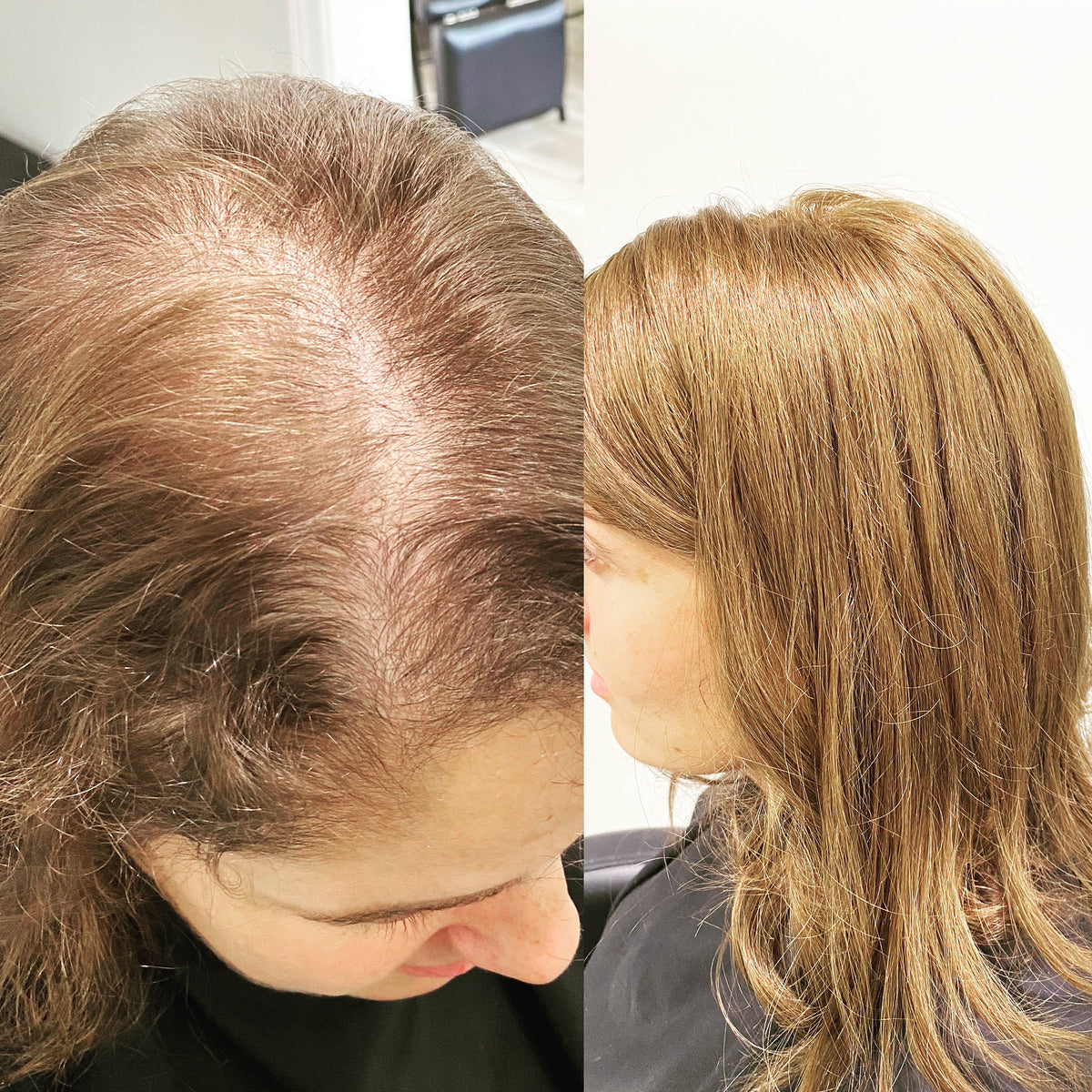


Genius Wefts: Revolutionizing Hair Extensions for a Flawless, Lightweight Look
Discover the revolutionary benefits of Genius Wefts hair extensions in Boston—designed for optimal comfort, lasting wear, and a seamless look that elevates your hair extension experience. But what exactly makes these wefts different? In the sections below, we’ll outline their key advantages first, then explore the innovative construction that sets them apart.
Genius wefts come in a rich spectrum of shades, including a refined dirty blonde. This nuanced color adds warmth and dimension with a deeper base that gradually melts into blonde and then lifts to an icy platinum finish. The gradient is versatile, easy to tailor to your undertone, and flattering across seasons.
The hair extensions category has progressed dramatically, and Genius Wefts represent a major leap forward. Compared with older tracks, these wefts offer a lighter feel, a flatter base, and styling freedom without the bulk. In this guide, you’ll learn how extensions evolved, where hand-tied, machine, volume, Veila Pull-Thru, and butterfly options fit in, and what makes the construction of Genius distinct. You’ll also find tips on choosing, applying, and maintaining your extensions so they look polished day after day.
We’ll also walk through hair types commonly used in extensions, the key features of Genius construction, and how to protect your investment with practical care. Using clear terms like Genius Wefts, hair extensions, hand-tied, sew-in, microbead, and clip-in throughout this guide also improves search visibility, helping you find answers faster. Bold subheadings mark each focus area so busy readers can scan quickly and find what they need.
What Are Genius Wefts and How Do They Compare to Traditional Hair Extensions?
Extensions have moved from bulky, obvious tracks to refined solutions designed to be comfortable and discreet. Traditional wefts—hand-tied, machine, volume, butterfly, and systems like Veila Pull-Thru—have served countless clients well, yet many users want a thinner base, gentler wear, and flexible styling. Genius Wefts address these needs by pairing a micro-thin track with enhanced durability.
Application methods have also progressed. Earlier installs relied heavily on machine-sewn wefts attached with braids alone. Today, stylists assess hair strength, follicle density, and lifestyle to match the ideal method—often a sew-in anchored to cornrows or a hybrid approach that integrates microbeads for tension distribution. The sew-in around microbeads method is popular because it avoids excessive stress at the root.
Choosing the Right Shade for You
Color options continue to expand with curated blends and nuanced tones. You’ll find earthy orange warmth, deeper brown ranges, darkest rooted blends, golden blonde and golden amber blonde, decadent mocha, cool icy highlights, cooler undertones, cool tones, and creamy ice blonde—plus in-between hues that straddle warm and cool for balanced dimension.  Whether you prefer soft, muted shades or high-contrast placement, there’s a palette to mirror natural lighting on your strands.
An Overview of Traditional Machine Wefts
Machine-made wefts reliably boost length and volume and have long been a staple. They’re sturdy and efficient to install, but the thicker seam can be more noticeable on finer hair and may limit ultra-sleek styles. Hand-tied wefts drape beautifully but can unravel when cut. Genius Wefts bridge the gap: thin like hand-tied, yet cuttable and more forgiving in custom sizing than many delicate tracks.

Benefits of Genius Wefts over Traditional Hair Extensions
Key Advantages of Genius Wefts
Genius Wefts combine the best of both worlds: the featherlight feel associated with hand-tied options and the practical strength of sturdier tracks. Thanks to a refined base, stylists can cut along the width to custom-fit head shapes without unraveling, improving comfort and coverage. They’re reusable, long-wearing with proper care, and as durable as traditional machine-sewn tracks—yet they lay flatter against the scalp for a more natural fall.
How Genius Wefts Are Constructed
Understanding the Unique Construction
Genius Wefts are crafted to deliver a balanced blend with your natural hair from root to tip. Consistent selection of strands creates cohesive color, texture, and movement, while the micro-thin track—often finished with a protective base—adds resilience without bulk. These design choices are precisely what deliver the comfort, longevity, and styling versatility outlined above.
Why the track matters: The top of the weft, or “track,” needs to be durable enough for installation and maintenance yet slim enough to disappear in the hair. Genius tracks are designed to be stronger than delicate hand-tied bases while remaining micro-thin. In contrast, some butterfly wefts, often used with methods like the Veila Pull-Thru system, can feel heavier and harder to hide because of their width.
Matching Genius Tracks to Hair Strength and Follicle Density
From fine to thick hair, the right density pairing is essential. Genius Wefts are designed to blend smoothly and distribute weight appropriately so the final look feels balanced. A stylist may use fewer rows for thicker hair or lighter rows for fine hair to prevent stress. Consider whether you want primarily volume, length, or a mix of both—then match density to your goals.
Choosing an Application Method with Genius Wefts
Genius tracks can work across a variety of methods: sew-in, tape-in, clip-in, fusion, microbead, and volume weft approaches. Each pathway carries its own strengths. Clip-ins offer flexibility for occasional wear. Sew-in methods provide secure, long-lasting attachment. Microbead integration can distribute tension while keeping the base discreet. Fusion and tape-in approaches can be customized for segment placement. Which method aligns with how often you change your part, wear your hair up, or need quick removal for specific events?
Sew-in Method Anchored to Cornrows
The classic sew-in onto cornrows continues to shine for many clients because it creates an even, consistent foundation. The weft is stitched to the braided base, yielding a smooth blend and strong hold. With a careful install, styling options abound—sleek downs, waves, braids, and polished updos. For best results, seek a stylist experienced with modern sew-in tension control and placement. 
Sew-in Method around Microbeads (Microbead Extensions)
Sewing around microbeads is a discreet alternative that helps distribute weight in targeted areas. Small beads serve as anchors, and the weft is sewn around them to create a refined, low-profile fit. This approach supports flexible parting and can enhance comfort for those sensitive to tension or who prefer minimal bulk at the scalp. If your hairline is fine or you favor half-up or high-pony looks, would a bead-assisted sew-in help keep your base hidden?
Best Practices for Long-Term Use
Consistent care ensures longevity and keeps your extensions photo-ready:
- Detangle gently from ends to roots before and after washing to minimize stress on the track and attachments.
- Store in a cool, dry place, out of direct sunlight, to protect color vibrancy and prevent dryness.
- Limit high heat tools and always use a heat protectant to maintain the integrity of the hair and the attachment area.
- Use a wide-tooth comb or extension-safe brush to reduce snagging and preserve cuticle alignment.
- Keep routine maintenance appointments so your stylist can reposition, tighten, or remove rows as needed.
Common Mistakes to Avoid
Small changes in routine can prevent breakage and preserve a fresh, fluid finish:
- Avoid excessive heat; too-high temperatures can dry out fibers and compromise the track area.
- Skip harsh chemicals that strip moisture and dull the finish; opt for gentle, extension-safe formulas.
- Don’t brush when soaking wet; instead, towel-blot, apply leave-in, and detangle gently once damp.
- Never sleep with wet hair; allow to dry fully to reduce matting and friction damage.
- Steer clear of sulfate-heavy products that can dehydrate hair and loosen some attachment types.
Trending Hair Extension Colors and Textures
Color + Texture Pairing Tips
Genius tracks arrive in a wide range of shades, from cool tones to sunlit golds. You’ll find standout blends like cool golden hues paired with Ash Brown #8 for dimension, along with lighter natural blondes such as ash blonde for a sophisticated, cool-toned, golden-grey vibe. Texture options help you match straight, wavy, or softly curled patterns so your style looks intentional, not forced. Do you prefer subtle, ribbon-like highlights or bolder contrast that still feels wearable throughout the week?
Genius Wefts Installation Procedure
Step-by-Step At a Glance
Here’s a streamlined overview to help you understand the process and communicate clearly with your stylist:
- Preparation: Shampoo and fully dry your hair so the base is clean and stable. Clarifying cleansers may be used if advised by your stylist.
- Sectioning: Your hair is divided into even, balanced sections to create consistent rows and even tension across the scalp.
- Anchoring: The track is secured using your chosen method (for example, micro rings or tape in appropriate cases, or a sew-in foundation), ensuring a snug yet gentle attachment.
- Blending: The extensions are blended with your natural hair through precise sectioning and shaping so the transition is undetectable.
- Finishing: Ends are trimmed and styled to match your cut, making the final look seamless from root to tip.
What preparation steps do you think are essential for ensuring a successful installation of your Genius Wefts?
A Practical Glossary for Hair Extensions
Hand-tied weft: A delicate, thin weft created by hand. It lies flat but can unravel if cut along the track. Best used uncut or folded during customization. Would a super-flat base suit your hairstyles, or do you often need custom sizing?
Machine weft: A sturdier weft produced by machine. It’s durable and cost-effective, though the seam can be thicker. Does your hair density comfortably camouflage a thicker track?
Genius Weft: A micro-thin, durable weft designed to be cut to size without unraveling. It aims to combine the low profile of hand-tied with the strength of a machine base. Do you need both thinness and cuttability for a perfect fit?
Microbead (micro ring): A small bead used to anchor wefts or sections. It helps distribute weight and can support discreet installations. Would strategic bead placement reduce tension where you’re most sensitive?
Sew-in: A method where wefts are stitched to a foundation (such as cornrows or bead anchors). It offers security and longevity. Do you value a set-it-and-forget-it approach?
Veila Pull-Thru: A pull-through technique that secures hair with a netted or beaded structure without heat or glue. It can be versatile but may feel fuller at the base. Would a bulkier track affect your updos?
Butterfly weft: A wider, often heavier weft that may be harder to conceal. It can add density yet require careful placement. Is maximum volume your top priority even if the base is less subtle?
Selection Tips: Color, Texture, and Density
Color matching: Match mids and ends first, then fine-tune roots with a slightly deeper or rooted blend for realism. Multi-tonal wefts often read more natural, especially in daylight. Would a soft root-shadow make your final look more believable?
Texture alignment: Choose straight, wavy, or softly curled patterns that mimic your natural hair when air-dried. The closer the match, the easier your styling routine. Do you prefer heat-styling daily or a wash-and-go rhythm?
Density planning: Fine hair often benefits from fewer, lighter rows; thicker hair may need more weft mass to balance proportions. T
Track visibility when windblown: Ask your stylist for strategic placement and micro trims along the track line. Slight adjustments can minimize exposure during movement. Do you frequently wear deep side parts that need extra coverage?
Dry ends: Incorporate lightweight oils or serums sparingly on mids and ends, avoiding the base. A weekly hydrating mask can revive sheen. Would rotating between two conditioners help maintain balance?
Tension sensitivity: Reassess row count and bead placement. Sometimes a single additional anchor point relieves pressure. Do you notice sensitivity near the temple area that might benefit from a lighter row?
Frequently Asked Questions
Below are concise answers to common queries so you can plan confidently.
Can Genius Wefts be reused?
Yes. With careful at-home maintenance and routine professional check-ins, Genius Wefts can be reused across multiple installations. Proper storage, gentle detangling, and extension-friendly products extend their lifespan. Would a set maintenance schedule fit your calendar better than on-demand visits?
How long do Genius Wefts last?
Longevity varies by care, styling habits, and natural hair growth. With good upkeep and timely maintenance appointments, you can expect months of wear. Paying attention to tension, avoiding excessive heat, and using gentle products will help preserve your extensions. Would reminders for maintenance help you stay on schedule and protect your investment?
Can I color or tone my extensions?
Coloring should be approached cautiously and performed by a professional who understands extension fibers. Many opt to fine-tune tone with glosses or choose pre-blended shades that reduce the need for additional processing. Would selecting a pre-toned shade save you time and help maintain hair quality?
Are Genius Wefts suitable for fine hair?
Yes. The micro-thin base and strategic placement make them a strong candidate for fine hair, provided installation and row density are tailored appropriately. Would a lighter, fewer-row approach give you confidence without overwhelming your roots?
Can I wear my hair up?
Absolutely. One of the hallmarks of Genius Wefts is how flat they lie, making ponytails, buns, and half-ups easier to style without revealing tracks. Would you like your stylist to map placement specifically for your favorite updo heights?
Conclusion
Genius Wefts are redefining what’s possible with hair extensions—offering a lightweight, flexible option that delivers natural-looking volume, length, and seamless blending without unnecessary bulk. When the method, placement, and customization are matched to your hair type and density, the result is comfortable, versatile, and designed to support long-term hair health.
If you’re ready to explore whether Genius Wefts are the right fit for your hair, you can book a free hair extension consultation to create a personalized plan tailored to your hair type, lifestyle, and styling goals.


