



Achieve Effortlessly Natural Hair Extensions: Expert Tips and Insights
As a hair extension in Boston expert of more than 20 years, I am continually surprised to see salons relying on only one or two techniques—most often hand-tied tracks or tape extensions. With so many application methods available, mastering just a single approach can set clients up for disappointment.
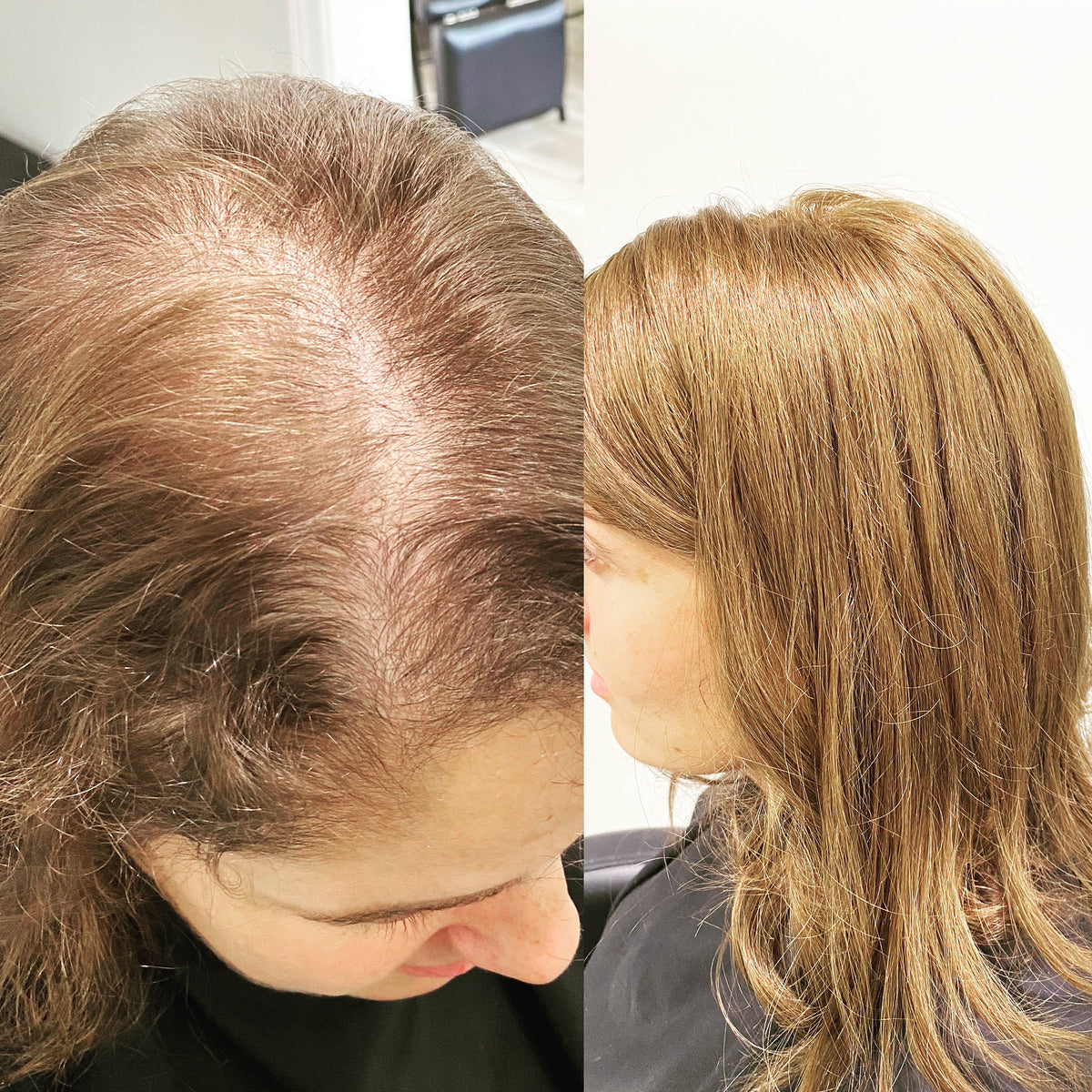
Many clients with fine hair face challenges when extensions are too heavy. A recent example: a lovely young woman with very fine hair visited Noelle Salon after multiple hand-tied wefts began slipping. The installation itself wasn’t necessarily incorrect; the problem was that the extensions were simply too heavy for her delicate strands. Applied two weeks earlier, they were already tugging and pulling out her natural hair as she prepared to leave for vacation in a few hours.
When faced with this dilemma, clients often have two options. I was candid with her and offered two choices: 1) reattach the extensions and hope for the best, or 2) remove them and select a technique designed to blend with fine hair and minimize stress. Even though she had invested a lot into the hair and application, reapplying the same hair extensions would have led to inevitable damage.
Weight distribution can drastically impact hair health. Firstly, the weight distribution was the main culprit—the hand-tied track included five wefts bundled together.
I considered separating and redistributing the wefts throughout her hair, but hand-tied pieces cannot be cut without risking irreversible fraying; one misstep could ruin expensive hair.
The smarter path was to repurpose the same hair into tiny, custom k-tips (keratin tip) hair extensions. I carefully cut and tipped each strand using ICE adhesive. This ICE method is considered a “cold fusion” approach, requiring no heat during application. Because it uses tiny keratin bonds and no direct heat, ICE is gentler for delicate hair and supports a lighter, more seamless finish.
Properly installed, these extensions can be worn safely for up to 4 months and are reusable. With her fine, fragile hair, I advised not to exceed four months to prevent unnecessary tension. Calling out the exact system we use—such as ICE—also shows clients precisely how we protect their hair, which builds trust before, during, and after the service.
I also opted not to use all the original wefts—only what was needed to create an even, undetectable distribution. She was delighted to discover a method that felt light, looked seamless, and could be styled up for her trip. Have you considered how strand size and weight affect comfort and longevity?
The next guest of the day had a different challenge: chemically compromised hair from repeated highlighting. Her roots had grown in darker, while her mid-lengths and ends were brittle and uneven.
Hand-tied or tape extensions would likely have compounded breakage, so we began with color correction—softening her regrowth with an ash brown level 6 and gently painting a low-volume bleach through the mid-shaft for subtle brightness. After processing, we finished with an icy blonde toner to refine the tone.
We then matched individual keratin (fusion) extensions, blending three complementary blonde shades for a natural gradient. Because single-strand extensions move with the hair, they mimicked her hair’s own flow and growth pattern beautifully.
Understanding Hair Extension Types
Choosing the right technique is as important as choosing the right hair. Here are commonly used methods and how they impact the final appearance and hair health:
- Hand-tied wefts: Sewn onto a micro-link beaded foundation near the scalp. Ideal for dense, healthy hair that can comfortably support weft weight and tension. Not recommended for compromised or very fine hair.
- Tape-ins: Pre-taped wefts sandwich small sections of hair. Quick to apply and good for adding volume, but the adhesive can stress delicate strands if the panels are too wide or heavy for the hair type.
- K-tip (keratin tip) or fusion: Small, individualized strands attached near the root area. They distribute weight precisely, move naturally, and are excellent for fine hair when applied in conservative densities.
- Pull-thru (Veila): A bead-supported system with no glue, tape, or sewing, allowing custom sizing and strategic placement. This is especially helpful for fragile hair that needs minimal adhesive contact; we prefer Veila for its consistent, salon-grade quality.
- Clip-ins and temporary hairpieces: Great for occasional wear or special events, offering instant transformation with zero salon commitment when used properly.
Each method has benefits and trade-offs. The best choice depends on hair density, scalp sensitivity, styling habits, and maintenance preferences. Have you identified which method aligns with your hair’s needs, lifestyle, and desired look? For a deeper technical comparison of micro-link versus keratin bond application specifically, see our companion guide: Micro-Link vs. Keratin Bond Extensions: Which Looks More Natural?
The Consequences of Using the Wrong Method
Applying a technique that your hair cannot support can lead to slipping, matting, or breakage. Imagine fragile hair with a heavy weft: daily styling, ponytails, and sleeping can add cumulative tension that weakens the root area. Likewise, aggressive adhesive use on overly processed hair can make removal challenging.
On the other hand, appropriately sized strands, gentle foundations, and tailored weight distribution can create a finish that looks like your own hair—only fuller, longer, and healthier in appearance. If your hair is on the finer side, have you thought about how smaller strands or lighter wefts could make a noticeable difference?
Why Customization Matters
Customization starts with a thorough consultation. At Noelle Salon, we evaluate natural density, scalp condition, styling goals, and color match. We often blend shades for depth and use different lengths to mimic natural movement.
When necessary, we repurpose hair—like converting a heavy weft into finer strands—to achieve a better balance. This kind of precision is also why ICE cold fusion and Veila pull-thru extensions are staples in our toolkit—they allow control over placement, spacing, and weight so the result is secure, comfortable, and virtually undetectable. Sharing these specifics helps clients see our quality standards.
Hand-Tied vs. Pull-Thru for Damaged Hair
Hand-tied extensions anchored to a micro-link grid can look stunning on robust hair. For fragile hair, however, we opt for solutions that reduce tension and adhesive exposure.
Our Veila pull-thru extensions can be custom-cut into smaller segments, distributing weight safely while avoiding glue, tape, or sewing. By supporting the extensions with the client’s own hair in a bead-based design, they provide a more forgiving foundation for hair that needs extra care. Could a lightweight, adhesive-free method be a better match for your current hair health?
Quality of Hair and In-Salon Readiness
Offering multiple methods is only half the equation—quality hair and readily available color options matter just as much. We stock an extensive selection because we supply Veila brand extensions, crafted from fine-quality virgin Remy, one-donor hair. With proper salon visits and at-home care, virgin hair can be reapplied for up to a year, maintaining its luster and movement. Being upfront about brands and sourcing helps clients feel confident in the materials touching their hair.
To set clients up for success, we send each person home with extension-friendly shampoo, conditioner, and leave-in products, plus clear written instructions. Our care recommendations are sulfate-free and formulated for extensions to prolong wear, preserve softness, and keep bonds secure. Explaining why we choose Veila hair and ICE cold-fusion adhesive makes our process transparent and underscores our commitment to quality. A complimentary two-week check-in is mandatory to ensure comfort, integrity, and early adjustments if needed. Would immediate access to the right color, texture, and method help you feel more confident about your install?
Education, Responsibility, and Realistic Expectations
Hair extensions are a luxury enhancement, not a permanent solution for every head of hair. It is the stylist’s responsibility to educate each client on safe wear, realistic density, and maintenance schedules.
Clients also play a crucial role by keeping appointments, reporting concerns early, and protecting their investment with proper products and gentle styling. When both sides commit, the result is a long-lasting, natural look that supports hair health. Are you prepared to maintain your extensions as carefully as you style them?
Extension Care Checklist for Longevity
- Brush gently from ends upward with an extension-safe brush to prevent tension at the attachment.
- Shampoo with extension-friendly formulas; avoid harsh cleansers that can dry hair or weaken bonds.
- Condition mid-lengths to ends; keep conditioners and oils away from bonds and roots.
- Dry thoroughly at the attachment points; avoid sleeping with soaking-wet hair.
- Secure hair in a loose braid or low ponytail before bed to reduce tangling and friction.
- Use heat tools on moderate settings with thermal protectant to maintain shine and integrity.
- Schedule timely maintenance; for fine hair, never exceed the recommended wear time (for example, k-tips up to 4 months).
Which of these habits can you adopt right away to protect both your extensions and your natural hair?
Conclusion: Choose the Right Method, Protect Your Hair
The method you choose directly shapes how natural your extensions appear and how comfortable they feel over time. When technique, placement, and hair quality are matched to your hair type, the result is a seamless, natural look that supports both style and long-term hair health.
If you’re ready to explore the best option for your hair, you can book a free hair extension consultation to get a customized plan tailored to your hair’s condition, lifestyle, and goals.


