Can You Reuse K Tip Extensions? Essential Guide

Can You Reuse K-Tip Extensions? Essential Guide

Reusable KTip Hair Extensions in Hair Rollers·

Keratin bonded hair extensions can be reused, although it is not the most common route because these extensions are typically worn for months at a time and experience normal wear. Since keratin hair extensions are often enjoyed for up to six months, some strands may feel drier and the ends may need trimming before a second application. If the extensions are maintained diligently at home and the hair itself is 100% Remy human hair or another high-quality fiber, they can be candidates for reuse. If you plan to reuse your keratin extensions, tell your stylist in advance; they may recommend keeping a bit more length initially because the bonding area is trimmed back during re-tipping. Shedding occurs during wear, so you may also want to blend in a few new hair extensions to restore your original fullness.

Keep in mind that re-tipped (re-bonded) keratin is generally not quite as strong as factory-applied bonds, so most stylists suggest limiting reuse to a single reapplication for best results and comfort. Have you considered whether one careful reapplication might give you the longevity you want without compromising quality?

Comparing Bond Strength: Is There a Difference Between Reused Fusion Bonds and New K-Tip Extensions?

Yes. Re-tipped bonds typically feel a touch weaker than brand-new, factory-formed K-Tips, and the reused hair may not look as lush as it did on day one. To maintain a full, voluminous finish, stylists often create slightly larger or denser bonds during the re-tipping process, which helps compensate for natural shedding that happens over months of wear. Also expect a subtle reduction in length after trimming the ends and removing worn bond material. Reflective question: does a small trade-off in length and bond strength feel acceptable if it extends the life of hair you love?

Practical Guide: How to Reuse K-Tip Extensions Step-by-Step

Reusing K-Tip extensions works best when you follow a disciplined process. Below is a clear walkthrough, with concise definitions to reduce confusion during removal and re-tipping.

1) Understand what you have: Keratin bonded extensions are single-strand bundles tipped with a keratin-based adhesive. Keratin bonds are small, firm tips made from a keratin protein compound that soften with controlled heat. Proper home maintenance—gentle detangling, careful washing, and mindful heat styling—is essential if you want to reuse the hair. Unlike tape-in hair extensions, which are thin wefts that lie flat and blend easily in wide sections, K-Tips are installed strand by strand for precise placement and a tailored finish.


Book a Hair Extension Consultation

We’ll assess your K-Tip hair quality, bond condition, and determine whether reuse or re-tipping is the best option for your goals. https://noellesalon.com/collections/all/products/a-free-hair-extension-consultation-at-noelle-salon


a picture of flat tip hair extensions

2) Removal with care: The extensions are removed using an alcohol-based removal solution and pliers. A removal solution is a liquid designed to break down the keratin bond so it releases cleanly. The solution is applied to the bond, then gently clamped; the keratin turns powdery and crumbles away, allowing the strand to slide free. Each extension is carefully removed and collected so it can be prepped for reapplication. Reflective question: are you prepared to schedule enough time for a meticulous removal that protects your natural hair?

3) Re-tipping options: There are several methods to re-tip K-Tip hair for reuse, and your stylist will choose based on hair condition, desired feel, and your maintenance preferences.

a) Keratin re-bonds: These are clear keratin tabs or sticks melted onto the top of each extension strand to form a fresh tip. The new tip is then fused to your natural hair using a specialized heating tool and gently rolled to secure a small, neat bond. Hypothetical scenario: imagine you’re refreshing a favorite set of human hair strands that still feel silky; your stylist uses keratin re-bonds to recreate slim, discreet tips that mimic the original look for a second, lighter wear period.

b). Keratin pellets: Pellets are melted in a pot to create liquid keratin. The top of each strand is dipped, forming a new tip tailored to your preferred bond size, then attached to your hair in small sections. Hypothetical scenario: picture a client who lost a bit of density during wear; the stylist opts for pellets to make slightly fuller tips, restoring body while keeping bonds tidy.

c). I.C.E. adhesive: This clear adhesive does not require melting and sets quickly, similar to a strong salon-grade nail adhesive. The technician applies it to the top of the extension strand and rapidly rolls it into the natural hair. Removal requires a specific oil formulated to release this adhesive, and the process can be time-consuming. Hypothetical scenario: a frequent traveler wants fast installation with a firm hold; the stylist chooses I.C.E. adhesive knowing it’s durable, and plans extra time for a careful, oil-assisted removal later.

d) Wax-based glue sticks: A specialized wax-based stick (made for extensions, not craft hot glue) is melted with a glue gun, applied to the tip, and rolled onto the hair. The bond is then polished with a hair extension iron. Note that wax is not keratin and is less robust; avoid oils on the bond, and always dry the attachment area completely after washing. Hypothetical scenario: for a short-term style change before a special event, a client tries wax-based tips knowing they’re lighter-duty and will require gentle handling.

A video on hand-made extensions using curly hair can be helpful for visual learners, but even without a demonstration, following the sequence above will keep the process organized and safe.

As previously mentioned, single-strand K-Tips need excellent care if you intend to reuse them. Schedule salon check-ins, snip away frayed ends as needed, and limit exposure to extreme heat from flat irons or curling wands. Reflective question: have you built a maintenance routine that supports reuse, or would you benefit from a professional tune-up between installations?

Expect the hair to be slightly shorter after trimming and bond refreshing. Some clients decide to remove and start fresh with new hair; others choose re-tipping (also called re-bonding) to make the most of high-quality strands or to stay within a specific budget.

Hair Extensions Background for K-Tip Extensions

At Noelle Salon, we evaluate your natural hair, discuss your styling goals, color match precisely, and plan for a look that fits your routine. We work with human hair extensions such as 100% Remy human hair and Virgin Hair to deliver a seamless blend. Hair extensions can enhance short cuts or deliver dramatic length—whether you want a subtle refresh or up to 24 inches of flowing hair. Our team has extensive experience with methods including tape-in extensions, clip-in hair extensions, keratin-based bonds, and we love the convenience of Pull-thru Veila Hair Extensions for easy care. Styling options range from sleek flat-iron finishes to natural waves and defined curls. If you’re experimenting with your look for a single day, a clip-in ponytail can transform your style instantly. Your natural hair journey and healthy hair growth can be supported with protective styling and consistent maintenance. You can change your hair in one day—reach out to explore the possibilities that align with your lifestyle and vision.

At Noelle Salon, we offer a full spectrum of hair extension methods to match your hair needs, maintenance preferences, and budget. Keratin bonded hair extensions are only one of many tools we use to customize your look. We welcome your questions about the differences between methods—feel free to email noelle@noellesalon.com or start a conversation in the comments. Reflective question: which extension method best aligns with the way you wash, style, and wear your hair day to day?

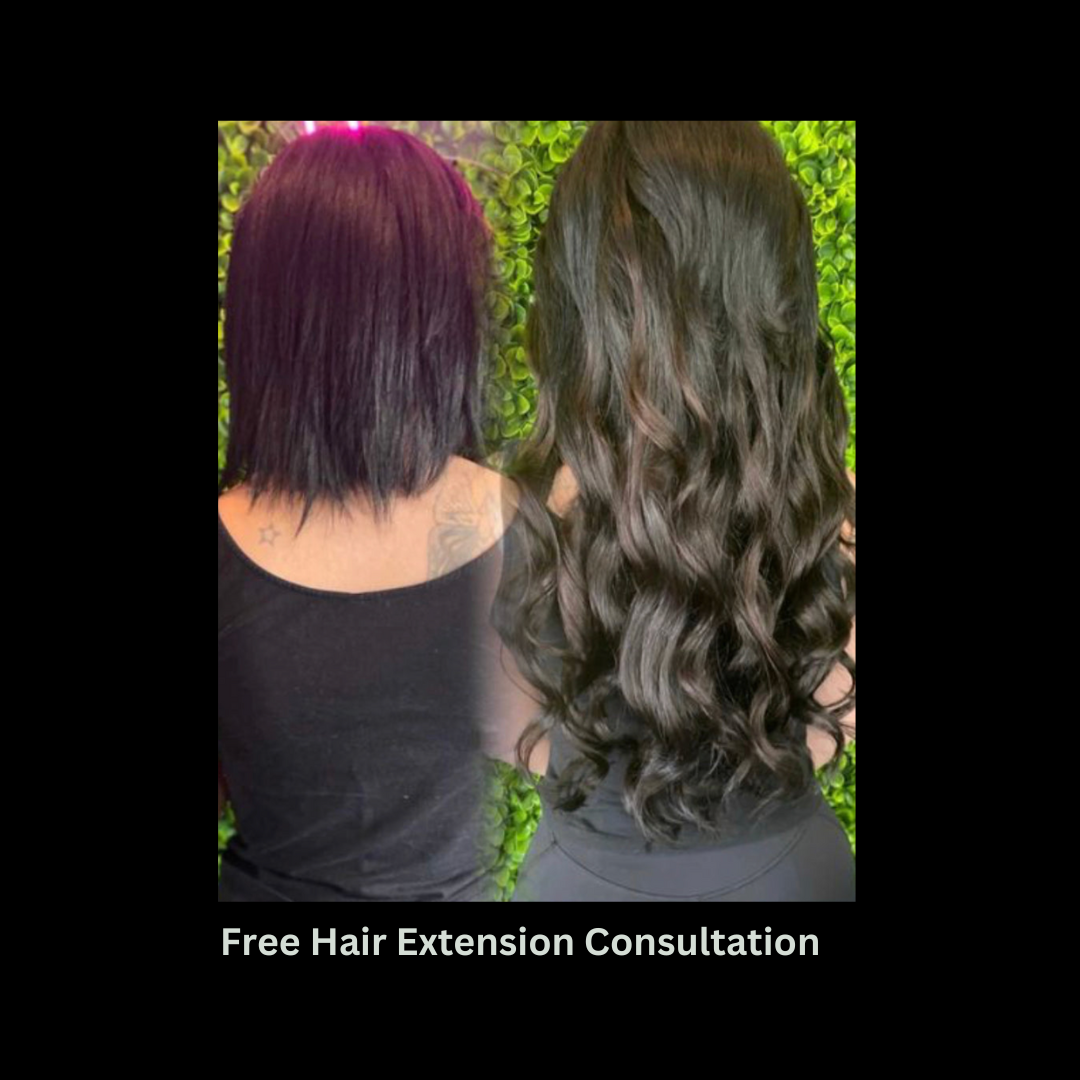
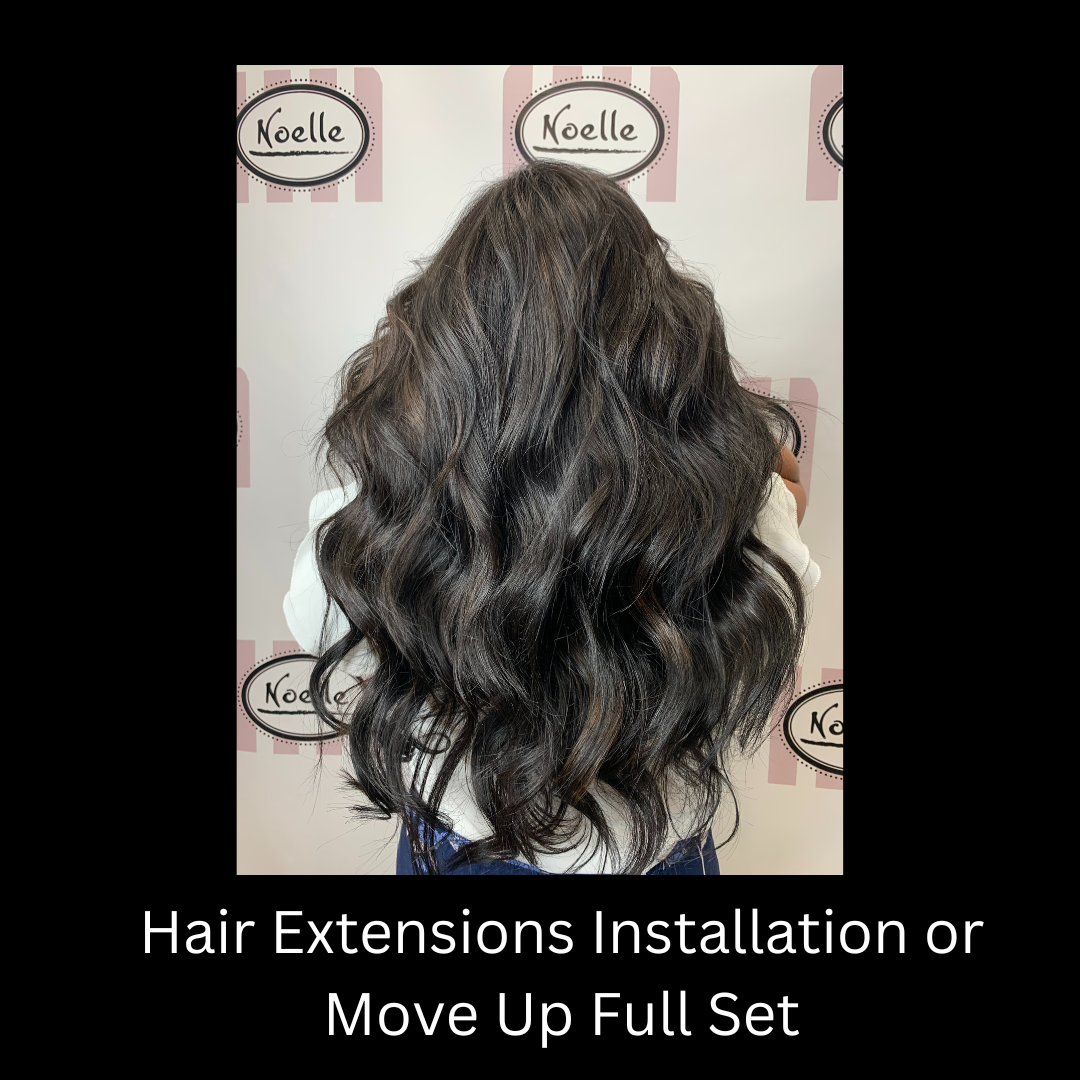
a woman wearing long wavy hair extensions

Understanding K-Tip Extensions: What Are K-Tip Extensions?

K-Tip extensions—also called keratin tip extensions—are beloved for adding refined length and plush volume while maintaining a natural, seamless appearance. These premium strands are made from high-quality human hair and finished with a keratin-based adhesive at the tip. During application, the tip is heated briefly, softened, and pressed into a small section of natural hair, creating an elegant bond that disappears within the hairstyle. The result is a silky, undetectable blend that moves like your own hair. Many extension types exist, but K-Tips stand out for their tailored placement, longevity, and comfortable wear.

K-Tip extensions come in a spectrum of colors and textures, from glossy straight to buoyant waves and airy curls. The keratin bond is formulated to harmonize with the structure of hair, which helps the attachments feel lightweight and natural. With attentive care, K-Tips can look lustrous for months, making them a worthwhile investment in your styling toolkit. Reflective question: are you aiming for a barely-there blend or a glam transformation—and which K-Tip texture would elevate your daily look?

Installation Process: How to Install K-Tip Extensions

Installation is a detailed process best handled by a skilled stylist. It begins with a thorough assessment: your natural hair density, texture, color, and desired result guide how many strands and which shades your stylist selects. The hair is then clarified to remove oils and product buildup so the keratin bonds can adhere properly. After drying, the stylist sections your hair cleanly for precision placement.

Each K-Tip is positioned on a small subsection of hair. The tip is warmed with a professional heat tool, shaped, and rolled to form a neat, compact bond. The process repeats throughout the head until the ideal fullness and length are achieved. Finally, the stylist customizes the cut and blending so the extensions flow seamlessly with your natural layers. Proper placement and sizing of bonds not only enhance the finished look but also influence comfort and longevity. Reflective question: do you prefer micro-fine bonds for maximal discretion, or slightly fuller bonds to boost volume in targeted areas?

Consult With a Professional for K-Tip Extensions

When considering K-Tip extensions, it pays to consult a stylist who specializes in installation and maintenance. During your consultation:

  • Assessment of hair type: A professional evaluates your hair health and density to recommend the right strand count and texture for a soft, believable blend.
  • Color matching: Your stylist may mix multiple shades for dimension, creating a tonal match that mimics natural highlights and depth.
  • Maintenance guidance: You’ll receive tailored tips for washing, detangling, heat styling, and scheduling check-ins to extend wear.

Aligning your style goals with your maintenance routine sets expectations and helps you enjoy a smoother experience from installation to removal. Reflective question: what’s your ideal balance between salon upkeep and at-home care to keep your K-Tips looking pristine?

How to Remove K-Tip Extensions

Safe K-Tip removal is deliberate and gentle. A bond remover (also called a removal solution) is applied to each keratin tip to break down the adhesive. By definition, removal solution is a salon-grade liquid—often alcohol-based—formulated to soften or fracture keratin bonds so they release with minimal force. After applying the solution, the stylist uses specialized pliers to crumble the bond; it turns powdery and slides away from the hair. The extension strand is then eased off without tugging.

Once all strands are out, the scalp and hair are cleansed to whisk away residue. A light treatment or conditioning mask may be suggested to rehydrate lengths after removal. By allowing a professional to handle this step, you reduce the risk of mechanical stress on your natural hair and keep the cuticle smooth. Reflective question: have you set aside enough time with your stylist for a careful removal that preps your strands perfectly for the next style?

Longevity Insights: How Long Do K-Tip Extensions Last?

K-Tip extensions are known for staying power when applied thoughtfully and cared for consistently. Many wearers enjoy them for several months. Longevity depends on the quality of hair used, daily care habits, your heat-styling routine, and how quickly your natural hair grows out.

As your hair grows, bonds travel downward, which can increase visibility and weight on the ends of your natural strands. Regular maintenance appointments protect both the look and your hair health by adjusting placement or refreshing bonds before they drop too far. Quick reference points:

  • Typical wear window: often three to six months, adjusted for your growth rate and care routine.
  • Quality of hair: higher-grade human hair tends to retain softness and shine longer, especially when protected from excessive heat.
  • Maintenance frequency: scheduled check-ins support longevity and keep bonds tidy.
  • Growth rate: faster-growing hair may need earlier refreshes to keep bonds discreet and comfortable.

By following stylist-recommended care and booking timely check-ups, you can preserve a vibrant, natural-looking finish until it’s time for removal or re-tipping. Reflective question: based on your growth pattern and styling habits, which maintenance cadence will keep your K-Tips looking their best?

Are K-Tip Extensions Damaging to Natural Hair?

When installed and maintained properly, K-Tip extensions can be gentle on your natural hair. The keratin bond—applied in small, even sections—spreads weight across multiple strands so there’s less concentrated tension. Problems typically arise from improper application, skipped maintenance, or forceful removal.

Best practices to protect your hair while wearing K-Tips include:

  • Regular professional maintenance: Book periodic appointments for bond checks, tidy-ups, and strategic trims.
  • Gentle cleansing: Use extension-friendly shampoo and conditioner; focus shampoo at the scalp and smooth conditioner through mid-lengths and ends, avoiding bonds.
  • Smart detangling: Detangle daily from ends upward with a soft-bristle brush or extension-safe comb, supporting each section with your hand.
  • Heat moderation: Keep heat tools at conservative settings and avoid applying high heat directly to bonds.
  • Dry bonds thoroughly: After washing, gently blot water from the attachment area and fully dry bonds to maintain their integrity.
  • Sleep protection: Tie hair in a loose braid or ponytail and use a smooth pillowcase to minimize friction.
  • Oil placement: Apply oils or serums mid-length to ends only; keep products off the bonds.

Prioritizing professional application and conscientious aftercare lets you enjoy the benefits of K-Tip extensions without compromising your natural hair. Reflective question: which of the best practices above will you adopt immediately to safeguard your hair and prolong your extensions’ life?

Maintenance Tips for Reusable K-Tip Extensions

To improve the odds of successful reuse, make maintenance a habit. These tips keep bonds neat and hair supple between appointments:

  • Schedule routine check-ins to identify slipping bonds early and adjust as needed.
  • Brush morning and night with an extension-safe brush, lifting sections to reach the roots.
  • Use a gentle, sulfate-free cleanser and a lightweight conditioner, keeping products away from bonds.
  • Limit heavy styling products that can build up at the scalp.
  • Blot excess water after washing and dry the attachment area thoroughly.
  • Keep hot tools away from bonds; style the mid-lengths and ends instead.
  • Sleep with hair braided or loosely secured to prevent tangling.
  • Trim ends as needed to maintain a polished, healthy look over time.
  • Communicate promptly with your stylist if you feel discomfort, tightness, or unusual shedding.

Have you considered which small daily habit—like a quick nighttime brush-through—could make the biggest difference in extending your wear and enabling a successful re-tipping?

Troubleshooting K-Tip Extensions Before Re-Tipping

Before deciding to reuse, evaluate whether your hair quality and bond area are still suitable for another round:

  • Strand condition: Are the lengths still soft, or do they feel overly dry or matted? Excess dryness may reduce satisfaction on a second wear.
  • Shedding level: Is there enough density left to achieve your target volume without adding too many new strands?
  • Color match: Have your natural hair and extensions drifted in tone? A small gloss can restore harmony before reapplication.
  • Bond remnants: Can the remaining adhesive be cleaned off neatly so a fresh tip will sit smoothly?

If most answers are positive, re-tipping is likely a good option; if not, blending in new hair or starting fresh can deliver a more polished result. Reflective question: based on touch and appearance, do your extensions still feel luxe enough to meet your expectations after re-bonding?

Cost and Time Considerations for Reusing K-Tip Extensions

Re-tipping can be budget-friendly compared to buying a full new set, especially when your existing hair remains high quality. However, factor in the time required for meticulous removal, cleaning, re-tipping, and reinstallation. Your stylist can estimate the number of usable strands and any supplemental bundles needed to reach your target density and length. Reflective question: is saving on new hair worth the extra appointment time it may take to refurbish and reapply your existing set?

K-Tip Extensions Do’s and Don’ts for Reusability

Following simple guidelines helps maintain bond integrity and hair softness so reuse stays on the table:

  • Do brush consistently to prevent tangles at the roots.
  • Do dry bonds completely after every wash.
  • Do use heat protectant on mid-lengths and ends.
  • Don’t apply oils, conditioners, or masks near bonds.
  • Don’t tug or scratch at attachment points.
  • Don’t skip maintenance visits—small adjustments avoid bigger issues later.

Reflective question: which “don’t” will you focus on avoiding to protect your bonds day in and day out?

Planning Your Next K-Tip Extensions Application

When it’s time to reapply, discuss your goals with your stylist: do you want the same placement, or would adjustments improve blending around the crown or hairline? Decide whether to preserve more length or refine layers for movement. If density has decreased, you might combine reused strands with a modest amount of fresh hair to recapture fullness. Reflective question: would a subtle shift in placement or layering give you a more effortless blend the second time around?

Conclusion: K-Tip Extensions Installation, Care, and Reusability—What Matters Most

K-Tip extensions deliver a natural-looking, customizable finish when installed by a trained stylist, cared for attentively, and removed with patience. Reuse is possible if hair quality remains high, bonds are removed cleanly, and re-tipping is done with the right method for your needs. Thoughtful maintenance—gentle cleansing, careful detangling, and regular check-ins—extends wear and keeps bonds tidy. If you’re considering a second application, weigh the condition of your strands, the time involved, and whether a small infusion of new hair will enhance volume. With the proper plan, K-Tips can look polished from first application through a smart, single reuse.

We’d love to hear from you: what are your biggest questions or experiences with K-Tip extensions—installation, maintenance, or reuse? Share your thoughts in the comments so others can learn from your journey, too.

Leave a comment

Please note, comments need to be approved before they are published.