

Can You Reuse K-Tip Extensions? Essential Guide
·
Can You Reuse K-Tip Extensions? What to Expect Before Reapplication
Keratin bond (K-tip) extensions are known for their long-lasting, natural-looking results—but can they be reused? The answer is yes, in certain cases, depending on the condition of the hair and how well it has been maintained. Many clients searching for hair extensions Boston options want to maximize the lifespan of their extensions, and understanding when reuse is possible—and when it’s not—helps you make the right decision.
Can K-Tip Extensions Be Reused?
K-tip extensions can be reused once if the hair remains in good condition and the bonds are properly removed and replaced. Because these extensions are typically worn for several months, some dryness, shedding, and length loss should be expected before a second application.
Most stylists recommend limiting reuse to a single reapplication, as re-tipped bonds are not as strong as factory-made tips and the hair will naturally lose some fullness over time.
Practical Guide: How to Reuse K-Tip Extensions Step-by-Step
Reusing K-Tip extensions works best when you follow a disciplined process. Below is a clear walkthrough, with concise definitions to reduce confusion during removal and re-tipping.
1) Understand what you have: Keratin bonded extensions are single-strand bundles tipped with a keratin-based adhesive. Keratin bonds are small, firm tips made from a keratin protein compound that soften with controlled heat. Proper home maintenance—gentle detangling, careful washing, and mindful heat styling—is essential if you want to reuse the hair. Unlike tape-in hair extensions, which are thin wefts that lie flat and blend easily in wide sections, K-Tips are installed strand by strand for precise placement and a tailored finish.
2) Removal with care: The extensions are removed using an alcohol-based removal solution and pliers. A removal solution is a liquid designed to break down the keratin bond so it releases cleanly. The solution is applied to the bond, then gently clamped; the keratin turns powdery and crumbles away, allowing the strand to slide free. Each extension is carefully removed and collected so it can be prepped for reapplication. Reflective question: are you prepared to schedule enough time for a meticulous removal that protects your natural hair?
3) Re-tipping options: There are several methods to re-tip K-Tip hair for reuse, and your stylist will choose based on hair condition, desired feel, and your maintenance preferences.
a) Keratin re-bonds: These are clear keratin tabs or sticks melted onto the top of each extension strand to form a fresh tip. The new tip is then fused to your natural hair using a specialized heating tool and gently rolled to secure a small, neat bond. Hypothetical scenario: imagine you’re refreshing a favorite set of human hair strands that still feel silky; your stylist uses keratin re-bonds to recreate slim, discreet tips that mimic the original look for a second, lighter wear period.
b). Keratin pellets: Pellets are melted in a pot to create liquid keratin. The top of each strand is dipped, forming a new tip tailored to your preferred bond size, then attached to your hair in small sections. Hypothetical scenario: picture a client who lost a bit of density during wear; the stylist opts for pellets to make slightly fuller tips, restoring body while keeping bonds tidy.
c). I.C.E. adhesive: This clear adhesive does not require melting and sets quickly, similar to a strong salon-grade nail adhesive. The technician applies it to the top of the extension strand and rapidly rolls it into the natural hair. Removal requires a specific oil formulated to release this adhesive, and the process can be time-consuming. Hypothetical scenario: a frequent traveler wants fast installation with a firm hold; the stylist chooses I.C.E. adhesive knowing it’s durable, and plans extra time for a careful, oil-assisted removal later.
d) Wax-based glue sticks: A specialized wax-based stick (made for extensions, not craft hot glue) is melted with a glue gun, applied to the tip, and rolled onto the hair. The bond is then polished with a hair extension iron. Note that wax is not keratin and is less robust; avoid oils on the bond, and always dry the attachment area completely after washing. Hypothetical scenario: for a short-term style change before a special event, a client tries wax-based tips knowing they’re lighter-duty and will require gentle handling.
A video on hand-made extensions using curly hair can be helpful for visual learners, but even without a demonstration, following the sequence above will keep the process organized and safe.
As previously mentioned, single-strand K-Tips need excellent care if you intend to reuse them. Schedule salon check-ins, snip away frayed ends as needed, and limit exposure to extreme heat from flat irons or curling wands. Reflective question: have you built a maintenance routine that supports reuse, or would you benefit from a professional tune-up between installations?
Expect the hair to be slightly shorter after trimming and bond refreshing. Some clients decide to remove and start fresh with new hair; others choose re-tipping (also called re-bonding) to make the most of high-quality strands or to stay within a specific budget.
Consult With a Professional for K-Tip Extensions
When considering K-Tip extensions, it pays to consult a stylist who specializes in installation and maintenance. During your consultation:
- Assessment of hair type: A professional evaluates your hair health and density to recommend the right strand count and texture for a soft, believable blend.
- Color matching: Your stylist may mix multiple shades for dimension, creating a tonal match that mimics natural highlights and depth.
- Maintenance guidance: You’ll receive tailored tips for washing, detangling, heat styling, and scheduling check-ins to extend wear.
Longevity Insights: How Long Do K-Tip Extensions Last?
K-Tip extensions are known for staying power when applied thoughtfully and cared for consistently. Many wearers enjoy them for several months. Longevity depends on the quality of hair used, daily care habits, your heat-styling routine, and how quickly your natural hair grows out.
As your hair grows, bonds travel downward, which can increase visibility and weight on the ends of your natural strands. Regular maintenance appointments protect both the look and your hair health by adjusting placement or refreshing bonds before they drop too far. Quick reference points:
- Typical wear window: often three to six months, adjusted for your growth rate and care routine.
- Quality of hair: higher-grade human hair tends to retain softness and shine longer, especially when protected from excessive heat.
- Maintenance frequency: scheduled check-ins support longevity and keep bonds tidy.
- Growth rate: faster-growing hair may need earlier refreshes to keep bonds discreet and comfortable.
By following stylist-recommended care and booking timely check-ups, you can preserve a vibrant, natural-looking finish until it’s time for removal or re-tipping. Reflective question: based on your growth pattern and styling habits, which maintenance cadence will keep your K-Tips looking their best?
Are K-Tip Extensions Damaging to Natural Hair?
When installed and maintained properly, K-Tip extensions can be gentle on your natural hair. The keratin bond—applied in small, even sections—spreads weight across multiple strands so there’s less concentrated tension. Problems typically arise from improper application, skipped maintenance, or forceful removal.
Prioritizing professional application and conscientious aftercare lets you enjoy the benefits of K-Tip extensions without compromising your natural hair. Reflective question: which of the best practices above will you adopt immediately to safeguard your hair and prolong your extensions’ life?
Troubleshooting K-Tip Extensions Before Re-Tipping
Before deciding to reuse, evaluate whether your hair quality and bond area are still suitable for another round:
- Strand condition: Are the lengths still soft, or do they feel overly dry or matted? Excess dryness may reduce satisfaction on a second wear.
- Shedding level: Is there enough density left to achieve your target volume without adding too many new strands?
- Color match: Have your natural hair and extensions drifted in tone? A small gloss can restore harmony before reapplication.
- Bond remnants: Can the remaining adhesive be cleaned off neatly so a fresh tip will sit smoothly?
Cost and Time Considerations for Reusing K-Tip Extensions
Re-tipping can be budget-friendly compared to buying a full new set, especially when your existing hair remains high quality. However, factor in the time required for meticulous removal, cleaning, re-tipping, and reinstallation. Your stylist can estimate the number of usable strands and any supplemental bundles needed to reach your target density and length. Reflective question: is saving on new hair worth the extra appointment time it may take to refurbish and reapply your existing set?
Conclusion: Is Reusing K-Tip Extensions Worth It?
Reusing K-tip extensions can be a smart option when the hair is still soft, strong, and well-maintained—but it’s not always the best choice for achieving a full, long-lasting result. Because the hair experiences natural wear and the bonds are re-created, most clients can expect a slight reduction in density, strength, and length.
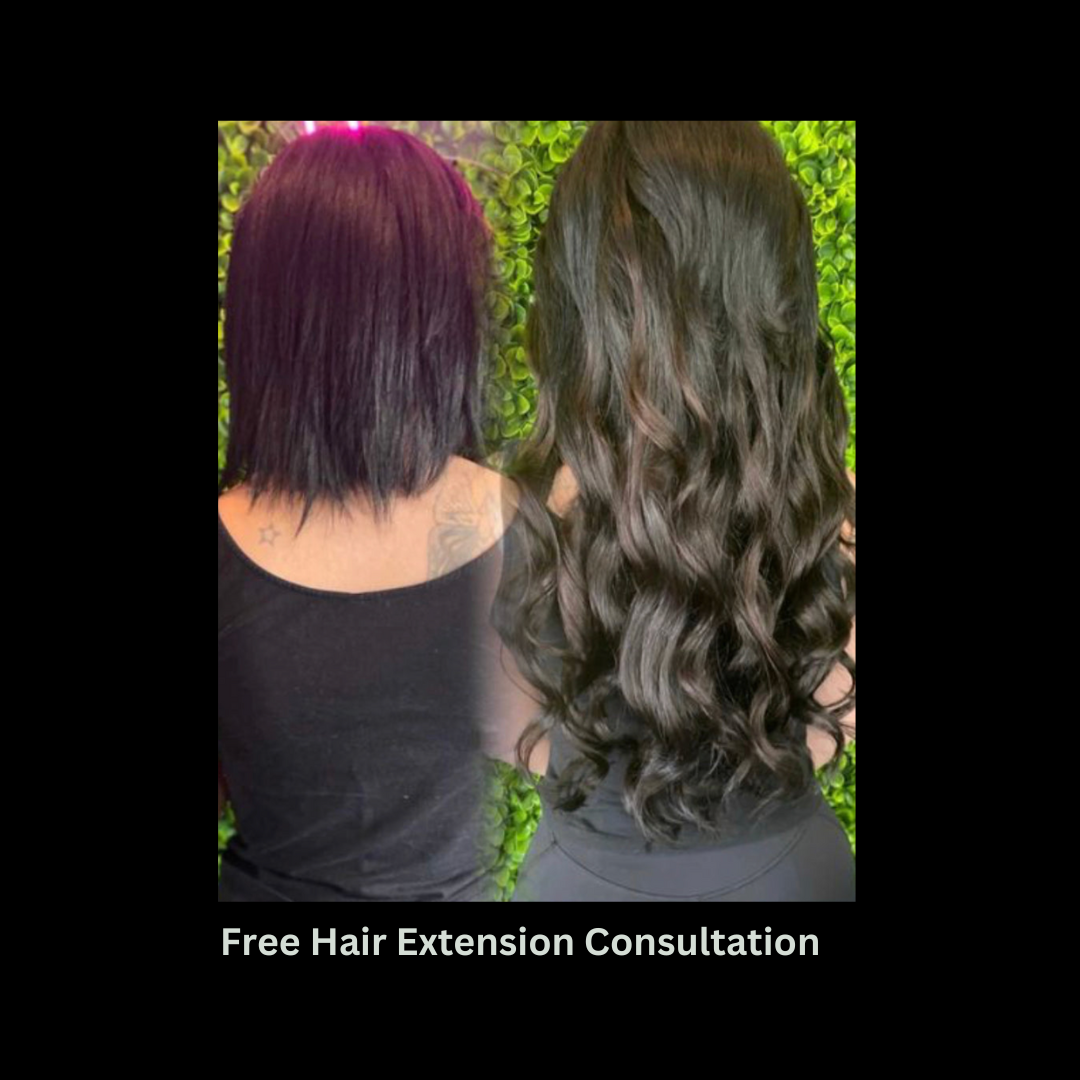
For hair extensions Boston clients trust for long-term results and expert guidance, the best approach is a personalized plan that balances reuse with new hair when needed. Book a free hair extensions consultation to evaluate your extensions, determine if reuse is a good option, and create a strategy that keeps your hair looking full, natural, and healthy.


