

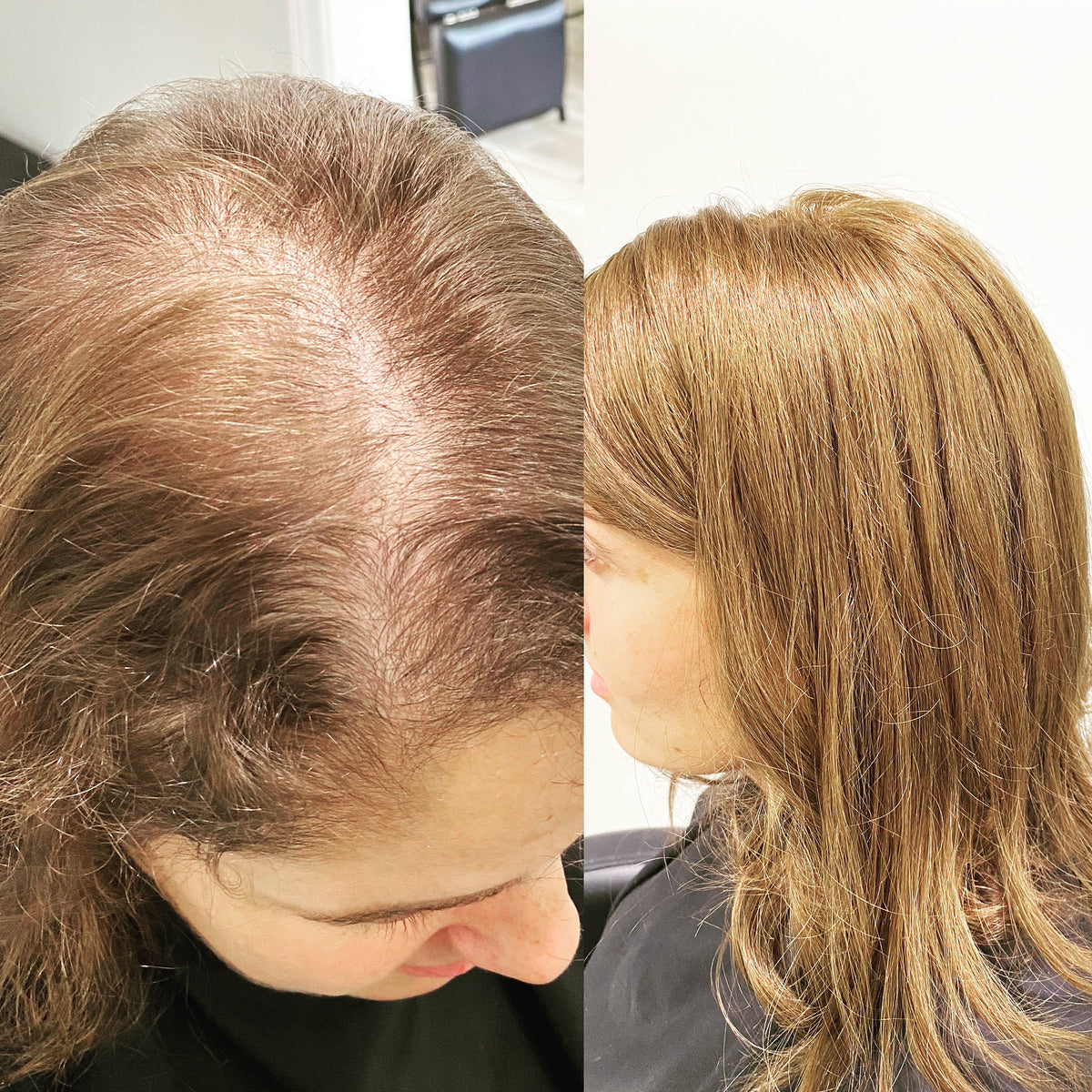


What Are the Best Hair Extension Techniques for Thin Hair?
Living with thin or thinning hair can feel exhausting, especially when you want more volume but worry that hair extensions might cause more harm than good.
For clients searching for hair extensions Boston, concerns about visible bonds, discomfort, or further thinning are very real—and choosing the wrong method can make those problems worse over time.
The key is understanding which extension techniques are designed to support fine hair and which ones place too much stress on already delicate strands.
Why Do Hair Extension Techniques Matter for Thin Hair?
If you have thin hair, you may already know what can go wrong with extensions. Breakage that shows up weeks after removal. Soreness at the roots that never quite settles. Bonds that become visible at the crown, no matter how carefully you style. For many people, the damage does not happen overnight. It builds quietly until the hair feels weaker than before.
That is why thin hair needs a gentler, more deliberate approach to extensions. When methods are too heavy or attachments too aggressive, they can pull at the root and accelerate thinning rather than improve volume. The goal is not to push hair past its limits, but to work within them.
With the right technique, hair extensions can still add fullness without constant discomfort or long-term damage. Safe options do exist, and choosing carefully makes all the difference.
What Are the Different Types of Hair Extension Techniques Available Today?

Hair extension techniques vary widely in how they attach, how much tension they place on the root, and how they behave over time on fine strands. For thin hair, not every method deserves equal consideration. Some techniques are designed to protect fragile hair, while others quietly increase the risk of breakage or accelerated thinning.
This section walks through extension techniques in a deliberate order, starting with the lowest impact options and clearly identifying which methods deserve caution or are usually best avoided for thin hair.
1) No Attachment Techniques (Halo, Temporary)

Best for: Fragile hair, thinning crowns, zero tolerance for tension
Halo and other no-attachment extensions sit on the head using an invisible wire rather than bonding, clipping, or sewing into natural hair. Because nothing is anchored to your strands, there is no pulling at the root and no ongoing stress on weak areas.
For people dealing with crown thinning or diffuse hair loss, no attachment systems often feel like relief rather than compromise. When coverage is needed beyond occasional wear, mesh-based toppers provide longer-term support without placing direct tension on natural hair. Ongoing care matters, which is why professional hair topper maintenance is essential to keep the system balanced, comfortable, and gentle over time.
2) Low Tension Techniques (Tape In, Lightweight Clip In)

Best for: Fine hair that can support light, evenly distributed weight
Use with caution: Requires careful placement and limited density
Lightweight clip-in extensions can work for thin hair when placement is thoughtful, and wear is occasional. Most problems come from attaching clips too close to fragile areas or using sets that are too heavy. Learning how to install clip in hair extensions properly helps reduce strain, prevent soreness, and avoid breakage caused by poor positioning.
These methods are best treated as flexible styling tools rather than everyday solutions.
3) Medium Commitment Techniques (Micro Bead, Hand Tied)

Best for: Thin hair with enough density for structured support
Use with caution: Requires expert sizing, spacing, and monitoring
Micro bead extensions avoid heat and glue, but they still rely on anchor points that must be carefully customised for thin hair. When beads are correctly sized and evenly spaced, they can support volume without excessive tension. This is why micro hair extensions for hair loss are often recommended only when applied conservatively by experienced specialists.
Hand-tied extensions require even more discretion. Although the wefts themselves are lightweight, thin hair must be able to support a row comfortably. Conservative placement and tension control are critical.
4) High Risk Techniques for Thin Hair (Fusion, Sew In, Traditional Wefts)

Usually not recommended: High tension and long-term stress risk
Fusion, sew-in, and traditional weft techniques are not the first choice options for thin hair. These methods depend on strong anchor strands and sustained tension, which fine hair often cannot tolerate safely.
Keratin-bonded extensions should only be considered in very selective cases. Even a professionally applied keratin bonded full set requires minimal bond size, conservative placement, and realistic expectations to avoid damage.
Similarly, modified sew-in approaches may reduce some strain, but tension remains a concern.
Thin hair readers should feel confident avoiding these techniques altogether. Skipping them is a protective decision.
5) Specialized Solutions (Mesh Integration, Net-Based Systems)

Best for: Thinning crowns, diffuse hair loss, long-term wear without tension
Mesh integration systems use a breathable net foundation so hair is supported without being pulled directly from weak strands. This makes them one of the most protective options for advanced thinning or sensitive scalps.
Consistent upkeep is essential for comfort and longevity. Professional hair topper maintenance helps maintain even weight distribution, secure fit, and scalp comfort as hair density changes.
Each hair extension technique comes with trade-offs, but thin hair does not need to try everything to find what works. Starting with low-impact options and avoiding high-risk methods is not limiting. It is how you preserve hair health while still enjoying volume, comfort, and confidence.
How Can You Maintain Hair Extensions Without Damaging Thin Hair?

Maintaining hair extensions on thin hair is less about perfection and more about protection. Fine strands react quickly to tension, heat, and buildup, which means small habits can quietly determine whether hair holds up or starts to feel worse over time. A consistent, low-stress routine helps prevent damage before it becomes visible.
Below are the care practices that help thin hair and extensions work together instead of against each other.
1) Daily Habits That Protect Thin Hair With Extensions
If ignored: Daily friction and pulling slowly weaken hair, even when extensions seem fine at first.
How you handle your hair each day matters more than most people realise. Rushing through styling, brushing without support, or tying hair back too tightly creates repeated stress at the root. Slower movements, looser styles, and lightweight, extension-safe products help reduce strain and keep hair feeling comfortable rather than sore.
2) Washing Routines That Prevent Breakage and Slipping
If ignored: Overwashing or rough cleansing can loosen attachments and weaken fragile strands.
Thin hair benefits from controlled, focused washing. Cleanse the scalp carefully with sulfate-free shampoo and allow suds to rinse through the lengths without scrubbing near attachment points. Conditioning keeps hair smooth and manageable, which reduces tangling without adding weight that pulls on fine strands.
3) Brushing Techniques That Reduce Tension and Shedding
If ignored: Tangles tighten, matting forms, and breakage increases around attachment areas.
Thin hair knots easily, especially with extensions. Detangle slowly using a soft bristle or loop brush, starting at the ends and working upward. Supporting the hair near attachment points prevents unnecessary pulling and helps avoid stress-related shedding.
4) Heat Styling Choices That Preserve Thin Hair Strength
If ignored: Heat weakens fine strands and shortens the lifespan of extensions.
Frequent high heat makes thin hair more vulnerable over time. Use the lowest effective temperature, apply a heat protectant before styling, and keep tools away from bonds, tapes, or beads. Reducing heat exposure helps hair retain flexibility and keeps attachments secure.
5) Nighttime Habits That Prevent Friction Damage
If ignored: Overnight tangling and friction can undo an entire day of careful styling.
Sleeping with loose hair increases rubbing and knotting. Securing hair in a loose braid or low ponytail limits movement, while silk or satin pillowcases reduce friction. These small adjustments protect hair overnight and make mornings easier to manage.
6) Scalp Care That Keeps Thin Hair Comfortable
If ignored: Ongoing soreness can turn into inflammation or accelerated thinning.
Thin hair often signals discomfort early. Tight styles, constant tension, or brushing too aggressively can irritate the scalp. Paying attention to soreness, pressure, or pulling helps prevent longer-term stress and keeps wear comfortable.
7) Maintenance Timing That Prevents Long-Term Damage
If ignored: Shifting extensions create uneven tension that strains weak areas.
As natural hair grows, extensions move with it. Without regular adjustments, weight distribution changes, and stress concentrates where hair is least able to support it. Staying on top of maintenance helps preserve balance, comfort, and a natural look.
8) Early Warning Signs You Should Not Push Through
If ignored: Small issues can turn into visible damage or hair loss.
Excess shedding, slipping extensions, scalp tenderness, or visible attachment points are early signals. Thin hair does not tolerate prolonged stress well, and addressing issues early is what prevents lasting damage.
With the right routine, hair extensions do not have to feel like a risk for thin hair. When habits are intentional, maintenance is consistent, and warning signs are respected, extensions can feel supportive rather than stressful. The goal is not just fuller hair now, but hair that still feels healthy, comfortable, and secure over time.
Which Hair Extension Types Should You Avoid or Think Twice About for Thin Hair?

Not all hair extensions are suitable for thin hair, even when they are popular or widely advertised. Some methods place repeated stress on fine strands in ways that only become obvious weeks or months later. Knowing which options to avoid or reserve for very specific situations helps prevent damage before it becomes hard to reverse.
Here are hair extension types that thin hair wearers should avoid or approach with clear boundaries.
1) Heavy Sew-In Extensions
Generally not recommended for thin hair:
Heavy sew-in extensions rely on tight braids or dense anchor rows to hold weight. Thin hair often cannot support this structure for long periods.
What people notice over time:
Persistent soreness along the braid line, followed by thinning around the anchors once the extensions are removed. In some cases, hair does not fully recover in those areas.
2) Thick Fusion Bond Extensions
Only suitable with expert customization:
Fusion extensions with large or bulky keratin bonds can overwhelm fine strands. While fusion itself is not always the issue, bond size and weight often are.
What people notice over time:
Ongoing shedding during wear and increased breakage after removal, especially around the crown or hairline, where thin hair is most vulnerable.
3) Oversized Micro Beads
Only suitable with expert customization:
Micro bead extensions depend entirely on correct bead size and spacing. When beads are too large or too heavy, tension concentrates in small areas.
What people notice over time:
Soreness that lasts for days after installation and visible thinning around bead points, even if the extensions look fine initially.
4) Poorly Placed Tape-In Extensions
Best avoided for daily or long-term wear when placement is rushed:
Tape-ins can be thin hair-friendly, but only when spacing and sectioning are precise. Poor placement changes how hair moves and bears weight.
What people notice over time:
Visible tape edges near the scalp, restricted movement, and gradual thinning where tapes overlap or pull against each other.
5) High Tension Hand Tied Rows
Generally not recommended for very fine or low-density hair:
Hand-tied extensions depend on beaded rows that must support wefts evenly. Thin hair often lacks the density needed to distribute this load safely.
What people notice over time:
Constant tightness, scalp tenderness, and shedding along the row, especially during brushing or removal.
6) Clip-In Extensions Used Daily
Best avoided for daily or long-term wear:
Clip-ins are designed for temporary volume, not repeated use in the same areas. Thin hair does not tolerate repeated pressure well.
What people notice over time:
Breakage around clip points and thinning that becomes noticeable when extensions are removed, even if the hair looked fine while wearing them.
7) Low Quality Synthetic Extensions
Generally not recommended for thin hair:
Synthetic hair is often heavier and less flexible than human hair. It tangles more easily and requires stronger pulling during styling.
Conclusion: Choosing the Right Extension Technique for Thin Hair
Choosing the right hair extension technique for thin hair is less about following trends and more about protecting your natural hair while creating a balanced, natural-looking result.
Lightweight methods, proper placement, and ongoing maintenance make the difference between extensions that feel supportive and ones that create long-term stress or damage.
If you’re considering hair extensions Boston and want to find a method that works safely with your hair type, a personalized approach is essential.
Looking for more options? Explore the full range of hair extensions in Boston at Noelle Salon.
👉 Book a free hair extensions consultation to determine the safest and most effective technique for your hair.


