

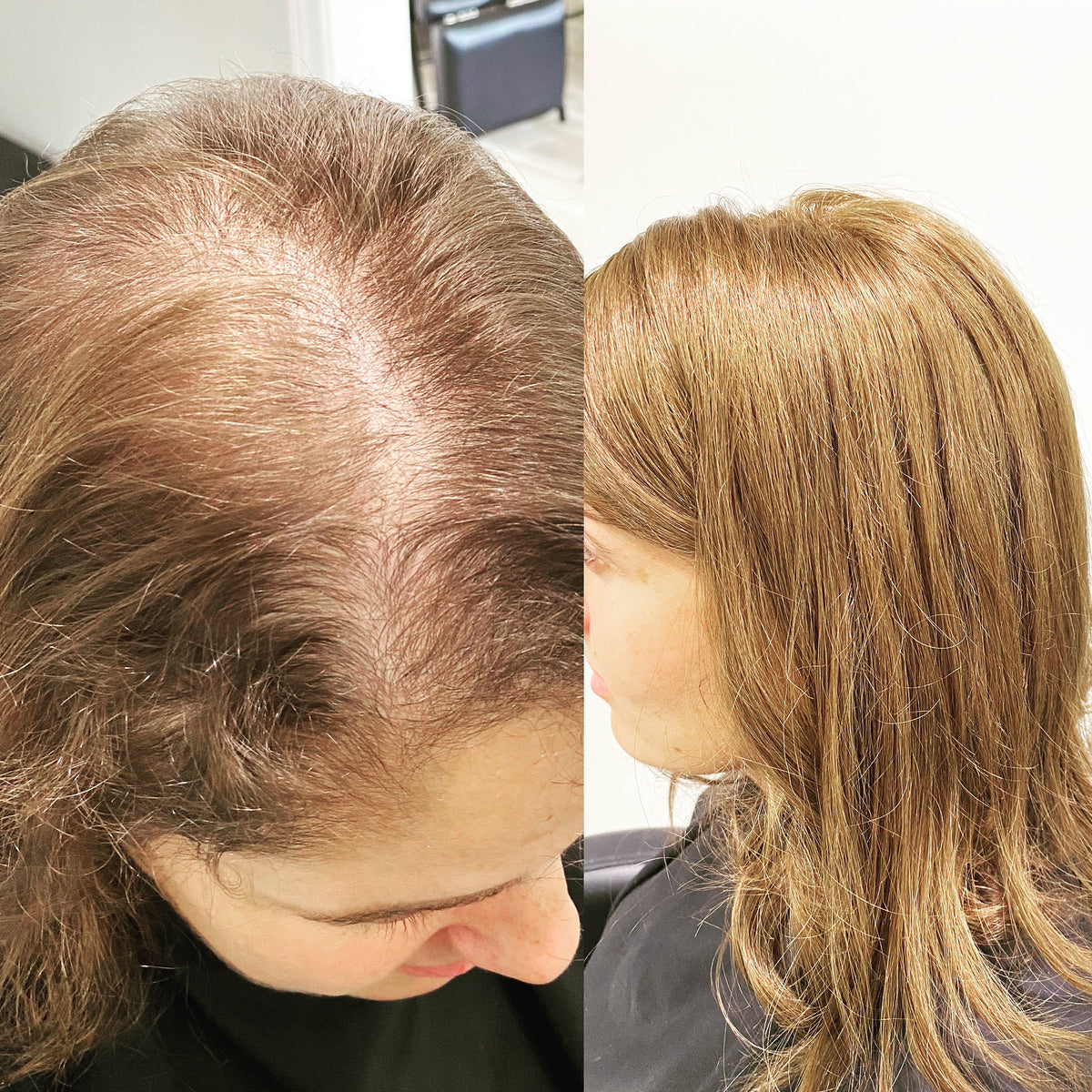


Trichotillomania is a complex hair-pulling condition that affects both children and adults, and as a specialist in trichotillomania Boston, we’ve worked with hundreds of clients navigating this behavior. Now classified as a Body-Focused Repetitive Behavior (BFRB), trichotillomania is often linked to obsessive-compulsive tendencies and emotional regulation. Individuals experiencing this condition often describe a strong urge to pull a specific hair—typically one with a certain texture or root—because it provides a sense of relief, satisfaction, or control. Simply telling someone to stop pulling is not only ineffective, but can increase frustration and worsen the behavior, which is why a more supportive and strategic approach is necessary.
Why Hair Pulling Happens
Hair pulling is often triggered by stress, anxiety, boredom, or the need for sensory satisfaction. For many, it becomes an unconscious habit that is difficult to interrupt without awareness. Understanding that this behavior is not about self-harm but about coping is key to addressing it properly. A successful approach focuses on bridging the gap between the impulse and the action, helping individuals recognize triggers while offering alternative forms of relief.
How Hair Toppers Help Reduce Hair Pulling
One of the most effective tools we’ve found in managing trichotillomania is the use of customized human hair toppers. These are designed to replicate natural hair and are attached without shaving, gluing, or damaging the existing hair. Instead, we use a secure beaded matrix method that allows the topper to stay in place comfortably. The topper acts as a physical and psychological barrier, helping the individual become more aware of their behavior and interrupt the pulling cycle. In our experience, this method has led to a high success rate in supporting hair regrowth when combined with other supportive strategies such as therapy, stress management, and behavioral awareness.
Supporting Hair Regrowth and Confidence
While hair toppers are not a cure, they play a powerful role in both regrowth and confidence. Many clients who have struggled with visible hair loss for years are able to see immediate transformation, which can be incredibly motivating. Over time, as pulling decreases and hair is allowed to grow, clients often experience significant regrowth. The emotional impact of being able to wear your hair down again or feel “normal” cannot be overstated. We’ve seen clients who haven’t worn their natural hair in decades regain that confidence, which reinforces positive progress.
Limitations and Realistic Expectations
It’s important to understand that while hair toppers are highly effective, they are not foolproof. Some individuals may shift their pulling to other areas not covered by the topper. However, protecting key areas—especially the top of the head—is crucial since those areas are the most visible and impactful for overall appearance. Other areas can often be addressed later with additional solutions such as extensions or integration methods. The goal is progress, not perfection, and every step toward reduced pulling and regrowth matters.
Customization and Natural Results
Hair toppers are fully customizable, allowing us to match color, density, length, and style to each client’s natural hair. Because they are made with human hair, they can be cut, colored, and styled just like your own hair. This allows for modern styles, seamless blending, and a completely natural look. Unlike wigs, toppers are designed for partial hair loss, meaning they work with your existing hair rather than replacing it entirely. This makes them ideal for clients with localized hair loss due to trichotillomania.
A Non-Damaging Approach to Hair Restoration
One of the most important factors in treating trichotillomania-related hair loss is avoiding damage to the scalp and hair follicles. Methods that involve shaving or gluing directly to the scalp can interfere with regrowth and defeat the purpose of recovery. Our approach is always focused on protecting natural hair while creating a solution that is secure, comfortable, and sustainable. Ongoing maintenance is part of the process, as the hair grows and the system is adjusted to ensure continued comfort and effectiveness.
Understanding Trichotillomania vs Other Hair Loss Conditions
Trichotillomania differs from other forms of hair loss such as alopecia areata, fungal infections, or female pattern thinning because the hair loss is caused by physical removal rather than internal or medical factors. This distinction is critical, as it requires a different approach—one that addresses both behavior and appearance. By combining supportive hair solutions with behavioral awareness, clients are given the opportunity to break the cycle and allow natural hair growth to return.
Conclusion
Managing trichotillomania requires a compassionate, multi-faceted approach that supports both emotional well-being and physical hair regrowth. Hair toppers have proven to be one of the most effective tools in helping individuals reduce pulling behavior by creating awareness, protecting the scalp, and restoring confidence. When combined with other supportive strategies, they offer a powerful starting point toward recovery. At Noelle Salon, we are committed to helping clients navigate this journey with personalized solutions and expert care for trichotillomania Boston. If you or someone you love is struggling with hair pulling, book a free trichotillomania consultation and take the first step toward regaining control, confidence, and healthy hair growth.


