



Helping Kids with Trichotillomania: A Guide for Parents

When your child starts pulling their hair, it can feel overwhelming, confusing, and deeply emotional. Many parents describe the moment they realize what’s happening as a mix of fear, heartbreak, and urgent questions—Why is this happening? How do I help? Am I missing something?
Trichotillomania Boston in children is more common than many people realize, yet it’s often misunderstood. What may look like a simple habit is actually a complex, body-focused repetitive behavior tied to emotions, sensory needs, and coping patterns. For a child, the urge to pull can feel automatic—and for a parent, knowing how to respond can feel anything but clear.
This guide is here to help you make sense of it. Whether your child has just started pulling or has been struggling for some time, you’ll find practical insight, emotional support, and real-world strategies to help you respond with confidence, compassion, and clarity.
You’re not alone in this—and with the right approach, your child can be supported in a way that protects both their well-being and their confidence.
At Noelle Salon, we support families navigating trichotillomania hair salon Boston concerns through compassionate consultations, scalp-conscious hair systems, and long-term support designed specifically for children and teens.
A mother’s heartbreak and a child’s courage

For a long time, the family felt isolated. They finally connected with a therapist who explained what was happening, giving a name to the behavior—trichotillomania—and offering initial guidance. Understanding brought relief, but the urge to pull did not vanish overnight. The reality is that access to specialists can be limited for Body Focused Repetitive Behaviors, often abbreviated as BFRBs, which meant the family had to wait for more comprehensive care. They are now on a waiting list at MGH Hospital's Center For OCD and Other Related Disorders, and in the meantime, they looked for practical, compassionate support to help their daughter feel more comfortable in daily life. That search led them to our salon for a hairstyle solution that could support healing while restoring a sense of normalcy.
What trichotillomania and BFRBs really mean
Trichotillomania is a type of BFRB—a group of conditions in which a person repeatedly engages in grooming behaviors that can cause physical harm or hair and skin changes. BFRBs include hair pulling, nail-biting, and skin picking. These behaviors are not simply habits a child can “just stop” with willpower; they’re driven by strong urges that can be soothing in the moment and hard to resist, especially under stress, boredom, or heightened emotions. Children with trichotillomania may feel embarrassed, worried about being seen, or anxious about questions, which is why understanding and judgment-free support from family, educators, and peers is so important.
Finding help and taking first steps
With a therapist providing foundational insight and the family awaiting specialized care, they sought a practical intervention that could protect growing hair and reduce visibility of bald patches. When they arrived at our salon, we immediately saw a thoughtful, self-aware, and spirited child. “I’m just different,” she said with conviction. We gently reminded her that while everyone has differences, she is far from alone—many children and teens live with trichotillomania, and with the right support, they can thrive.
A confidence-boosting salon experience
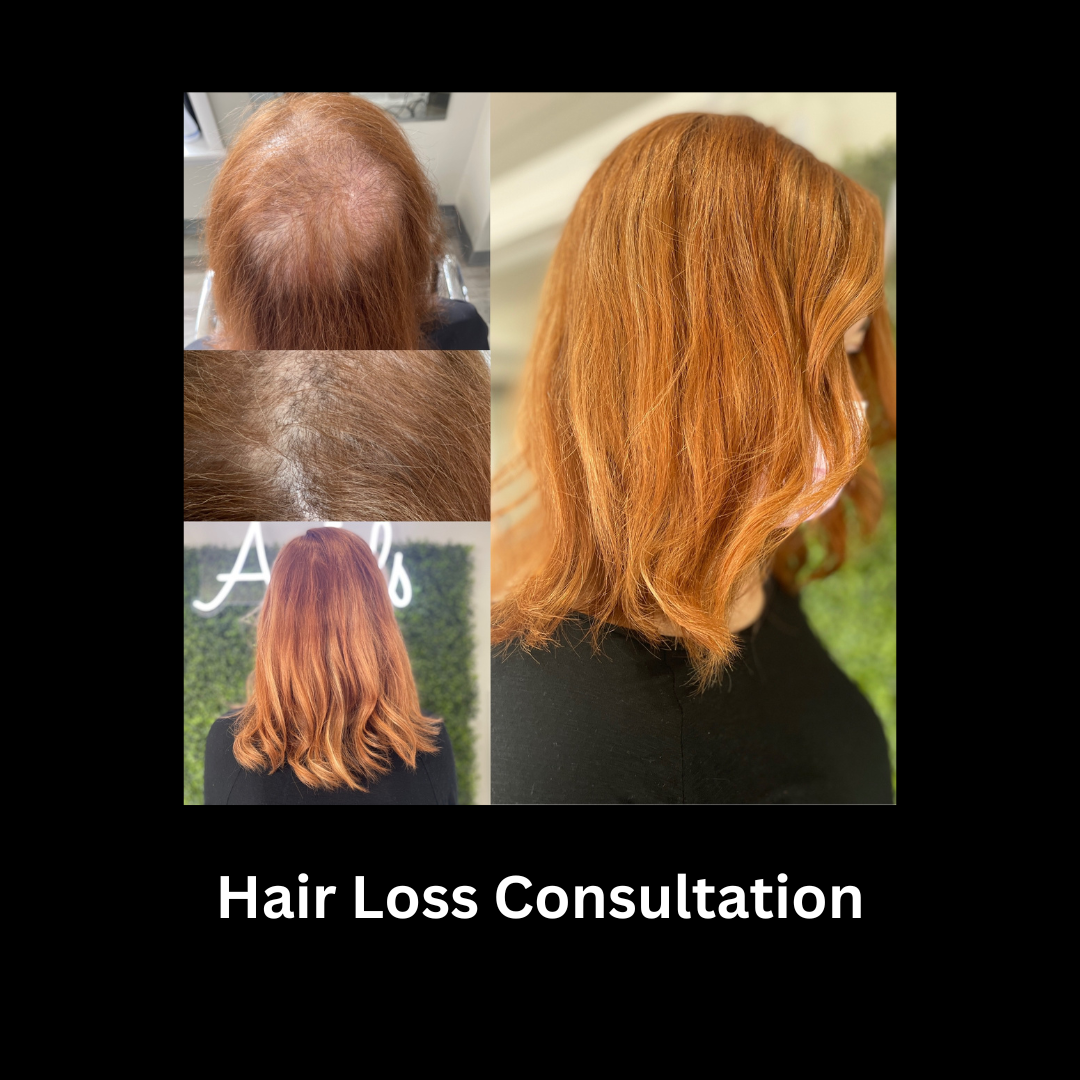
Her mother asked if we could fit a lightweight hair topper to cover areas she could no longer conceal, even with her creative use of clips and barrettes. Diane selected a small topper and applied our exclusive beaded matrix attachment method across the top of the head, carefully integrating the piece without shaving, gluing, or compromising the child’s natural hair. The goal was simple and clear: create a gentle barrier, encourage healthy regrowth, and help her feel more at ease at school and in social settings.
Customization, comfort, and a gentle return to school
We custom-blended the color to harmonize seamlessly with her own hair. A full wig would have felt too heavy and less natural for active, everyday wear. When she saw the mirror, her face lit up—she was delighted to see herself with hair that felt like hers. She asked to keep it long, and we affirmed that she could return for adjustments at any time. In fact, she and her mom came back the next day to trim a few inches from the topper for easier styling. We suggested her mom continue placing barrettes as usual, so her look felt familiar and didn’t draw extra attention. Diane also encouraged her to inform teachers that she wears a hairpiece so they could provide quiet, thoughtful support. Back at school, a few children asked about her hair, but most focused on her pretty color—and she handled it beautifully.
Progress takes time—and support
The transformation in her confidence was immediate, and her mother felt hopeful, even if concern naturally lingered. We emphasized that, with consistent care, her own hair can—and does—grow beneath the topper. As months go by, many children see meaningful regrowth, but the journey rarely ends with a single change. Trichotillomania often requires a combination of approaches, including therapy, environmental adjustments, and coping strategies that reduce triggers and offer new ways to manage urges.
Maintenance and long-term care
Human-hair toppers require periodic maintenance to stay comfortable and secure. Our clients typically return monthly for removal, gentle care for both the topper and natural hair, and reapplication. We have used this system for two decades, and many clients eventually no longer need it. Some who once coped with active trichotillomania now visit us only for color and cuts—milestones that remind us how resilient people can be. We’ve also seen what happens when two clients living with trichotillomania meet in the salon: they exchange stories, trade small victories, and often leave with brighter smiles.
Practical steps parents can take
- Lead with empathy. Validate feelings and avoid blame or shame. Remind your child they are not alone.
- Learn together. Read age-appropriate explanations of trichotillomania and BFRBs to normalize the conversation.
- Collaborate with school. Quietly inform teachers or counselors about the hairpiece and needs for discretion and support.
- Reduce triggers. Create calming routines, offer fidgets, and plan structured downtime to help manage stress.
- Track patterns. Note when urges increase—time of day, settings, emotions—to inform therapeutic strategies.
- Use gentle barriers. Toppers, hats at home, or strategic hairstyles can protect areas while hair regrows.
- Celebrate small wins. Praise moments of coping, not just days without pulling.
- Stay connected to care. Keep appointments and follow guidance from therapists experienced with BFRBs.
A day in the life: one child’s hypothetical routine
Imagine a typical school day for a child with trichotillomania. Morning starts with a calm breakfast and a favorite song as she styles her topper and places a couple of cheerful barrettes. On the bus, she squeezes a soft fidget when she feels the urge to reach for her hair. In class, a teacher who knows her plan offers a quiet thumbs-up after a tough quiz. At recess, she joins a friend who understands she sometimes needs a quick breather. After school, she heads to therapy where she practices new coping skills, then relaxes at home with a book and a cozy blanket. Before bed, she and her mom talk about what felt hard and what went well. The day is not perfect, but it is full of small choices that build resilience.
Have you seen strategies that help kids cope?
What approaches have you noticed that make a difference for children with trichotillomania—at home, at school, or during hobbies? Many families find that a mix of practical tools and emotional support works best, and sharing those ideas can help others discover what fits their child’s needs.
Further reflections from our chair
Over the years, we’ve seen clients move from active trichotillomania into periods of remission—eventually returning to the salon for routine services like color and trims. That kind of progress doesn’t happen overnight, but it happens more often than people expect.
Throughout that journey, consistent care plays an important role. For clients using hair systems, we focus on maintaining both the health of their natural hair and the integrity of the system, adjusting as their needs change over time.
Every story is different, but the pattern is familiar: with the right support, structure, and understanding, progress becomes possible. And just as importantly, having a sense of community—whether through family, professionals, or shared experiences—can make the process feel far less isolating.
If you’re navigating this yourself or supporting someone who is, having the right guidance can make a meaningful difference.
👉 Book your free trichotillomania consultation to explore supportive, personalized options at your own pace.


