

Effective Strategies to Overcome Trichotillomania
If you live with trichotillomania Boston, you know how overwhelming the cycle of hair pulling can feel. It can affect confidence, reshape daily routines, and chip away at self-esteem. The hopeful news is that many people successfully reduce or stop pulling through proven, practical methods. In this guide, you’ll find clear strategies to help you stop hair pulling, from behavioral techniques and habit-replacement tools to ways to protect your hair while regrowth occurs. These insights are designed to help you regain control with compassion and consistency, so you can move toward lasting change at your own pace.
Understanding the Triggers of Trichotillomania
Trichotillomania can develop through a blend of genetic, neurological, psychological, and environmental influences. Some people have a biological predisposition that affects impulse control, while others notice pulling begins during periods of intense stress or emotional upheaval. Differences in brain chemistry, trauma history, and learned coping responses may also play a role. For many, hair pulling functions as a temporary way to manage difficult feelings such as anxiety, overwhelm, boredom, frustration, or restlessness, eventually becoming an automatic habit loop that’s hard to interrupt.
Emotional triggers often show up in everyday life. Common examples include work or school deadlines, social anxiety before or after an event, transitions such as moving or changing jobs, and fatigue that lowers resilience. Some people notice pulling when studying, watching TV, reading, or scrolling on a phone. Others find texture-based triggers—like feeling a coarse strand, a kinked hair, or a split end—spark the urge. Environmental contexts matter, too: mirrors, bright bathroom lighting, or a favorite chair can cue the behavior simply because the brain has learned to expect relief in those places. Noticing when and where pulling happens can be the first step toward change.
Next Steps if You Still Struggle with Trichotillomania
If you’re still struggling after trying different approaches, remember that recovery from trichotillomania is a process, not a pass/fail test. Setbacks can happen, and they don’t erase your progress. Reassess what’s helping and what’s not, and consider adjusting your plan. Seeking guidance from a clinician who understands body-focused repetitive behaviors (BFRBs) can be invaluable. Many people benefit from Cognitive Behavioral Therapy (CBT) and Habit Reversal Training (HRT), which are structured, skills-based methods shown to help reduce pulling behaviors.
CBT focuses on the connection between thoughts, emotions, and behaviors. In practice, that can mean learning to spot negative or unhelpful thoughts (“I’ll never stop”) and replacing them with balanced, compassionate alternatives (“I can learn new skills and improve over time”). It also emphasizes building tools for stress management and problem solving so urges feel less overwhelming. HRT is a specialized behavioral approach within CBT that teaches you to: (1) become highly aware of the moments just before pulling, (2) identify triggers and cues, and (3) use a deliberate “competing response,” such as clenching fists gently, pressing palms together, or using a fidget object until the urge passes.
In addition to therapy, journaling to track triggers, times of day, locations, and emotions can reveal patterns and progress. Many people also find value in peer communities or moderated online groups where they can share experiences without judgment. Over time, small wins add up—shorter pulling episodes, longer stretches between urges, or greater confidence in using coping tools.
How Hair Extensions Help to Deter Hair-Pulling
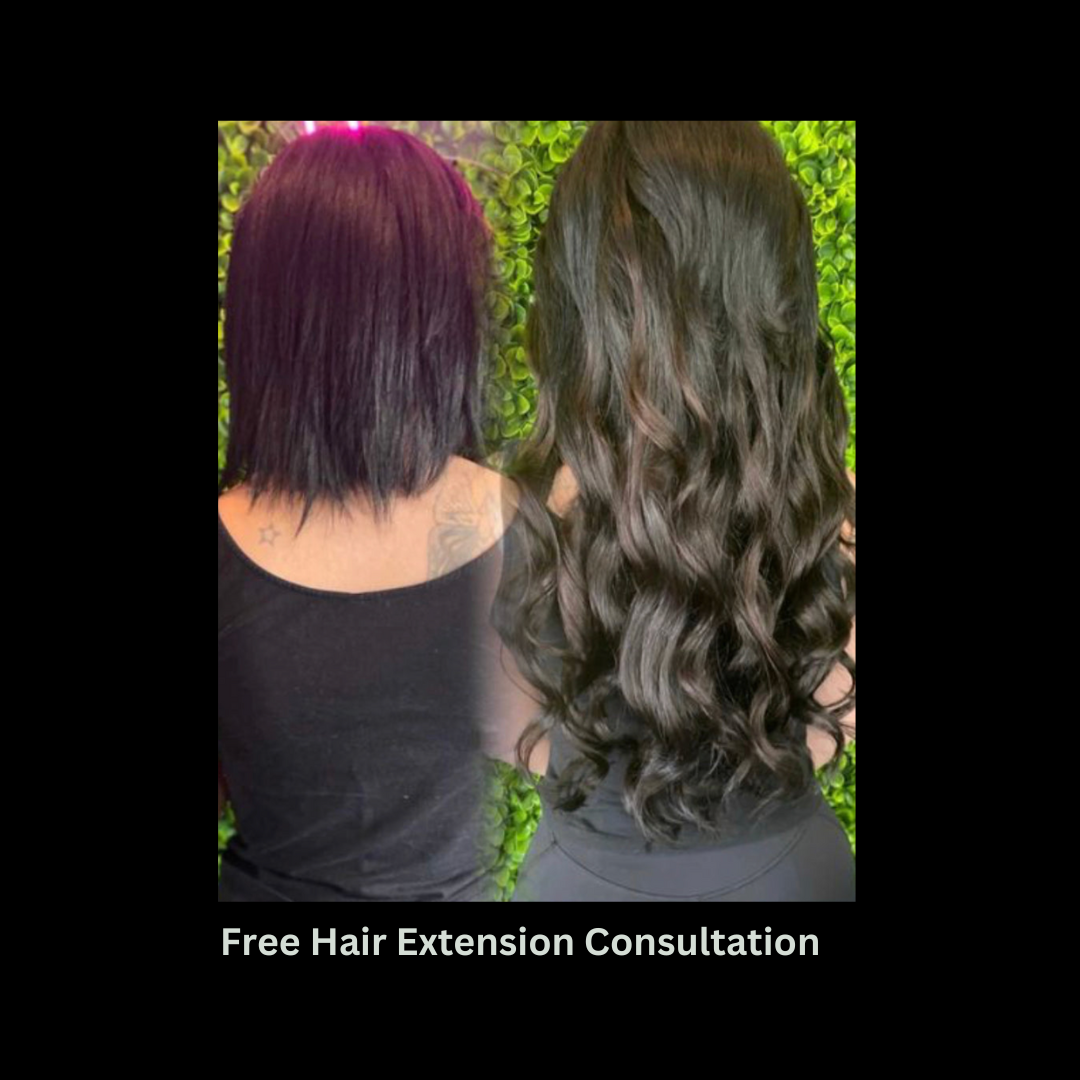
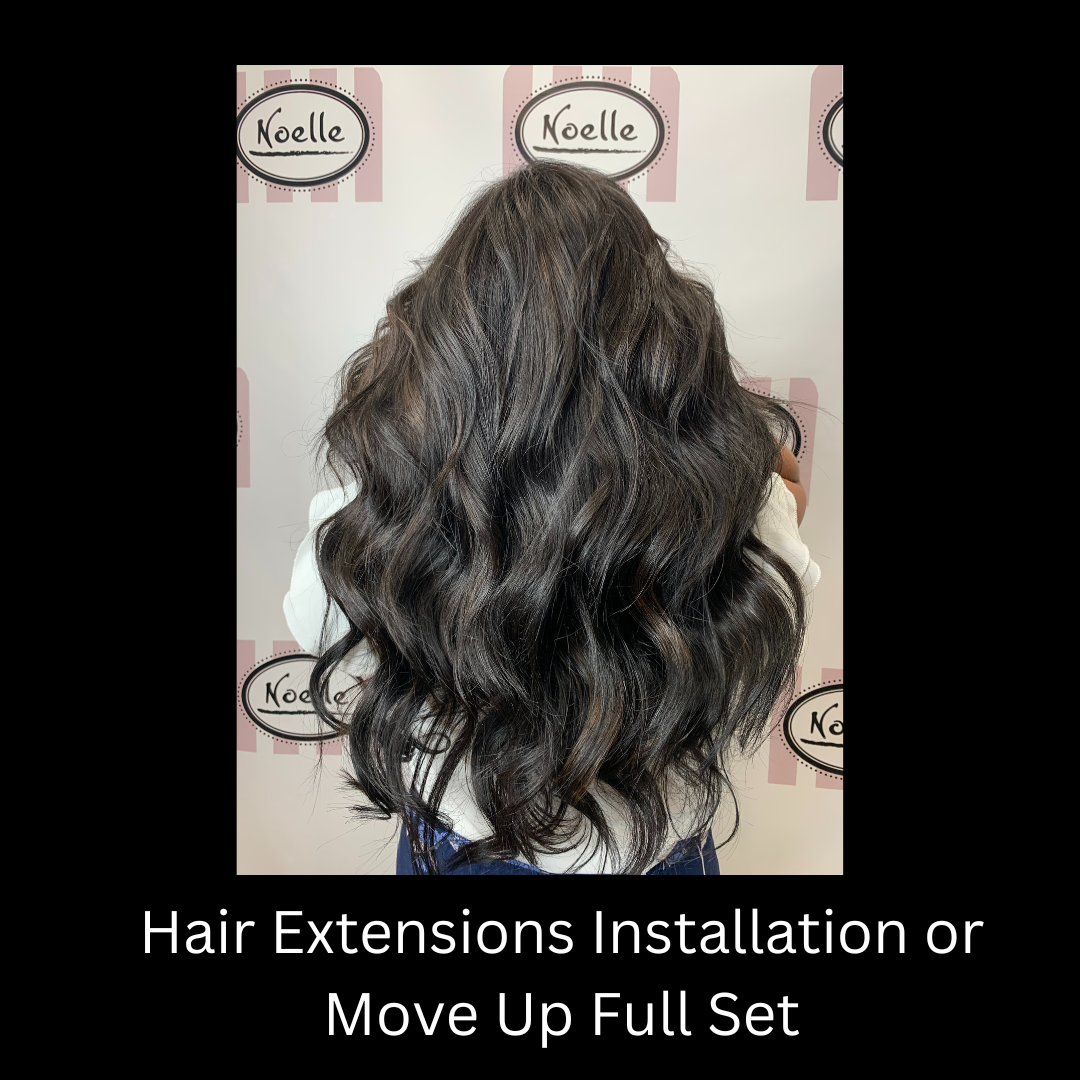
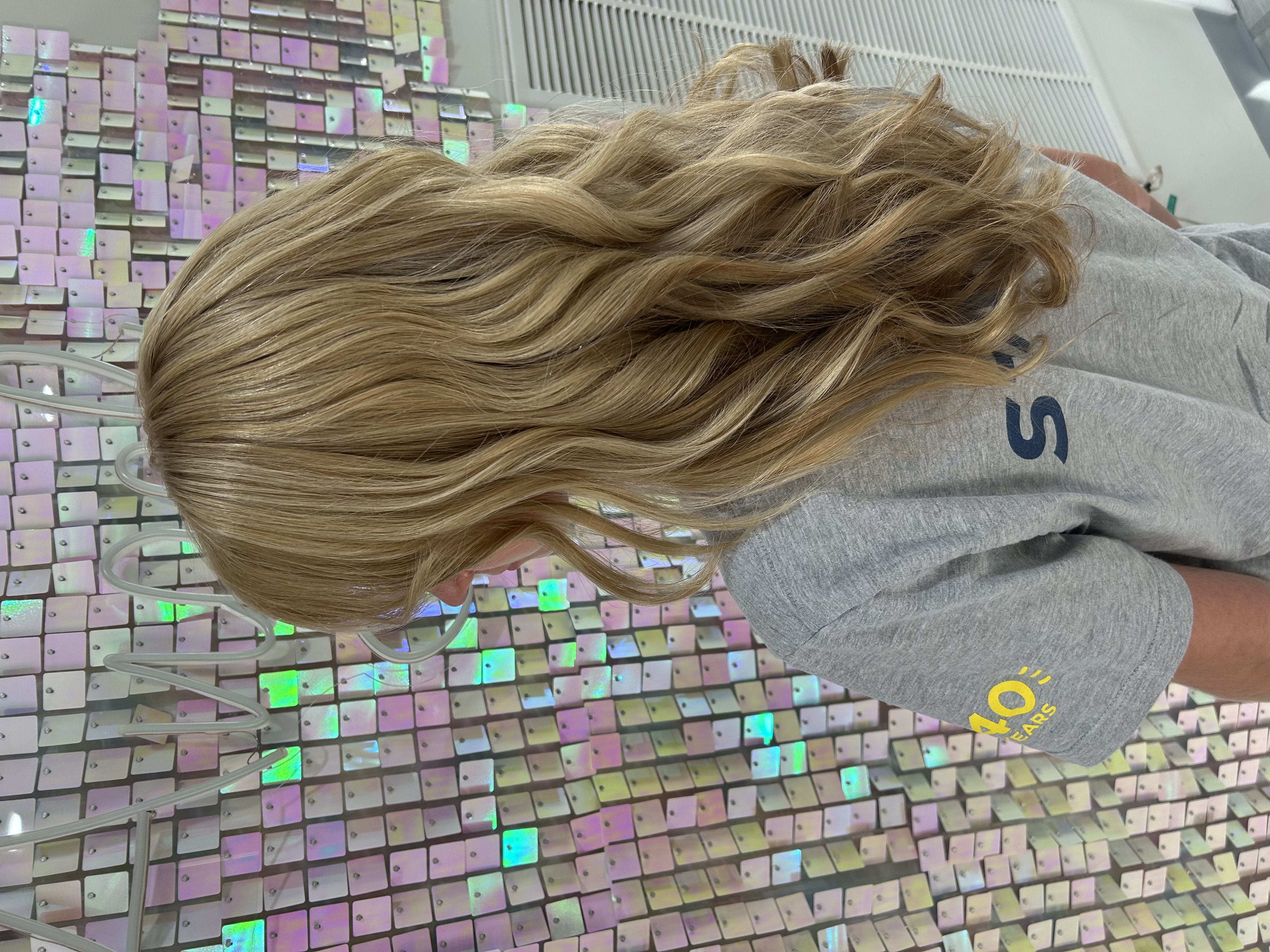
Ashley has grown in thick, healthy hair, yet during stressful stretches her urge to pull can resurface. During those times, I apply keratin micro-extensions to help interrupt the habit loop. She explains that pulling on extensions doesn’t offer the same sensory feedback as pulling her own hair, which helps reduce the compulsion. She also understands that extensions are anchored to approximately 30 strands of hair, so removing them would dislodge a larger amount of her natural hair—a powerful deterrent. On days when the urge is strong, wearing false eyelashes occasionally gives her a temporary distraction and a confidence lift, further breaking the cycle.
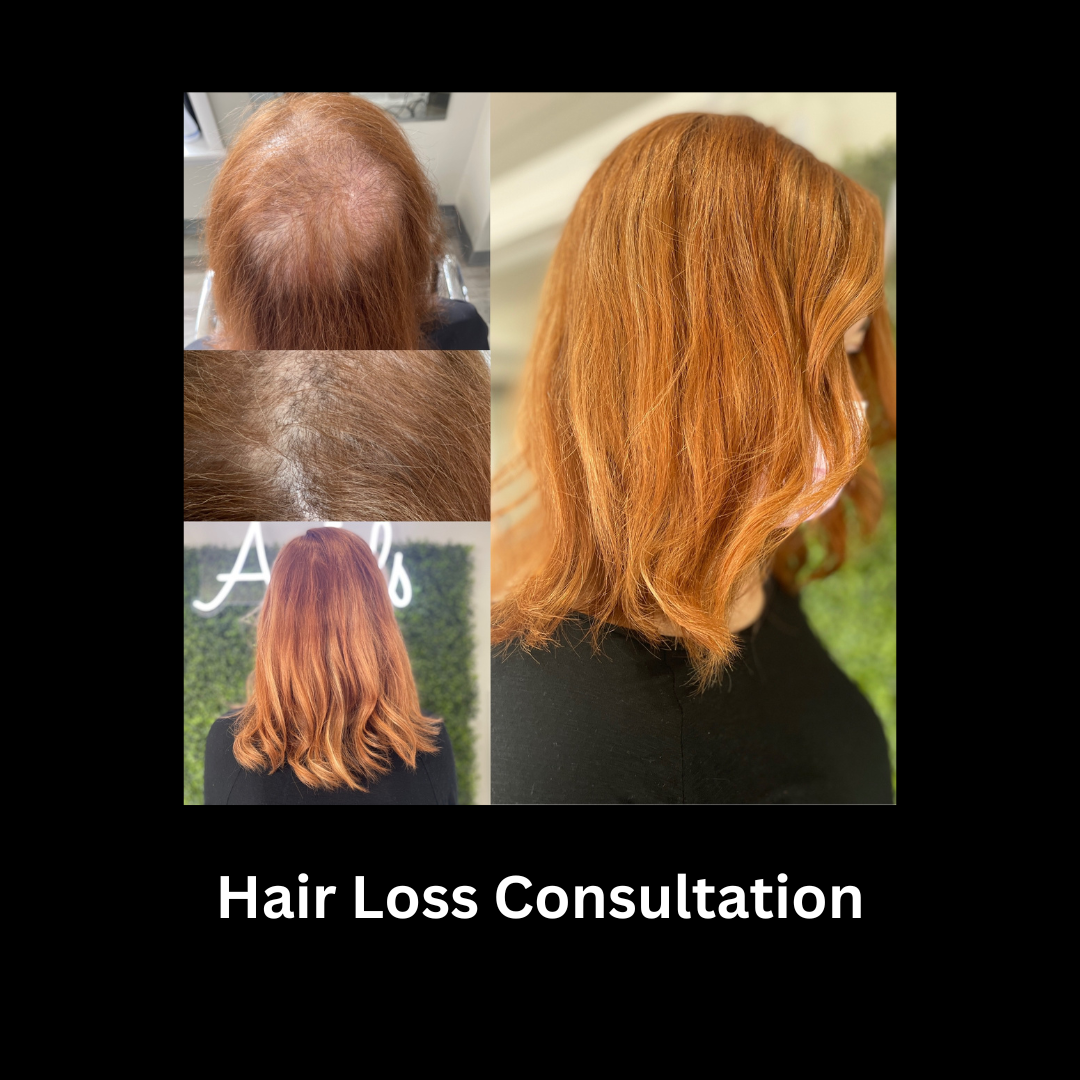
I’m sharing an Instagram story she recently posted—her long, natural hair shows how far she’s come. She also knows I’m just a phone call away if she needs to reapply extensions before pulling gains momentum. I’ve used this extension approach with other clients during regrowth phases, and it’s been consistently helpful. I don’t place extensions in a conventional way; I design them to be undetectable and custom-fit to the top, crown, and other frequently targeted areas. Because keratin-bonded extensions are not easily removed, they create a built-in “pause” that can disrupt automatic reaching and tugging. As a bonus, extensions add fullness to hair that’s sparse from past pulling, which can encourage confidence while new hair fills in.
Ashley’s beautiful photo and recent Instagram post. @life_en_purpose

Hair Twirling and Split-End Picking: BFRBs Related to Hair Pulling
Hair twirling and picking at split ends are also forms of body-focused repetitive behavior. I’ve seen clients with frayed ends from constant twisting or sliding strands between fingers. Sometimes the twirling is so intense that hairs come out at the root without the intention to pull. Extensions can help here, too. I often apply them throughout the hair, leaving extension strands slightly longer than the client’s natural length. That way, the texture and reach naturally redirect twirling to the extensions instead of the client’s own hair. The mild tension and occasional discomfort from manipulating the extensions act as feedback to stop before damaging natural follicles.
Each of these methods builds a barrier and interrupts the cycle of hair pulling, supporting healthier growth. Over time, the combination of protective strategies, awareness, and habit replacement can lead to meaningful remission from pulling out hair, while hinting at other options like hairpieces during sensitive phases. What small environmental tweak—different lighting, a new mirror routine, or a protective style—could help you resist the urge when it usually strikes?
Identifying Trichotillomania Triggers and Patterns
Ashley’s openness has helped me support others—something I’m truly grateful for. She gave permission to tag this article and invites questions from those who are struggling. Although her road has had difficult moments, she’s proud of the control she’s built. An avid athlete, she channels focus into the gym and other activities that leave less space for urges to grow. Many people discover patterns like these: urges rise with stress, fatigue, or boredom and subside when attention is fully engaged, hands are busy, or movement helps reset the nervous system. Keeping notes on time of day, location, mood, and sensory triggers can reveal trends you might not notice in the moment. If you mapped your week, when do you see the earliest signs of an urge begin to build?

Understanding Trichotillomania: A Closer Look
Trichotillomania is recognized as a mental health condition and impulse-control disorder characterized by a recurrent, hard-to-resist urge to pull hair from areas like the scalp, brows, and lashes. The Diagnostic and Statistical Manual of Mental Disorders (DSM-5) notes that this behavior can cause significant distress and impairment. While the precise causes aren’t fully understood, many experts consider it a multifactor issue involving genetics, brain-based differences in inhibition and reward, psychological stress, and environmental learning. Research indicates that around 3.5% of the population will experience trichotillomania at some point, and co-occurring anxiety or depression is common. Because shame and isolation can worsen the condition, awareness and compassionate support are vital.
Symptoms often include patchy hair loss, visible thinning, or uneven regrowth. People may notice tactile or visual checking behaviors—feeling for coarse strands, searching for split ends, or examining hairlines in bright light. The urge can be triggered by stress, intense focus, or even moments of rest where the mind wanders. Early recognition of patterns allows for earlier intervention and better planning of coping responses. Which early warning sign—fidgeting near your hairline, scanning for irregular strands, or lingering by the mirror—do you tend to spot first?
Building a Support System for Managing Trichotillomania
Finding a safe, understanding support group can make a meaningful difference. Many people feel alone with an OCD-related disorder like Trich, and connecting with others who understand your daily challenges helps reduce stigma and self-blame. Communities—whether local groups, foundations, or salons and barbershops knowledgeable about BFRBs—offer shared language, practical tips, and empathy. Whether you’re new to pulling or have coped with it for years, peer support can normalize the experience and make it easier to practice new skills without judgment. Who could you invite into your support circle so you don’t have to carry this process by yourself?
Practical Techniques to Stop Hair Pulling
Effective management of trichotillomania often blends self-care, structured techniques, and professional guidance. Below are practical tools many people use to regain a sense of control and confidence in their daily routines.
-
Deep Breathing: Slow, diaphragmatic breathing can regulate the nervous system and ease tension that fuels urges. A simple pattern—inhale gently, pause, exhale longer than you inhale—can help reduce the intensity of the moment.
-
Mindfulness Practices: Mindfulness trains you to notice urges without judgment, giving you a crucial pause before automatic action. Short check-ins, body scans, or mindful movement can anchor attention when pulling impulses rise.
-
Creating a Care Team: A therapist familiar with BFRBs, a supportive friend or family member, and a peer group can offer accountability and encouragement while you test new strategies.
-
Keeping Hands Busy: Fidget tools, textured fabrics, putty, knitting, or sketching can provide alternative sensory input and keep hands occupied during high-risk times.
-
Developing New Routines: Adjusting lighting, relocating mirrors, scheduling mindful breaks, or adding exercise can lower stress and prevent cue-driven pulling sessions.
Combining these self-care strategies with therapy can foster steady progress. Which one small behavioral shift could you practice this week to make urges more manageable in your trickiest moments?
Mindfulness to Manage Hair-Pulling Urges
Mindfulness helps you detect the earliest flickers of an urge and ride them out without acting. When you notice the impulse—maybe a hand drifting toward your hairline—take a breath, label what you feel (“urge rising,” “tension in my shoulders”), and let the sensation crest and fall. Over time, this builds confidence that an urge is tolerable and temporary. Mindfulness can be as simple as counting breaths, feeling both feet on the floor, or doing a short body scan to release jaw and forehead tension where many people hold stress.
Integrating mindfulness into daily life also reveals patterns: perhaps you notice pulling ramps up while reading late at night or during phone scrolling. Jotting down these observations can spark practical adjustments, like using a fidget object while you read, wearing light gloves at night, or setting phone breaks with movement. These small, mindful tweaks reshape the environment so hair pulling has fewer chances to take hold. How might a five-minute daily mindfulness check-in change the way your urges build and fade?
Emotional and Psychological Impact of Trichotillomania
Trichotillomania can carry a heavy emotional load: shame, guilt, anxiety, and sadness are all common. Visible hair changes may lead to self-consciousness or avoidance of social events, photos, or bright lighting. Some people spend significant time trying to conceal hair loss, which adds stress and can further entrench the cycle. When pulling is used to relieve tension or soothe distress, the short-term relief can reinforce the behavior even as it creates long-term frustration.
Supportive care targets both the behavior and the emotions underneath it. Therapy helps address anxiety and perfectionism, while coping strategies reduce the intensity and frequency of urges. Gentle self-care practices—adequate sleep, movement, balanced nutrition, and grounding techniques—strengthen resilience. As shame gives way to self-compassion, many people find it easier to practice skills, celebrate small wins, and keep going after tough days. What emotion tends to precede your pulling most often, and what self-soothing action could you practice instead when that feeling appears?
Can I Completely Stop Hair Pulling?
Many people make substantial progress and, for some, pulling becomes rare or even stops for extended periods. Others find that urges ebb and flow over time, but the skills they build allow them to shorten episodes and bounce back faster. Either way, meaningful change is possible. Focusing on steady improvement, rather than perfection, helps prevent the discouragement that can trigger further pulling. I’ve met individuals well into later adulthood who continued to make gains, underscoring that it’s never too late to learn supportive strategies and reshape habits.
Remission often comes from a combination of approaches: mindfulness to catch urges early, habit reversal techniques to install competing responses, CBT to rework unhelpful thoughts, and environmental adjustments to reduce cues. Protective styling, hairpieces, or extensions can bridge vulnerable periods while new growth appears. Over time, confidence grows as you experience urges that pass without action. What would “progress” look like for you over the next month—fewer episodes, shorter duration, or more days using your coping plan?
Protecting Your Hair During the Recovery Process
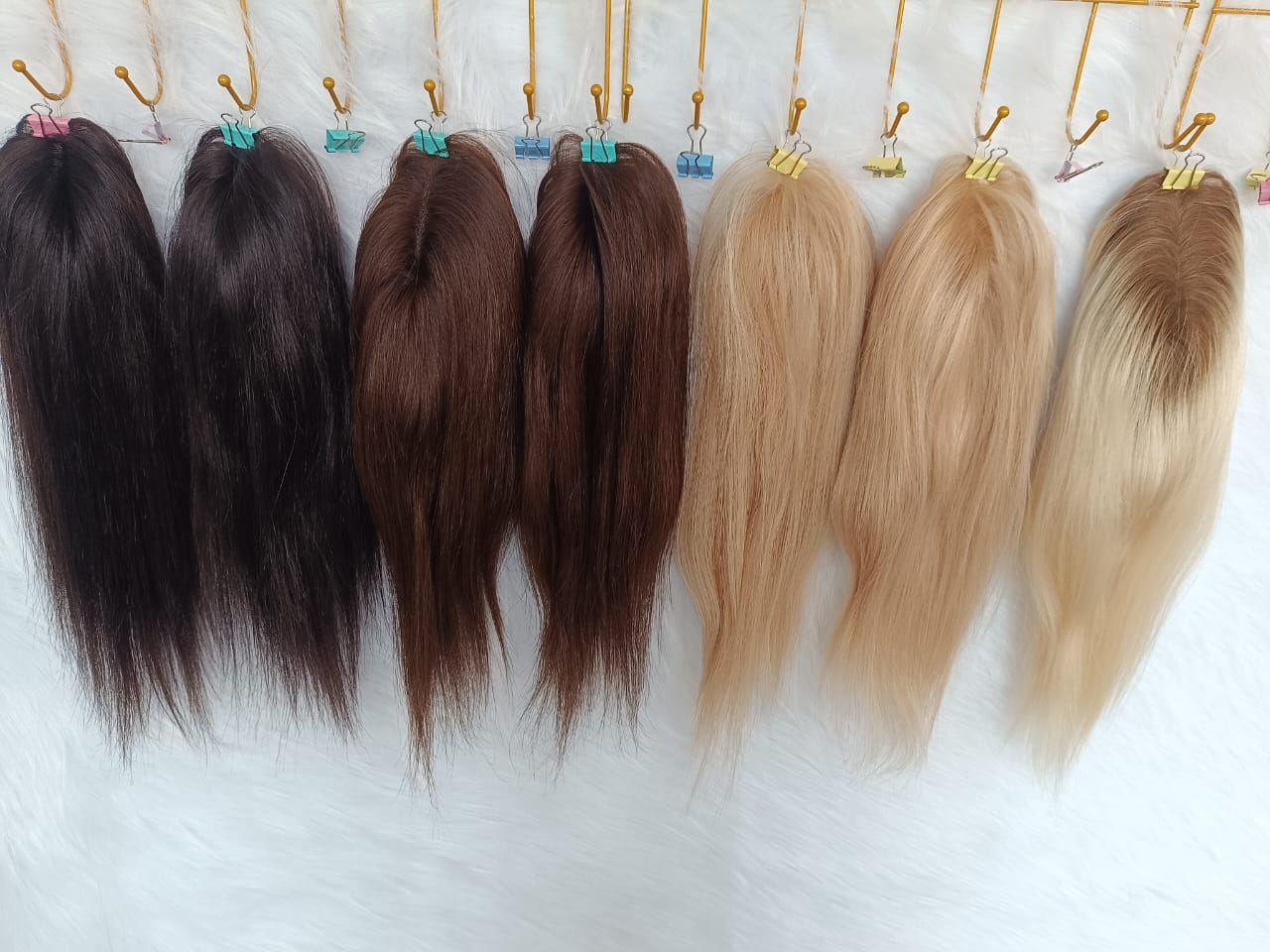
While you build new skills, gentle hair care supports both appearance and confidence. Protective styling, extensions, and hairpieces can reduce direct access to common pulling sites and help conceal sparse areas during regrowth. Some people prefer low-touch routines—loose braids, soft headbands, or satin accessories—to minimize friction and sensory triggers. Think of these tactics as scaffolding: they hold you up while you strengthen the underlying structure of new habits. What’s one low-effort change to your hair routine that could make urges a bit harder to act on?
Creating a Personal Trichotillomania Recovery Plan You Can Stick With
Start simple: pick one mindfulness tool, one competing response, and one environmental change. Track how they feel over two weeks, then adjust. Too easy? Add a second tool. Too hard? Scale back to a smaller step you can repeat daily. Keep your plan visible—a sticky note or checklist—so it’s easy to remember during stressful moments. Pair new habits with existing ones (practice breathing before brushing teeth) so they become automatic. What is the smallest, most repeatable step you can commit to for the next 14 days?
Conclusion: Achieving Lasting Change in Your Relationship with Hair Pulling
Progress with trichotillomania is built on small, consistent wins, compassionate self-awareness, and steady practice. Understanding your triggers, applying tools like mindfulness, CBT, and HRT, and incorporating protective hair strategies all work together to create a supportive path forward. Over time, these small decisions help reshape habits, reduce urges, and rebuild confidence.
Professional guidance and community support can provide additional structure and encouragement, especially during more challenging periods. With the right combination of strategies and support, meaningful, lasting change is possible.
It’s also important to understand that trichotillomania differs from other forms of hair loss, such as alopecia areata or traction alopecia. Because the hair loss is caused by repeated pulling, addressing both the behavior and the hair itself is key to supporting regrowth and long-term resilience.
You don’t have to navigate this alone. With the right plan and support system, you can move forward with greater control and confidence.
👉 Book your free trichotillomania consultation and take the next step toward recovery, regrowth, and lasting change.


