



Preventing Hair Loss Early: How Slugging, Scalp Care, and Supplements Work Together
Noticing more hair shedding than usual—whether in the shower, on your brush, or in your ponytail—can feel unsettling. If you’re searching for answers about hair loss Boston, catching these changes early is one of the most important steps you can take to protect your hair and support long-term growth.
Hair loss often begins with subtle shifts in the growth cycle, and early intervention can make a meaningful difference. In some cases, a medical evaluation with a dermatologist may be necessary to identify underlying causes such as alopecia, hormonal changes, or stress-related shedding. But while you’re exploring those answers, there are also simple, proactive steps you can take to support your scalp and create a healthier environment for hair to grow.
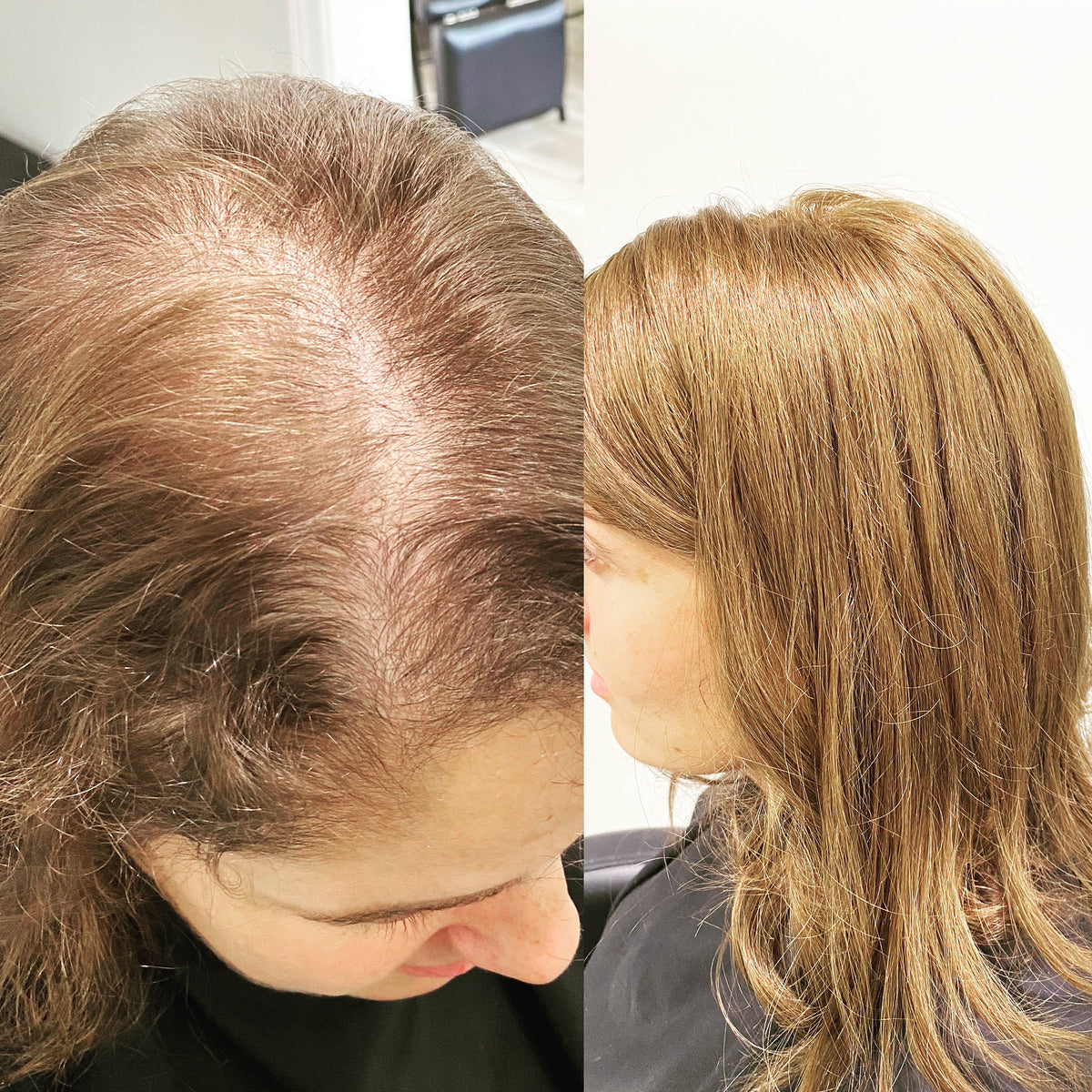
If your hair already feels thinner than you’re comfortable with, solutions like customized hair toppers can provide immediate, natural-looking coverage while you focus on improving your scalp and hair health.
In this guide, we’ll break down four effective strategies—hair slugging, proper nutrition, targeted supplements, and scalp massage—that work together to support circulation, nourish the scalp, and give your hair the best chance to thrive.
Hair Slugging: An Overnight Scalp Treatment for Moisture and Breakage Prevention
Hair slugging—sometimes referred to as a “scalp facial”—involves applying a generous layer of moisturizer or oil to the scalp and lengths before bed, then allowing the product to work overnight. The aim is to seal in hydration, soften the cuticle, reduce friction-related breakage, and create a barrier that helps beneficial ingredients absorb while you sleep. Many people rotate oils such as coconut or almond; others prefer lighter options like argan or jojoba. I personally favor a warm olive oil treatment to calm a tight, dry scalp.
How to try it safely: start with clean or lightly damp hair. Warm a small amount of oil between your hands and gently work it into the scalp with your fingertips, then smooth the remainder through mid-lengths and ends. Focus on dry, coarse, or curly areas that need extra slip. To protect your pillowcase and reduce friction, you can wrap your hair in a soft scarf or use a silk bonnet. In the morning, cleanse thoroughly to remove residue and follow with a lightweight conditioner on the ends.
Choosing products: thicker oils (such as coconut) can be very occlusive and are best for dense, curly, or very dry hair. If your scalp is easily congested or tends to produce excess oil, choose lighter oils (like jojoba) or a lightweight, silicone-free serum. Avoid heavy butters if you are prone to buildup, and patch test new products to see how your scalp responds.
Who should avoid slugging: those with naturally oily scalps or a history of scalp breakouts may not be ideal candidates. If you notice itching, increased greasiness, or small bumps (signs of folliculitis), scale back or discontinue. For some, simply brushing natural oils from roots to ends with a soft boar-bristle brush can redistribute sebum and reduce dryness without heavy products. Ultimately, adjust the frequency to your hair type; many find occasional overnight treatments sufficient to restore softness and reduce breakage.
Nutrition: Essential Ingredients for Healthy Hair Growth
Hair is a fast-growing tissue and relies on consistent nutrient support. A well-rounded diet helps keep the growth cycle on track, supports the scalp, and reduces the risk of excess shedding. Emphasize high-quality proteins (the building blocks of keratin), leafy greens, eggs, fatty fish, legumes, seeds, and nuts. Add colorful fruits and vegetables for antioxidants that help protect follicles from oxidative stress.
Key hair-supportive nutrients include:
- Protein: supplies amino acids needed for keratin structure and overall strand integrity.
- Iron: supports oxygen delivery to follicles; low iron may correlate with increased shedding.
- Vitamin D: helps regulate the hair cycle and supports follicle function.
- B vitamins (including biotin): assist energy production at the follicle and support strong growth.
- Vitamin C: aids collagen formation and enhances non-heme iron absorption from plant sources.
- Vitamin E: provides antioxidant support to protect scalp and follicle cells.
- Zinc: contributes to tissue repair and helps maintain a healthy scalp environment.
- Omega-3 fatty acids: help maintain scalp hydration and reduce dryness-related irritation.
Simple meal ideas: pair a spinach and egg omelet with sliced avocado; enjoy salmon with quinoa and roasted sweet potato; sprinkle walnuts and pumpkin seeds over a mixed-greens salad. Biotin-containing foods like avocados and sweet potatoes can complement a balanced plate that already includes protein, healthy fats, and fiber. Consistency over time matters most; variety helps you cover nutritional bases without over-relying on any single ingredient.
Hair Supplements: Choosing Ingredients That Support Hair Health
Supplements can add support when diet alone may fall short or when lab testing indicates specific gaps. Many formulations combine essential vitamins, minerals, and antioxidants such as vitamin E, vitamin C, and omega-3 fatty acids to strengthen strands, encourage steady growth, and help reduce shedding. Broadly, supplements fall into two groups: single-nutrient options (for example, standalone biotin, zinc, iron, or vitamin D) that address a specific gap, and targeted multi-ingredient blends formulated for concerns like thinning or breakage. When reading labels, many people look for biotin; zinc; vitamin D; omega-3s; iron (if needed); collagen or MSM for structural support; and, in some blends, herbal components such as saw palmetto or pumpkin seed oil intended to help modulate DHT.
As many invest in the supplement “Nutrafol,” it may be too expensive for your budget. More affordable multivitamin or hair-focused options—such as those available at Whole Foods—often include biotin, which may help promote hair growth. Typical biotin amounts range from 2 to 5 mg daily. When choosing a supplement, consider whether you prefer capsules, gummies, or powders, follow the dosage on the label, and look for blends that include zinc, vitamin D, omega-3s, and supportive antioxidants. Some blends include botanicals; responses vary, so monitor how your hair and scalp feel over time.
Always consult a healthcare professional before starting new supplements, particularly if you take medications or have underlying conditions, and to avoid excessive intake of certain nutrients. If you suspect deficiencies, discuss appropriate testing so you can target precisely what your body needs rather than over-supplementing.
Scalp Massage for Hair Growth and Circulation
Have you ever tried a scalp massage to improve hair growth? What techniques have you found most effective? A consistent, gentle massage can increase blood flow to follicles, encouraging the delivery of oxygen and nutrients while helping to relax scalp tension. Over time, this can support a healthier growth environment and more resilient strands.
Technique tips: use the pads of your fingers, not nails, and apply light to moderate pressure in small circular motions across the entire scalp. Move slowly from the hairline to the crown and down toward the nape. If your scalp is dry, a small amount of lightweight oil can add slip; if you are prone to oiliness, massage without additional product or use a water-based, non-comedogenic serum. You can also try a soft, silicone-tipped scalp tool to distribute pressure evenly—avoid aggressive scrubbing to reduce friction and breakage.
Some of my clients get a hydra facial on their scalp on a monthly basis. This type of treatment gently cleanses, exfoliates, and lifts away buildup while infusing hydration, giving hair follicles a clearer path to grow. By removing residue, excess sebum, and environmental debris, the scalp can feel cleaner and more balanced, which may complement your at-home massage routine. As a three-step treatment—cleanse, exfoliate, hydrate—it clears follicle openings for better oxygen/nutrient delivery, lightly boosts circulation, and restores moisture to calm dryness and flaking. Serums often add antioxidants and vitamins. Many find a session every four to six weeks maintains results without over-exfoliation.
Adapting These Methods to Your Hair Type and Goals
Scalp and strand needs vary widely. Fine, easily weighed-down hair may do better with lighter oils, occasional slugging, and massage without added product. Coarse, curly, or coily textures often benefit from richer pre-shampoo treatments and protective overnight routines. If your scalp runs dry or feels tight, focus on hydration, gentle exfoliation, and soothing oils; if it is oily or flaky, lighten up on occlusive products and prioritize thorough cleansing. Tailor your nutrition and supplements to your personal health profile, and adjust frequency as your hair responds—customization is the key to steady progress.
Hair Loss Background: Types and Considerations
Are you familiar with different conditions that cause hair loss, and have you considered how they impact your treatment choices? Alopecia is an umbrella term for hair loss. It can present in many forms—such as Alopecia Areata (an autoimmune pattern of patchy loss), fungal scalp infections, thinning linked to other autoimmune conditions, and traction or pulling behaviors like Trichotillomania that remove hair by physical means. Female pattern thinning and localized balding can also appear gradually, often following distinct patterns across the scalp.
At Noelle Salon, we cover various approaches to hair solutions and focus on hair growth techniques while also supporting appearance and comfort. Hair systems and hair extension maintenance are part of the journey for those who choose to wear them. For Trichotillomania, as hair grows and pulling patterns change, maintenance services are required to keep systems and extensions secure and comfortable. The difference between a hair system and extensions for Trichotillomania clients depends on the location and extent of hair loss; a system can camouflage larger or patchier areas, while extensions may suit those with adequate anchoring hair in specific zones.
For more advanced or patchy hair loss, solutions like mesh integration can provide a more secure and natural-looking result.
Putting It All Together: A Practical Plan
Consider this simple roadmap: begin with a gentle daily routine that keeps the scalp clean and comfortable. Add a weekly or occasional slugging session if your hair is dry or fragile, and pair it with mindful brushing to distribute natural oils. Support your body from within by prioritizing protein, iron-rich foods, colorful produce, and healthy fats. If appropriate, introduce a thoughtfully chosen supplement with guidance from a professional. Finally, practice short, regular scalp massages to encourage circulation; complement them with in-studio services like a hydra facial when helpful.
Conclusion
Preventing hair loss works best when you act early and combine strategies that reinforce one another. By tailoring hair slugging, nourishing your body with targeted nutrition, using supplements thoughtfully, and incorporating scalp massage, you create a supportive environment for stronger, fuller-looking hair. Because alopecia simply means “hair loss,” identifying your specific pattern or contributing factors—with help from a professional—can guide how you adapt these methods to your needs.
The key is consistency and personalization. Paying attention to how your scalp and hair respond allows you to refine your routine and avoid approaches that may not be effective for your specific situation. With the right combination of care and guidance, you can protect your hair, support healthier growth, and feel more confident in the process.
If you’re starting to notice changes and want to take a proactive, personalized approach, getting expert insight can make all the difference.
👉 Book your free hair loss consultation and get clear, customized recommendations based on your hair, scalp, and long-term goals.


