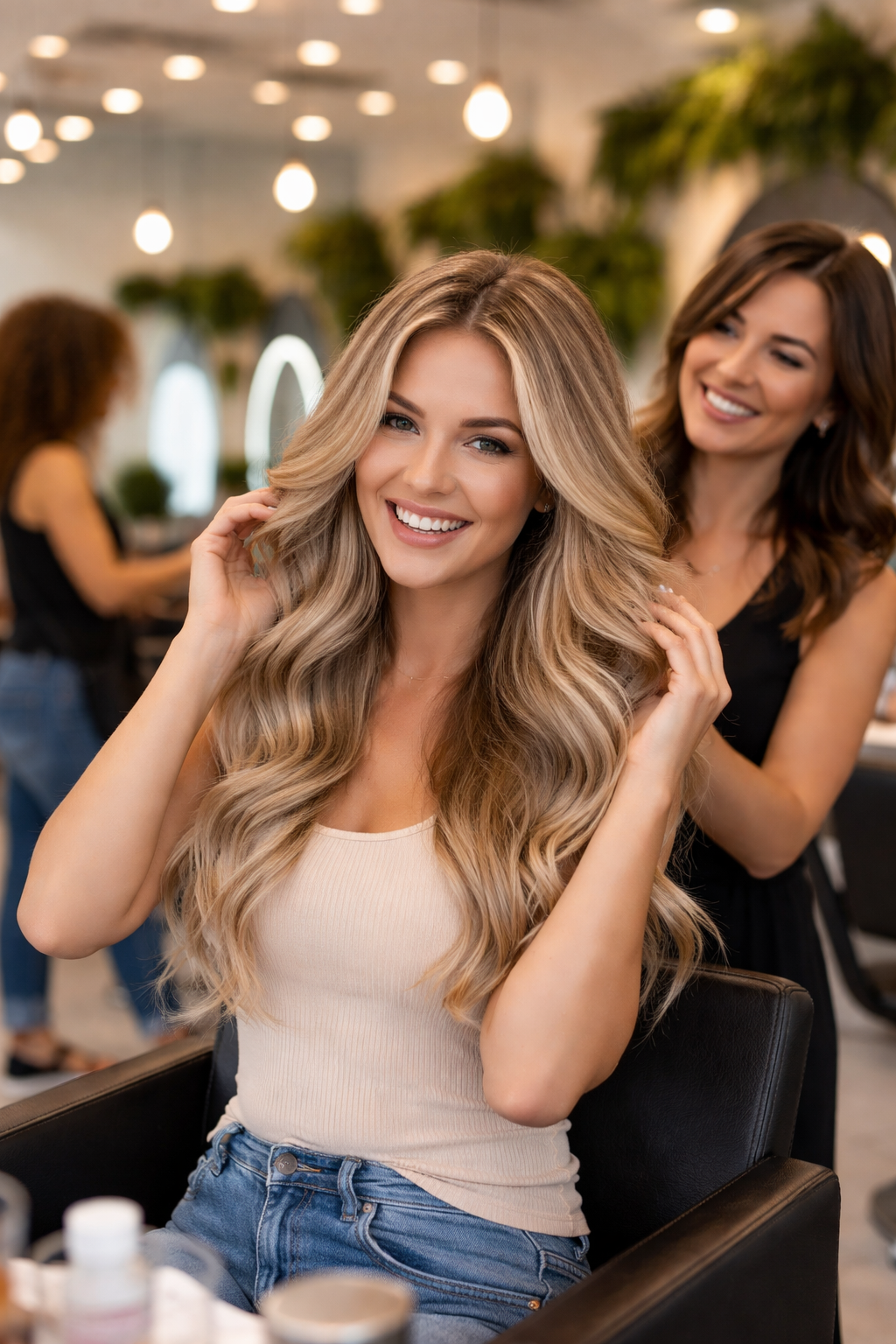

Prevent Traction Alopecia from Hair Extensions: Essential Tips
Hair extensions can beautifully amplify your natural hair by adding length, volume, and styling versatility. Yet when extensions are installed, worn, or maintained incorrectly, they can contribute to a condition known as traction alopecia—hair loss caused by ongoing tension on the follicles. This article explains what traction alopecia is, clarifies why it happens, and shares practical ways to care for your extensions and scalp to reduce risk. We’ll also discuss how to choose professional, high-quality options, the importance of routine maintenance, ways to spot early warning signs, and alternatives if your hair needs a break. With the right approach, you can enjoy extensions while prioritizing the long-term health of your natural hair.
To set the foundation for safe styling, we will define key terms throughout. Extensions refer to added hair—usually human hair—applied with methods like keratin bonding, tape, sew-in wefts, micro-beads (i-tips), or pull-thru techniques. Attachment point describes where each extension meets your natural hair. Tension is the continuous pulling force exerted on the follicle from weight, tightness, or styling. Shedding means naturally released strands that remain trapped near the attachment and must be brushed free. Understanding each of these concepts makes it easier to evaluate risk and maintain healthier hair.
Understanding Traction Alopecia from Hair Extensions
Traction alopecia is a type of hair loss caused by repeated pulling, pressure, or weight on the hair follicles over time. When hair extensions are too heavy, placed too close to the scalp, sectioned poorly, or left in for too long, they can strain the follicles and weaken the root. This strain, especially at delicate areas like the hairline and temples, may first show up as tenderness, redness, and short broken hairs, and if not addressed, can lead to thinning and potentially long-term loss. Although different in origin, conditions such as trichotillomania—compulsive hair pulling driven by psychological urges—also stress follicles, which highlights how sensitive the scalp can be to persistent traction.
Clear definitions help you take proactive steps. Follicle refers to the tiny pocket in the scalp from which a hair grows; if a follicle is repeatedly irritated or inflamed, the growth cycle can be disrupted. Crossover hairs occur when strands from a neighboring section are mistakenly caught in the attachment area; even a single crossover can hurt, create tension, and risk breakage. Early recognition is critical. That’s why structured follow-ups matter: salons that schedule a first check-in about two weeks after installation can confirm you are brushing correctly at the root, check sections for crossovers, review scalp comfort, and correct issues before they escalate. Regular evaluations are a simple but powerful safeguard.
Reflective questions: Do you feel tenderness when brushing near the attachments? Have you noticed new baby hairs breaking along the hairline or temples after recent installs?
Choosing Professional Hair Extensions for Safer, Healthier Wear
One of the most common contributors to traction alopecia is low-quality hair and subpar installation methods. Prioritize professional, high-quality hair extensions applied by experienced stylists who understand weight distribution, clean sectioning, and appropriate spacing from the scalp. Look for extensions made from natural hair that blend well and move like your own; reputable stylists customize the method to your density, strand strength, and lifestyle so that tension stays low while your look stays polished.
Always have your hair extensions removed by a licensed, seasoned professional. Improper removal—tugging, tearing, or dissolving with harsh products—can rip healthy strands, inflame follicles, and compound shedding. Professional removal respects the bond and the integrity of your hair so that you can keep wearing extensions safely over time.
During a free consultation, your stylist will assess your hair’s density, strength, and scalp condition to match you with the most suitable method. Extensions are never one-size-fits-all: fine hair generally requires lighter-weight techniques, while denser hair may comfortably support different options. Sew-in rows, for instance, concentrate weight along tracks; if too much hair is added per row or the base is braided too tightly, tension mounts. By contrast, a method that allows size adjustments per strand or a pull-thru system may distribute weight more evenly on finer textures. The most important trait of high-quality, professionally installed extensions is thoughtful customization—right size, right weight, right placement.
- Professional evaluation focuses on strand strength, density, and scalp sensitivity to identify methods that will be both secure and gentle.
- Individual strand extensions make it possible to adjust size, weight, and sectioning for truly custom hair extensions that move naturally.
- For fine or delicate hair, it’s best when attachments sit about 1/4 inch away from the scalp so the bonds can flex and flow with less tugging.
- The Veila Pull-Thru approach supports many fine-to-medium densities and avoids glue or tape, helping reduce residue and easing maintenance.
- Improper installs—too close to the scalp, messy sections, or crossovers—create pain and can pull out healthy strands; a single trapped hair can cause outsized discomfort and breakage.
Reflective questions: Is your current method matched to your hair density? When you move your head or tie a low ponytail, do the attachments feel comfortable and flexible rather than tight?
Keratin Bonds and Clean Sectioning for Extensions: Preventing Crossovers

Clean sectioning is a cornerstone of safe installation. If keratin bonds, i-tips, or other attachments capture stray hairs from outside the intended section, those crossover strands can be stretched at awkward angles and constantly pulled. Over time, small errors at the attachment point can translate into soreness, micro-tears in the cuticle, and localized thinning. Balanced placement and precise partings help ensure each bond rests on the correct group of strands, minimizing pressure at the root.
To protect the scalp and cuticle, stylists emphasize the following maintenance principles:
- Use gentle, slip-enhancing cleansers and conditioners that won’t weaken bonds.
- Brush consistently from the root area down to the ends with a tool designed for extensions—this frees trapped shed hairs before they knot at the attachment.
- Style with moderate heat and avoid high-tension looks that pull upward on the hairline.
- Follow your stylist’s schedule for move-ups and removals to prevent matting and overgrowth around bonds.
Reflective questions: When you part your hair, do the attachments sit neatly and evenly? Have you ever discovered a painful bond that seems to grab a stray hair from another section?
Essential Maintenance Tips to Prevent Traction Alopecia
Proper maintenance keeps extensions comfortable and your natural hair healthier. A consistent wash routine removes buildup that can weigh down strands; conditioner keeps hair supple so it moves freely around the attachments. Combine that with mindful styling, gentle products, and routine salon check-ins to protect your scalp while extending the life of your install. Many professionals recommend treating your scalp like skin—cleansing thoroughly, massaging gently to support circulation, and avoiding practices that leave it inflamed or stressed.
- Brush from roots to ends daily—especially at the base of each attachment. Many people avoid brushing the scalp area out of fear, yet this is exactly where shed hairs collect. We naturally release more than 100 strands a day; when wearing extensions, those hairs can tangle at the bonds unless they are carefully detangled at the root. This single step dramatically reduces wrapping and potential breakage.
- Keep up with move-up visits for tape-ins, pull-thru methods, and sew-ins. Leaving extensions in too long allows shedding to coil around the attachment, creating tight knots that are harder to remove.
- Schedule keratin bond removals within the typical 4 to 6-month window. Keratin bonds and i-tip hair extensions attach to individual strands; beyond six months, accumulated shedding and new growth can make safe removal difficult. If your hair grows faster, lean toward the earlier end of that time frame. Guidance from your stylist helps tailor the timing to your growth pattern.
- Never sleep with wet hair. Hair expands when wet, then contracts as it dries; friction from sleeping can lead to hair matting. Dry fully before bed and consider a loose braid or two. Wrapping with a silk scarf or using a silk pillowcase reduces snagging and minimizes overnight stress.
- Brush at least three times daily and be conservative with heat tools and high-hold sprays. Set curls and refresh styles without overloading product; wash or clarify as needed so residues don’t accumulate at the bonds.
Expert-aligned recommendations: Many stylists suggest dedicating a few minutes each night to a “tangle check” at the nape and around the attachments. They also encourage scalp-friendly habits such as gentle fingertip massages during shampooing and rinsing thoroughly to keep roots light and clean. These simple routines support circulation and help you spot concerns sooner.
Reflective questions: Are you brushing right at the scalp attachment, or do you stop short? Do you have a reminder set for move-ups and removals so you don’t push wear time too long?
Avoiding Excessive Tension and Pulling from Hair Extensions
Minimizing pull is central to prevention. Skip very tight looks—high ponytails, cornrows attached to extension rows, or taut braids—that concentrate strain at the hairline and along attachment points. Choose styles that distribute weight evenly, such as loose waves, soft half-up looks, or a low ponytail or bun. These options preserve a sleek finish while keeping pressure low and movement natural.
On low-key days, a relaxed ponytail or chic low bun can rest the scalp while still looking polished. Keep brushing at least three times daily and avoid elastic bands that cinch tightly at the same spot. If any style feels sore after a few minutes, that’s a signal to release and re-style with less tension.
Reflective questions: Do your go-to styles feel comfortable all day, or do they tug after a few hours? Can you rotate hairstyles through the week to prevent stress on the same areas?
Identifying Early Signs of Traction Alopecia
Timely detection protects long-term hair health. Watch for early indicators like scalp tenderness near attachments, short broken hairs around the forehead, or new thinning along the temples. Another warning sign is discomfort when you brush near a bond or when sleeping in certain positions. If you spot any of these signals, pause high-tension styles and consult your stylist to reassess weight, placement, or wear time. Acting quickly makes a real difference in preventing more serious thinning.
Keep an eye out for small bald patches or areas that look sparser than usual, sometimes accompanied by redness or irritation. If anything looks or feels off, scheduling a check-in helps catch issues early. Consistent follow-ups let your stylist confirm clean sectioning, adjust weight if needed, and teach you how to detangle the root area without yanking. In short, the more proactive you are, the better you can balance great style with scalp well-being.
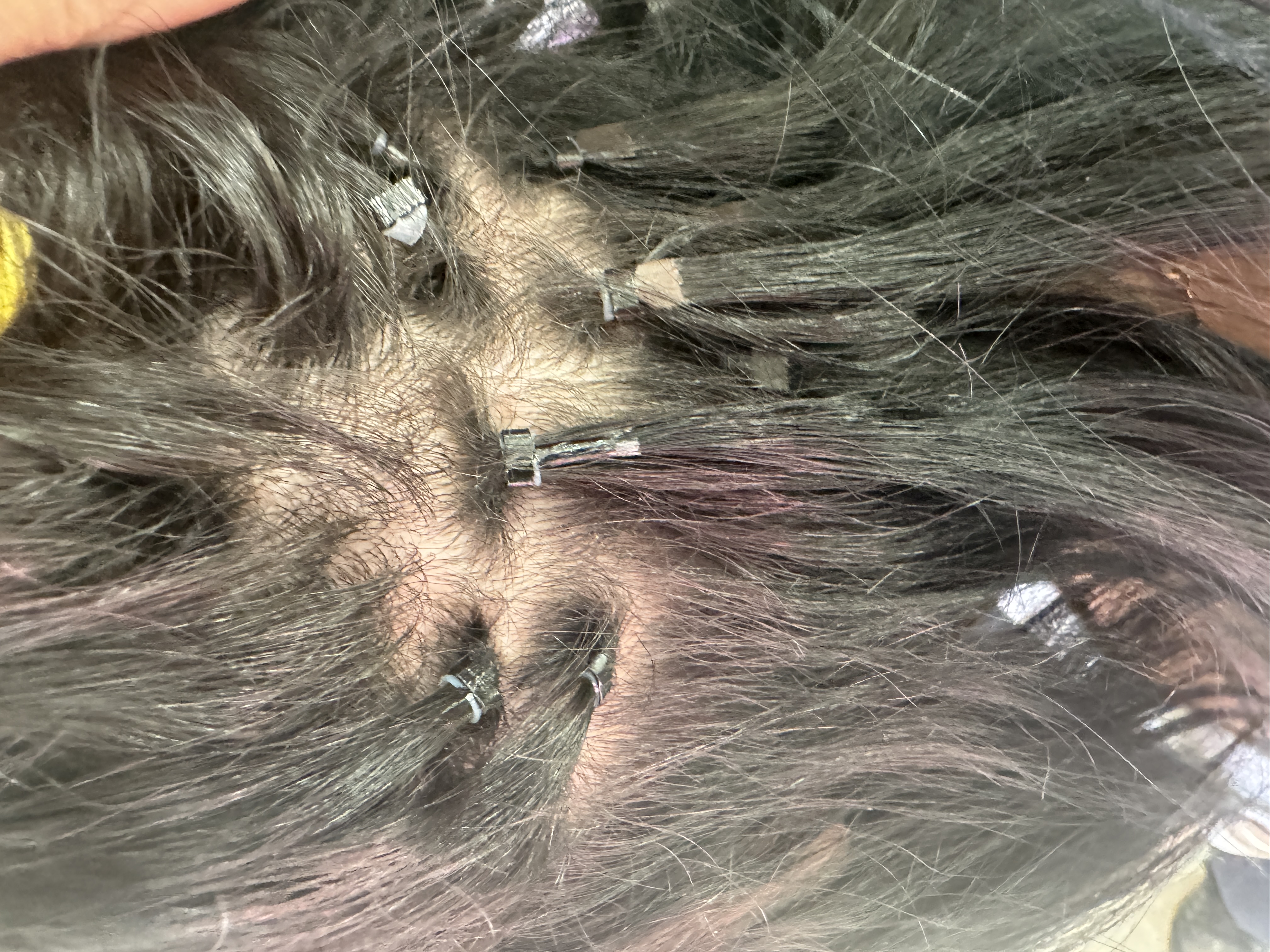
Engagement tip: Treat new tenderness as valuable feedback rather than an inconvenience. A brief break, a lighter style, or a quick salon check can prevent bigger problems later.
Reflective questions: Have you noticed new soreness at night or after brushing? Are there short, uneven hairs at your hairline that weren’t there before your last install?
Alternatives to Hair Extensions to Reduce Traction Alopecia Risk
If your scalp feels strained or you’re seeing signs of thinning, exploring alternatives can help you maintain your preferred look while giving follicles breathing room. Thickening fibers and strategic styling can create the appearance of fullness with minimal manipulation. Nourishing routines—regular conditioning, lightweight oils on mid-lengths and ends, and gentle detangling—support both softness and strength over time. Prioritizing a healthy scalp environment often yields better growth and less shedding.
Temporary options like clip-ins allow you to enjoy length and volume on special days without continual wear. Because they’re removable, they give the scalp rest between uses. If you want a longer-term solution for thinning, clinical approaches such as hair restoration procedures may be considered; consultation with a qualified professional can help you weigh pros and cons for your situation. Above all, choose methods that align with your hair’s density, your daily routine, and your tolerance for maintenance.
Creative scenarios to consider: You might plan a rotation—two weeks of lightweight styling without attachments, then a weekend clip-in look for events. Or you could alternate between a minimal install with fewer pieces and periods of completely natural wear. Even simple styling switches—soft waves one day, a low loose pony the next—can reduce repeated stress on the same zones, especially along the part and hairline.
Reflective questions: Could you benefit from a brief “extension holiday” to reset your scalp? What temporary styling choices would let you feel confident without daily wear?
What Are Hair Extensions? Methods, Benefits, and Considerations
Hair extensions are added hair—often human—to enhance length, density, or both. Common methods include wefts sewn onto braids (sew-ins), tape-in panels, bonded keratin tips, beaded strands (i-tips), micro-links, and pull-thru techniques. Each approach offers different advantages for movement, longevity, and maintenance. Weaves and cornrows create structured bases; sew-ins can be long-lasting when weight is balanced per row, while cornrow-based looks can be protective when tension is kept mild and the scalp is well cared for.
Success with extensions depends on appropriate method selection and maintenance. High-quality human hair typically blends more naturally and styles more predictably than lower-grade options. It’s also crucial to understand application details—how the bond is formed, how removal works, and how frequently move-ups are needed—so expectations match your lifestyle. By pairing professional guidance with your hair’s needs, you reduce the chance of traction at the hairline and ensure comfort throughout wear.
Reflective questions: Do you know which method is currently installed and how it should be maintained? Does your method fit your schedule and styling habits, or is it time to reassess?
How Hair Extensions Can Lead to Traction Alopecia—and How to Lower Risk
Extensions can strain follicles in several ways. Traction stems from constant pull—either from weight or tightness. The weight of the extensions can add pressure at the root, especially if too much hair is concentrated in one area or if large bonds are attached to fine strands. Placement that’s too close to the scalp removes natural wiggle room, increasing pressure with everyday movement. And rushed removal or rough detangling can cause breakage and thin areas over time.
Proper spacing, balanced distribution, and periodic checks are preventive basics. If you feel tightness right after installation, communicate with your stylist; minor adjustments now can prevent irritation and shedding later. Schedule assessments to see whether size and distribution remain appropriate as your natural hair grows out. A method that was once comfortable may need tweaking at your next appointment to keep tension low and comfort high.
Reflective questions: Do your attachments feel heavier than usual after a few weeks? Are you experiencing discomfort during styling that wasn’t there at the start?
Traction Alopecia and Extensions: Key Points to Remember
Preventing traction alopecia starts with gentle techniques and careful, professional installation. Protect the follicle by avoiding unnecessary tension, maintaining consistent home care, and giving your hair periodic breaks. Recognize early symptoms like tenderness, redness, or new short hairs where longer strands once were. Understand that several factors—attachment weight, chemical exposure, tight styling, or poor application—can combine to cause damage. A thoughtful routine protects fragile areas like the hairline and helps keep your natural hair thriving while you enjoy extensions.
Expert-aligned note: Hair professionals commonly recommend rotating styles, adjusting placement over time, and avoiding overly frequent reinstallations at the exact same sites along the hairline to protect vulnerable zones.
Reflective questions: What changes could you make this week to reduce tension at your hairline? Could lighter sections or fewer pieces deliver your desired look with less strain?
Weight of Extensions and Scalp Comfort
Heavier pieces place greater load on the follicle, which can contribute to traction alopecia if not carefully managed. When weight is distributed wisely—smaller bonds, tailored strand counts, and balanced rows—movement feels natural and roots stay more comfortable. Adjustments during your move-up can recalibrate weight so your hair and scalp remain at ease between appointments.
Reflective questions: Do your extensions feel light and mobile, or do some areas feel dense and heavy? Would switching to slightly smaller bonds improve comfort?
Chemical Exposure from Extensions and Hair Integrity
Some extension systems involve adhesives or solvents that, if harsh or misused, may weaken the hair shaft and irritate the scalp. This chemical damage can contribute to increased shedding and slowed hair growth. Selecting methods and products that are compatible with your hair type—and applied by trained professionals—helps minimize exposure and keeps strands resilient.
Reflective questions: Does your scalp ever feel itchy or irritated after maintenance? Are you using products recommended by your stylist for your specific attachment method?
Improper Extension Application and Removal
Incorrect techniques—like bonds placed too close to the scalp, sections that are not clean, or tugging during removal—can cause unnecessary stress. Well-executed installs protect the cuticle and keep tension even. Professional removal preserves your natural strands and avoids the ripping and breakage that can set back hair health for months.
Reflective questions: Was your last removal quick yet gentle? Do you understand how your current bonds should be taken out and when?
Allergic Reactions to Extensions
Some people are sensitive to materials used in extensions or to certain adhesives. Reactions can show up as soreness, itching, or visible irritation, and if ignored, they can contribute to hair loss. If you suspect sensitivity, talk with your stylist about alternative methods or materials that are less likely to provoke a response.
Reflective questions: Have you noticed redness or tingling after an install or adjustment? Would a patch test before your next appointment help identify sensitivities?
Hygiene, Scalp Health, and Extensions
Infrequent washing or poor rinsing can leave product residue and oils around attachments, which may irritate the scalp. A clean, balanced scalp fosters better growth conditions and reduces the risk of inflammation that can disrupt the follicle. Build a simple routine: thorough cleansing, careful detangling, and consistent drying before bed so roots stay fresh and comfortable.
Reflective questions: Are you cleansing the scalp itself at each wash, not just the lengths? Do you fully rinse products around the attachment points?
Extension Maintenance for Optimal Health
For clarity and consistency, consider organizing your care routine into easy steps you can repeat week after week:
- Cleansing: Shampoo the scalp with gentle pressure from fingertips. Rinse thoroughly, then condition mid-lengths to ends without soaking the bonds.
- Detangling: Start under the attachment area and work down. Finish with light brush-throughs at the base to free shed hairs before they wrap.
- Drying: Blot—don’t rub—then dry fully before sleeping. Use low to moderate heat settings.
- Styling: Opt for loose, low-tension looks. Limit back-to-back days of tight styles to keep pressure off the hairline.
- Scheduling: Book move-ups and removals on time to prevent overgrowth tangles and matting at the attachments.
Why this helps: A numbered structure reduces guesswork, supports habit-building, and makes progress easy to track. Small, consistent actions protect the attachments and keep your natural hair in better condition between salon visits.
Reflective questions: Which step in your routine needs the most attention—cleansing, detangling, drying, styling, or scheduling? What one change could you implement today?
Key Extension Terms for Understanding
- Attachment point: Where each extension connects to your natural hair.
- Tension: The ongoing pulling force that can stress follicles if excessive.
- Density: How many strands you have per area; lower density may require lighter methods.
- Crossovers: Strands from outside a clean section that get trapped in a bond, causing pain and breakage.
- Move-up: The maintenance appointment to reposition extensions as hair grows.
- Matting: Dense tangling, often from trapped shed hairs or sleeping with damp hair.
Reflective questions: Which concept feels newest to you? Does understanding these terms change how you’ll brush or style your extensions?
Conclusion: Protect Your Hairline and Enjoy Extensions with Confidence
Preventing traction alopecia comes down to smart choices, steady maintenance, and early action. Choose professional, high-quality installation customized to your density and scalp sensitivity. Follow a consistent routine—cleanse thoroughly, detangle at the root, dry before bed, and limit tight styles. Keep appointments for move-ups and timely removals, and watch for early signs like tenderness or new short hairs at the hairline. If your scalp needs a rest, rotate in alternatives such as clip-ins or lighter looks for a period of recovery. With these habits, you can enjoy the beauty and versatility of extensions while safeguarding your natural hair for the long term.
Ready to determine whether extensions are right for your hair and which technique best suits your goals? Book a free consultation to discuss density, styling preferences, and color match, and to plan a method that emphasizes both style and scalp comfort.
At Noelle Salon, the team evaluates your natural hair, listens to your preferences for color and finish, and recommends methods using human hair such as 100% Remy or Virgin Hair, alongside techniques like tape-in, clip-in, Keratin, and the Veila Pull-Thru approach for ease of care. Whether your style leans toward sleek with a flat iron, soft waves, or defined curls, or you want a quick switch with a clip-in ponytail, a thoughtful installation and maintenance plan keeps your hair journey on track. Protective styling plus regular maintenance can complement your growth goals, letting you transform your look in a single day while keeping your scalp and strands a priority.
Reflective questions: What’s your next best step—consultation, a maintenance check, or a short break for your scalp? How will you adjust your daily routine to keep tension low and comfort high?