

Mastering Double Drawn Hair: A Guide to Quality Extensions
Understanding the Differences Between Double Drawn and Single Drawn Hair Extensions If you shop for hair extensions in Boston or hair systems, you’ve likely seen these terms over and over. Below is a clear, beginner-friendly explanation of how double drawn and single drawn hair differ for hair extensions or hair systems, why those differences matter, and how to choose what suits your goals.
Exploring Single Drawn Hair Extensions: Characteristics and Benefits
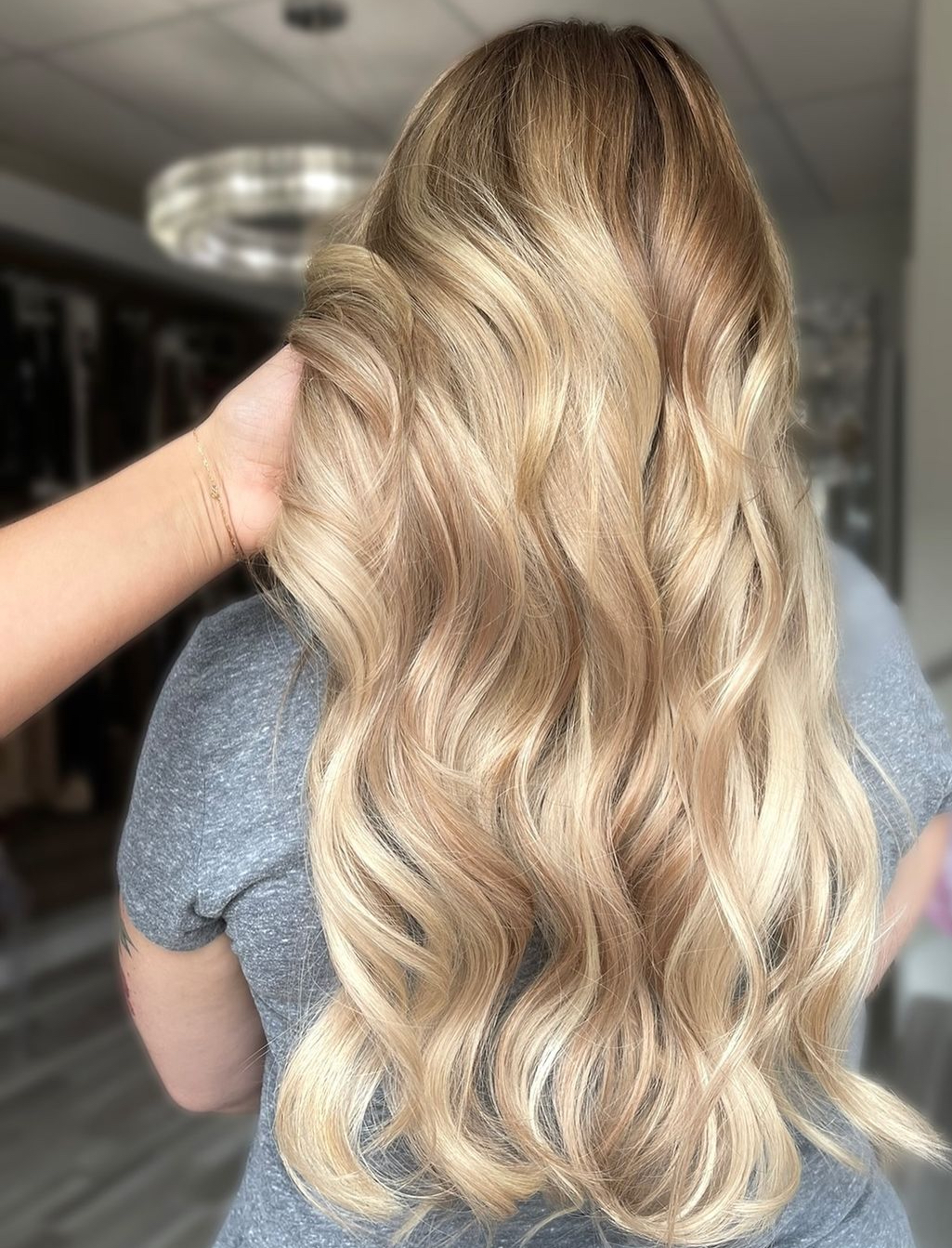
Single drawn hair extensions are collected and bundled in a way that mirrors how natural hair grows on the head—thicker near the roots and gradually finer toward the ends. In most single drawn bundles, the weft is full at the top, while the hair tapers as it reaches the bottom. This creates a soft, lived-in silhouette that emulates real hair movement.
Key characteristics of single drawn hair include:
- A dense top near the weft with ends that naturally narrow, producing that familiar, slightly feathered finish.
- Mixed strand lengths within the same bundle, which is why the bottom edge appears finer.
- A look that many describe as effortless and authentic, because very few people have perfectly uniform hair length from root to tip.
The exact amount of taper you see at the bottom can vary by vendor. Some manufacturers over-thin the ends to lower costs, while others offer a healthier ratio of longer strands. Quality-focused suppliers aim to keep a balanced distribution of lengths so the hair feels substantial yet still reads as natural. If your sample looks plush but later orders arrive noticeably stringier at the ends, it may indicate inconsistent bundle sorting.

Comprehensive Guide to Double Drawn Hair Extensions: Attributes and Advantages
Double drawn hair extensions are sorted to maximize fullness from top to bottom. Instead of a gradually narrowing edge, the weft stays thick throughout, giving a dense, bouncy outline with little to no visible “tail.” This structured uniformity is ideal for dramatic volume, polished blowouts, and statement styles that require a substantial perimeter. How important is thickness and consistency in your hair extensions for your overall look?
By nature, donors have single-drawn hair; nobody grows perfectly equal-length strands from root to tip across the entire head. To create double drawn hair extensions, manufacturers select and blend hair—often from more than one donor—to achieve consistent lengths and thicker ends.
Double drawn generally means that, out of the full bundle, a high percentage of strands—often described as around 90%—are similar in length. A completely uniform 100% is not feasible naturally because hair around the sides (behind the temples) typically grows in slightly different patterns and lengths than hair at the crown or midline.
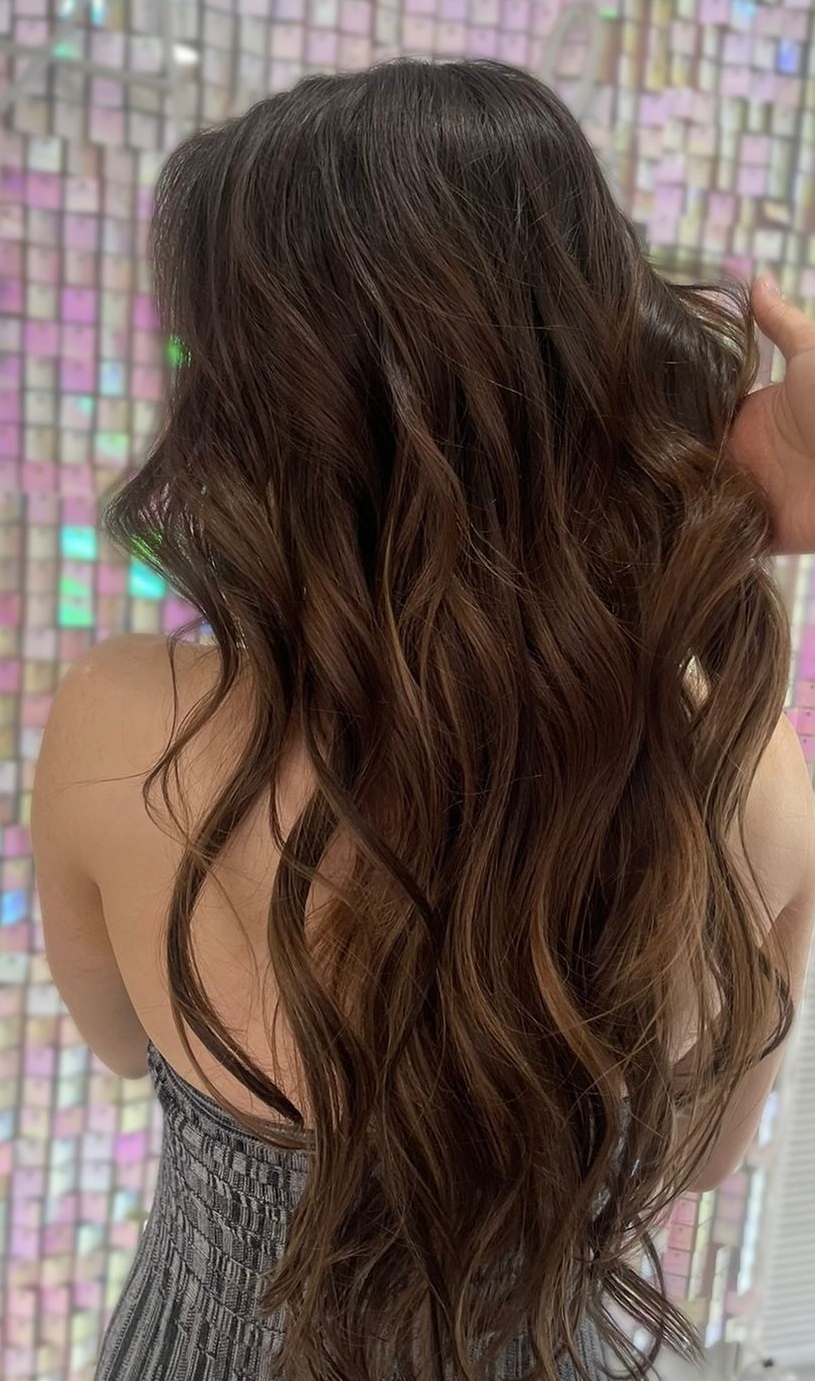
Remy Hair Explained: Are Double Drawn and Single Drawn Extensions Remy?
Both single drawn and double drawn hair can be Remy, which refers to the cuticle direction being aligned from root to tip. Double drawn bundles commonly come from multiple donors, and vendors often combine ponytails to achieve the target weight and length with shorter strands removed during sorting.
For example, if you request a 20-inch double drawn bundle, a vendor may take a 20–21 inch ponytail, remove shorter strands to maintain length integrity, and weigh what remains. If that ponytail yields around half the desired weight, they may pair it with a second ponytail of the same size, again removing shorter strands before combining them into one 100-gram weft.
How to get Double Drawn Hair from a single donor? Some clients prefer double drawn results using virgin hair. One approach is to purchase single drawn raw hair at a longer length—say ordering 24–25 inches for a final target of 20 inches—then cut off 4–5 inches to concentrate the density at the ends. This method uses the naturally longer section to mimic a fuller tip after trimming.
Professional Advice: Weighing Double Drawn vs. Virgin (Single-Donor) Hair
From a practical standpoint, stylists often caution against forcing raw, one-donor hair into a double drawn profile because it raises the price significantly and departs from the hair’s natural growth pattern. Many clients who request double drawn hair prioritize thicker ends at a reasonable price and are comfortable with multi-donor Remy construction to achieve that goal, especially for sleek straight looks or sculpted curls.
In salon environments, when you see Double Drawn labeled on the menu, you are typically getting Remy hair rather than a one-donor virgin bundle, as the cost for true virgin hair with a double drawn outcome has escalated. For that reason, it’s wise to balance your desired finish with your maintenance routine and budget. Would fuller, lower-maintenance ends or maximizing longevity and natural movement serve your lifestyle better?
In short, double drawn hair does not equal the same category as virgin, one-donor raw hair. It’s designed for impact and symmetry rather than for emulating an untouched single-donor origin, which is why longevity and feel can differ.
Benefits of Single Drawn Hair Extensions
Single drawn hair extensions deliver a natural look that many wearers love. Because the bundle contains multiple strand lengths, it mirrors the irregularity of real hair, blending effortlessly with your own texture and haircut. If your daily style leans easygoing—soft blowouts, air-dried waves, or low-heat curls—single drawn hair extensions often slip into your routine without calling attention to themselves.
The appeal of single drawn hair extensions is also financial. They are typically more budget-friendly than double drawn options. For cost-conscious shoppers who still want 100% Remy human hair, single drawn can be an accessible entry point. With basic care, such as gentle cleansing and regular conditioning, these extensions hold their softness and natural movement, allowing you to enjoy a believable finish day after day.
Styling versatility is another strong advantage. Whether you prefer a glassy straight finish, beachy bends, or a round-brush blowout, single drawn hair can adapt with the right technique. To preserve luster and reduce tangles, consider sulfate-free shampoos, heat protectants, and lightweight leave-ins. A consistent detangling routine from the tips upward helps maintain the integrity of the tapered ends. If your goal is a graceful, everyday enhancement that doesn’t look overly “done,” this profile is often the best place to start.
Scenario to consider: You have shoulder-length hair with delicate face-framing layers and want to add a bit of length and fullness for a wedding weekend, but you still want to look like yourself. Single drawn hair extensions can integrate seamlessly with your cut, keeping the ends light and floaty so your updos, half-up styles, and soft curls read romantic rather than heavy. Does a softly tapered finish align with how you like your hair to move? What aspects of a more natural hair appearance resonate most with your personal style?
Drawbacks of Single Drawn Hair Extensions
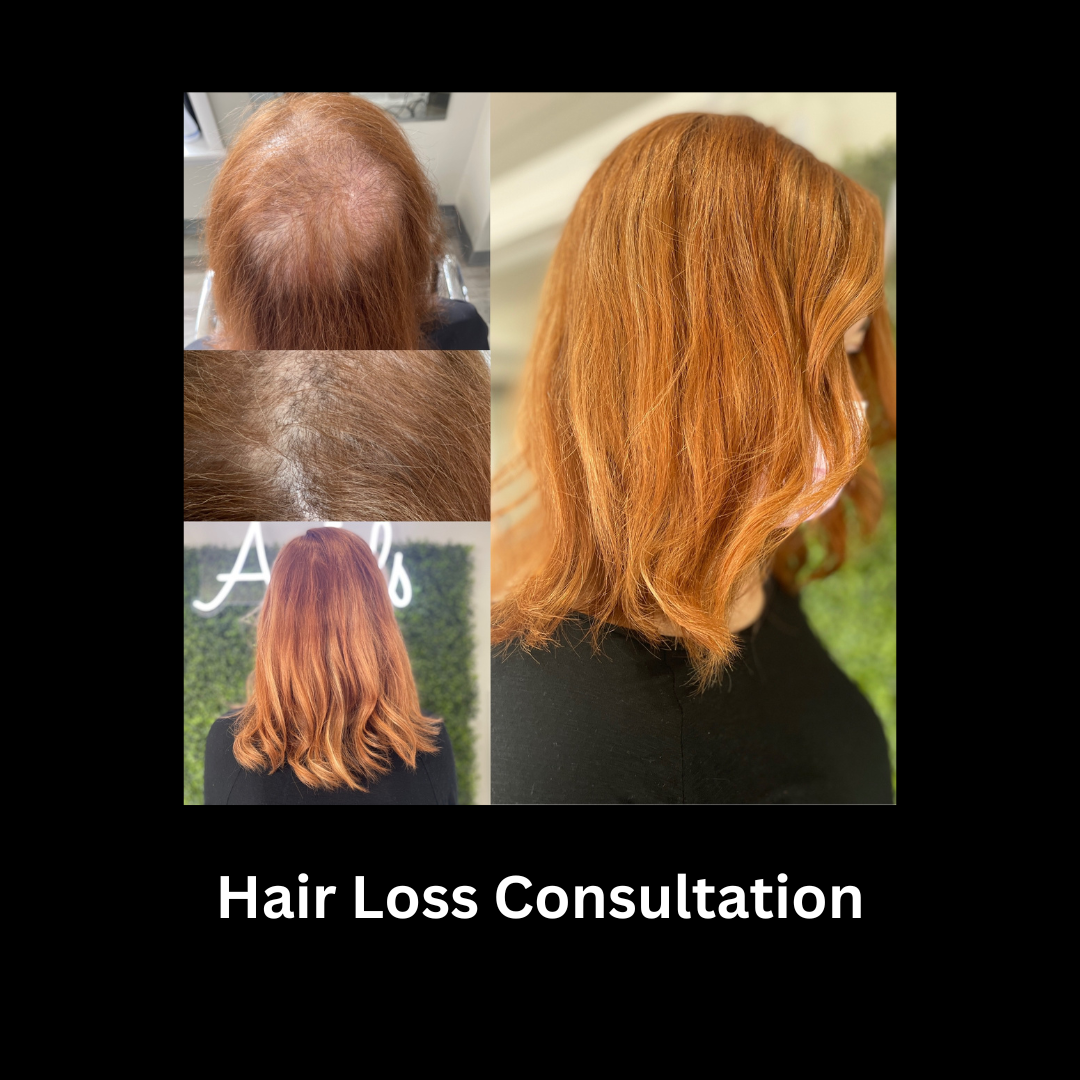
There are trade-offs to consider. Because single drawn hair extensions include a range of lengths, the ends will look thinner than the roots. If you want a blunt, thick line or an ultra-voluminous ponytail, the taper can feel underwhelming. Clients dealing with hair thinning may also feel that the lighter tips don’t provide enough bulk to camouflage sparse areas, especially near the perimeter.
Quality can vary widely depending on sourcing and processing. Some single drawn bundles blend in lower-quality hair or occasional synthetic fibers. Thoroughly reading product details and working with trusted professionals helps ensure you get real Remy hair extensions with aligned cuticles. Because strand lengths differ, neglecting routine maintenance can also produce tangles or matting more quickly near the ends. Gentle, frequent brushing, moisturizing masks, and mindful heat usage will significantly reduce those issues, but they require consistent care.
Durability is another point. Over time, shorter strands at the bottom can fray or split with aggressive brushing or high-heat tools, which may prompt earlier replacement for those who style daily. If your goal is a weighty, long-term investment with minimal end thinning, it might be worth comparing double drawn hair extensions despite the higher upfront cost. If the ends of your current hair are already fine, would a denser bundle better support your styling plans?
Benefits of Double Drawn Hair Extensions
Double drawn hair extensions are loved for their density, symmetry, and the way they hold a polished silhouette. Because a large portion of strands—often described in the 70–80% range—are the same length, the perimeter remains lush. This produces an instant “thick cut” effect, whether you wear your hair sleek and straight, set in rollers, or curled with a wand for that glamorous, photo-ready finish.
Uniform thickness makes styling more predictable. Curls tend to look even from mid-lengths to ends, blowouts keep that round, plush edge, and ponytails feel full from the band to the tips. If you’re crafting statement looks for events or you favor a sharp, blunt cut aesthetic, double drawn hair helps you get there faster. Many wig makers and extension artists also select double drawn bundles for designs that demand structural volume.
Another notable benefit is durability. Heftier ends often weather daily wear a bit better than finer tips, and the overall uniformity can make the hair feel fresher between trims. When paired with a thoughtful routine—detangling before bed, sleeping on a smooth pillowcase, and using heat protection—double drawn hair extensions can maintain their initial impact longer than lighter-tipped bundles.
Scenario to consider: You’re a frequent heat styler who loves sleek blowouts and high-impact curls. You also attend events where a bold, plush finish photographs best. A double drawn profile may align with your routine, giving you the striking, dense ends you want even after multiple styling sessions. Would a fuller baseline simplify your prep time and help styles last through long days?
Drawbacks of Double Drawn Hair Extensions
Density has a flip side: weight. Because double drawn hair extensions are thicker throughout, the bundle can feel heavier on the scalp than single drawn options. For some wearers, especially those with sensitive scalps or pre-existing issues, this extra weight may cause discomfort over extended wear. It’s important to discuss installation methods and weight distribution with your stylist to minimize strain.
Cost is another consideration. Double drawn hair typically commands a higher price than single drawn. For budget-minded shoppers, that may be a barrier, making it essential to evaluate whether uniform thickness is a top priority. Since double drawn hair is often compiled from multiple donors, bundle-to-bundle feel and longevity can vary by source and sorting quality. Establishing expectations around maintenance and realistic wear can help you decide if the higher investment aligns with your needs.
Lastly, maintenance can be more intensive. Thicker ends require careful heat management to avoid dryness and brittleness. Always apply a heat protectant, keep tools at moderate settings, and prioritize hydration with regular conditioning. A few mindful habits—like detangling before washing and supporting wet hair carefully—go a long way toward preserving that plush edge. Would a slightly higher upkeep routine be worth it if you achieved the precise, glam silhouette you picture?
Comparison with Similar Hair Extension Types: Bulk Hair and Wefts
When comparing single drawn and double drawn hair extensions to related options such as bulk hair and wefts, the differences come down to structure and application. Bulk hair consists of loose strands that can be used for custom techniques, while wefts are pre-sewn bundles ready for installation. Single drawn hair bundles often appeal to anyone seeking a softer, more natural-looking taper, while double drawn extensions favor maximum volume and length uniformity.
| Feature | Single Drawn Hair | Double Drawn Hair | Bulk Hair |
|---|---|---|---|
| Thickness | Thinner at the ends | Consistently thick | Variable thickness |
| Length Uniformity | Mixed lengths | Mainly equal lengths | Mixed lengths |
| Price | More affordable | Higher price point | Varies based on quality |
| Application Ease | May require blending | Easier to apply with less blending | Requires additional work |
| Ideal For | Natural looks | Glamorous styles | Custom styles |
Scenario to consider: If you are a stylist building a custom install for a client with unique density needs in specific zones, bulk hair lets you place strands precisely where extra fullness is needed. For a client wanting instant, even fullness across the entire perimeter, a double drawn weft may be faster to apply and easier to blend. Which route matches the artistry or convenience you value most?
Longevity Expectations and Budget Planning for Hair Extensions
Although both types can last with proper care, expectations should match the profile you choose. Single drawn hair extensions may show wear at the ends sooner due to the presence of shorter strands, especially with frequent heat styling or rough detangling. Double drawn hair extensions, with a stronger perimeter, often feel resilient for longer, yet they still require mindful care to preserve that plush edge.
From a budgeting perspective, single drawn hair typically lowers initial cost but might need earlier refreshes if you’re hard on your ends. Double drawn hair often asks for a larger upfront investment but can postpone the need for extra wefts if maintained diligently. Planning with your stylist—considering trims, product routine, and your styling habits—can yield a realistic timeline and cost cadence.
Conclusion: Match Your Extensions to Your Lifestyle
The right hair extensions should fit seamlessly into your lifestyle—whether you want subtle fullness or a more dramatic transformation. Choosing the right method, length, and density makes all the difference in how your hair looks, feels, and holds up over time.
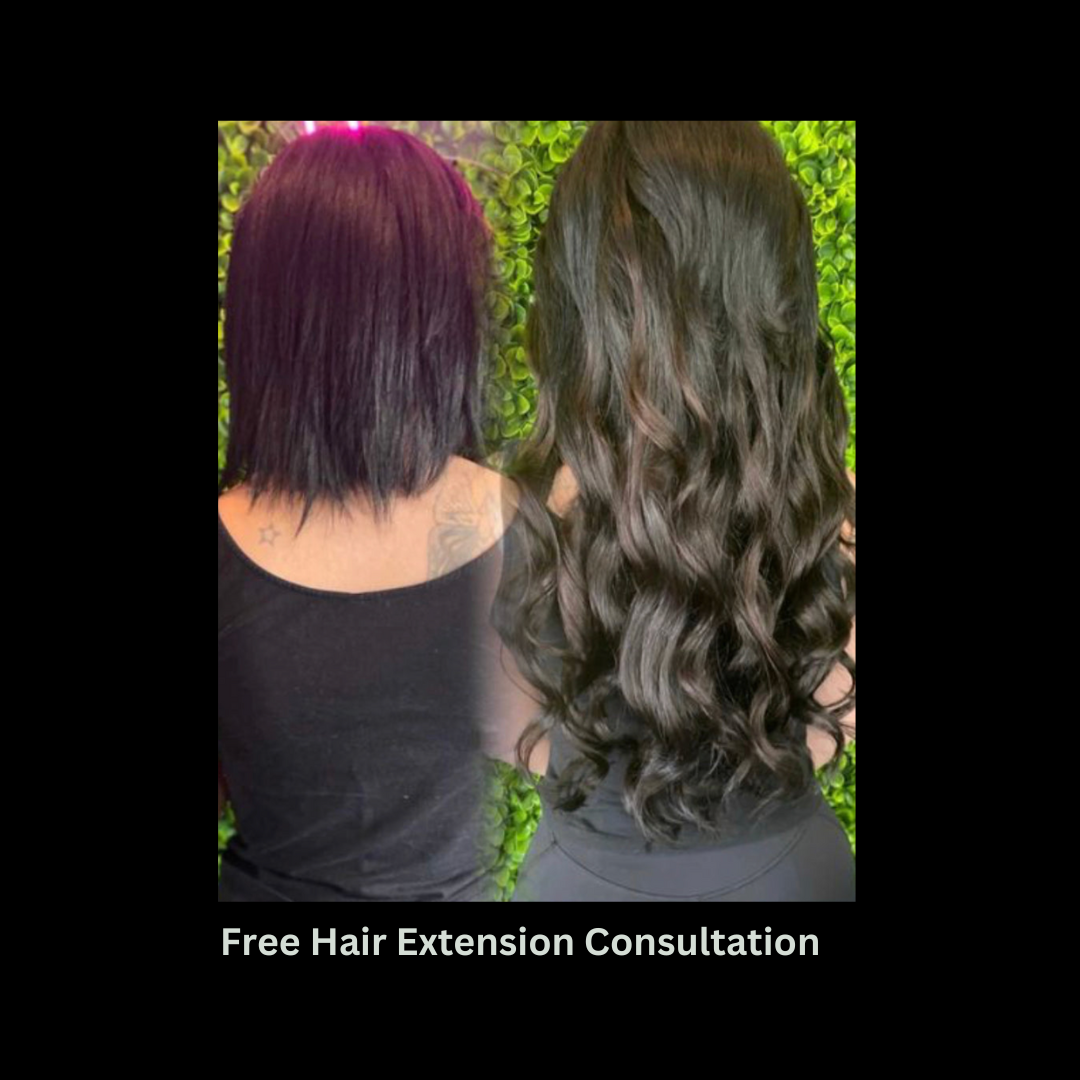
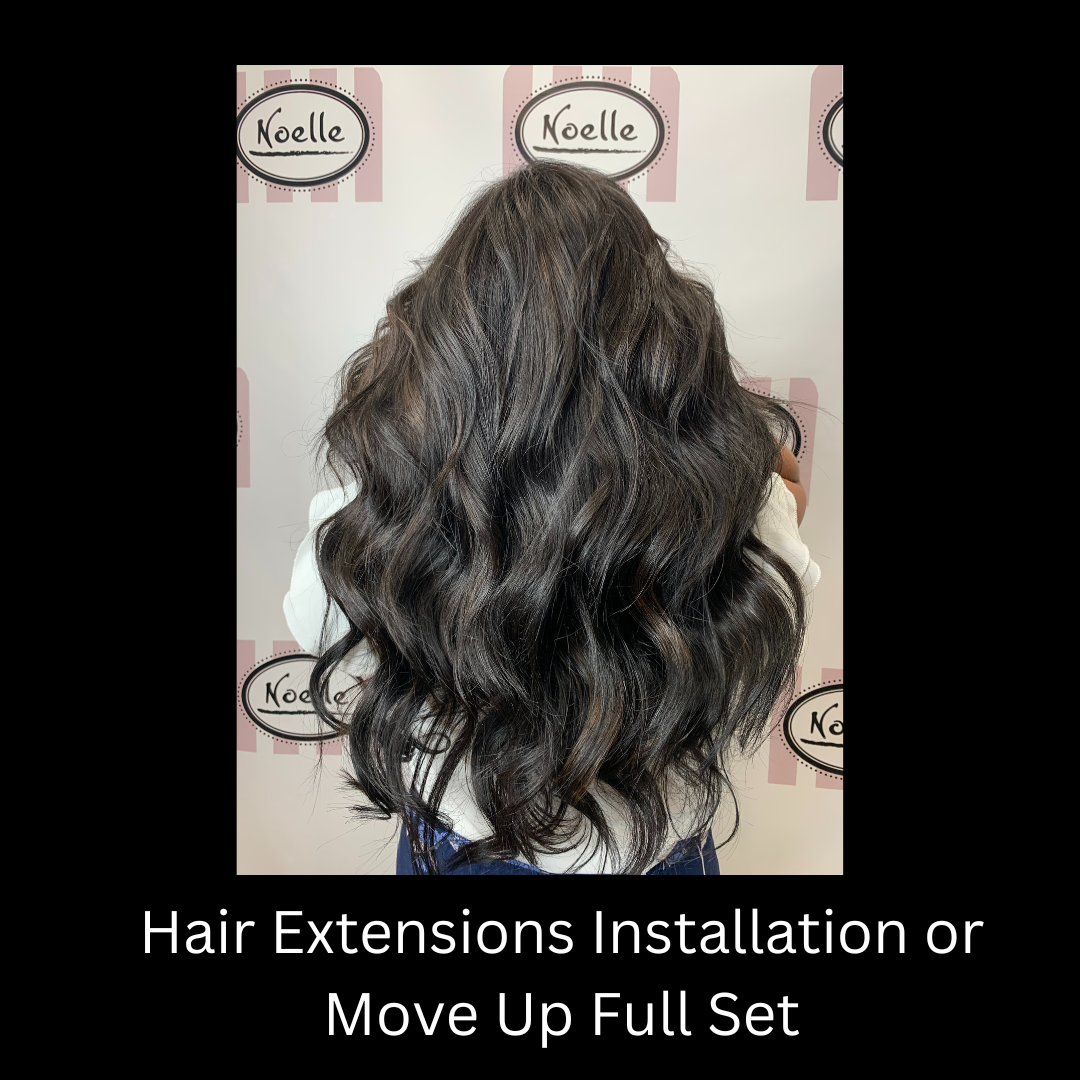
If you’re unsure which option is best, working with a specialist can help you avoid common mistakes and protect your natural hair. For hair extensions Boston clients trust, personalization is key to achieving a natural, long-lasting result. Book a free hair extensions consultation to get expert guidance and create a plan tailored to your goals, routine, and hair type.
Have you ever tried a method that didn’t work for your lifestyle? What would you do differently this time?


