

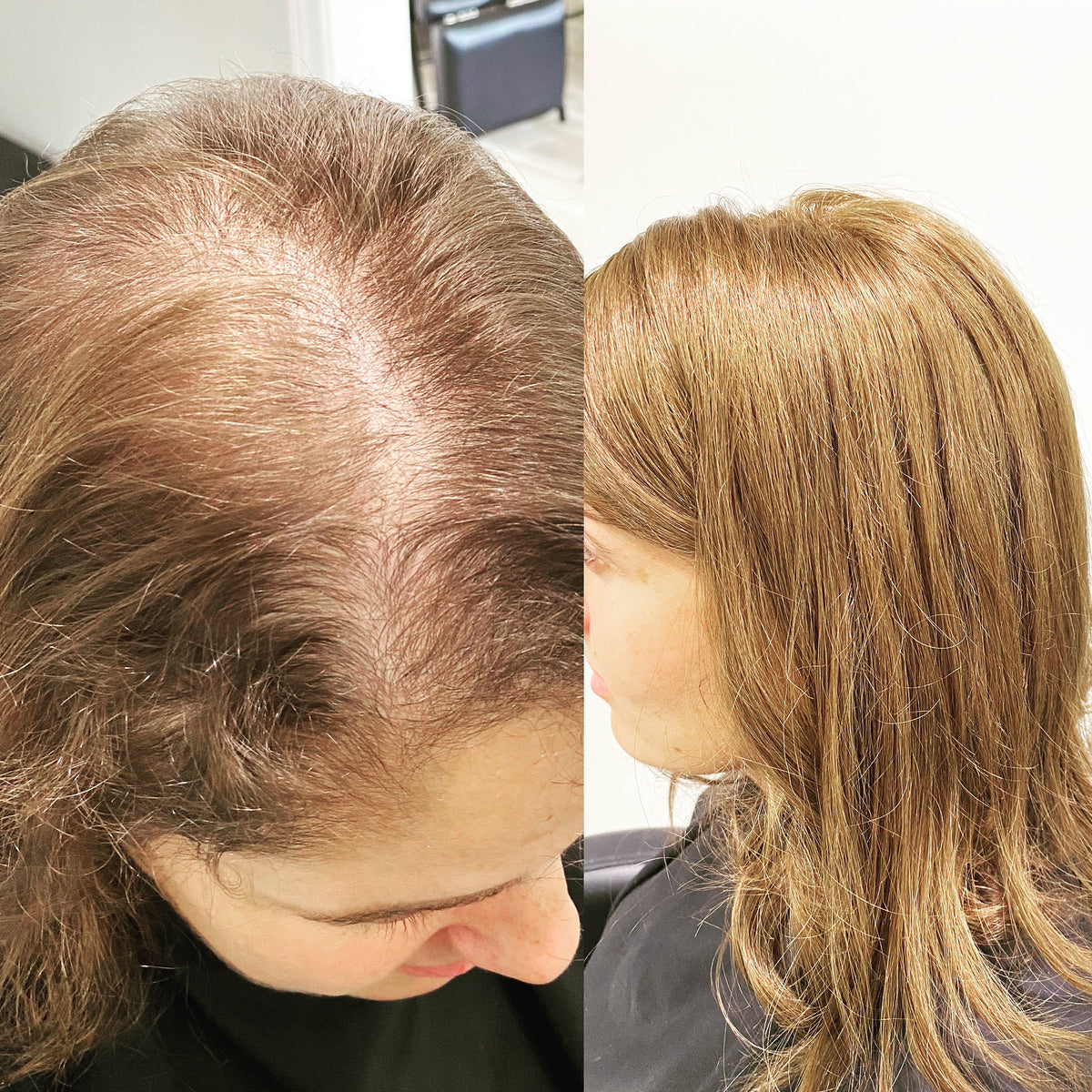


Losing hair can feel overwhelming, affecting how you see yourself and how confidently you move through daily life. For many women, changes in hair density or thinning can influence mood, style choices, and social comfort. Yet there are compassionate, effective ways to restore the look of fuller hair. Modern hair extensions for women offer versatile solutions for a range of concerns, from mild thinning to specific areas of loss. In this article, we’ll explore how extensions can support those experiencing hair loss, outline methods that work well for different patterns, and share care tips to keep your hair feeling comfortable and looking natural.
I’m frequently asked whether hair extensions in Boston work for hair loss because they seem like a simple, accessible fix. The reality is nuanced: extensions can absolutely help, but success depends on cause, placement, and the condition of the existing hair. Below is a clear breakdown of how I approach this topic.
Section 1: Understanding Hair Loss
Hair loss shows up differently for everyone. It can stem from medical conditions such as alopecia areata, a condition in which the immune system mistakenly targets hair follicles, causing patchy loss. It may also appear as female pattern balding—gradual thinning at the crown and along the part—or follow chemotherapy, where hair falls out due to the treatment’s impact on rapidly dividing cells. Each scenario carries distinct emotional weight, and it’s normal to feel frustrated or worried. Taking time to name the cause validates your experience and sets the foundation for the right solution.
Because extension attachments rely on existing strands for coverage, identifying the underlying reason for shedding is essential before choosing a method. A dermatologist, trichologist, or healthcare professional can evaluate your scalp, review your history, and help you understand whether your hair is in a stable phase, regrowth phase, or actively shedding. This knowledge makes it far easier to select options that are gentle, flattering, and sustainable for your lifestyle.
Section 2: Hair Extensions for Hair Loss
To create a natural result, you need enough hair to hide the extension attachment points. If your thinning is primarily at the scalp and around the top of the head, traditional extensions may not be ideal on their own. In this situation, pairing a hair topper with carefully placed extensions underneath can be a better route. A topper blends seamlessly at the part line and crown while extensions add volume and length through the mid-lengths and ends.
Hair Loss At The Top Of The Head:
We offer two micro extension options that can be artfully concealed for the right candidate. These methods may suit those with diffuse thinning after chemotherapy, localized shedding from alopecia areata, small patches of hair loss, broader alopecia universalis where regrowth is present in certain areas, lichen planopilaris, and trichotillomania. Each tiny extension is attached to small strands of your natural hair. When the base hair is sufficient to drape over the bonds, the result appears discreet and soft.
The Combline Technique is a strand-by-strand approach: we connect one strand of hair extension to one strand of your own hair. A specialized adhesive is delicately combed through, and the strands are fanned out to mimic your natural growth pattern. The benefit is precision and custom density exactly where you need it.
V-Light hair extensions attach a few more strands at a time and can be appropriate when hair loss is limited and there is enough coverage to conceal the bonds. We typically secure four to five extension strands to two to three of your own, creating an ultra-flat, barely-there attachment. These links are color-matched and cured for durability, then removed gently when it’s time for maintenance. The finish is remarkably natural, especially in low-density zones that still have coverage.

Hair Extensions For Hair Loss On The Sides, Crown & Back Of The Head:
Veila Pull-Thru Hair Extensions are a favorite for many experiencing hair loss around the sides, lower crown, and back. These wefts are non-invasive, comfortable, and designed to blend invisibly into your style. Because they’re made from high-quality human hair, they move like your own and can be color-matched and cut to suit your haircut. The pull-thru method secures the extensions using your hair, distributing weight across multiple strands for a natural, balanced feel.
The Pull-Thru method uses your natural hair for anchoring and can be attached with as little as 3/4" of hair in qualifying areas. They stay well hidden when there is adequate density around the installation site. We often use this technique for clients with Trichotillomania to camouflage bald patches. Many clients report that the texture change creates a “barrier effect”—the sensation of pulling feels different with extensions in place, and that shift may help reduce the urge to pull in those zones.
Section 3: Choosing the Right Method
Even with a standout method like Veila Pull-Thru Hair Extensions, personalization matters. Some clients benefit from a combination approach to target different areas of thinning. Micro bonds, such as micro keratin attachments or V-Light links, can be blended with pull-thru wefts to fill subtle gaps, contour the hairline, or add incremental fullness at the crown. The result is a custom design responsive to your pattern of loss and daily styling habits.
A hybrid technique—mixing two or more extension types—often delivers the most natural, long-lasting outcome. For example, we might install pull-thru extensions where density allows for good coverage, then use smaller micro extensions like V-Light, micro keratin bonds, or the Combline Technique in lighter-density areas that need gentle, targeted placement. Working with a certified hair extension specialist helps you balance comfort, longevity, and the most flattering silhouette for your head shape and haircut.

How Long Does Your Hair Need to Be for Hair Extensions
When exploring extensions—including Crown Fusion—it helps to know the minimum length your hair needs for coverage. Ideally, you want roughly four to five inches of hair at the top to conceal attachment points. If your primary loss is at the top, a topper can offer more reliable coverage while extensions add fullness underneath. This pairing combines natural-looking part-line realism with the movement and length you love, and many find it more comfortable and customizable than wearing a full wig.
Here’s a simple way to think about it:
- Hair toppers: About 4–5 inches of hair is helpful at the crown for blending and clipping. Best for noticeable thinning or broader areas of loss at the top.
- Hair extensions: About 4–5 inches of overall length supports clean coverage of bonds or links. Best for building length and volume where you still have adequate density.
- Combined approach: Place extensions beneath a topper for seamless fullness from root to ends, especially when top coverage is the priority.
This combination can address hair loss while keeping your look soft and believable, balancing comfort and long-term maintenance.

Methods to Avoid With Thin Hair
If your hair is very fine or fragile, certain techniques may cause stress at the attachment site. Bonded extensions (keratin bonds) use heat during application, and that can be too much for delicate strands, increasing the risk of breakage. Micro or nano ring styles may concentrate weight on very small points, which can look stringy and feel uncomfortable on fine hair. Weave methods that rely on tight braiding can produce tension; when adhesives are involved, that combination may contribute to traction-related shedding over time.
Gentler alternatives like tape-in or clip-in wefts often distribute weight more evenly and can be customized to your density. The right hair care routine also makes a major difference: lightweight products, mindful heat use, and protective styles preserve the health of your natural hair while you enjoy added volume or length. Choosing conservative placement and checking in regularly helps you avoid overloading delicate areas.
Clarifying Extension Options: Methods and Best Uses
Because every head of hair is unique, it helps to understand what sets each method apart. Here’s a quick guide to common solutions mentioned above:
- Combline (strand-by-strand): Ultra-precise, one-to-one attachment ideal for delicate fill-in work around thin zones with sufficient coverage.
- V-Light: Small multi-strand attachments that lay flat and blend well where loss is limited but coverage exists.
- Veila Pull-Thru: Weft style that uses your hair to anchor; excellent for sides, crown, and back when density supports discretion.
- Hair toppers: Designed to cover top-of-head thinning and part-line visibility; pair beautifully with extensions underneath for complete coverage.
- Micro keratin bonds: Tiny bonds for targeted volume; best used strategically and gently on hair that can support them.
- Crown Fusion: A fusion-based solution requiring adequate length for coverage; often combined with a topper for top-of-head needs.
When planning your install, think about lifestyle, styling preferences, and sensitivity. Some clients prefer the feel of wefts; others love the custom placement of micro attachments. A thoughtful consultation maps thinning patterns, sets realistic maintenance expectations, and selects placement that looks authentic from every angle.
Creating a Natural Look With Thoughtful Placement
Extension artistry is about balance. Fine hair often benefits from lighter densities and staggered placement that echoes natural growth. Side and back areas can carry wefts more comfortably, while thin crowns may need micro attachments or a topper for believable coverage. Color matching, custom cutting, and blending layers are essential steps. Soft face-framing and interior texturizing can bring everything together so hair moves fluidly and styles easily at home.
Daily comfort matters, too. If you wear glasses, headbands, or protective styles, mention that in your consultation. These details influence where attachments will feel best and stay discreet. If you’re active or spend time outdoors, your stylist can optimize placement and maintenance intervals accordingly.
Conclusion
Hair extensions can be a powerful, confidence-boosting option within a thoughtful plan for hair loss. By identifying the cause, matching the right method to your density and pattern, and following a gentle care routine, you can achieve a natural look that supports your lifestyle. Whether that means a topper with extensions for top-of-head coverage, Veila Pull-Thru for the sides and back, or micro techniques for precise fill-ins, the right approach makes all the difference.
If you’re exploring solutions for thinning or hair loss, working with a specialist ensures your plan is safe, customized, and designed for long-term hair health. For hair extensions Boston clients trust for hair loss and fine hair, personalization is key. Book a free hair extensions consultation to evaluate your hair, explore comfortable options, and create a plan that restores both your look and confidence.
What step are you ready to take next to feel more like yourself again?


