


Do Wigs Cause Hair Loss: Here’s The Truth
Many people turn to wigs to change their look or manage thinning hair, but a common concern is whether wearing a wig can actually damage your natural hair. The truth is, wigs themselves don’t cause hair loss—but improper use, poor fit, or lack of scalp care can lead to breakage or thinning over time.
For those navigating hair loss Boston, understanding how to wear wigs safely is essential to protecting your natural hair while still enjoying the benefits of added volume, coverage, and versatility.
In this guide, we’ll break down the biggest myths about wigs and hair loss, what actually causes damage, and how to properly care for both your wig and natural hair so you can wear wigs confidently—without compromising your hair health.
7 Common Causes of Hair Loss From Wearing Wigs
Here's the short and sharp answer: No, merely wearing wigs doesn't directly induce hair loss. Still, specific aspects, such as how you wear and care for your wigs, might lead to hair damage, breakage, or hair loss over time.
-
Traction Alopecia
An extensively fitting wig or wearing one tightly may create friction, especially around your hairline. Over time, this friction manifests a type of hair loss known as "traction alopecia." This condition occurs when tension from hairstyles or accessories pulls on the hair follicles.
The more you wear lace front wigs or use adhesive products to secure your wig, the more likely you are to experience this phenomenon. It may cause stress on the edges of your hair, which can result in traction alopecia if not addressed on time.
-
Improper Haircare Underneath the Wig
When you frequently wear wigs, it's easy to overlook your natural hair and scalp underneath. Neglecting these can lead to issues such as:
-
Dryness: Your scalp needs moisture to prevent the brittleness of hair strands, resulting in hair fall.
-
Product Buildup: If your scalp is not cleaned frequently, remnants of products used might accumulate, causing potential scalp irritation.
-
Clogged Hair Follicles: When your scalp is not washed regularly with a clarifying shampoo, your hair follicles might get clogged, interrupting your hair growth cycle and eventually leading to thinning or shedding.
-
Allergic Reactions to Wig Materials
At times, a series of allergic reactions to wig materials may lead to hair loss. Certain individuals could be severely allergic to wig materials, causing itchy scalps or breakouts on the forehead.
Continual scratching to relieve this discomfort can severely damage the hair follicles and, once again, cause traction alopecia. It's crucial, therefore, to choose human hair wigs constructed from hypoallergenic materials or natural fibres.
How to Treat Hair Loss Caused by Wigs?
If prevention is not enough, various treatments are available to address wig-induced hair loss. From using topical solutions to exploring hair restoration treatments, let’s walk you through a few hair loss treatments caused by wigs. .
1. Topical Solutions
Topical remedies, such as Minoxidil, are FDA-approved treatments known for their effective role in hair regrowth in people with hair loss. Before embarking on any such treatment course, always consult a healthcare professional.
2. Hair Restoration Treatments
The following hair restoration treatments have been found effective for reversing hair loss:
-
Platelet-Rich Plasma Therapy: This involves injecting platelets from your blood into the scalp to stimulate hair growth.
-
Laser Therapy: Low-level laser therapy is a non-invasive treatment that uses light energy to stimulate hair growth.
-
Hair Transplant Surgery: This is considered a last resort, but it's effective. It involves transplanting hair follicles from a part of your scalp with enough hair to areas that are balding.
3. Consulting a Trichologist or Dermatologist
If you notice significant hair loss despite your best efforts, consult a dermatologist or trichologist. These professionals can diagnose the root cause of your hair loss, provide tailored treatment solutions, and guide you on how to prevent further hair damage or loss.
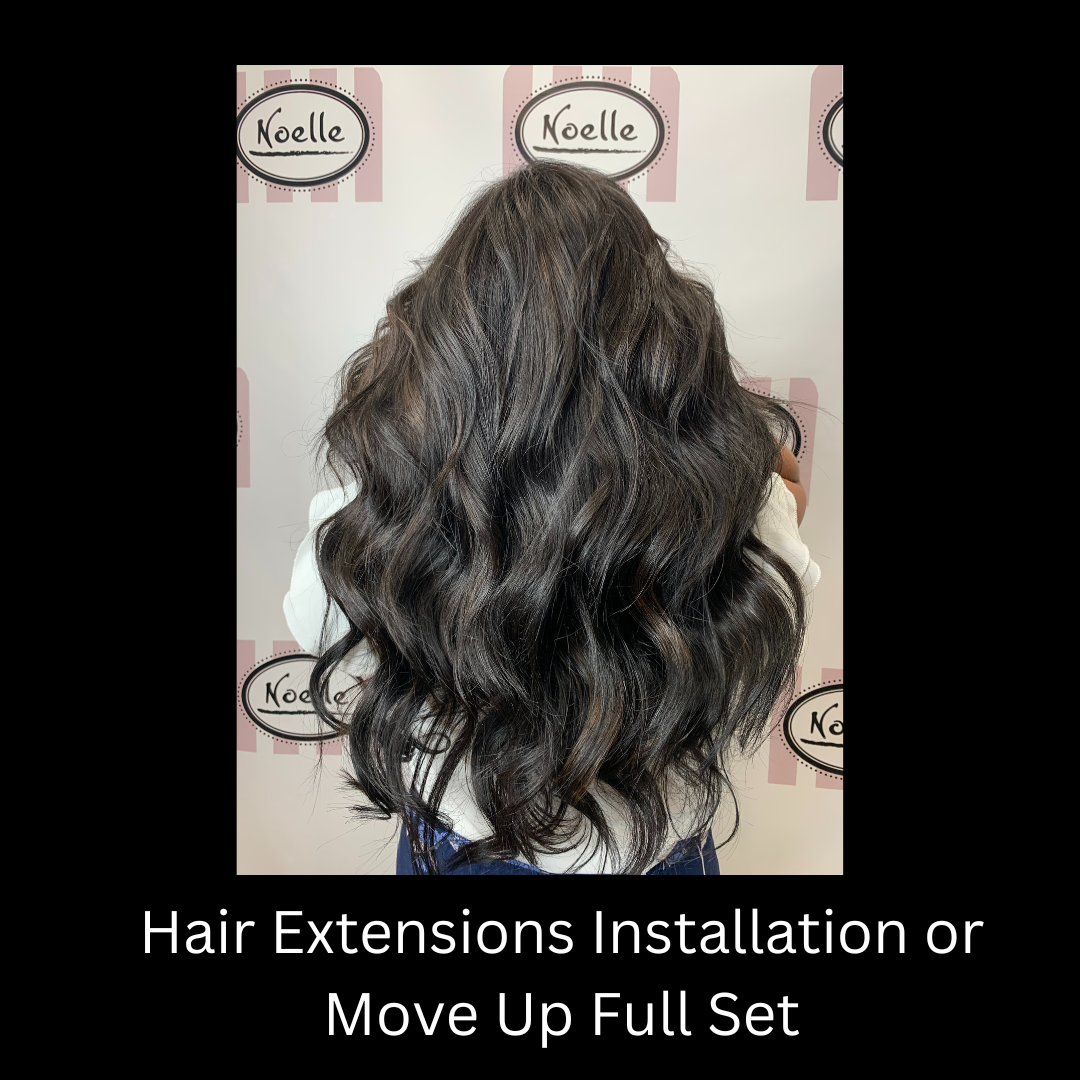
Worried about Hair Loss Caused by Wigs? Try Premium Real Human Hair Wigs at Noelle Salon
At Noelle Salon, we take pride in offering high-quality, real human hair wigs designed to provide a natural and flawless look. Whether you're seeking a solution for hair loss, exploring new styles, or adding volume, our expertly crafted wigs blend seamlessly with your natural hairline for unmatched comfort and confidence.
Our team works closely with you to customize the perfect wig that suits your style, ensuring you feel beautiful and empowered every day. Experience the difference of real human hair wigs at Noelle Salon—where beauty meets authenticity.
Conclusion
While wigs themselves do not directly cause hair loss, improper use and lack of proper care can contribute to hair damage and thinning. To minimize the risk of hair loss, it’s essential to follow proper wig application techniques, take regular breaks, maintain both your wig and natural hair and address any health issues that may impact hair growth. With the right care and attention, wigs can be a safe and stylish solution without compromising the health of your natural hair.
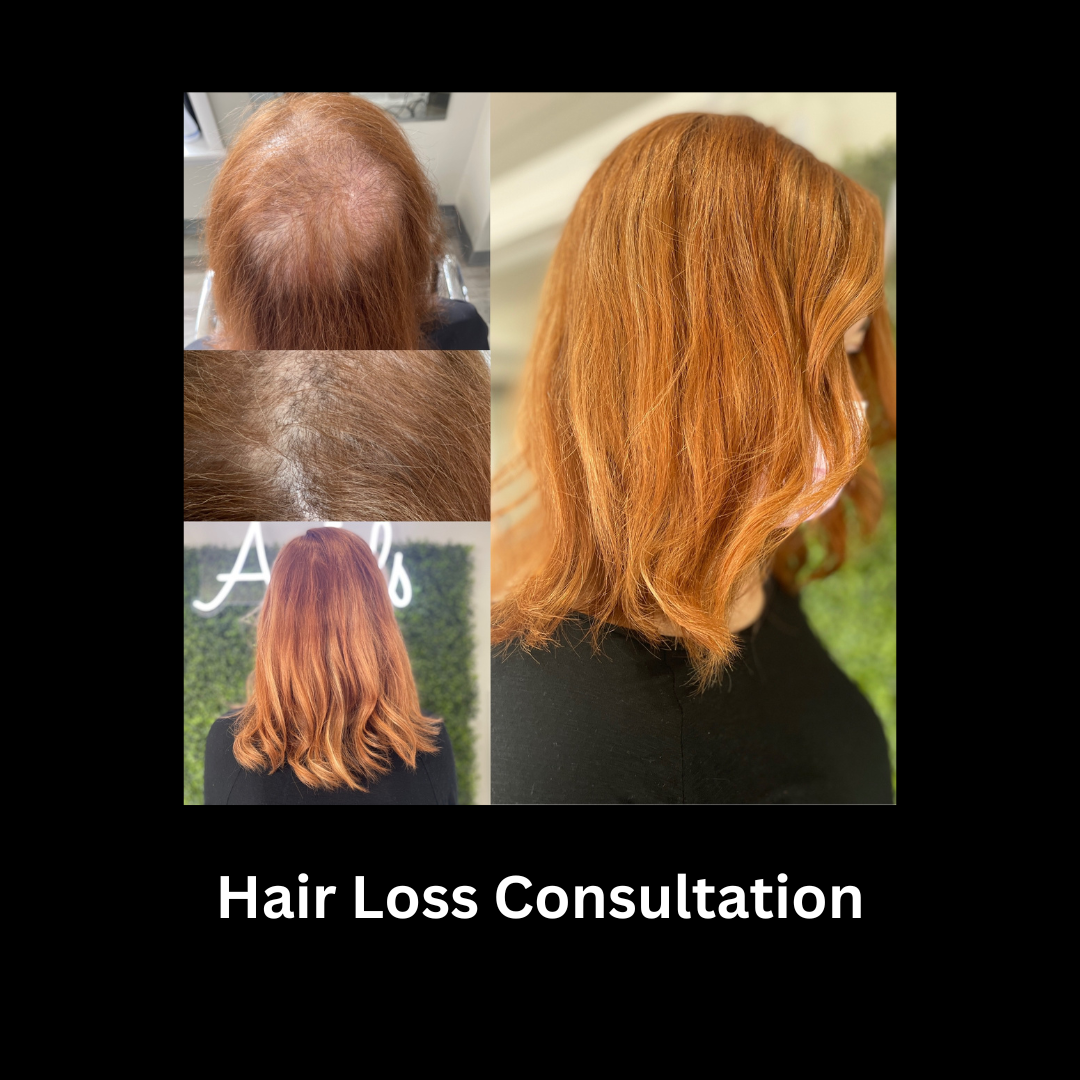
Now that you know the facts, why not take action? Start applying these tips and, if needed, or book a free hair loss consultation for advice to continue enjoying wearing wigs without compromising the health of your natural locks.
Frequently Asked Questions
Are wigs bad for your hair?
No, wigs are not essentially bad for your hair. However, improper fitting, poor maintenance, or long-term usage can cause issues like hair breakage and traction alopecia.
How often should I take breaks from wearing a wig?
Ideally, if you're a daily wig wearer, you should aim for a few hours or even full days off wearing a wig every week. It helps give your scalp a break and promote better air circulation.
How can I tell if my wig is causing hair loss?
If you notice increased shedding, bald patches, or irritation on your scalp, this could mean your wig is causing hair loss. In this case, consider reassessing your wig-wearing habits or consulting a professional.


