

Top Trichologist Boston: Expert Hair Loss Guidance
Comparing Experts: Trichologist vs. Dermatologist
When hair thinning, shedding, or scalp discomfort begins, choosing the right professional can feel overwhelming. If you’re searching for answers related to hair loss Boston, understanding the difference between a trichologist and a dermatologist is an important first step toward getting the right care.
Trichologists focus specifically on hair and scalp health, with an emphasis on the hair growth cycle, scalp balance, and cosmetic concerns that affect how your hair looks and feels. Their approach is often holistic and education-based, helping clients improve scalp health, daily routines, and non-surgical solutions for thinning or hair loss.
Dermatologists, on the other hand, are medical doctors trained to diagnose and treat conditions affecting the skin, hair, and nails. They can identify underlying medical causes of hair loss—such as autoimmune disorders, hormonal imbalances, or scalp diseases—and may recommend prescription treatments, testing, or medical interventions.
Understanding how these roles complement each other can help you plan the right path forward. In many cases, the most effective approach combines both perspectives—starting with medical evaluation when needed, and then building a personalized plan to support scalp health, hair growth, and overall appearance.
In a climate like Boston’s, where seasonal changes can affect scalp moisture and hair behavior, this combined approach can be especially helpful. Working with both a trichologist and a dermatologist allows you to address underlying causes while also improving the look, feel, and manageability of your hair with targeted, non-invasive solutions.
Understanding Trichology and Its Importance
Definition check: Trichology is the branch of study focused on the structure, function, and disorders of the hair and scalp. A trichologist is trained to assess the hair shaft, follicle, and scalp environment, offering non-medical guidance to improve hair density, resilience, and comfort. If your primary questions revolve around hair breakage, excessive oiliness, cosmetic scalp issues, or daily care practices, this specialty can be a strong first stop. Does your concern feel more lifestyle- or product-related than medical?
Another essential term is alopecia, a general word for hair loss that may result from hereditary factors, hormonal shifts, autoimmune processes, nutritional deficits, or mechanical stress. Alopecia can be temporary or chronic, diffused or patchy, and the pattern often hints at the underlying cause. Does your hair loss follow a pattern at the temples and crown, or do you see scattered thinning and widening of the part?
Trichologists craft tailored plans that consider your hair history, styling habits, and scalp sensitivity. They regularly address concerns like pattern thinning, brittle strands, traction from tight styles, or irritation from products. They also support the emotional side of hair loss—helping you set achievable goals, track progress, and stay consistent with care. Could a supportive, step-by-step plan make your regimen easier to follow?
Some trichologists incorporate a holistic philosophy: they look beyond symptoms to root contributors such as stress, sleep quality, diet, and hair-care routines. Blends of botanical oils, targeted scalp massages, and gentle cleansers or exfoliants can be used to rebalance the scalp environment. Would improving your daily routine and scalp hygiene feel like a manageable first step?
Light-based therapies are another option. Low-level light therapy (LLLT) exposes the scalp to gentle wavelengths thought to enhance cellular activity in hair follicles and support microcirculation. Alongside light therapy, trichologists may suggest nutrition adjustments, vitamins when appropriate, and habit changes that reduce breakage and improve scalp comfort. Are you interested in non-invasive methods that you can combine with good home care?
Dermatologists are medical doctors trained to diagnose and treat an extensive range of skin, hair, and nail conditions. They can order tests, prescribe medications, and manage complex disorders where inflammation, infection, or autoimmune activity might be driving hair loss. If you have pain, persistent inflammation, sudden shedding, or signs of an underlying skin disease, a dermatologist’s medical evaluation is essential. Do your symptoms suggest a medical issue—like scaly plaques, pus-filled bumps, or intense itching—that warrants a doctor’s assessment?
When to Consult a Hair Specialist
Consider a trichologist if you’re noticing steady shedding, diffuse thinning, increased breakage, oily or flaky scalp, or style-related hairline stress. Early intervention can help protect follicle function and improve the scalp environment. Trichologists can also spot care mistakes—over-washing, under-cleansing, harsh styling—that disrupt the scalp’s balance and weaken hair over time. Are your current products or styling methods possibly contributing to your hair concerns? If symptoms escalate rapidly, are painful, or include visible lesions, prioritize a dermatologist visit.
For many Boston residents, a trichology consultation provides a practical starting point: you’ll get a thorough review of your day-to-day habits and a personalized plan you can implement right away. If you’re unsure whether your issue is medical or cosmetic, a trichologist can often identify red flags that call for a dermatologist referral. Would you feel more confident beginning with a comprehensive scalp and routine analysis?
Holistic vs. Medical Treatment Approaches
Trichologist’s Approach to Treatment: Nutrition, Scalp Care, and Hair Thinning
Trichologists evaluate scalp pH, sebum levels, flake type, density patterns, breakage points, and hair fiber quality. They then create individualized programs that might include gentle exfoliation, soothing or clarifying scalp treatments, mindful detangling, heat protection, and protective styling. They may also discuss stress management, hydration, and protein intake—all of which influence hair resilience. Which lifestyle or care shifts could you commit to for the next 90 days?
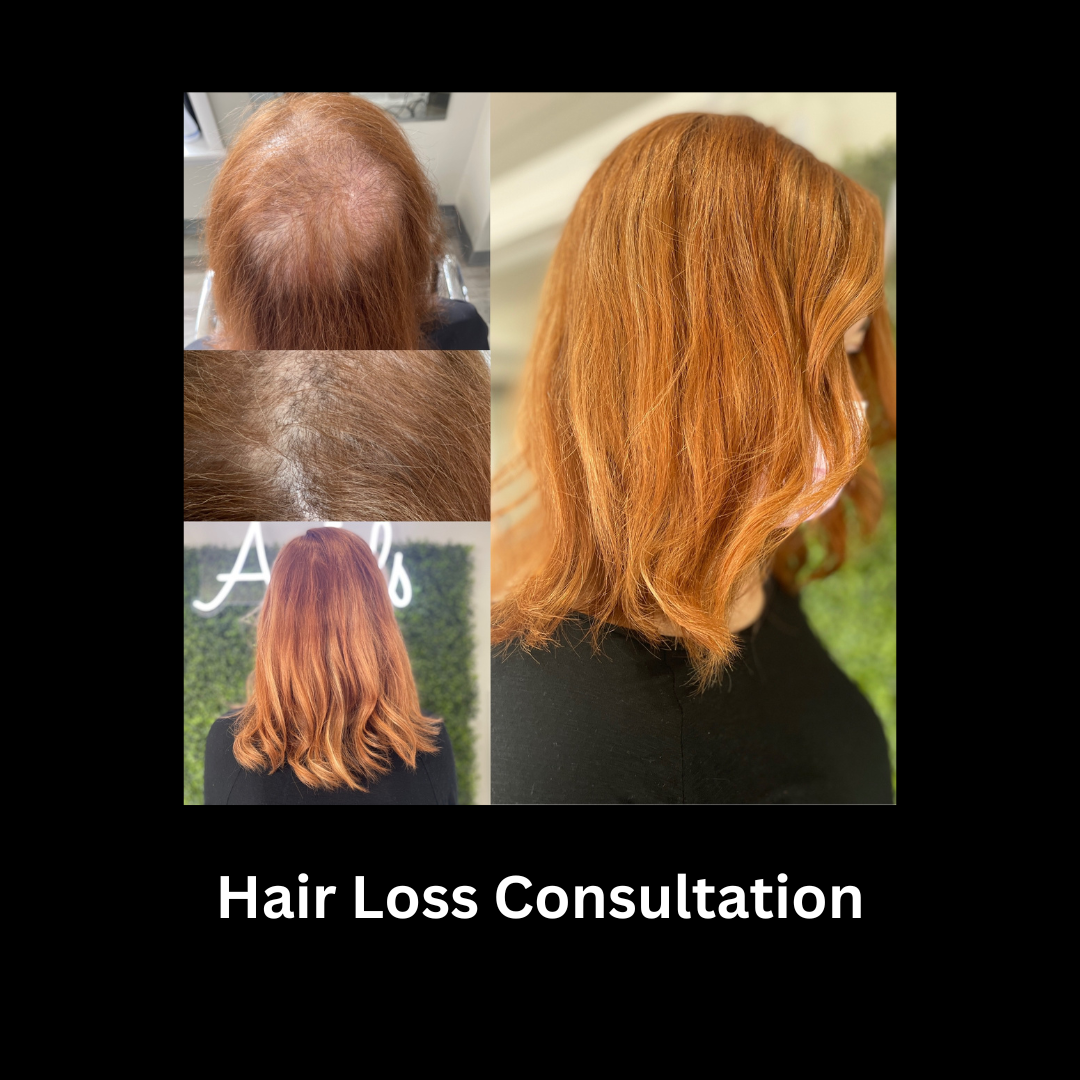
Recommendations often address both internal and external factors: nutrient-dense meals to support follicles, scalp treatments that calm irritation or reduce buildup, and simple routines to strengthen hair during washing, drying, and styling. With formal training and mentorship, certified trichologists help you set measurable milestones—like reduced shedding during brushing or less itch between washes—so progress feels tangible. Below, a Boston trichologist provides a calming scalp treatment for hair thinning as part of a tailored hair loss solutions plan.
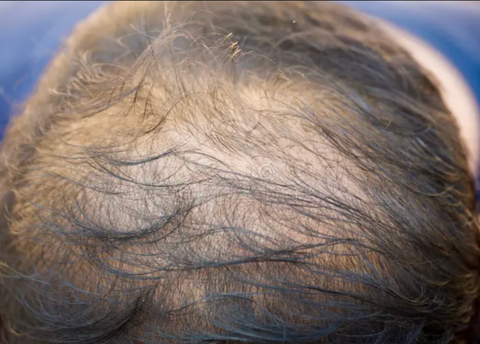
Working closely with a trichologist, you receive guidance that adapts as your scalp responds. For example, a plan may begin with calming a reactive scalp using gentle cleansers and soothing ingredients, then shift to light stimulation therapies and targeted leave-ins as comfort improves. Does a phased, feedback-driven plan sound like a better fit than a one-size-fits-all routine?
Benefits of Consulting a Trichologist
With a trichologist, you gain access to a specialist who understands hair biology and scalp ecology. Common concerns such as pattern thinning, alopecia, diffuse shedding, breakage, and cosmetic scalp issues can be assessed with a plan tailored to your goals. Trichologists explain why shedding occurs, how scalp tension or buildup affects follicles, and which home habits can ease symptoms. Would clearer guidance help you feel more in control of your day-to-day hair care?
You also receive ongoing support. Trichologists track your progress, celebrate small wins, and troubleshoot setbacks—especially helpful during stressful periods or seasonal changes in Boston that can challenge scalp balance. How valuable would steady coaching be while you work toward stronger, fuller-looking hair?
When to Consult a Dermatologist
See a dermatologist if you notice sudden, dramatic shedding; clearly defined bald patches; scalp pain, swelling, or lesions; or symptoms suggestive of autoimmune, infectious, or inflammatory conditions. Dermatologists are well positioned to evaluate conditions like alopecia areata, psoriasis, seborrheic dermatitis, folliculitis, and eczema. If hair thinning coincides with systemic symptoms, a dermatologist can coordinate care and recommend testing. Are your symptoms escalating quickly enough to warrant a medical workup now?
For advanced hair loss, dermatologists can discuss procedural options and, when appropriate, refer for hair transplantation. In many cases, they collaborate with trichologists to stabilize the scalp and maintain supportive care during and after medical treatment. The following image shows a Boston trichology consultation aligned with dermatology care to deliver personalized, comprehensive hair loss solutions.

Dermatologist’s Approach to Treatment
Dermatologists conduct medical histories, scalp examinations, and when necessary, biopsies or lab work. Based on findings, they may prescribe topical or oral medications, anti-inflammatory treatments, scalp injections, or other therapies to address the underlying cause of hair loss or scalp disease. They can also advise on timing for procedures such as hair transplantation when indicated. Do you prefer a data-driven plan that includes medical diagnostics and prescriptions when appropriate?
Where a trichologist emphasizes daily care and cosmetic scalp comfort, a dermatologist focuses on disease processes, inflammation control, hormonal influences, and infection management. Many patients benefit from blended care—medical stabilization followed by or combined with supportive scalp and hair routines. The next image depicts a dermatology treatment setting used alongside trichology care in Boston to support long-term hair loss solutions.

Benefits of Consulting a Dermatologist
A dermatologist brings medical expertise to complex or rapidly progressing cases. They can diagnose inflammatory scalp diseases, assess hormonal patterns, manage infections, and identify autoimmune factors contributing to hair loss. For individuals dealing with male or female pattern hair loss, scarring alopecias, or severe inflammation, medical oversight is crucial. Would knowing the medical drivers of your hair loss help you choose the right long-term plan?
Dermatologists can also provide or coordinate procedural care, from scalp injections to surgical restoration when non-invasive methods have plateaued. Having access to a spectrum of medical options ensures you can pursue the most appropriate pathway for your diagnosis. Do you want a clear picture of all your medical treatment options before deciding your next step?
Expertise and Training: What Sets Each Specialist Apart
Dermatologists complete rigorous medical school training, residency, and board certification to treat skin, hair, and nail conditions. Their expertise covers inflammatory, infectious, autoimmune, and neoplastic disorders. Trichologists specialize in the science of hair and scalp, focusing on follicle function, scalp balance, cosmetic scalp concerns, and practical care protocols. While trichologists do not prescribe medication, they offer detailed, hands-on guidance to improve scalp comfort and hair appearance. Which type of expertise best matches the questions you need answered right now?
Think of it this way: dermatology determines the medical “why” and treats disease; trichology optimizes the daily “how” to support comfort, appearance, and consistency. For many in Boston, combining both yields the best of diagnostic certainty and lifestyle-friendly strategies. Would a two-pronged strategy help you address both cause and care?
Holistic vs. Medical: Comparing Treatment Approaches
Dermatologists often employ prescription therapies, targeted injections, and, when appropriate, surgical solutions to manage hair loss or scalp disease. Trichologists emphasize scalp hygiene, hair fiber protection, gentle stimulation, and lifestyle adjustments that nourish follicles. Together, these perspectives can stabilize active disease processes while supporting the cosmetic look and feel of your hair day to day. Do you prefer starting with medical certainty or lifestyle optimization—or both in sequence?
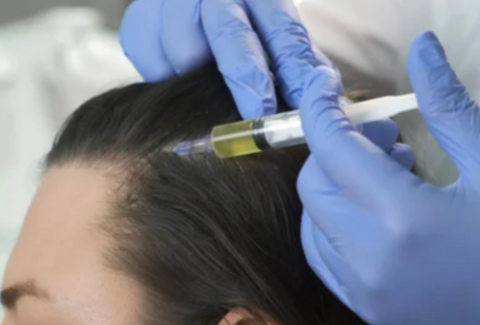
Botulinum toxin for skin concerns, skin cancer screenings, and other medical dermatology services fall within a dermatologist’s purview, whereas trichologists will focus on hair fiber quality, scalp comfort, and techniques to reduce breakage and tension. Below is a visual of dermatology-focused hair treatment methods often paired with Boston trichologist guidance for comprehensive hair loss solutions.

Effectiveness of Treatments: What Outcomes Can You Expect?
Both paths can be effective when matched to the right diagnosis and goals. Dermatologists address disease activity, inflammation, and hormonal or immune drivers; trichologists optimize scalp conditions, reduce aggravators, and improve the cosmetic quality of hair. For infections or inflammatory scalp disorders, a physician may prescribe antifungal or anti-inflammatory medications. Meanwhile, a trichologist’s ongoing coaching helps maintain comfort and encourages adherence to routines that support regrowth. Which combination of medical and non-medical care seems most practical for you to sustain?
Expectation setting matters: regrowth timelines vary by cause, and some conditions aim for stabilization rather than dramatic density changes. Clear goals—reduced shedding, comfort between washes, fewer breakage points—help you measure progress meaningfully. What milestone would reassure you that your plan is working?
How Our Boston Practice Stands Out: Technology, Personalization, and Ongoing Support
At our Boston clinic, we personalize every plan. We employ advanced tools and pair them with one-on-one education, so you understand each step. Our experience with varied hair types and scalp sensitivities helps us tailor solutions that are realistic and sustainable. Would a plan designed around your routine and preferences keep you more consistent over time?
We offer options such as low-level laser therapy and customized scalp stimulation designed to encourage circulation around the hair bulb and improve scalp comfort. We integrate CRLAB’s trichology protocols—such as low-energy Tricopulse helmet use with effective diodes—to help reduce scalp bacterial load and support a healthier environment for growth. Alongside technology, we focus on education and progress tracking. Do you feel more confident when you know exactly why each step is in your plan?
Our care doesn’t end after a single visit. We reassess, refine, and adjust, helping you stay engaged through Boston’s seasonal changes and life’s stressors. The result is a transparent process with measurable checkpoints and clear communication. Would regular follow-ups and adjustments make your plan easier to sustain?
Benefits of Dual Consultation
Sometimes optimal results require both specialties. For example, a dermatologist may control inflammation while a trichologist fine-tunes scalp comfort and hair-handling practices to reduce breakage. This collaborative model ensures that medical drivers are treated while daily care supports long-term outcomes. Could a shared-care approach reduce your trial-and-error and shorten your time to improvement?
Think about your symptoms and goals: if you’re experiencing pain, visible lesions, or abrupt shedding, start with a dermatologist. If you’re dealing with ongoing scalp discomfort, buildup, styling stress, or cosmetic flaking, a trichologist is a great first step. As your plan evolves, the two providers can coordinate to maintain momentum. Would a clear division of roles help you decide your next appointment?
Coordinating Care Between a Trichologist and a Dermatologist
Effective coordination means aligning medical treatment timelines with supportive care. For instance, during a course of physician-led therapy, a trichologist can help you select non-irritating cleansers, schedule gentle exfoliation appropriately, and prevent breakage with low-manipulation styling. After stabilization, the focus shifts to long-term maintenance and scalp comfort. What support would help you stay on track during a medically directed phase of care?
Shared updates between providers can reduce conflicting advice and streamline your routine. If both professionals understand your goals and sensitivities, they can fine-tune recommendations so that every step complements the others. Would you benefit from a plan where each specialist knows what the other has prescribed or recommended?
What Is the Difference Between a Trichologist and a Dermatologist?
A trichologist specializes in hair and scalp conditions from a non-medical standpoint, focusing on care strategies that improve comfort, appearance, and daily manageability. A dermatologist is a medical doctor addressing a wide range of skin, hair, and nail conditions, including those requiring prescription therapy or procedures. When combined, these roles cover cause and care—medical diagnosis and day-to-day maintenance.Which knowledge gap do you most want to fill right now: underlying cause or practical routine?
In practical terms, a trichologist helps you optimize the scalp environment, refine your regimen, and nurture hair vitality, while a dermatologist identifies and treats disease processes. In Boston, where environmental and seasonal factors can challenge scalp balance, this integrated perspective can be especially helpful. Would clearly defined responsibilities between your providers make your journey smoother?
Featured Surgical and Non-Surgical Treatment Options
We offer a broad range of hair restoration choices to address diverse needs. Surgical methods such as Follicular Unit Extraction (FUE) and Follicular Unit Transplantation (FUT) are designed to create natural-looking density where it’s most needed. For individuals not ready for surgery—or as part of a staged plan—non-surgical options such as Platelet-Rich Plasma (PRP) therapy can be considered. Which approach better aligns with your comfort level and goals right now?
We also incorporate tools like low-level laser therapy (LLLT) and carefully selected protocols using CRLAB products to support scalp health. These non-surgical methods can complement medical treatment or stand alone when a conservative plan is preferred. Alongside these options, simple refinements—like hair loss shampoo selection, wash frequency, and protective styling—can enhance outcomes. Could small, sustainable changes to your routine amplify the results of professional treatments?
How to Choose Between a Trichologist and a Dermatologist
Start by clarifying your main concern. If you suspect a medical or autoimmune condition, new bald patches, or painful inflammation, a dermatologist should lead. If your challenge seems tied to scalp balance, product reactions, or styling stress, a trichologist is a smart starting point. You can transition or add the other specialist as your plan evolves. What’s the single most pressing symptom you want addressed first?
Consider logistics, too: proximity in the Boston area, scheduling flexibility, and the cadence of follow-ups can influence adherence. Costs and coverage matter; medical visits may be eligible for insurance, while some non-medical services are out-of-pocket. Testimonials and before-and-after examples—when available—can reveal a provider’s strengths with concerns similar to yours. Would a provider who offers clear timelines and check-ins feel more supportive to you?
If you’re still unsure, many people begin with a trichology evaluation to optimize routine and identify warning signs that trigger a medical referral. Others start with a dermatologist to get tests and a definitive diagnosis, then layer in trichology care to maintain scalp comfort and support hair quality. Which pathway feels like the best match for your personality—diagnosis first, or routine first?
Is It Better to See a Trichologist or a Dermatologist for Hair Loss?
There is no one-size-fits-all answer. For pattern thinning, progressive shedding without pain, cosmetic scalp discomfort, and breakage, trichology-led care can be a productive beginning. For rapid changes, patchy loss, intense itch, or signs of inflammation, dermatology is the immediate priority. Many Boston patients benefit from both—medical stabilization when needed and ongoing trichology guidance to reinforce scalp comfort and daily hair strength. Which first step feels most actionable for you this month?
If cost or time is a barrier, start where the most value is gained quickly: either confirm or rule out medical causes with a dermatologist, or reduce aggravating habits and improve scalp care with a trichologist. Then, add the complementary provider when you’re ready. How soon would you like to see measurable improvements, and what kind of improvement matters most?
Seasonal Considerations for Hair Health in Boston
Seasonal humidity shifts can influence sebum levels and flaking. Consider adjusting your cleanser and conditioner seasonally, and add scalp treatments when indoor heating dries the air. Are you willing to tweak your products as the weather changes?
Urban living can expose your scalp to pollutants. Regular gentle cleansing and periodic clarifying can help reduce buildup that may weigh hair down or irritate the scalp. Would adding a clarifying step once or twice a month be manageable?
Active lifestyles along the Charles or on local trails mean sweat and sunscreen can accumulate at the hairline. Rinse promptly after workouts and use protective styling that avoids excessive tension. Could minor post-workout tweaks improve your scalp comfort?
Conclusion: Choose the Right Expert—and a Plan You Can Follow
Both trichologists and dermatologists play important roles in addressing hair loss and scalp concerns. Trichologists focus on non-medical strategies like scalp balance, routine optimization, and cosmetic solutions, while dermatologists diagnose and treat underlying medical conditions that may be contributing to hair loss.
For many in Boston, the most effective approach combines both perspectives—starting with medical clarity when needed, and building a supportive, sustainable routine for long-term results. Having a clear, personalized plan makes it easier to move forward with confidence and consistency.
If you’re experiencing hair loss, thinning, or scalp irritation, taking the first step can make all the difference. With the right guidance, you can explore options ranging from non-invasive treatments like scalp therapies and LLLT to customized solutions designed to support both hair health and appearance.
👉 Book your free hair loss consultation and start building a plan tailored to your hair, your lifestyle, and your long-term goals.


