

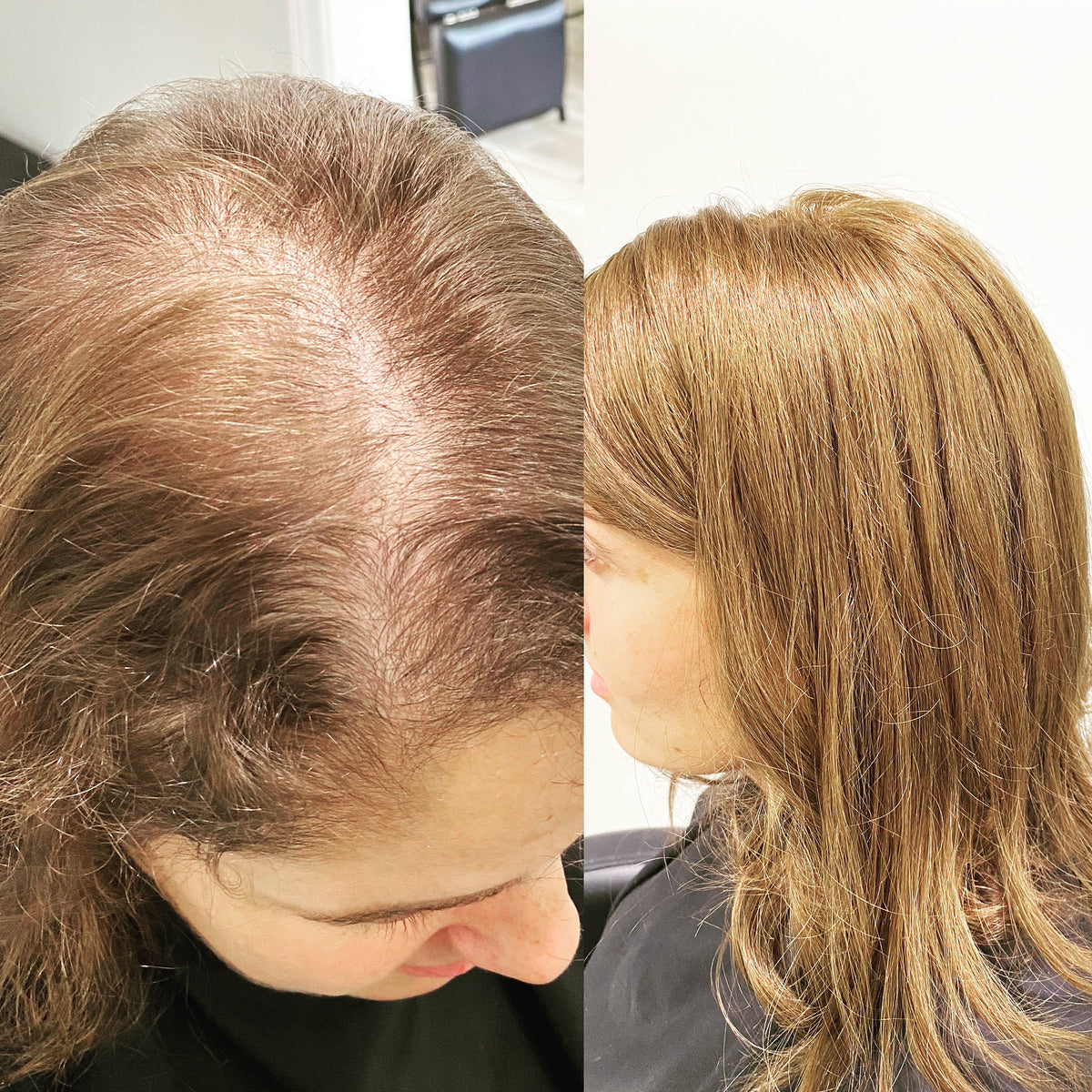


Revitalize Your Hair: Dry Hair and Dry Scalp Treatments Boston

- Dry scalp and dry hair can be treated effectively with the right scalp treatments and moisturizing treatments.
- Understanding hair porosity is important for effective treatment of dry hair and scalp.
- Scalp massage and red light therapy can improve scalp health and promote hair growth.
- Hydrating steam with moisture shock treatment can provide hydration and moisture to the scalp.
- Exfoliating scalp cleansing scrubs with ingredients like salicylic acid can help with scalp dryness and flaky scalp.
- Deep conditioning treatments are essential for lasting moisture and hydration for dry hair.
- Natural oils like olive oil and jojoba oil can nourish the scalp and add shine to the hair.
Introduction
For fast scanning, use this quick-start overview—bullet points help you spot symptoms, causes, and next steps at a glance.
-
Understanding Dry Hair and Scalp
- Common symptoms: an itch that won’t quit, flakes on your shoulders, hair that looks dull, a scalp that feels tight by midday, and ends that break faster than they grow.
- Impact: these frustrations can drain your confidence and patience—but you’re not alone.
- Relief roadmap: targeted dry hair treatment and gentle dry scalp treatment, paired with a consistent routine, can calm irritation, restore softness, and revive healthy-looking shine.
-
Key Causes
- Low sebum production.
- Frequent washing.
- Hard water and heat styling.
- Moisture-stripping hair care products.
- Underlying scalp conditions that trigger discomfort.
In this guide, we’ll walk through practical, salon-tested solutions to revitalize dry hair and scalp. You’ll learn why hair porosity matters, how scalp massage and red light therapy support circulation, and how hydrating steam with a Moisture Shock approach replenishes moisture. We’ll also cover exfoliating scalp cleansing scrubs, deep conditioning for lasting hydration, and natural oils that nourish and add shine—plus our signature scalp treatments and hair masks for dry hair offered near Boston. You’ll find routine adjustments for everyday care and advanced options for severe dryness in curly hair, grey hair, or in situations that include hair loss Boston. Imagine your hair feeling softer week by week and your scalp finally at ease—let’s make that your new normal.
Noelle Salon Treatments to Revitalize Dry Hair and Scalp
Dry hair and scalp can be brought back to balance with thoughtful, targeted care. The most effective dry scalp treatment or dry hair treatment starts with understanding what’s underneath the symptoms. Low oil output, over-washing, harsh surfactants, heat styling, and scalp conditions such as seborrheic dermatitis all play roles in dryness. Once the core issue is identified, you can match the right strategy and see improvements faster. Noelle Salon treatments include scalp massage and red light therapy, hydrating steam with a Moisture Shock methodology, exfoliating scalp cleansing scrubs, deep conditioning, nutrient-rich natural oils like jojoba oil, rosemary, and coconut oil, and reparative hair masks with botanicals such as aloe vera.
-
At-a-glance treatment menu
- Scalp massage: boosts circulation and redistributes natural oils.
- Red light therapy: encourages healthy cellular activity.
- Hydrating steam + Moisture Shock: primes absorption and supports retention.
- Exfoliating scalp scrubs (salicylic acid): lift flakes and clear buildup.
- Deep conditioning: restores lasting moisture and softness.
- Natural oils (jojoba, rosemary, coconut): nourish scalp and add shine.
- Reparative masks (aloe vera): soothe and hydrate for comfort.
1. Mastering Hair Porosity: The Key to Effective Dry Hair Treatment
Hair porosity describes how easily your strands absorb and hold onto water and products. Think of it like the “openness” of your hair’s cuticle layer:
- Low porosity: The cuticles lie flat and tight, making it harder for moisture to get in—yet once inside, hydration tends to stay put. Products may sit on the surface without absorbing well.
- Medium porosity: Moisture moves in and out at a balanced rate, making care more predictable and flexible.
- High porosity: The cuticle has more gaps, so moisture enters quickly but also escapes just as fast—this often shows up as frizz, roughness, and a chronic thirst for hydration.
Why it matters: When you match your routine to your porosity, your dry hair treatment becomes more efficient. For example, heat or steam can help low-porosity hair accept conditioners, while high-porosity hair benefits from richer, sealing formulas to reduce moisture loss. Targeted ingredients like hyaluronic acid attract and bind water to the hair and scalp, making it a smart choice in both dry hair and dry scalp treatment plans. Selecting products that include hyaluronic acid can improve moisture balance and comfort without weighing hair down.
Definition boost: Seborrheic dermatitis is a common inflammatory scalp condition linked to flaking, oiliness, and irritation. While it’s different from simple dryness, it can coexist with dry sensations and requires careful, often medicated care to calm the scalp and restore balance.
2. Scalp Massage and Red Light Therapy: Circulation-Focused Dry Scalp Treatment
Scalp massage improves microcirculation around hair follicles, which can support healthier growth and more comfortable scalp function. It also helps move natural oils across the scalp’s surface, easing tightness and delivering a subtle, natural sheen to dry hair. Red light therapy uses low-level light to encourage cellular activity. Together, these techniques can reduce visible dryness, calm irritation, and support a better scalp environment. We often perform massage on dry hair to redistribute oils and add a light, pleasant aroma to your routine.
- Benefits you may notice: soothed itch, softer roots, and improved product absorption over time.
- Ideal cadence: consistent, gentle sessions deliver the most reliable comfort and cosmetic improvements.
3. Hydrating Steam with Moisture Shock Treatment: Deep Dry Hair and Dry Scalp Treatment
Hydrating steam is a powerful primer for moisture. Warm, gentle steam softens the cuticle and opens pathways so conditioners and masks can penetrate more effectively. Following the steam phase with a Moisture Shock step—typically a hydrating mask or conditioner tailored to your porosity—helps “lock in” water where your hair needs it most. For the scalp, steam can feel incredibly soothing, especially when dryness is linked to tightness or environmental dehydration.
- What to expect: softer hair, better slip, easier detangling, and a calmer-feeling scalp.
- Why it works: steam improves absorption; the Moisture Shock phase supports retention to reduce future dryness.
- Customization: we tailor timing and formulas to your porosity so the treatment hydrates without heaviness.
4. Exfoliating Scalp Cleansing: Reset for Flakes and Buildup
Exfoliating the scalp can be an essential dry scalp treatment when flakes and residue keep coming back. A well-formulated scalp scrub loosens dead skin, helps dislodge product buildup, and creates a cleaner canvas for moisturizers and serums. Salicylic acid is especially useful because it breaks apart the bonds between dead skin cells, unclogging follicles and restoring a fresher surface.
- Removes dead skin cells and visible flakes for a cleaner look and feel
- Unclogs hair follicles to support a healthier scalp environment
- Improves absorption of hydrating products applied afterward
- Helps reduce the cycle of dryness and flakiness over time
5. Deep Conditioning Treatments for Lasting Moisture
Deep conditioning is a cornerstone of dry hair treatment. When hair lacks moisture, it becomes brittle, stiff, and more prone to split ends. A concentrated conditioner or mask can help replenish the internal moisture reservoir and add flexible strength. Ingredients like shea butter, coconut oil, and argan oil are popular for a reason: they deliver rich, lasting hydration and soften the fiber for smoother styling.
- Use regularly: a weekly deep treatment helps maintain hydration and reduces the chance of future dryness.
- Apply mindfully: section hair, saturate evenly, and allow the formula to sit for the recommended time.
- Rinse thoroughly: leaving a heavy film can weigh hair down; aim for a clean, plush finish.
6. Natural Oils for Scalp Nourishment and Hair Shine
Natural oils can complement both dry hair treatment and dry scalp treatment by softening the skin, adding gloss, and helping moisture stay put. Olive oil brings antioxidant support, while jojoba oil mimics the scalp’s natural sebum to moisturize without a greasy feel. A few drops of rosemary or lavender oil blended into your base oil may enhance the sensory experience and scalp comfort. Apply sparingly to avoid heaviness: a small amount goes a long way on both scalp and mid-lengths.
- Olive oil: rich, nurturing, and smoothing—ideal for ends that look dull or feel rough
- Jojoba oil: lightweight and sebum-like—great for scalp comfort and subtle shine
- Optional aromatics: rosemary and lavender add a soothing, spa-like finish
Essential Routine Adjustments for Dry Hair and Scalp Care
Smart daily habits can elevate every treatment you try. To keep dryness in check, consider these simple but impactful shifts:
- Use a gentle shampoo: Choose formulas made for dry hair or a sensitive scalp to avoid over-stripping.
- Limit washing frequency: Stretch days between washes to allow protective natural oils to do their job.
- Use dry shampoo sparingly: Overuse can add buildup and contribute to scalp discomfort.
- Choose products carefully: Avoid harsh chemicals and prioritize hydrating, scalp-friendly blends.
Monthly in-salon treatments and following these instructions will help to avoid future dry scalp and hair!
1. Adjust Washing Frequency to Preserve Natural Oils
Finding your ideal wash rhythm is one of the easiest ways to support comfortable, hydrated hair and scalp. Over-washing can strip away protective sebum, while under-washing can leave behind flakes, sebum, dirt, and product residue that feel irritating. Many people find that washing every other day or every third day offers a better balance. You can also use an apple cider vinegar rinse—diluted with equal parts water—to help break down buildup and maintain freshness without harshness. Experiment to discover what keeps your hair bouncy and your scalp clear.
2. Choose the Right Shampoo and Conditioner for Dry Hair
Product selection is pivotal. Look for shampoos labeled for dry hair or sensitive scalps and avoid harsh sulfates when possible. Gentle cleansers help preserve your natural oils, while conditioners rich in shea butter, coconut oil, and argan oil replenish moisture. If your scalp is prone to irritation, soothing, minimalist formulas often perform best. The right pairing sustains hydration between treatments and keeps your routine simple, effective, and comfortable.
- Gentle cleansing: supports scalp balance while removing daily impurities
- Nourishing conditioning: restores softness, adds slip, and reduces breakage
- Consistency: sticking with a compatible pair enhances results over time
3. Use a Humidifier in Your Sleeping Environment
Dry indoor air can pull moisture from your hair and scalp overnight. A humidifier helps maintain a comfortable environment so your treatments last longer and your scalp wakes up feeling balanced rather than taut. Many people also notice benefits for their skin and overall comfort during dry seasons or in climates with low humidity.
- Supports moisture retention: reduces trans-epidermal water loss from hair and scalp
- Enhances treatment longevity: hydrated air complements hydrating products
- Comfort boost: may also ease dryness in skin and sinuses
4. Protect Hair from Environmental Factors
Sun, wind, pollution, chlorine, salt water, and high heat can dehydrate hair and sensitize the scalp. Simple protective steps help preserve moisture and reduce damage day to day:
- Wear a hat or scarf to shield hair and scalp from sun and wind.
- Use heat-protectant products before blow-dryers or hot tools.
- Rinse with cool water after swimming in chlorinated or salty water.
- Limit heat styling and choose lower temperatures when possible.
- Minimize exposure to harsh chemicals and pollutants whenever you can.
1. Professional In-Salon Scalp Treatments
Noelle Salon’s in-salon scalp services provide personalized care for significant dryness and irritation. A professional can assess your scalp, determine contributing factors, and apply targeted treatments. Sessions often combine deep cleansing, gentle exfoliation, and strategic hydration with products selected for your skin and hair type. Not only can this improve comfort and appearance, but the experience itself is relaxing—an opportunity to reset both scalp health and stress levels.
- What’s included: precise cleansing, measured exfoliation, and moisture delivery
- Why it helps: removes residue, supports a balanced scalp, and primes follicles
- Bonus: a calm, spa-like experience that makes consistent care enjoyable
2. Prescription Treatments for Scalp Conditions at a Dermatologist
When dryness is tied to conditions like scalp psoriasis or seborrheic dermatitis, prescription care may be the most direct path to relief. A dermatologist can confirm what’s happening on your scalp and recommend precise medications to address inflammation, itching, and visible flaking. These options are designed to treat the underlying issue, not just the symptoms, and can be used alongside a gentle at-home routine.
- Medicated shampoos with ingredients such as coal tar, salicylic acid, or ketoconazole
- Topical steroids to calm inflammation and reduce itch
- Topical vitamin D analogs to help regulate skin cell turnover
- Immunomodulators to address inflammatory responses at the source
Partnering with a dermatologist ensures you get an accurate diagnosis and a plan you can follow with confidence. They’ll also guide you on proper usage and how to integrate prescriptions with your regular products to avoid irritation.
Table: Prescription Treatments for Underlying Scalp Conditions
| Prescription Treatment | Description |
|---|---|
| Medicated Shampoos | Shampoos containing ingredients like coal tar, salicylic acid, or ketoconazole, which help reduce inflammation and treat scalp conditions. |
| Topical Steroids | Topical creams or ointments that contain corticosteroids, which reduce inflammation and relieve itching. |
| Topical Vitamin D Analogs | Creams or ointments that contain synthetic forms of vitamin D, which help regulate the growth of skin cells and prevent the buildup of scales. |
| Immunomodulators | Topical creams or ointments that suppress the immune response causing scalp inflammation in conditions like scalp psoriasis. |
Book A Treatment Today!
Dry hair and scalp don’t have to be your everyday reality. Understanding porosity makes each dry hair treatment more targeted; adding scalp massage and red light therapy supports circulation and comfort; and a hydrating steam routine with Moisture Shock helps hair drink in what it needs. Exfoliating scalp scrubs lift flakes so hydration can penetrate, deep conditioning restores lasting softness, and natural oils add a healthy sheen. Protecting your hair from the elements and fine-tuning your wash routine keep your results going strong. If your dryness feels severe, professional scalp care can deliver focused relief.
Take a proactive step now and begin building the routine that brings you calm, hydrated scalp comfort and silky, revitalized hair. Start today, and your future self—with smoother strands and a serene scalp—will thank you. Pair your at-home care with ongoing education and monthly treatments to reinforce your progress and enjoy beautifully maintained results. Book a free hair loss consultation.
Frequently Asked Questions
Can Diet Affect the Health of My Hair and Scalp?
Yes, nutrition plays a meaningful role in hair and scalp wellness. A balanced diet that includes a variety of vitamins, minerals, and protein supports healthy growth and resilience. Adequate hydration also matters; drinking enough water helps maintain comfortable scalp moisture and flexible, touchably soft hair.
What Are the Signs of Damaged Hair?
Common signs include dryness, breakage, a rough feel, and an overall lack of shine. You may also notice more tangles, frizz, and a texture that feels less responsive to styling. If hair is shedding more than usual or snapping at the ends, it’s time to focus on repair and gentle handling.
Is It Possible to Repair Damaged Hair?
While severely compromised hair may not return to its original state, you can significantly improve look and feel with consistent care. Deep conditioning, protein-focused treatments, and regular trims can reinforce the fiber, enhance moisture, and reduce breakage. Over time, these habits can transform how your hair behaves day to day.
How Can I Prevent Dry Hair and Scalp?
Prevention starts with gentle cleansing, mindful wash frequency, and protective habits. Choose hydrating products, limit harsh heat, and consider a humidifier to counter dry indoor air. Regular scalp massages can support comfort and circulation, and a balanced diet helps sustain overall hair wellness. Over time, these steps make a noticeable difference in softness and manageability.


