


Suddenly noticing more hair in your brush, shower, or on your pillow?
That kind of shedding can feel alarming—and for many women, it seems to happen out of nowhere. One of the most common causes of sudden shedding is telogen effluvium, a temporary form of hair loss that can be triggered by stress, illness, or hormonal changes.
At Noelle Salon, we work with clients experiencing this type of shedding every day, making us a trusted resource for hair loss Boston. The good news? In many cases, this type of hair loss is reversible once the underlying trigger is addressed.
Telogen effluvium (TE) disrupts the normal hair growth cycle, pushing more hairs than usual into the shedding phase at the same time. Unlike permanent hair loss conditions, TE is typically short-term and often resolves within a few months—but that doesn’t make it any less stressful while it’s happening.
Understanding what’s causing your hair to shed is the first step toward fixing it. TE is usually linked to a specific trigger, such as:
- Physical or emotional stress
- Illness or surgery
- Hormonal shifts (postpartum, thyroid issues)
- Nutritional deficiencies
Because TE can look similar to other types of thinning, getting the right diagnosis matters. A dermatologist or hair loss specialist can help identify the root cause and guide your next steps.
Defining Causes of Telogen Effluvium in the Context of Hair Loss
Telogen effluvium is when hair thins out all over rather than in specific spots. This type of hair shedding happens due to something inside or outside the body that affects the normal hair growth cycle.
Doctors often divide telogen effluvium into two types: acute and chronic. Acute telogen effluvium is short-term and lasts less than six months. In contrast, chronic telogen effluvium goes on for more than six months and can change over time.
It's also important to tell telogen effluvium apart from anagen effluvium, another kind of hair loss. Telogen effluvium happens to hair that is in the resting phase, while anagen effluvium affects hair that is actively growing. Anagen effluvium is often caused by treatments like chemotherapy or radiation therapy.

The Science Behind the Hair Growth Cycle and TE's Impact
A single hair follicle goes through cycles of growth, change, and rest. These cycles include the anagen phase (growth), catagen phase (change), and telogen phase (rest). These phases affect how long and thick our hair is.
Telogen effluvium disrupts the normal balance of these phases. Normally, about 85% of hair follicles are in the anagen phase, while only 15% are in the telogen phase.
When stress, illness, or other factors occur, more hair follicles may enter the telogen phase too early. This early change causes excessive shedding. People may notice hair thinning or more hair loss as a result.
Identifying the Triggers of Telogen Effluvium
Finding the main causes of TE is important for successful treatment. Some cases have no known cause, but many common triggers can be found. By knowing and dealing with these triggers, we can help manage TE and possibly stop it from coming back.
Common triggers include stress from emotions or physical exertion, changes in hormones like those after giving birth or during menopause, lack of proper nutrition, specific medicines, and other health issues.
The Role of Stress in Triggering TE
Life's daily stress can come from work deadlines or problems in relationships. Usually, these stressors do not greatly affect the body. But if stress lasts a long time or becomes very strong, it can show up in physical ways. This includes issues with hair growth.
Emotional stress can throw off the regular hair cycle. It can cause hair follicles to move into the telogen phase too soon, which means extra shedding may happen a few months later. This slow response can make it hard to say for sure that stress is the cause.
Severe stress from traumatic events like accidents, surgeries, or losing someone can also lead to temporary hair loss. In such cases, the shock can cause big changes in the hair growth cycle, leading to a lot of hair loss.
Nutritional Deficiencies and Their Contribution to TE
Our hair needs many nutrients to grow healthy and strong. These include proteins, vitamins, and minerals. If our body does not get enough of these nutrients, especially iron, it can affect how hair follicles work.
A diet that lacks essential nutrients can cause TE, which leads to excessive hair shedding. While many deficiencies can result in hair loss, iron deficiency is often the main problem. Iron is important because it helps deliver oxygen to the hair follicles. Without enough iron, hair growth can slow down.
Fixing nutritional deficiencies usually means changing our diet. We may also need to take specific vitamins and minerals. Consulting with a healthcare professional or a registered dietitian can help us find out which deficiencies we have. They can also suggest the best steps to take next.
How Hormonal Changes Induce TE
Hormones are chemicals that send messages in the body. They help control many functions, including hair growth. Changes in hormone levels can happen during childbirth, menopause, or when there are thyroid problems. These changes can cause temporary hair loss, known as TE.
Pregnancy is a happy time, but it can also change a woman's hormones. This often leads to postpartum hair loss, a common form of TE. Similarly, hormonal changes during menopause can also result in TE.
Aside from these major life events, other health issues that cause hormone imbalances, like thyroid disorders, can lead to hair loss. Finding and treating any hormone problems with medication or changes in lifestyle can help control TE effectively.
Telogen Effluvium Symptoms and Diagnosis
Recognizing the early signs of TE can greatly help in managing it well. If you think you have TE, it’s important to see a dermatologist or trichologist. They can diagnose it accurately and check for other reasons for hair loss.
Getting a quick diagnosis can ease worries about hair loss. It also allows for prompt treatment that may lessen hair thinning and speed up recovery.
Recognizing the Signs of TE
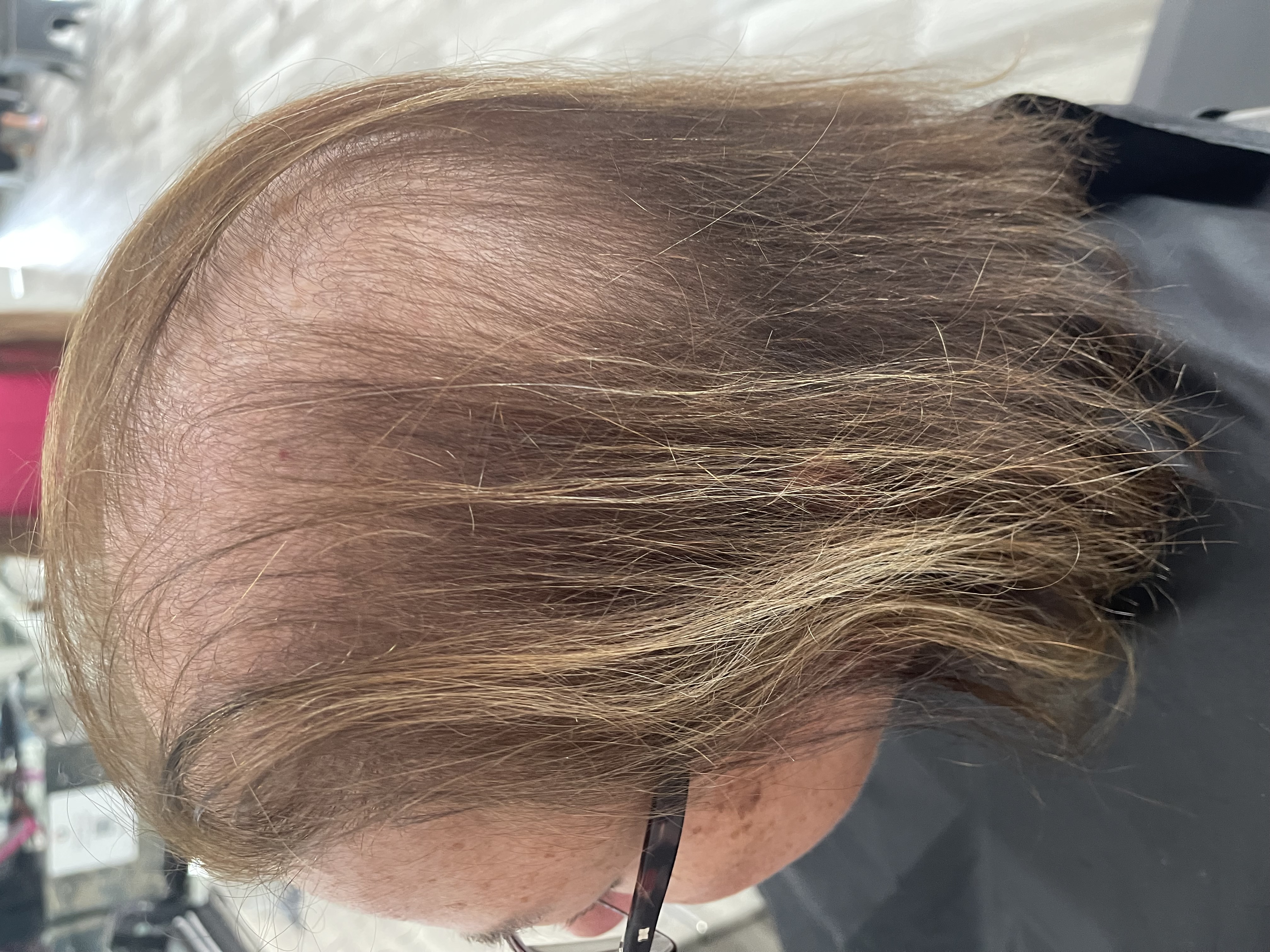
One of the most common signs of TE is excessive hair shedding. This means you might see more hair than usual on brushes, pillows, or in the shower drain. The shedding can happen all over your scalp or be worse in certain spots.
People with TE may also notice their hair is thinning. This means their hair may feel less thick than normal. Sometimes, this thinning happens slowly, so it can be hard to notice at first.
Another clear sign is "club hairs." These are hairs with a small white tip at the root. Club hairs are basically telogen hairs that have come out of the hair follicles too soon.
Diagnostic Techniques for Confirming TE
Diagnosing telogen effluvium involves several steps. First, a doctor takes a detailed medical history of the patient. Then, they do a physical examination of the scalp. There are also specific tests to confirm the diagnosis and rule out other causes of hair loss.
One common test is the "pull test." During this test, a dermatologist pulls a small section of hair gently. They check how easily the hair comes out of the scalp. If many hairs fall out, it could mean telogen effluvium.
Another helpful test is a scalp biopsy. This is where a small piece of scalp tissue is taken. It is examined under a microscope to look at the number of hair follicles and their growth phases.
|
Diagnostic Test |
Description |
|
Pull Test |
Gently pulling a small bunch of hair to check for shedding. A positive result could signify telogen effluvium. |
|
Scalp Biopsy |
Looking closely at a small sample of scalp tissue to examine hair follicle activity. |
First, it’s important to eat a balanced diet. This diet should be full of nutrients, vitamins, and minerals, especially iron. Getting enough protein is key because hair is mainly made of a protein called keratin.
Using stress management techniques can also help. Activities like exercise, yoga, meditation, and getting enough sleep can help keep hormone levels in check and reduce stress-related hair loss. Plus, avoiding harsh hair treatments, like too much heat styling, tight hairstyles, and strong chemical products can help those with hair loss.
Recovery and Management of Telogen Effluvium Regrowth
Understanding how TE recovery works and using helpful management tips can give you comfort when waiting feels hard. Remember, hair regrowth doesn’t happen overnight. You need to stay consistent.
Recovering from TE takes time. You may not see results for several months. Be patient as new hair strands grow. They will slowly get longer and help fill in any thinning spots.
During this time, it’s best to be gentle with your hair. Use a wide-toothed comb to avoid pulling. Stay away from tight hairstyles that can cause more stress. Try to limit heat styling and chemical treatments to keep your hair safe and healthy.
What to Expect During the TE Recovery Process
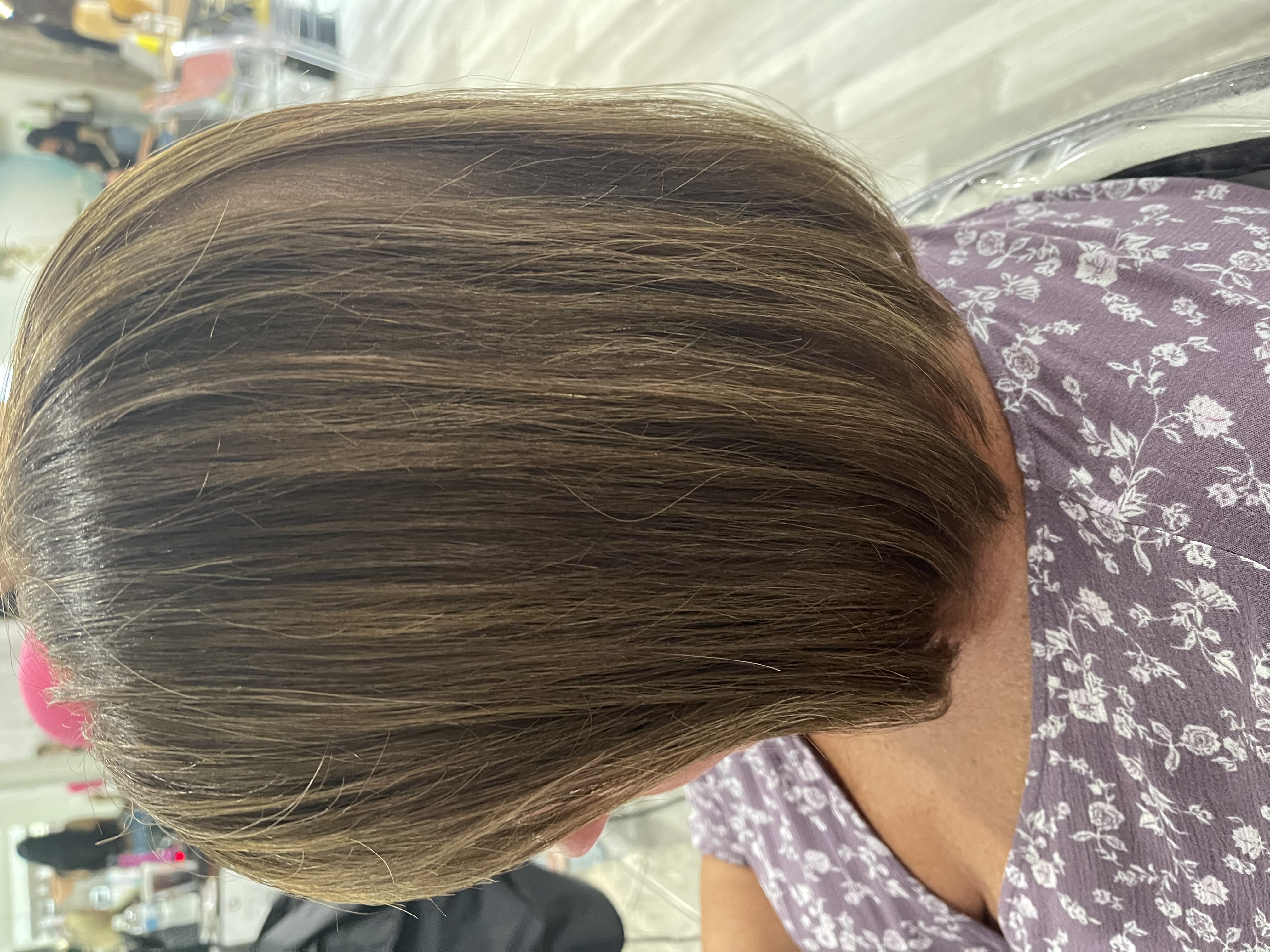
The best sign during recovery from hair loss is new hair growth. These new hairs may start off short and fine, making them hard to see. But with regular care and by handling any causes, this new hair will become thicker and stronger over time.
At first, as the new hair appears, people may go through a "shedding" phase. During this time, some hairs may fall out to make room for new growth. This shedding is actually a good sign. It shows that the hair follicles are getting back to their normal cycle.
It’s important to note that everyone recovers at different speeds. The level of hair loss, overall health, and how well treatments work can all affect how quickly recovery happens.

How GLP-1 Medications Can Trigger Telogen Effluvium
The rise in GLP-1 medications such as Ozempic, Wegovy, and Mounjaro has also been linked to increased cases of telogen effluvium. While these medications are effective for weight loss and blood sugar control, the rapid weight loss they often cause can place stress on the body—triggering a shift in the hair growth cycle. This stress, along with potential nutritional deficiencies from reduced calorie intake, can push more hair follicles into the shedding phase at once. At our salon, we’ve seen a growing number of clients experiencing this type of shedding, especially those seeking help for hair loss Boston after starting GLP-1 treatments. The good news is that this type of hair loss is typically temporary, and with the right support, hair growth can return to normal over time.
Not sure if your shedding is medication-related? That’s exactly what we help diagnose during consultations.
Conclusion
Telogen effluvium can feel sudden and overwhelming, especially when you’re unsure what triggered it. From stress and hormonal changes to newer factors like GLP-1 medications, there are many reasons your hair may be shedding more than usual. The key is understanding that in many cases, this type of hair loss is temporary—and with the right approach, recovery is possible.
At Noelle Salon, we specialize in identifying the root cause of shedding and creating safe, customized solutions that support your hair without causing further damage. Whether you’re experiencing shedding from rapid weight loss, medical changes, or stress, we offer options like lightweight toppers, extensions for fine hair, and scalp-conscious techniques designed specifically for fragile hair.
If you’re searching for real answers and expert guidance for hair loss Boston, you don’t have to figure it out alone.
Book a free hair loss consultation and let’s create a plan that supports healthy regrowth while protecting the hair you have.
Frequently Asked Questions
What Is the Typical Duration of Telogen Effluvium?
Acute telogen effluvium usually lasts less than six months. In some cases, it can continue for years. People with this condition often see hair shedding on the entire scalp, which causes overall thinning of their hair.


